A sewer backup is one of the most stressful emergencies a homeowner can face. This guide covers the immediate steps you must take to protect your health and home. We also break down realistic cleanup costs, insurance tips, and how to prevent this messy problem from returning. Lets deep dive into “Emergency Sewer Backup: Immediate Steps, Real Costs, and Pro Solutions”
What is an Emergency Sewer Backup?
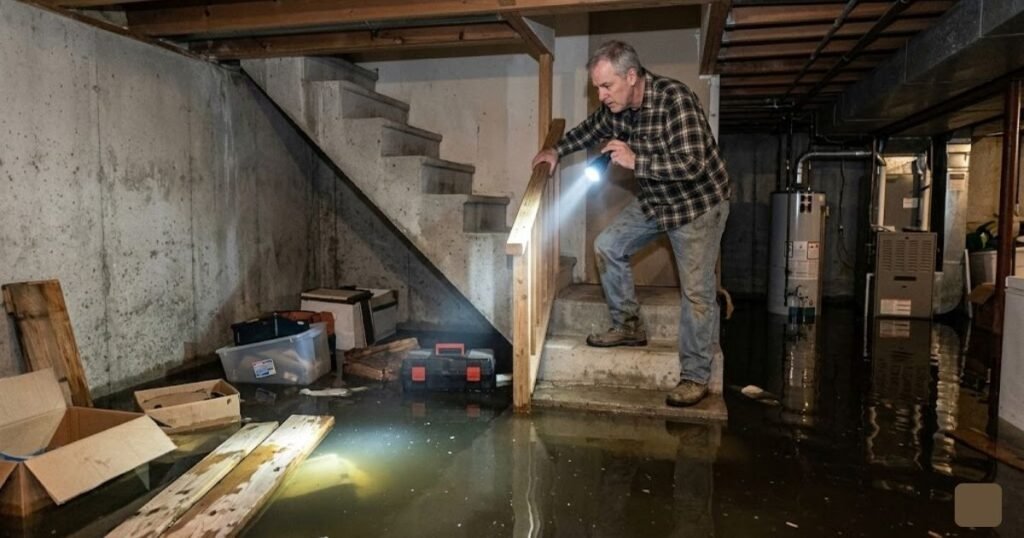
An emergency sewer backup happens when waste and water from your main sewer line cannot flow away from your house. Instead, it reverses direction. This “black water” flows back through your lowest drains, usually in the basement or a ground-floor bathroom.
It is an emergency because sewage contains harmful pathogens. It also causes rapid damage to floors, walls, and personal property. If you see water bubbling up from a floor drain or your toilet won’t flush while the shower is backing up, you have an emergency.
Common Causes
- Tree Root Intrusion: Roots seek moisture and can crack or clog underground pipes.
- Fatbergs: Pouring grease or “flushable” wipes down the drain creates massive blockages.
- Pipe Collapse: Older pipes made of clay or cast iron can shift or crumble over time.
- Heavy Rain: Flash floods can overwhelm municipal sewer systems, pushing water back into homes.
- Structural Defects: Sagging pipes, known as “bellies,” collect debris until a total blockage occurs.
Health Risks and Hazards
Sewage is not just dirty water; it is a biohazard. You must treat a backup with extreme caution.
- Bacteria and Viruses: Raw sewage carries E. coli, Salmonella, and Hepatitis A.
- Mold Growth: Damp drywall and carpets can grow toxic mold within 24 to 48 hours.
- Gas Exposure: Sewer gas contains methane and hydrogen sulfide, which can be toxic or flammable.
- Chemical Exposure: If neighbors flush chemicals or pesticides, they can end up in your backup.
- Electrical Shock: Water touching outlets or basement appliances creates a deadly shock risk.
READ MORE: CCTV Drain Inspection to Find Underground Sewer Blockage — Costs, Process & Fixes
Immediate Steps to Take Right Now
If you are currently facing a backup, follow these steps immediately. Do not hesitate.
- Stop using all water. Do not flush toilets. Do not run the dishwasher or laundry. Every drop you send down the drain will end up on your floor.
- Keep pets and children away. Block off the affected area. Don’t let anyone walk through the water.
- Turn off the power (carefully). If the water is near electrical outlets or your fuse box, do not enter the room. Call your utility company to shut off power from the outside.
- Wear protective gear. If you must enter the area, wear rubber boots, gloves, and a face mask.
- Check your floor drains. See if the water is rising or falling. This helps the plumber diagnose the issue.
- Call a professional. This is not a job for a standard plunger. You need an emergency plumber or a restoration specialist.
- Document everything. Take photos and videos of the standing water and damaged items for your insurance claim.
Do Not:
- Do not use a shop vac to suck up raw sewage. You will contaminate the vacuum and spray pathogens into the air.
- Do not flush “drain-clearing” chemicals into a standing backup. They won’t work and can burn your skin.
- Do not touch the water with your bare skin.
READ MORE: Tree roots in sewer line — removal & repair cost (2026 guide)
When to Call a Professional
You might be tempted to rent a snake from a hardware store. For a main line backup, this is usually a mistake. You should call a professional if:
- Multiple drains are backed up at the same time.
- Water comes up in the tub when you flush the toilet.
- The backup is accompanied by a strong “rotten egg” smell.
- You hear gurgling sounds coming from your pipes.
- You have a basement floor drain overflowing with dark water.
What the Pros Will Do
A professional team handles two jobs: fixing the pipe and cleaning the mess.
- Camera Inspection: They run a fiber-optic camera through the line to find the exact location of the clog.
- Main Line Clearing: They use heavy-duty augers or snakes to break through roots and debris.
- Hydro-Jetting: High-pressure water blasts the inside of the pipes to remove grease and scale.
- Water Extraction: Large industrial pumps remove standing sewage quickly.
- Sanitization: They use hospital-grade disinfectants to kill bacteria and viruses.
- Drying: High-powered fans and dehumidifiers pull moisture out of the air and structure.
READ MORE: Why Does My Laundry Room Smell Like Sewage Gas?
Cost Breakdown & Realistic Price Expectations
Costs vary depending on how much water entered your home and what caused the blockage. Here are the real price figures you should expect to see on an estimate.
Cleanup and Restoration
Cleaning up after the water is gone is often the most expensive part.
- National Average Range: Expect to pay between $2,000 and $10,000 for professional sewage cleanup and restoration (source: National Restoration Guidelines).
- Per-Square-Foot Guideline: Costs are often calculated based on the size of the mess. This usually runs about $7–$15+ per sq. ft. for cleanup (source: Restoration Industry Data).
Plumbing and Line Repair
Fixing the cause of the backup has its own set of costs.
- Hourly Rates: Plumbers typically charge $45–$200 per hour for emergency inspections (source: National Plumbing Association).
- Basic Clearing: A simple snake job or flat-rate main line clearing usually costs $100–$250 (source: Professional Plumbers’ Guide).
- Hydro-Jetting: If the line is full of grease or heavy roots, hydro-jetting ranges from $250–$800+ (source: Trenchless Repair Standards).
- Camera Inspection: Adding a camera view to see the damage often adds $100–$500 to your bill (source: Sewer Inspection Reports).
Costs by Backup Type
The type of water and the state of your pipes change the final price.
- Sanitary Backups: These involve raw sewage and cost $2,000–$10,000 for mitigation (source: Biohazard Cleanup Standards).
- Stormwater Backups: These are generally less toxic but still require drying, costing $1,500–$7,500 (source: Flood Restoration Statistics).
- Collapsed Lines: If the pipe is physically broken or requires trenchless repair, costs can jump to $3,000–$15,000+ (source: Underground Utility Contractors).
READ MORE: How Much Does a Plumber Cost to Unclog a Drain?
Comparison Table: Repair and Cleanup Options
| Scenario | Typical Immediate Steps | Typical Cost Range | Time to Fix | When to Call Pro |
| DIY Temporary Stop-Gap | Use plunger; stop all water use. | $20 – $50 (tools) | 30 minutes | Only for minor, single-fixture clogs. |
| Professional Emergency Cleanup | Extract sewage; disinfect; dry area. | $2,000 – $10,000 | 1 – 3 days | Any time standing sewage is present. |
| Full Sewer Line / Trenchless Repair | Excavate or reline broken pipes. | $3,000 – $15,000+ | 2 – 7 days | If pipes are collapsed or root-damaged. |
Pros and Cons
Pros of Hiring a Licensed Pro
- Proper Sanitization: Pros use industrial chemicals that kill 99.9% of harmful bacteria.
- Specialized Equipment: They have high-resolution cameras to find hidden pipe breaks.
- Insurance Knowledge: Most pros know how to document the damage to help your claim.
- Safety First: They have the gear to handle biohazards without getting sick.
- Warranty: Many companies offer a guarantee on their work.
Cons of DIY
- Health Hazards: You risk exposing yourself and your family to serious diseases.
- Incomplete Cleaning: You may miss sewage that soaked into the drywall or under the floor.
- Hidden Issues: A plunger won’t fix a collapsed pipe or a massive tree root.
- Lingering Odors: Without professional-grade drying, the “sewer smell” can stay for years.
- Mold Risk: DIY drying is rarely fast enough to prevent mold growth in the basement.
READ MORE: Residential Drain Cleaning Service
How to Choose the Right Contractor
Don’t just hire the first person who answers the phone. Ask these questions:
- Are you licensed, bonded, and insured? This protects you if they damage your home.
- Do you provide a written estimate? Never agree to a large job without a paper trail.
- What certifications do you have? Look for IICRC certification for cleanup and restoration.
- Do you offer 24/7 emergency services? Sewer backups don’t wait for business hours.
- Do you use a camera for inspections? You want to see the proof of the clog yourself.
Insurance & Reimbursement Basics
General guidance only; please check your specific policy.
Most standard homeowners insurance policies do not automatically cover sewer backups. This is a common and expensive surprise for many homeowners. Usually, you need a “Sewer Backup Endorsement” or “Water Back-Up and Sump Discharge” rider.
- Check your “Rider”: This is an add-on that usually covers $5,000 to $25,000 in damage.
- Deductibles: You will likely have to pay a deductible before insurance kicks in.
- Maintenance: If the backup happened because you didn’t maintain your pipes, insurance might deny the claim.
- Act Fast: Call your insurance agent as soon as you call the plumber.
READ MORE: How to Clean Lint From Washing Machine Drain Hose
Prevention & Maintenance Checklist
The best way to handle a sewer emergency is to make sure it never happens.
Monthly Tasks
- Watch the “Flushables”: Only flush human waste and toilet paper. No wipes, even if the box says “flushable.”
- Sink Strainers: Use mesh strainers to catch hair and food scraps.
Seasonal Tips
- Clean Gutters: Ensure rainwater flows away from your foundation to reduce pressure on the sewer line.
- Check Vents: Ensure your roof plumbing vents are clear of leaves or bird nests.
Annual Tasks
- Professional Inspection: Have a plumber run a camera through your main line every 1–2 years.
- Tree Root Management: If you have large trees, consider a yearly chemical root foaming treatment.
- Check Your Sump Pump: Test your pump to ensure it can handle excess water.
Local and Quick Resources
When looking for help locally, search for terms like:
- “Emergency Plumber near me”
- “Sewage Mitigation [Your City]”
- “24/7 Water Restoration Services”
- “Municipal Public Works” (if the backup is in the street)
Note: Costs vary by metro area. Major cities like New York, Los Angeles, or Chicago often have rates at the higher end of the ranges listed above.
FAQ
How much does sewage cleanup cost after a sewer backup?
Professional cleanup and restoration typically range from $2,000 to $10,000 (source: National Restoration Guidelines). For larger areas, you can expect to pay between $7 and $15 per square foot (source: Restoration Industry Data). These costs cover water extraction, sanitizing surfaces, and drying out the structure to prevent mold.
Does homeowners insurance cover sewer backup cleanup?
A standard policy usually does not cover backups unless you have a specific “Sewer Backup Endorsement.” This is an optional rider you must add to your policy. It is highly recommended to contact your insurance agent to verify your coverage limits before an emergency occurs (source: General Insurance Guidance).
What should I do immediately when my sewer backs up?
First, stop all water usage and keep children and pets away from the area. Turn off the electricity if there is a risk of contact with standing water. Call an emergency plumber and your insurance company immediately. Document the damage with photos and videos for your claim before any cleaning begins.
Can I clean a sewer backup myself or do I need a professional?
You can handle minor sink clogs, but a main sewer line backup requires a professional. Raw sewage is a biohazard containing dangerous bacteria and viruses. Professionals have the necessary protective gear, industrial-grade disinfectants, and high-powered drying equipment to ensure your home is truly safe to inhabit again.
How long before it’s safe to return after a sewage backup?
It usually takes 1 to 3 days for professional mitigation and sanitization. However, you should not return to the affected area until a specialist confirms that the air quality is safe and all surfaces have been properly disinfected. If mold growth occurred, the process could take longer.
Conclusion
An emergency sewer backup is a homeowner’s nightmare, but it is manageable with a calm head and the right help. Remember to act fast, stay safe, and avoid DIY shortcuts that could lead to health problems or bigger repair bills later.
Call a licensed plumber or restoration specialist immediately if you see sewage entering your home. Protecting your family’s health and your home’s foundation is worth every penny of the professional cost.


Pingback: Sewer Line Replacement Cost: 2026 Pricing Guide - Plumbing Guider