We often take our water heaters for granted. They sit in a dark corner of the basement or a closet, quietly doing their job. You turn on the faucet, and hot water comes out. It feels like magic until the day that magic stops.
Suddenly, your morning shower is ice cold. Or worse, you find a puddle of rusty water flooding your floor. Most homeowners do not think about their water heater until it breaks. But here is the good news: your unit will usually try to tell you it is dying long before it actually quits.
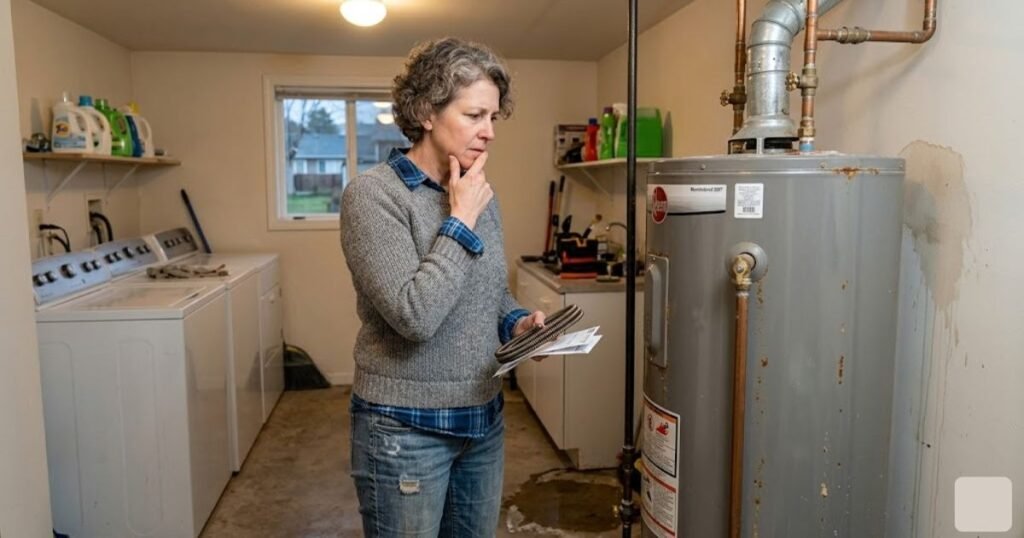
If you know what to look for, you can catch the signs of a failing water heater early. This saves you from expensive water damage and the stress of an emergency replacement. In this guide, we will walk through everything you need to know to keep your home’s hot water running smoothly. Lets deep dive into “What Are the Signs of a Failing Water Heater: Is It Time to Replace?”
READ MORE: How to Adjust the Temperature on a Water Heater: Step by Step
What a Failing Water Heater Actually Means
Before we dive into the symptoms, it is important to understand what “failing” looks like. Not every hot water problem means you need a brand-new unit.
Sometimes, a water heater has a minor issue. Maybe a heating element burnt out, or a thermostat needs a quick adjustment. These are “wear and tear” items that a plumber can fix in an hour.
However, a failing water heater is different. This usually means the internal tank is compromised or the unit has reached the end of its functional life. When a tank starts to corrode or crack, there is no “fixing” it. At that point, you are looking at water heater replacement signs.
Understanding the difference between a simple repair and a total failure can save you thousands of dollars in the long run.
Main Signs of a Failing Water Heater
Your water heater is a complex machine. It deals with high pressure, high heat, and constant water flow. Over time, these forces take a toll. Here are the most common bad water heater symptoms every homeowner should watch for.
1. No Hot Water or Not Enough Hot Water
This is usually the first sign people notice. You’re halfway through your shower, and the water turns lukewarm. Or, you notice the water never gets as hot as it used to.
- What it means: If you have an electric heater, one of the two heating elements might be broken. If you have a gas heater, the burner might be struggling.
- The failing sign: If you replace the elements and the water is still cold, the tank may be filled with so much sediment that there is no room left for water. This is a major sign that the unit is on its way out.
2. Water Takes Too Long to Heat Up
Do you have to wait ten minutes for the kitchen sink to get hot? While some delay is normal depending on your home’s layout, a significant change in “recovery time” is a red flag.
- The issue: As units age, they become less efficient. It takes more energy and more time to heat the same amount of water. This is one of those subtle water heater warning signs that people often ignore until it’s too late.
3. Strange Noises (Popping, Rumbling, or Banging)
Your water heater should be relatively quiet. If it starts sounding like someone is hitting it with a hammer or like popcorn is popping inside, you have a problem.
- Why it happens: This is almost always caused by sediment buildup. Over the years, minerals like calcium and magnesium settle at the bottom of the tank. This layer hardens.
- The danger: When the water underneath that crust boils, it bubbles up and “pops” through the sediment layer. This constant banging puts stress on the metal tank. Eventually, the metal becomes brittle and cracks. If you hear loud rumbling, your water heater is not working properly.
READ MORE: How to Fix Air Pockets in Hot Water Lines: Step by Step DIY Guide
4. Rust-Colored or Cloudy Water
When you turn on the hot water, it should be crystal clear. If it looks like tea or has a “milky” appearance, pay attention.
- Rust color: This usually means the inside of your steel tank is rusting. Once the rust starts, it cannot be stopped. It will eventually eat a hole through the wall of the heater.
- Cloudy water: This is often a sign of heavy mineral buildup. While not as immediate a threat as rust, it leads to the banging noises and efficiency loss mentioned above.
5. Water Leaking Around the Tank
Any sign of moisture around the base of your water heater is a serious concern.
- Minor leaks: Sometimes a valve just needs to be tightened.
- Major leaks: If the water is coming from the tank itself, the unit is dead. Metal expands when it heats up. If there is a tiny crack in the tank, it will leak when the water is hot and might stop when it cools down. This is one of the clearest signs of a failing water heater.
6. Low Hot Water Pressure
If your cold water pressure is fine but your hot water barely trickles out, the heater is likely the culprit.
- The cause: Mineral deposits can actually “clog” the pipes leading in and out of the heater. It’s like a clogged artery in a human body. It forces the system to work harder and reduces the flow to your faucets.
7. Rotten Egg or Metallic Smells
Your water should not have a scent. If you smell sulfur (rotten eggs) or a strong metallic odor, the heater is struggling.
- Metallic smell: This usually happens when the “anode rod” has dissolved and the water is now eating the tank itself.
- Sulfur smell: This is caused by bacteria growing inside the tank, often because the sediment has created a breeding ground.
8. Pilot Light or Ignition Problems (Gas Units)
If you find yourself constantly relighting the pilot light, the heater is telling you something is wrong. It could be a bad thermocouple, or it could be a sign that the burner unit is corroded and failing to stay lit.
9. Rising Energy Bills
Have you noticed your gas or electric bill creeping up even though you haven’t changed your habits? An old, inefficient water heater has to run longer and hotter to produce the same results. Replacing a failing unit can often pay for itself over time through energy savings.
10. Water temperature keeps changing
If your shower suddenly swings from warm to cold to hot again, the heater may be struggling to hold a steady temperature. What it may mean:
- A failing thermostat.
- Sediment interfering with heating.
- A burner or element problem.
- A unit that is simply aging out.
Temperature swings are frustrating. They are also a strong clue that the water heater is not working properly.
READ MORE: How to Fix Cold Water Sandwich on a Tankless Heater: DIY Solutions That Actually Work
The Age Factor: When to Replace a Water Heater
Even if your water heater looks fine, its age is the most reliable “silent” indicator of failure. Most traditional tank-style water heaters are designed to last between 8 and 12 years.
- If your heater is 1–6 years old: It likely just needs a repair or a part replacement.
- If your heater is 7–10 years old: You are in the “danger zone.” Start saving for a new one.
- If your heater is over 12 years old: You are living on borrowed time. Even if it seems okay, the internal components are likely very thin from corrosion.
Pro Tip: Look at the manufacturer’s sticker on the side of the tank. It will list the “Date of Manufacture.” If the date is encoded in a serial number, you can usually look up the brand online to figure out the age.
What Causes These Problems?
It helps to know why these systems fail so you can understand the hot water heater problems you are facing.
- Sediment Buildup: In areas with “hard water,” minerals settle at the bottom. This is the #1 killer of water heaters in the USA.
- Corrosion: Water and metal don’t get along. Manufacturers put a “sacrificial anode rod” inside the tank. Its job is to rust so the tank doesn’t. Once that rod is gone, the tank is next.
- Thermal Expansion: As water heats, it expands. If your home doesn’t have an expansion tank, this pressure change stretches the metal of your heater every day until it eventually snaps.
- Lack of Maintenance: Most people never flush their tanks. This allows sediment to turn into a rock-like layer that destroys the unit from the inside out.
- Damaged valves: Pressure relief valves, drain valves, and other fittings can weaken or leak. These parts matter more than many homeowners realize.
What Homeowners Should Check First
If you suspect your water heater is acting up, don’t panic. Perform these simple checks first to see if it is a “fix” or a “fail.”
- Check the Thermostat: Is it set between 120 and 140 degrees? Sometimes the dial gets bumped, making the water feel too cold or dangerously hot.
- Look for “Puddling”: Take a flashlight and look at the floor around the base. Check the top of the heater where the pipes connect. If you see white crusty buildup or water, you have a leak.
- Listen to the Tank: Turn on a hot water faucet and stand by the heater. Do you hear “cracking” or “popping”?
- Test the T&P Valve: This is the “Temperature and Pressure” relief valve. It usually has a little silver lever on the side or top. Briefly lifting it should release a burst of hot water into the discharge pipe. If it doesn’t move or it leaks afterward, it needs professional attention.
- Check the Water Color: Fill a clear glass with hot water. Let it sit for a minute. Is there debris at the bottom? Is the water tinted red or brown?
Safety Warning: If you smell gas (a skunk-like or rotten egg smell) near your heater, leave the house immediately and call the gas company. Never try to fix a gas leak or electrical wiring yourself unless you are a licensed professional.
READ MORE: Best Whole House Water Softener System for Home (2026) — Top Picks & Buyer’s Guide
When to Repair vs. Replace
Deciding when to replace a water heater can be tough. Nobody wants to spend money they don’t have to. Use this simple guide to help make the choice:
| Repair It If… | Replace It If… |
| The unit is less than 8 years old. | The unit is over 10-12 years old. |
| The problem is a simple part (Heating element, thermostat). | The tank itself is leaking. |
| The repair cost is less than 50% of a new unit. | The repair cost is very high. |
| The water is still clear. | The water is rusty or has a bad odor. |
| The tank has been maintained regularly. | The tank has never been flushed or serviced. |
Essentially, if the tank is leaking or the unit is very old, a repair is just a “band-aid.” It is better to invest in a new, efficient model than to keep paying for service calls on a dying machine.
How to Prevent Water Heater Failure
You can actually double the life of your water heater with a little bit of care. If you catch the signs of a failing water heater early, or prevent them entirely, you’ll save a lot of headaches.
- Flush the Tank Annually: Once a year, drain the water out of the tank to wash away sediment. This keeps the bottom of the tank clean and prevents that “popping” noise.
- Check the Anode Rod: Every 3 years, have a plumber check the anode rod. If it’s eaten away, replace it for about $50. This can add 5+ years to your heater’s life.
- Lower the Temperature: Keeping your heater at 120 degrees instead of 140 degrees reduces the “scaling” (mineral buildup) and saves money on your energy bill.
- Install a Water Softener: If you have very hard water, a softener removes the minerals before they ever reach your water heater.
- Keep the Area Clear: Don’t stack boxes or clutter around the heater. It needs air to breathe (if it’s gas) and you need to be able to see leaks as soon as they start.
Signs of a Failing Water Heater You Should Never Ignore
Some warning signs are more urgent than others. Call a professional quickly if you notice:
- water pooling around the tank
- a strong gas smell
- sparks, burning smells, or electrical trouble
- loud knocking from the unit
- rusty water that keeps coming back
- no hot water at all
- visible corrosion on the tank
These are not problems to put off. A water heater can leak suddenly or stop working completely once it gets worse.
READ MORE: Hard Water Impact on Water Heater Lifespan — Signs, Fixes, and Costs
Summary
No one likes dealing with hot water heater problems, but being an informed homeowner makes the process much easier. Remember that your water heater is a hard-working appliance that won’t last forever.
By watching for the signs of a failing water heater like strange noises, rusty water, and moisture around the tank you can take action before a minor drip turns into a major flood. If your unit is over 10 years old and starting to act up, it’s likely time to start looking at new options. Catching the problem today means you won’t be stuck with a cold shower tomorrow!
Frequently Asked Questions
What are the first signs of a failing water heater?
The first signs often include less hot water, slower heating, strange noises, or water that changes temperature during use. Rust-colored water and small leaks are also common early warnings.
How do I know if my water heater needs to be replaced?
A water heater may need replacement if it is over 8 to 12 years old, leaking from the tank, making loud noises, or no longer heating water properly. Repeated repairs are another strong sign.
Why is my water heater making popping noises?
Popping noises usually come from sediment buildup inside the tank. The water gets trapped under the sediment and bubbles as it heats. This is a common sign the tank needs maintenance.
Can a failing water heater still heat water?
Yes, sometimes it can. A failing unit may still work for now, but it may heat water slowly, unevenly, or inconsistently. That is why the problem should not be ignored.
How long does a water heater usually last?
Most tank water heaters last about 8 to 12 years. Some last longer with good maintenance. Others wear out sooner, especially if they have hard water or heavy use.


Pingback: Why Is My Gas Water Heater Pilot Light Not Staying Lit? Causes & Fixes - Plumbing Guider