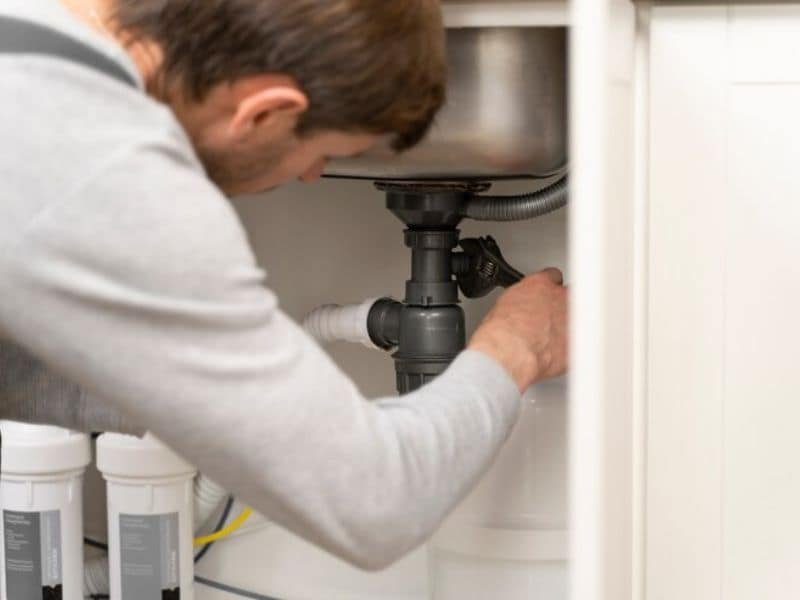
A washing machine might seem simple from the outside: load clothes, add detergent, press start but behind the scenes, it relies on a precise plumbing system to work efficiently. One of the most crucial yet often overlooked components is the washing machine drain. Without proper drainage, your laundry area could easily become a flood zone, leading to water damage, mold, and expensive repairs.
Plumbing a washing machine drain correctly ensures that wastewater flows smoothly from the machine into your home’s drain system without backup or overflow. It also helps prevent contamination by maintaining proper air gaps and using correct pipe sizes and fittings.
Whether you’re installing a brand new washer or upgrading your laundry room, learning how to clear a washing machine drain can save you time, money, and headaches. Even if you plan to hire a professional plumber, understanding the process helps you make informed decisions about your setup and maintenance.
Tools and Materials You’ll Need
Before starting your project, gather all the tools and materials you’ll need. Having everything ready will save time and prevent mid-project trips to the hardware store.
Essential Tools for the Job
Here’s a checklist of tools you’ll need for plumbing a washing machine drain:
- Pipe cutter or hacksaw. Check this Pipe Cutter & Price
- Adjustable wrench. Check this Adjustable Wrench & Price
- PVC pipe glue and primer. Check this PVC Pipe Glue and Primer & Price
- Tape measure. Check this Tape Measure & Price
- Level. Check this Level & Price
- Plumber’s tape (Teflon tape). Check this Teflon Tape & Price
- Drill and hole saw (if installing through a wall or floor). Check Product & Price
- Bucket and rags (for catching residual water). Check this Product & Price
- Screwdriver set. Check Product & Price
If you’re connecting to existing plumbing, you may also need a pipe wrench, PEX crimping tool, or thread sealant.
Plumbing Materials and Fittings Required
You’ll also need the following materials:
- PVC drain pipe (typically 2-inch diameter). Check this PVC Drain Pipe & Price
- P-trap assembly. Check this P-trap & Price
- Standpipe (18–30 inches long)
- Washing machine outlet box (optional but recommended). Check Product & Price
- PVC elbows and couplings. Check Product & Price
- Hose clamp. Check Hose Clamp & Price
- Air admittance valve (if no vent pipe is available). Check Product & Price
When purchasing pipes and fittings, make sure they meet local plumbing code requirements. Using the right materials ensures durability and compliance, which is especially important if you ever sell your home or have it inspected.

READ MORE: How to Clean Plumbing Vent
Planning the Drain Layout
Before cutting any pipe, it is essential to carefully plan your drain layout. Proper planning ensures smooth water flow, reduces the risk of leaks and helps you comply with plumbing codes.
Measuring and Choosing the Right Location
First, determine where your washing machine will sit. Ideally, it should be near an existing water supply line and drain connection to minimize extra plumbing work. The drain hose should be able to reach the standpipe without kinking or stretching.
If you’re setting up your laundry area from scratch, position the standpipe behind or beside the washer. The standpipe should rise at least 18 inches from the trap but no more than 30 inches. Too short, and you risk water overflow; too tall, and the washer may struggle to pump water upward.
Use a level to ensure your pipes are sloped correctly typically 1/4 inch per foot to allow for smooth drainage.
Understanding Plumbing Codes and Sizing Requirements
California, like most U.S. states, follows the Uniform Plumbing Code (UPC), which dictates that a washing machine drain must have:
- A minimum 2-inch diameter pipe
- A P-trap installed within 12–18 inches of the standpipe
- A properly vented line to prevent siphoning or slow drainage
Failing to meet code standards can lead to poor performance and costly rework later. If you’re unsure about your local code, contact your city’s building department before starting the project.
Step-by-Step Guide to Plumbing a Washing Machine Drain
Step 1: Turn Off Water and Power
Before doing any work, always shut off the water supply to the washing machine and unplug it from the electrical outlet. This simple step protects you from electrical hazards and accidental flooding. If the machine has been in use recently, allow a few minutes for it to drain completely.
Place a bucket or towels under the existing connections to catch any leftover water.
Step 2: Install or Modify the Drain Pipe
If your home already has a drain pipe nearby, you can tap into it using a T-fitting. Cut into the pipe carefully using a pipe cutter or hacksaw, then attach the new connection with PVC cement and primer.
For new installations, measure and cut your 2-inch PVC drain pipe to run from the main line to the washing machine location. Make sure the pipe slopes slightly downward toward the main drain to allow gravity-assisted flow.
Dry-fit all parts first before gluing them together. This lets you confirm alignment and length before making anything permanent.
Step 3: Add the Standpipe and Trap
Once your drain line is in place, the next step is installing the standpipe and P-trap two of the most essential parts of the washing machine drain system.
Start by gluing a P-trap to the drain line using PVC primer and cement. The P-trap should sit just below the height of your washing machine drain outlet, typically 6 to 18 inches from the floor. Make sure the trap is positioned so it will always retain a small amount of water; this creates a seal that blocks unpleasant sewer gases from entering your laundry area.
Next, attach the standpipe to the top of the trap. The standpipe should extend vertically 18 to 30 inches above the trap. This height allows your washing machine to pump out water efficiently while preventing the hose from siphoning water back into the washer.
It’s important that the standpipe remains completely vertical and secure. You can use wall straps or pipe brackets to hold it in place. The internal diameter of the standpipe should be at least 2 inches, as smaller pipes can’t handle the high flow rate from modern washing machines and could cause overflow.
If you don’t already have a vent near the washing machine drain line, consider adding one or using an air admittance valve (AAV). This small one-way valve allows air to enter the drain pipe when water flows, which prevents pressure buildup and helps maintain a smooth discharge.
Once the P-trap and standpipe are installed, check all joints to make sure they’re properly sealed and aligned before proceeding.
Step 4: Connect the Washing Machine Drain Hose
Now that your standpipe is ready, it’s time to connect your washing machine drain hose.
Slide the hose into the standpipe but not too deep. A good rule of thumb is to insert it about 6 to 8 inches into the pipe. If it goes too far, it may create a siphoning effect, pulling dirty water back into your machine. Too shallow, and it could easily pop out during a draining cycle, flooding your laundry area.
Use a hose clamp or a plastic zip tie to secure the hose to the standpipe. This will keep it firmly in place, especially during high-speed drain cycles when the hose may move from pressure.
If your washing machine is installed inside a laundry outlet box, simply connect the drain hose to the dedicated drain port within the box. Most modern outlet boxes are designed with built-in guides to prevent kinks or dislodging.
Make sure the hose curves naturally without sharp bends or pinches, as that could restrict water flow and lead to backup or overflows.
Finally, double-check that your hose and standpipe are not sealed airtight. There should always be a small air gap between the hose and pipe opening to prevent back-siphoning.
Step 5: Test for Leaks and Proper Drainage
After all the plumbing work is done, it’s time to test your installation.
- Reconnect the water supply and plug in the washing machine.
- Set your washer to a short wash or rinse cycle so it can fill and drain water.
- Observe the standpipe and connections closely during the draining phase.
Watch for signs of leaks, slow drainage, or backflow. The water should flow quickly through the hose and disappear down the standpipe without rising to the top. If you notice gurgling sounds, it may indicate a venting issue, and you might need to install a vent or AAV to balance air pressure.
If any leaks appear around the PVC joints, turn off the machine, drain the water, and reseal the connections using primer and cement. Once the test cycle finishes smoothly, your washing machine drain is successfully plumbed and ready for everyday use.
READ MORE: Do You Need a Plumber to Replace an Outdoor Spigot?
Common Mistakes to Avoid When Plumbing a Washing Machine Drain
Even small mistakes can lead to big plumbing problems later. Here are some of the most common issues people make and how to avoid them.
Using the Wrong Pipe Size
One of the most frequent mistakes is using pipes that are too small for a washing machine’s drainage output. Older homes may still have 1½-inch pipes, which worked fine for traditional washers but can’t handle today’s high-efficiency machines.
Always use 2-inch PVC pipes for your drain line and standpipe. The larger diameter ensures enough capacity to handle fast-flowing water without overflow or back pressure.
Skipping the P-Trap or Air Gap
Some DIY installers mistakenly skip the P-trap or seal the drain hose tightly into the standpipe. Both are serious plumbing errors.
Without a P-trap, sewer gases can enter your laundry area, creating foul odors and potential health hazards. And if you seal the hose airtight, it can cause siphoning, leading to water being sucked back into your washer or even damaging the pump.
Always maintain an air gap and include a properly installed P-trap to ensure safe, code-compliant drainage.
How to Maintain Your Washing Machine Drain System
Regular Cleaning and Inspection
Once your drain is installed, regular maintenance helps keep it running smoothly. Every few months, check the standpipe and drain hose for buildup or blockages. Detergent residue, lint, and small debris can accumulate over time, leading to slow drainage or even clogs.
You can clean the standpipe by pouring a mixture of hot water and vinegar down the drain every few months. This breaks down detergent scum and keeps the pipes fresh. Avoid using harsh chemical drain cleaners, as they can damage PVC pipes and fittings.
Also, inspect the hose for signs of wear, cracks, or kinks. If the hose feels brittle or shows signs of mold, replace it immediately. Most washing machine hoses last about 5–7 years, depending on water conditions and usage.
Preventing Clogs and Odors
To prevent clogs, always clean your washing machine’s lint filter (if equipped) after every few loads. Lint buildup is one of the most common causes of drainage issues.
If your laundry area starts to smell musty or sour, it could be due to stagnant water in the P-trap or debris buildup. Flushing the drain occasionally with a baking soda and vinegar solution, followed by hot water, can help eliminate odors naturally.
Installing a drain screen or lint catcher on the hose end is another good way to trap lint and debris before it reaches the plumbing system.

READ MORE: How Does an Electric Water Heater Work?
Troubleshooting Common Drain Problems
Slow Drainage
If your washer is draining slowly, the issue is often a partial blockage in the standpipe or P-trap. Try cleaning the drain using a plumbing snake or flushing it with hot water and vinegar. If the problem persists, it may be due to inadequate venting adding a vent pipe or air admittance valve may fix the issue.
Leaks or Backflow Issues
Leaks often occur at loose joints or worn-out hose connections. Tighten clamps and fittings, and check for cracks in PVC joints. If water is backing up during drainage, your standpipe may be too short or not vented properly. Ensure your setup follows the height and diameter guidelines to maintain proper pressure balance.
When to Call a Professional Plumber
While plumbing a washing machine drain is a possible DIY project for many homeowners, some situations require a licensed plumber. If your existing plumbing system is old, damaged, or has no vents, it is best to seek professional help.
A plumber can ensure that your setup meets local building codes, uses the correct materials, and integrates smoothly with your home’s existing drain lines. They can also diagnose issues like water hammer, backflow, or drainage noises that may not be obvious to a DIYer.
Hiring a professional may cost more up front, but it will save you future headaches, costly water damage or code violations.
Conclusion
Learning how to plumb a washing machine drain properly is an investment in your home’s efficiency and safety. With the right materials, tools, and a bit of patience, you can create a drainage system that handles heavy water flow, prevents leaks, and complies with local plumbing codes.
Whether you’re upgrading your laundry space or tackling a full renovation, always remember the key principles: use the correct pipe size, include a P-trap and vent, and maintain an air gap. Following these guidelines ensures smooth performance and prevents future plumbing problems.
FAQs
What size pipe should I use for a washing machine drain?
A 2-inch diameter PVC pipe is recommended for modern washing machines. It allows enough capacity for high-speed water discharge without overflowing.
How tall should the standpipe be for a washing machine?
The standpipe should be between 18 and 30 inches tall, measured from the trap to the top of the pipe.
Can I drain a washing machine directly into a sink?
Yes, but it’s not ideal. A dedicated standpipe and P-trap are more efficient and prevent potential backflow or flooding.
Why does my washing machine drain smell bad?
Odors usually come from stagnant water or debris buildup in the P-trap. Cleaning the drain regularly with hot water and vinegar helps eliminate the smell.
Do I need a vent for my washing machine drain?
Yes. Venting allows air to enter the drain line, preventing gurgling and slow drainage. If a vent pipe isn’t possible, install an air admittance valve (AAV) as an alternative.