Plumbing is the invisible backbone of every home, delivering clean water where you need it and whisking wastewater away. But when leaks develop under your slab, pipes corrode, or you’re remodeling, you might find yourself needing to reroute your plumbing. The big question most homeowners ask is, “How much will it cost?”
The answer depends on a mix of factors like your home’s layout, the materials used, and how accessible your pipes are. On average, rerouting plumbing can cost anywhere from $650 to $5,000, with complex cases reaching $10,000 or more. This guide breaks down everything you need to know: what influences the price, how rerouting works, and how you can save money along the way.

- Breakthrough 550m/1804ft Connectivity: Engineered with advanced Sub-1G long-range wireless tech, our leak detector maint…
- Multiple Reminder Methods: Our water leak sensor supports multiple remote alarm. It can instantly send SMS, APP, and Ema…
- Feature-Rich App: Receive instant push notifications. Use the “Find Device” feature to quickly trigger audible beeps to …
What Does Rerouting Plumbing Mean?
Rerouting plumbing means redirecting existing water supply or drain lines to a new path. Instead of digging up old, damaged, or hard-to-reach pipes, plumbers install new lines through more accessible areas like walls, ceilings, or attics.
For example, if you have a slab leak (a leak under your concrete foundation), rather than jackhammering the floor to fix the pipe, the plumber might run a new pipe line above the slab rerouting it to bypass the damaged section entirely.
This process isn’t only used for repairs. During remodels, when you move a sink or shower, rerouting ensures water and drain lines connect properly to their new locations.
The main benefit? It’s often less invasive and more cost-effective than digging or replacing entire plumbing systems.
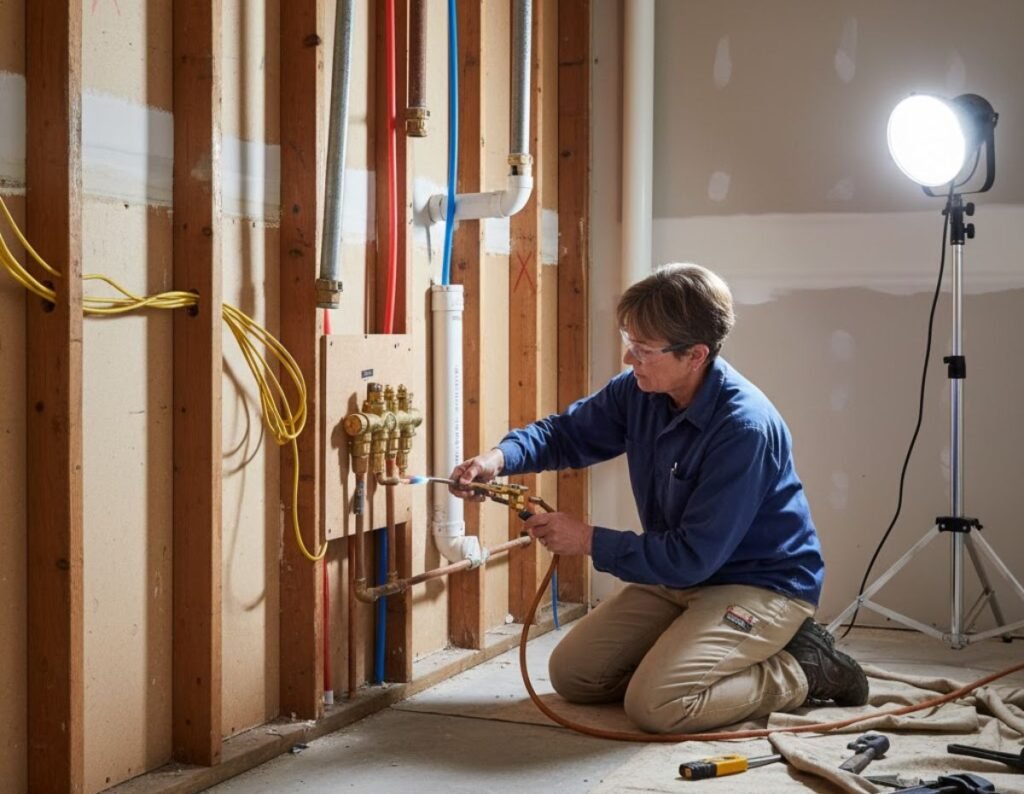
When You Might Need to Reroute Plumbing
Plumbing reroutes are not everyday projects they’re usually triggered by significant changes or problems. Here are common situations where rerouting becomes necessary:
- Slab Leaks: These are leaks in the pipes buried beneath concrete foundations. Rerouting avoids breaking through the slab, saving time and money.
- Home Renovations: Moving sinks, showers, or appliances during a remodel often requires rerouting to ensure proper connections.
- Foundation Repairs: When contractors need to stabilize or lift a foundation, they might recommend rerouting pipes to prevent future leaks.
- Room Additions: If you’re adding a new bathroom or laundry room, existing lines may need rerouting to accommodate new fixtures.
- Old or Damaged Pipes: Corrosion, pinhole leaks, or outdated materials (like galvanized steel) make rerouting a better long-term fix.
Essentially, any major structural or plumbing change that interferes with current pipe routes can trigger a need for rerouting.
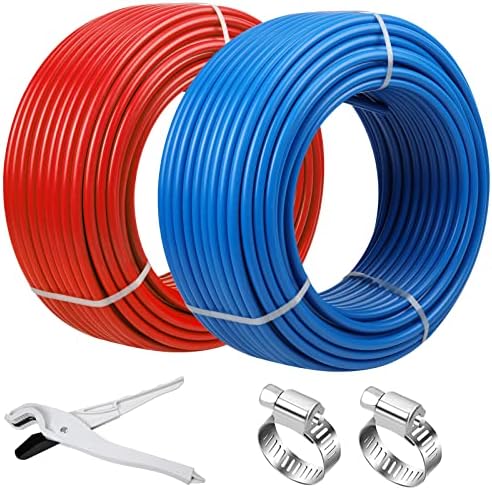
- 【Premium Pex Tubing】- Length: 100FT 2 Rolls,ID:1/2inch,OD:5/8inch,Thick: 0.7 mm The Pex Pipe Made of PEX material,crack-…
- 【Effortless Installation】-2 Rolls of X 100 Feet Tubing Compatible with different connection system,without any need for …
- 【Safety and Sturdiness】-min.5″ bending radius and smooth Inner wall, Features excellent flexible elastic and high-pressu…
Factors That Affect the Cost of Rerouting Plumbing
No two homes or plumbing systems are the same. That’s why rerouting costs vary widely. Here are the biggest factors that influence the final bill:
- Type of Pipes Used:
PEX is cheaper and easier to install than copper. Material choices can swing costs by hundreds of dollars. - Distance and Complexity:
The longer and more complex the reroute, the more it costs. A short reroute through drywall is much cheaper than tunneling under a slab. - Accessibility:
Pipes behind walls or beneath floors require more labor to access. Easy-to-reach attic reroutes are more affordable. - Labor Costs:
Plumbers typically charge $75 to $150 per hour, depending on location and expertise. - Permits and Inspections:
Some areas require permits for major plumbing changes, which can add $100–$400 to your total cost. - Restoration Work:
After rerouting, you may need drywall repair, painting, or floor patching, which increases the overall expense.
READ MORE: How Much Does a Plumbing Snake Cost?
Average Cost to Reroute Plumbing
On average, most homeowners spend between $1,000 and $3,500 to reroute plumbing lines. Here’s a breakdown of typical cost ranges:
| Type of Job | Average Cost Range |
| Minor reroute (1–2 pipes) | $650 – $1,500 |
| Mid-sized project (kitchen or bathroom remodel) | $1,500 – $3,500 |
| Full home reroute | $4,000 – $10,000+ |
| Under-slab rerouting | $2,000 – $7,000 |
Keep in mind, these figures are general estimates. Every home’s design, plumbing layout, and regional pricing differences can affect actual costs.
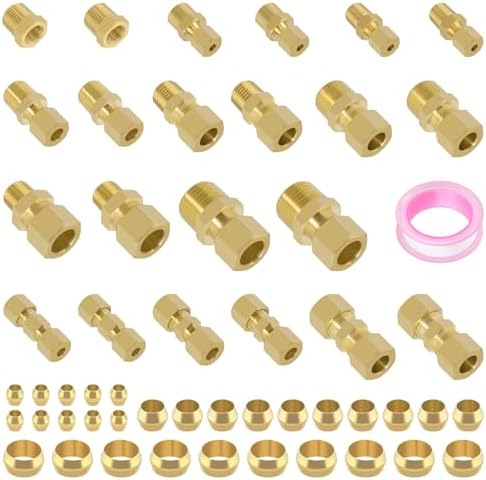
- 【HIGH QUALITY】 – Our compression fittings assortment kit is made of high-quality brass, with strong wear, corrosion resi…
- 【WIDELY USE】- Brass compression tube fittings meet specifications and standards of ASA, ASME asn SAE. Good sealing and r…
- 【WORKING PRESSURE & TEMPERATURE】 – 2000 PSI maximum working pressure, temperature range -65°F to +250°F (-53°C to +121°C…
Cost by Type of Plumbing Reroute
1. Rerouting Water Lines:
This usually costs $500–$2,000 depending on the number of lines and distance. PEX tubing is the most affordable material choice.
2. Rerouting Drain Lines:
Drain or sewer reroutes are more complicated because they require correct slope and venting. Expect to pay $1,500–$4,000, especially if excavation is involved.
3. Rerouting Under Slab Plumbing:
The most expensive type, typically costing $2,000–$7,000. Slab reroutes often require tunneling or overhead repiping to avoid damaging the foundation.
Rerouting Plumbing by Location in the Home
Different rooms present different challenges, which means costs vary.
- Bathroom Reroute: Moving a shower or sink line can cost $1,000–$3,000, while relocating a toilet (due to drain depth) can reach $4,000–$5,000.
- Kitchen Reroute: Moving water and drain lines for a new sink or dishwasher setup may cost $800–$2,500.
- Laundry Room Reroute: Expect $600–$1,800, depending on the distance from existing connections.
- Whole-Home Reroute: For older homes or slab leaks throughout the property, costs can rise to $6,000–$10,000 or more.
Cost Breakdown by Material Type
The type of pipe you choose is one of the biggest cost influencers when rerouting plumbing. Different materials vary not only in price but also in lifespan, ease of installation, and performance. Let’s look at the most common materials and their price ranges per linear foot:
| Pipe Material | Average Cost (Per Linear Foot) | Pros | Cons |
| PEX (Cross-Linked Polyethylene) | $0.50 – $2.00 | Flexible, affordable, easy to install | Not UV resistant, may not be accepted everywhere |
| Copper | $3.00 – $8.00 | Long-lasting, durable, resistant to bacteria | Expensive, labor-intensive, can corrode in acidic water |
| PVC (Polyvinyl Chloride) | $0.75 – $2.50 | Great for drain lines, inexpensive | Not suitable for hot water lines |
| CPVC (Chlorinated PVC) | $1.00 – $3.00 | Handles hot water, resistant to corrosion | Brittle over time, more expensive than PEX |
PEX is the most common choice for modern reroutes because it’s flexible and can weave through walls and ceilings without as much cutting or jointing. Copper, while more expensive, is still popular for its reliability and longevity ideal if you plan to stay in your home long-term.
PVC and CPVC are more often used in drain and vent reroutes. When planning your reroute, your plumber may mix materials to balance cost and performance for instance, using PEX for supply lines and PVC for drains.

- Complete Repair Kit: Contains 1 pieces repair putty(8.5oz), 2 inch wall repair patches(2pcs), 4 inch wall repair patches…
- Waterproof Formula: The drywall repair kit contains a waterproof wall mending agent that dries quickly and leaves no res…
- Strong Adhesion: Drywall repair patches are made from quality aluminum, making them lightweight yet strong and durable f…
READ MORE: How Much Does a Plumber Charge for a Hose Bib?
Labor Costs for Rerouting Plumbing
Labor is often the largest portion of the total bill sometimes up to 60–70% of the overall project cost.
Professional plumbers typically charge $75 to $150 per hour, depending on their experience and location. More complex jobs that involve cutting through concrete or repairing multiple walls can increase labor time significantly.
Here’s a rough idea of what to expect:
- Simple reroutes (one or two lines): 4–6 hours, or around $500–$1,000 in labor.
- Moderate reroutes (bathroom or kitchen): 1–2 days of labor, averaging $1,000–$2,500.
- Major reroutes (entire home or slab): 2–5 days of work, often $3,000–$5,000 or more in labor costs alone.
You might find cheaper rates from handymen or general contractors, but hiring a licensed plumber is always recommended for rerouting work. They ensure the job meets building codes and avoids future problems like leaks or pressure loss.
Cost of Rerouting Plumbing in a Slab Foundation
Homes built on concrete slabs often face one of the trickiest plumbing issues: slab leaks. When water lines under the slab develop leaks, accessing them means breaking through concrete floors a messy and costly job. That’s where rerouting comes in.
Instead of tearing up the foundation, plumbers bypass the leaking pipes by running new lines through the attic, ceiling, or walls. While this process still involves labor, it’s much cleaner and less invasive than excavation.
Here’s what you can expect to pay:
- Minor reroutes (single line): $1,000 – $2,000
- Multiple lines or full slab bypass: $3,000 – $7,000
- Slab tunneling (if needed): Add $200 – $500 per linear foot
The total cost depends on your home’s design, pipe routes, and accessibility. If your plumbing system is old, it’s often more economical to reroute all lines above the slab instead of repairing each leak one by one.
How to Save Money on Plumbing Rerouting
While plumbing reroutes can be expensive, there are several ways to cut costs without sacrificing quality. Here’s how:
- Plan Early: During remodels, coordinate with your plumber before walls and floors are finished. Early planning reduces unnecessary demolition later.
- Choose Cost-Effective Materials: PEX is usually the most affordable choice for rerouting, and it performs exceptionally well for most homes.
- Get Multiple Quotes: Always request at least three estimates from licensed plumbers. Comparing bids ensures you’re not overpaying.
- Combine Projects: If you’re already renovating a bathroom or kitchen, reroute plumbing at the same time to save on labor and permit fees.
- Maintain Accessibility: If possible, design reroutes through walls or ceilings instead of beneath slabs. Overhead rerouting typically costs less.
- Check for Rebates or Insurance: Some homeowner’s insurance policies cover slab leak reroutes. It’s worth verifying your coverage before paying out of pocket.
By being proactive and informed, you can easily save hundreds or even thousands of dollars on your plumbing reroute.

- 「UNIVERSAL」This tool meets ASTM 2098 standard will work with stainless steel clamps from any manufacturer to make PEX co…
- 「INNOVATIVE」New design makes it be a multi-function tool which can cinch clamps and remove the clamps from pipe to allow…
- 「DURABLE」The cinch&remove tool is constructed of durable high-quality steel with forging process to ensure integrated me…
READ MORE: Can You Use 90 Bends on Plumbing Vent Pipe?
DIY vs. Professional Rerouting
DIY plumbing can seem tempting, especially when faced with expensive repair quotes but rerouting is not your average weekend project.
DIY Pros:
- Lower labor costs
- Full control over timing and materials
DIY Cons:
- Requires knowledge of plumbing codes and pipe sizing
- Mistakes can cause serious water damage or pressure problems
- Permits and inspections may be required
- May void insurance coverage if not professionally installed
When to Hire a Pro:
- If you’re dealing with slab leaks or complex reroutes
- When rerouting involves multiple rooms or hidden pipes
- If your local building codes require licensed professionals
In most cases, the peace of mind and long-term reliability from a professional installation far outweigh the initial savings of a DIY job.
Hidden Costs You Might Not Expect
The rerouting price tag doesn’t always end with the plumbing work itself. There are often hidden or follow-up expenses homeowners forget to factor in:
- Permit Fees: Some municipalities require permits for reroutes, typically costing $100–$400.
- Drywall or Flooring Repairs: After rerouting, holes cut in walls or ceilings will need patching and repainting. Budget $200–$800 for restoration.
- Inspection Fees: Local authorities may charge $50–$200 for mandatory inspections.
- Appliance Reconnection: If water lines serve appliances like dishwashers or washing machines, reconnection may cost extra.
- Testing and Cleanup: Pressure testing the system and cleaning the work area can add another $100–$300.
When getting quotes, always ask your plumber if these costs are included to avoid surprises later.
READ MORE: What Are Plumbing Fixtures?
Signs You Should Reroute Instead of Repair
Sometimes repairing a pipe isn’t enough. If you’re facing frequent leaks or major remodels, rerouting may be the smarter and longer-lasting solution. Watch for these signs:
- Recurring Slab Leaks: Multiple leaks under the slab often indicate deteriorating pipes rerouting prevents future damage.
- Aging Pipes: If your plumbing is 40+ years old, rerouting may be cheaper than constant repairs.
- Major Remodeling Projects: Moving plumbing fixtures or walls almost always requires rerouting.
- High Repair Quotes: If your repair estimate is close to rerouting costs, choose rerouting it adds long-term reliability.
- Corrosion or Low Pressure: These often signal systemic pipe issues that simple repairs can’t fix.
Rerouting offers a permanent fix and adds value to your home by modernizing your plumbing system.
Questions to Ask Your Plumber Before Rerouting
Before committing to a project, make sure you’re fully informed. Here are some essential questions to ask your plumber:
- What’s included in your estimate materials, labor, permits, and restoration?
- Do you offer warranties or guarantees on the rerouted lines?
- How long will the job take from start to finish?
- Are there alternative routes that might lower the cost?
- What type of materials do you recommend and why?
- Will the reroute meet all local building and plumbing codes?
A good plumber should answer each of these confidently and transparently.
Conclusion
Rerouting plumbing might sound like a daunting expense, but in many cases, it’s a smart and cost-effective solution especially for slab leaks, home remodels, or aging pipes.
While prices vary depending on materials, accessibility, and labor, most homeowners spend between $1,000 and $5,000 for standard reroutes. The key to managing costs is planning ahead, comparing quotes, and working with a licensed professional who understands your home’s unique layout.
FAQs
1. How long does rerouting plumbing take?
Most small reroutes can be completed in 1–2 days, while full-house projects or slab reroutes may take up to a week.
2. Is rerouting cheaper than repiping?
Yes. Rerouting typically costs less because it replaces only the affected lines instead of the entire system.
3. Can rerouting prevent slab leaks?
Absolutely. By moving pipes above the slab, you eliminate the risk of future leaks beneath your foundation.
4. Does insurance cover plumbing reroutes?
Some homeowner’s policies cover rerouting if it’s related to a covered slab leak. Always check your policy details or consult your insurer.
5. How do I know if I need to reroute?
If you’re facing repeated leaks, poor water pressure, or a major remodel, a plumber can assess whether rerouting is the best option.

