A kitchen sink that drains slowly is more than just an annoyance — it’s a sign that something is wrong in your plumbing. Whether it’s greasy buildup, food debris, or a more serious blockage, a sluggish drain can disrupt your daily routine and lead to more serious plumbing issues if left untreated.
In this article, we’ll explore the common causes of a slow-draining kitchen sink, practical DIY solutions, when to call a plumber, and tips to prevent future clogs. Lets deep dive into “Kitchen Sink Draining Very Slowly? Step by Step DIY Fixes”


- Fruit Fly Control: Fly-Zyme’s powerful enzyme formula targets and eliminates the root cause of drain and fruit flies by …
- Powerful Clinging Action: The thickened bacterial enzyme gel clings to drain pipes and traps, effectively coating and di…
- Safe Formula: Fly-Zyme drain fly eliminator contains no harmful insecticides or poisons; It uses non-pathogenic microorg…
READ MORE: Best drain snake for home use — buyer’s guide for U.S. homeowners
Common Causes of a Slow-Draining Kitchen Sink
Understanding why your sink is draining slowly is the first step to fixing it effectively. Here are the most common culprits:
1. Grease and Fat Buildup
Grease, fats, and oils are notorious for causing kitchen sink clogs. While they might go down the drain in liquid form, they solidify as they cool and stick to the inner walls of the pipes. Over time, this creates a thick layer that narrows the drainage path.
2. Food Debris
Food scraps, especially starchy or fibrous items like potato peels, rice, or coffee grounds, can get trapped in the pipes. Even with a garbage disposal, certain items should be avoided to keep the drain clear.
3. Soap Scum and Detergent Residue
Regular dishwashing can lead to the buildup of soap scum and detergent residues, especially if you’re using hard water. These materials can bind with other debris and contribute to the clog.
4. Mineral Buildup
In hard water regions, minerals such as magnesium and calcium can accumulate inside the pipes over time, reduce the flow of water and lead to drainage issues.
5. Faulty plumbing or no ventilation
Sometimes, deep down within an entire system of plumbing is the cause. Inadequate pipe slope, poorly finished mesh or clogged air vent coupled with poor drainage speed are factors that can affect drainage speed.
Plumbing vents allow air into the drain lines and help wastewater flow freely; if they’re blocked, water will drain slowly or gurgle.

- Professional: This professional plumbers snake comes complete with 25 ft Steel, more than enough for most household clog…
- Easy to Use: The sewer snake spring is both flexible and tough to enable you to easily take tight bends, and the large c…
- Multiple Uses for Tackling Clogs: This snake drain clog remover is professional using for various drains such as kitchen…
READ MORE: Safe Enzyme Drain Cleaners — The Eco-Friendly Way to Keep Drains Clear
DIY Solutions for a Slow Kitchen Sink Drain
Before calling a plumber, there are several easy and affordable ways to try clearing the drain yourself.
1. Flush with Boiling Water
This is the simplest solution and can often work if the clog is caused by grease.
Steps:
- Boil a large pot of water.
- Slowly pour the hot water down the drain in stages, waiting a few sec between each pour.
This can help melt grease and loosen buildup.
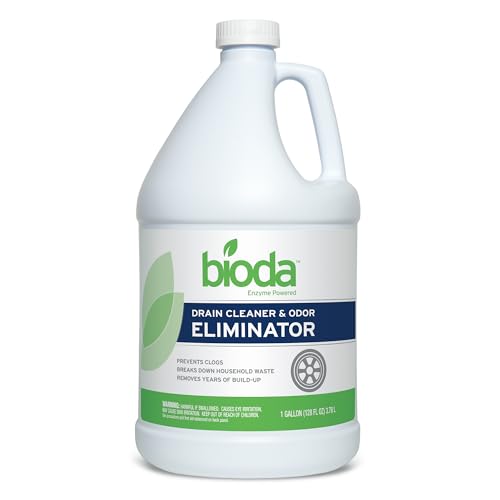
- END SLOW DRAINS: Stop clogs from ever building with a preventative probiotic and enzyme formula that digest organic wast…
- KEEPS DRAINS FLOWING: Our unique blend of enzymes and probiotics break down the buildups from grease, soap scum, and foo…
- PIPE AND SEPTIC SAFE: Our septic safe drain cleaner uses beneficial bacteria to break down clogs rather than harsh chemi…
2. Use Baking Soda and Vinegar
A natural and chemical-free way to break down minor clogs.
Steps:
Pour one or two cup of baking soda into the drain.
- Follow with 1 cup of vinegar.
- Let the mixture fizz and work for about 15 minutes.
- Rinse with hot water.
This method can break down organic matter and freshen up your drain.

- ENZYME ENHANCED FORMULA: Green Gobbler Enzymatic Drain & Grease Trap Cleaner uses an enzyme enhanced formula to clear bu…
- SAFE FOR PIPES: Green Gobbler helps maintain drain lines, septic tanks, grease traps and grease interceptors. Our enzyme…
- IMPROVE GREASE TRAP EFFICIENCY: Green Gobbler increases the efficacy of grease traps by allowing enzymes & bacteria to w…
3. Plunge the Sink
A sink plunger (different from a toilet plunger) creates pressure to dislodge the clog.
Steps:
- Fill the sink with a few inches of water.
- Position the plunger over the drain.
- Pump vigorously for 20-30 seconds.
- Eliminate the plunger and check if the water drains faster.
Tip: If you have the double sink, plug the other drain tightly while plunging to maintain pressure.

- The Master Plunger S4 is perfect for kitchen sinks, bathroom sinks, floor drains, showers, or bathtubs.
- The Master Plunger MPS4 Shorty, with its 4 cups of water displacement gives you double the plunging power as a standard …
- Made in U.S.A with high quality material
READ MORE: High Pressure Hydro Jetting for Kitchen Drains: Costs, Benefits & When to Use It
4. Clean the P-Trap
The P-trap is the U-shaped pipe behind your sink that catches debris to prevent it from going into the main plumbing system.
Steps:
- Place a bucket under the trap to catch water.
- Unscrew the connectors and remove the trap.
- Clean out any debris or gunk inside.
- Reattach and test the sink.
This is often effective for localized clogs right under the sink.
5. Use a Drain Snake or Zip Tool
A drain snake or plastic zip-it tool can reach clogs deeper down the pipe.
Steps:
- Insert the tool into the drain and install gently.
- Twist or pull out to catch debris.
- Repeat until the clog is cleared.
- Flush with hot water.

- UNIQUE DESIGN – With a distinctive 360 degree rotation, our 18-inch drain snake cleaner, featuring micro-hooks, locks in…
- EASY TO USE – Our easy-to-use drain opener works in 3 steps. Simply insert the wand, rotate the handle, and remove the c…
- DISPOSABLE WANDS FOR EASY CLEAN UP – just dispose of used wands effortlessly. Our snake drain hair clog remover includes…
READ MORE: What is Sewer Gas in Kitchen Plumbing?
When to Call a Plumber
If you’ve tried all the above methods and the sink is still draining slowly, it might be time to bring in a professional. Signs you need a plumber include:
- The clog keeps coming back.
- Water backs up into other drains (like the bathroom sink or tub).
- You hear gurgling noises from the drain.
- There’s a foul odor that doesn’t go away.
- Multiple drains in your home are slow at the same time.
These symptoms could indicate a more serious blockage in your main drain line or issues with the plumbing vents.
Preventing Future Sink Drain Clogs
Keeping your kitchen sink draining smoothly is mostly about good habits. Here’s how to avoid future clogs:
1. Avoid Pouring Grease Down the Drain
Instead, pour used oil and grease into a container, let it cool, and throw it in the dustbin. Wipe greasy pans with a paper towel before cleaning.
2. Use a Drain Strainer
A simple mesh strainer or drain basket can catch or keep food particles before they go down the sink.
3. Don’t Overuse the Garbage Disposal
While garbage disposals are handy, they aren’t designed to handle everything. Avoid putting fibrous vegetables, bones, pasta, or coffee grounds down the disposal.
4. Run Hot Water Regularly
After using the sink or disposal, run hot water for 20–30 seconds to help flush out any potential buildup.
5. Clean the Drain Monthly
Use baking soda & vinegar or a commercial enzyme cleaner once a month to break down any early buildup before it becomes a problem.
READ MORE: How to Clean Lint From Washing Machine Drain Hose (Step-by-Step for U.S. Homeowners)
Natural vs. Chemical Drain Cleaners
While chemical drain cleaners like Drano may seem like a quick fix, they can damage pipes—especially older or plastic ones—and are harmful to the environment. They also tend to offer only temporary relief. Natural methods or enzyme-based cleaners are safer and more sustainable options.
Frequently Asked Questions
Why is my kitchen sink draining very slowly?
A slow-draining sink is typically caused by accumulated grease, food debris, soap scum, or mineral deposits that constrict the pipe’s diameter over time.
How do I fix a slow-draining kitchen sink?
One of the safest and most effective methods is to pour ½ cup of baking soda down the drain, follow with 1 cup of vinegar, allow it to fizz for 15–20 minutes, then flush with boiling water.
Can grease cause my sink to drain slowly?
Yes. Grease and fats that go down the drain in liquid form solidify as they cool and adhere to pipe walls, gradually narrowing the passage for water to flow.
Is it safe to use baking soda and vinegar to unclog my sink?
Absolutely. Baking soda and vinegar are non‑corrosive, eco‑friendly, and safe for most types of plumbing, making them an excellent alternative to harsh chemical cleaners.
What’s the best way to plunge a kitchen sink?
Fill the basin with a few inches of water, position a cup‑style sink plunger over the drain to form a tight seal, and pump vigorously for 20–30 seconds to dislodge the clog.
How often should I clean my P‑trap?
For optimal performance, clean your P‑trap every 3–4 months—or at least once a month—by removing it, clearing out debris, and rinsing with hot water.
Are chemical drain cleaners safe for kitchen sinks?
Chemical drain cleaners can be corrosive to pipes, harm septic systems, and pose risks of skin or eye irritation, so they are not recommended for routine use.
Final Verdict
A blocked nasal kitchen sink is a common home problem, but doesn’t necessarily make it a plumbing disaster. By identifying the cause, applying the right DIY solutions, and by using smart preventive measures, you can run your kitchen effectively and avoid expensive repairs.
If home remedies don’t resolve the issue, don’t hesitate to call a licensed plumber—especially if the problem affects multiple drains or keeps returning.
Remember, your kitchen sink is one of the hardest-working parts of your home. Give it the care it deserves, and it’ll keep things flowing without a hitch.

