If you’re a U.S. homeowner shopping for a reliable heating system, Viessmann boilers stand out for their German engineering, top-tier efficiency up to 95% AFUE, and durable stainless steel components that can last 15-20 years with proper care. Popular models like the Vitodens 100-W and 200-W offer smart controls, quiet operation, and fuel flexibility for natural gas or propane.
While upfront costs run $5,000-$11,000 installed, they deliver long-term savings on energy bills potentially 20-30% lower than older units. Compared to brands like Bosch or Navien, Viessmann edges out on build quality and modulation tech, but expect higher parts prices. Overall, they’re ideal for cold climates or eco-conscious buyers; if reliability trumps budget, go for it just pair with a certified installer for best results.
What is Viessmann? (Brand Overview & Credibility)
Viessmann is a century-old German heating-system manufacturer with a strong global reputation. Its boilers, sold in the U.S. under the Vitodens (gas/LP condensing) and Vitorond/Vitola (oil-fired) lines, are known for durability and performance. Viessmann emphasizes high-quality stainless-steel heat exchangers and modulating burners.
In North America, Viessmann provides support through a network of trained dealers and offers generous warranties for example, most residential Vitodens boilers carry a limited lifetime warranty on major components.
These warranties and global industry awards underscore Viessmann’s credibility. Because their equipment is designed for efficiency and long life, Viessmann systems often qualify for energy rebates and federal tax credits if they meet 95% AFUE. Overall, Viessmann is viewed as a premium brand with excellent EEAT credentials, though it requires homeowners to budget accordingly and ensure proper installation.
Key Viessmann Boiler Families & Popular Models
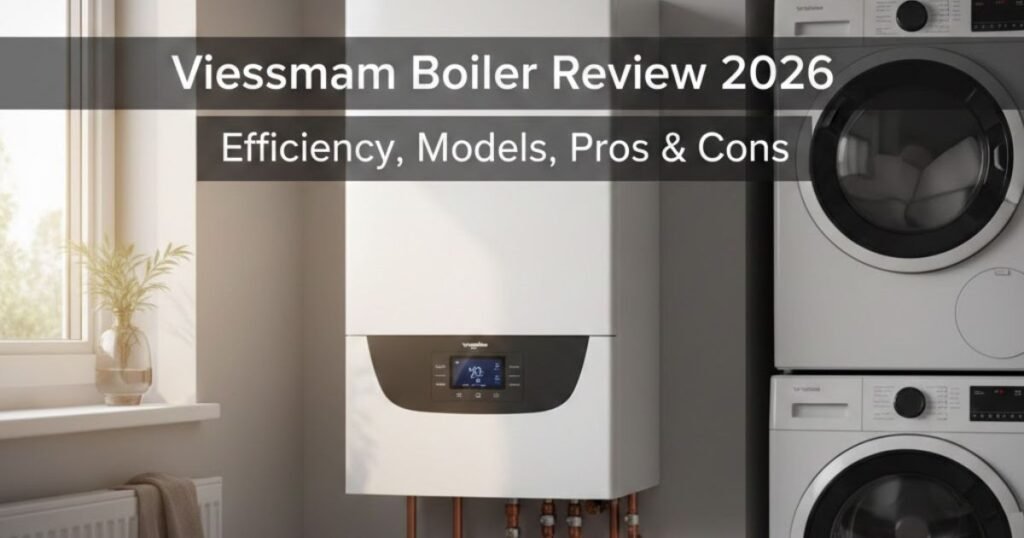
Viessmann’s boiler offerings split primarily into gas condensing boilers (Vitodens and Vitocrossal series) and oil-fired boilers (Vitorond series). In U.S. residential use, the Vitodens line is most common:
- Vitodens 100-W (Wall-Mounted Condensing Boiler)
A compact gas/LP condensing boiler rated at 95% AFUE. It uses a modulating MatriX-Plus burner and stainless steel Inox-Radial heat exchanger. The output range is 8.5–199 MBH (thousand BTU/hr), making it suitable for small to medium single-family homes. Key features include a built-in 3.5″ LCD controller, optional add-on DHW tanks, and WiFi connectivity for remote control. The 100-W is ideal for tight installations due to its light weight and zero side-clearance design. It delivers quiet operation and low NOₓ emissions (≤20 ppm) with full boiler modulating turndown (10:1) for efficient energy use. The 95% AFUE rating means it reclaims most flue heat via condensing. - Vitodens 200-W (Wall-Mounted Advanced Boiler)
The newer 200-W series (models B2HE/B2HA) ups the tech level. It spans 8.5–199 MBH input in smaller versions and 71–530 MBH in high-capacity models for large homes or light commercial use. All 200-W models maintain about 95% AFUE (with up to 98% condensing at part-load). They add a larger color touchscreen, built-in WiFi, and multi-zone capability (up to four circuits). The MatriX burner with Lambda Pro combustion management delivers up to 14:1 turndown (B2HE) or 6.5:1 (B2HA). These boilers automatically adjust for different gas qualities and vent lengths. The 200-W can even cascade up to 8 units (4,240 MBH total) for very large properties. Every 200-W model comes standard with outdoor reset control and ViCare app connectivity. Overall, Vitodens 200-W is Viessmann’s flagship for quiet, high-tech heating with ultimate efficiency in single- or multi-family systems. - Vitodens 222-F (Floor-Standing Combi Boiler)
The Vitodens 222-F combines space heating with on-demand domestic hot water (DHW). It is a floor-standing unit (zero wall clearance) with an integrated 26.5-gallon stainless-steel DHW tank. The heating input range is 12–125 MBH, good for moderate-size homes. It achieves up to 95% AFUE (98% condensing). The 222-F’s built-in tank and plate heat exchanger produce a high DHW output around 60 gallons in 10 minutes (3.3 GPM continuous) enough for multiple bathrooms. Modulation range is about 6.5:1, matching loads efficiently. It includes Vitotronic control with thermostatic mixing for DHW and space heating. This model is great for homeowners who want both heating and unlimited hot water from one compact unit. - Other Series (Vitocrossal & Oil Boilers)
For very large or commercial needs, Viessmann offers the Vitocrossal line. These floor-standing units use a vertical Inox-Crossal stainless steel heat exchanger and modulating MatriX burners, and can be cascaded up to 1,592 MBH (with no separate pump). All Vitocrossal boilers reach up to 98% AFUE and feature self-cleaning exchangers. They serve big apartment buildings or industrial sites, but can also be used in sizable residences.
Viessmann also makes oil-fired boilers. The Vitorond 100 is a cast-iron triple-pass oil boiler rated at 91–245 MBH for single-family to multifamily homes. It uses advanced burners and outdoor reset to achieve near-condensing efficiency and very low emissions. (An older Vitola 200 oil boiler exists as well.) These oil units are solid and efficient, though standard AFUEs run around 87–88%. Oil models carry substantial warranties on exchangers and parts.
Summary of Models: In practice, U.S. Viessmann buyers choose a model by size and DHW needs. Small homes often get a Vitodens 100-W; large homes or zones favor the 200-W. If space is limited, the 100-W’s compact design or the WiFi-enabled 200-W are popular. For new construction or renovations where unlimited hot water is needed, the 222-F combi is an option. If converting from oil or needing ultra-high output, look at Vitorond or Vitocrossal series. All have efficient modulating burners, robust stainless exchangers, and advanced control systems.
READ MORE: New Boilers Buying Guide for Homes and Businesses
Efficiency, Tech & Performance
Viessmann boilers are built as condensing boilers: they extract latent heat from flue gases by condensing water vapor back to liquid, improving thermal efficiency compared with older non-condensing boilers.
- Efficiency numbers: Many Vitodens models show AFUEs in the mid-90% range; some Vitodens models publish combustion efficiencies up to ~98% (the test metric can differ between combustion efficiency and AFUE; AFUE is the standardized seasonal metric often shown in spec sheets).
- Modulating burners & control: Viessmann uses modulating MatriX burners and advanced control logic to match output to demand, reducing short-cycling and improving fuel use. Advanced units offer multi-stage control of up to several heating circuits and outdoor reset.
- Heat-exchanger material: Many Vitodens models use stainless-steel Inox-Radial heat exchangers more corrosion resistant than some alternatives and designed for long life when maintained properly.
- Connectivity: Viessmann’s ViCare/ViConnect Wi-Fi offerings allow monitoring, basic diagnostics, and remote access a convenience and a troubleshooting aid for service techs.
Bottom line on performance: Expect tight temperature control, fuel savings vs older non-condensing boilers, and modern diagnostics provided the boiler is sized, installed, and commissioned properly.

Installation & Typical Costs
Installing a Viessmann boiler can be a significant investment, reflecting both the unit price and labor. As a premium brand, Viessmann equipment costs more than mass-market boilers. For rough guidance, a typical gas condensing boiler install (40–100 MBH) nationwide runs $4,000 to $10,000 all-in. (Complex installs with extensive piping or new venting may exceed this.)
For example, one study estimates a 2,000 ft² home (requiring ~60–100 MBH) spends about $5,000–$8,000 on the full install. Large homes or multi-zone systems naturally reach toward the higher end (or beyond $10k) depending on region and contractor rates.
Key cost factors include:
- Unit Price: Basic Vitodens boilers can list around $7,000–$10,000 (depending on output) just for the equipment in the U.S., as evidenced by distributor listings. (Higher-output models cost more.)
- Installation Labor: A licensed HVAC contractor typically charges $100–$150 per hour or more. Removing an old boiler, fitting the new one, and running any new gas/electrical lines can take a day or more. Complex tasks (like cutting new wall holes for PVC vents) add time and expense.
- Venting & Piping: Condensing boilers often vent with PVC (rather than costly metal chimney liners), which may lower costs. However, if switching from a non-condensing system, you may need to install a condensate drain line and ensure proper drain neutralization (often code-required). Also, code may mandate low-NOx setups. Any adjustments to the flue, chimneys, or gas meter add cost.
- Fuel Type: Natural gas and propane models cost similarly. Oil-fired boilers (Vitorond/Vitola) have separate burner components that may change price slightly. Converting fuels (e.g. installing a gas line where none existed) adds thousands more.
- Permits & Codes: Check local regulations. High-efficiency boilers may require mechanical permits. Urban areas like NY or CA often have stricter venting/code rules, raising cost. Permitting fees ($100–$500 depending on locale) and any required inspections should be budgeted.
- System Upgrades: Many installers recommend additional work for safety and efficiency. This can include power flushing old radiators, adding zone controls, or upgrading thermostats. While not boiler-specific, these improve performance and can add $1k+.
Because costs vary so much, it’s wise to get multiple quotes and insist on a detailed breakdown. Look for contractors experienced with Viessmann or certified by the brand. Installing a Viessmann boiler properly is crucial: its smart controls and sensors rely on precise configuration. When done right, you get the full 95%+ efficiency and long-term reliability. The upfront expense tends to be offset over time by fuel savings and durability (as noted, high-efficiency units can recoup thousands in energy costs over their lifetime).
Pros & Cons Viessmann Boiler
| Pros | Cons |
| Very high efficiency: Up to 95–98% AFUE condensing. | High upfront cost: Boiler + install can run 5–10k USD. |
| Premium components: Stainless heat exchangers, modulating burners for quiet operation. | Limited dealer network: Fewer installers than mainstream brands. |
| Smart controls: Large displays, WiFi/ViCare app, zoning. | Complexity: More parts (sensors, boards) can be intimidating to DIYers. |
| Compact design: Wall-hung (100/200) fits small spaces, floor models zero clearance. | Higher repair parts costs: Proprietary parts may be pricier. |
| Strong warranty: Limited lifetime (res.) on Vitodens. | Gas supply requirements: Some models may need 120V power or specific venting. |
| Quiet operation: Low-NOx burners, nearly silent fans. | Condensate drain needed: Extra plumbing for condensate disposal. |
(Summary: Viessmann boilers shine in efficiency, reliability, and features, making them excellent for discerning homeowners. Drawbacks are mainly cost, availability, and maintenance complexity.)
READ MORE: Noritz Tankless Water Heater Buying Guide
Viessmann vs Competitors (Comparison)
A quick comparison between Viessmann and two common boiler brands (Weil-McLain and Navien) in the U.S. market:
| Brand | Best For | Efficiency | Installed Price | Warranty | Quick Take |
| Viessmann | Upscale, efficiency-focused homes (single or multifamily), tech features. | Up to 98% condensing (95% AFUE) | Typically $6k–$12k (installed, depending on model) | Limited lifetime (residential) | Top performance and build quality, but premium price and fewer local contractors. |
| Weil-McLain | Mainstream US market; builders; wide range from small homes to larger systems. | Up to ~94% AFUE | Around $5k–$10k installed | ~5 years (parts/exchanger) with registration | Proven U.S. brand with broad support. Good value, though slightly lower max efficiency and quieter performance than Viessmann. |
| Navien | Condensing combi (space + DHW) for small-to-medium homes. | ~95% AFUE (ENERGY STAR) | About $6k–$10k installed (combining space & water) | Heat exch. 10y, parts 5y | Excellent tankless combi boilers with strong warranties. Fantastic for hot water, though repair parts can be expensive and installer knowledge is key. |
This table is a general guide: real costs and features vary. Viessmann leads on build and warranty, Weil-McLain on dealer access, Navien on DHW flow.
Maintenance, Troubleshooting & Warranty
Maintenance & service intervals
- Annual service: Condensing boilers should be serviced annually by a qualified HVAC/plumbing technician. Annual service keeps combustion parameters correct, condensate drains clear, and controls updated. Warranties often require proof of regular maintenance.
- DIY checks between services: Look for normal pressure, no strange noises, and clear condensate discharge; check for error codes on the control display. If you see persistent low pressure or error codes, call your installer.
Common issues & basic troubleshooting
- Low system pressure: Top-up per the manual or call your tech; repeated losses indicate leak or internal issue.
- Condensate blockages/freeze: In cold climates, condensate lines can freeze route and insulate properly and use heat tracing where necessary.
- Ignition/firing faults: Modern control panels show error codes technicians use these to diagnose gas valve, flame rod, or pressure sensor faults. Viessmann’s ViCare can simplify diagnostics for techs.
Warranty tips
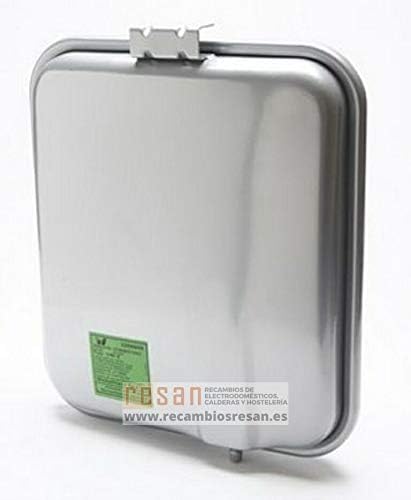
- Read the model warranty PDF: Viessmann provides specific warranty documents; pressure vessels on many Vitodens boilers are covered for up to 10 years, while parts warranties may be shorter and extendable on registration. Keep installation date, serial number, and proof of annual service to support claims.
Who Should Buy a Viessmann Boiler?
Viessmann boilers are ideal for homeowners who value efficiency, comfort, and long-term reliability and who are willing to pay for premium performance. They suit buyers who:
- Want lowest fuel bills via condensing tech (making up often ~2-5% efficiency over lesser brands).
- Appreciate quiet, precise modulation (e.g. if you have bedrooms near the boiler or zoned heat).
- Need both heating and strong DHW from one system (the 222-F combi, or pairing with a Viessmann tank).
- Like smart connectivity (to adjust thermostat remotely, track usage, and get alerts).
- Plan to stay in the home many years (so the upfront cost pays off) or care about environmental impact.
- Have well-insulated homes where a high-modulation boiler can run at low-fire for extended periods.
- Are converting from older boilers and want to maintain or improve comfort.
On the other hand, if budget is very tight or only minimal performance is needed, a basic boiler from a lesser-known brand might suffice. Also, ensure there is a qualified Viessmann installer in your area; otherwise, servicing can be harder to find. In summary, Viessmann is best for buyers who prioritize top-notch technology and build quality, and who will utilize the efficiency gains.
READ MORE: Ductless Heat Pump
How to Choose the Right Viessmann Model
- Determine Heating Load: Calculate your home’s heat loss (or ask an HVAC pro). This tells you what BTU output is needed. Vitodens models cover ranges from ~10 MBH (small condo) up to 300+ MBH (very large home).
- Fuel Type: Choose Natural Gas, Propane, or Oil. Viessmann offers direct LP models (no conversion kit needed) and also makes oil boilers if needed. Verify availability of gas/propane.
- Heating vs. Combi: Decide if you need a combi boiler (heating + on-demand DHW) or separate DHW tank. For unlimited hot water in a compact footprint, the 222-F combi is an option (it has a built-in 26.5-gal stainless tank). For just space heating, a wall-hung 100-W or 200-W is more efficient and costs less.
- Capacity & Modulation: For most single-family homes, the Vitodens 100-W or B2HE 200-W (8.5–199 MBH) cover the range. For very large homes, the B2HA 200-W (71–530 MBH) or cascading multiple 200-W units can be used. Ensure the modulating range suits your load: higher turndown (10–14:1) means more efficiency at low fires.
- Venting & Installation Site: If indoor space is limited, the compact wall units (100-W/200-W) are good. Check if you have room for a floor model (222-F) if going combi. Verify vent termination locations (must meet clearance codes) they can use PVC vent.
- Controls & Zones: If you have multiple heating zones or want remote access, ensure you pick a model with the right control panel. The 200-W comes with a 7″ touchscreen, 100-W with 3.5″ display, but you can add the ViCare app to any model. Decide how many heating circuits or pumps you need Vitodens 200-W supports up to 4 zones directly.
- Budget & Incentives: Balance performance with cost. There are federal tax credits for ENERGY STAR boilers (up to 95% AFUE) Viessmann condensing models qualify. Check local rebates for efficiency. Also, remember the long warranty (lifetime on exchanger) can save money on future repairs.
- Find a Certified Installer: Use Viessmann’s official contractor locator or ask local HVAC shops. A good installer can correctly size the boiler, set up controls, and navigate permits. Getting multiple quotes is wise; ensure each quote includes labor, venting, and any new parts.
Next Step: Review your requirements and consult with a qualified HVAC professional. Explain your home size, fuel availability, and whether you need DHW. A seasoned pro will recommend the right Viessmann model and ensure it meets local codes. When properly installed, a Viessmann boiler can keep you warm and save energy for decades.
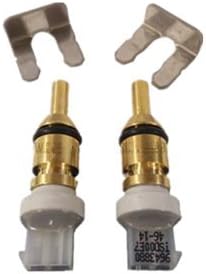
- Compatible with Vitodens 200-W B2HA 45/60/80/88/100/112/150 Series Residential Wall-Mounted Gas-Fired Condensing Boilers
- Compatible with Vitodens 200-W B2HB 45/57 Series Residential Wall-Mounted Gas-Fired Condensing Boilers
- Any adjustments, installations, service or maintenance must be completed by a licensed professional heating contractor w…
READ MORE: Infrared Heaters for Home
FAQ
Are Viessmann boilers energy efficient?
Yes. Viessmann’s Vitodens condensing boilers are high-efficiency units that often operate in the mid-90% AFUE range; some models report very high combustion efficiencies (manufacturers use different metrics). Efficiency gain vs old non-condensing boilers can significantly reduce fuel use.
What is a Viessmann Vitodens boiler?
Vitodens is Viessmann’s residential line of condensing gas boilers, available in wall-mounted and floorstanding formats, and in combi or space-heating variants. They feature stainless-steel exchangers and modulating burners.
How much does a Viessmann boiler cost to install?
Equipment prices for common Vitodens models are often in the $5k–$10k range, with total installed costs typically $6k–$12k+ depending on job scope, required venting, and labor. Get multiple quotes for your specific job.
Are Viessmann boilers reliable and long-lasting?
Viessmann is known for high manufacturing quality (stainless heat exchangers, good engineering). Longevity depends on correct installation, water quality, and regular maintenance; a Viessmann unit properly cared for can give many years of service.
What warranty does Viessmann offer?
Warranty terms vary by model and region: Viessmann’s documentation shows pressure-vessel protections up to 10 years for many models, with parts warranties that are model-dependent and sometimes extendable by registration. Always check the specific warranty PDF for the model you buy.
Can a Viessmann boiler replace my old non-condensing boiler?
Yes — many homes upgrade to condensing Viessmann boilers. Expect additional scope (condensate piping, possibly new venting, and control changes). Proper heat-loss sizing and a qualified installer are critical.
Do Viessmann boilers work in the U.S. and meet local codes?
Yes. Viessmann sells U.S-market models with documentation for local codes. Your installer handles permitting and compliance; verify model certification for your state/local requirements.
How often should I service a Viessmann boiler?
Annually. Regular service keeps combustion tuned, condensate drains clear, and warranty in good standing.
Are Viessmann combi boilers suitable for large homes?
Combi suitability depends on hot-water demand. Some Viessmann combi/floor models serve large homes, but for very high simultaneous DHW demand you may prefer a separate boiler + indirect tank or a high-capacity combi. Check GPM/DHW specs for the specific model.
Where can I buy Viessmann boilers and find certified installers?
Buy through authorized Viessmann dealers and distributors; Viessmann’s U.S. site offers contractor locators and dealer resources. Ask prospective installers about local Viessmann installs and warranty support experience.
Final Recommendation
In conclusion, Viessmann boilers are an excellent choice for U.S. homeowners seeking top efficiency, reliability, and modern features. Their strengths include industry-leading condensing performance (95–98% AFUE), quiet modulating operation, and smart controls – all backed by a strong warranty. These qualities translate into long-term comfort and energy savings, making up for the steeper initial cost. We recommend Viessmann if your budget allows and you plan to stay in the home long enough to enjoy the fuel savings. It’s especially fitting for well-insulated or large homes where higher-priced equipment quickly pays back its cost. If multiple quotes confirm that a Viessmann installation is feasible in your area, it can be a solid long-term investment. However, if cost or installer availability is an issue, you might also consider reputable alternatives like Weil-McLain or Navien (as discussed above) that offer good value.

