We often don’t think about our water heaters until the shower suddenly runs cold. For most homeowners, the gas water heater is a silent workhorse tucked away in a basement, garage, or utility closet. It sits there day after day, keeping gallons of water ready for your morning routine.
One of the most important parts of that system is the pilot light. This tiny flame is the “spark” that tells your heater it is time to get to work. Usually, that flame should be a steady, crisp blue. But what happens when you peek through that little viewing window and see a flickering gas water heater pilot light yellow instead?
If your pilot light has changed color, it is trying to tell you something. A yellow flame is rarely a good sign. It usually means the burner isn’t working as efficiently as it should. It can lead to higher energy bills, a lack of hot water, and in some cases, serious safety risks for your family.
In this guide, we are going to break down exactly why your yellow pilot light on gas water heater is happening. We’ll look at the causes, the safety concerns like carbon monoxide, and what you can do to fix it. Lets deep dive into “Why Is My Gas Water Heater Pilot Light Yellow? Causes & Fixes”


READ MORE: How to Relight Pilot Light on Water Heater
What a Normal Pilot Light Should Look Like
Before we dive into the problems, let’s talk about what “good” looks like. If you have a standard gas water heater, you should be able to see the pilot light through a small glass or plastic portal near the bottom of the tank.
A healthy pilot light should look like a small, bright blue torch. It should be steady and strong. The blue color indicates that the gas is burning “cleanly.” This means there is a perfect balance of fuel (natural gas or propane) and oxygen.
When the mix is right, the flame is hot and efficient. You might see a very tiny flick of orange or yellow at the very tip of the flame that is usually just a bit of dust burning off and isn’t a cause for concern. However, if the entire flame is yellow or orange, or if it looks “lazy” and wavy like a candle flame, you have a problem.
Remember these three traits of a healthy pilot:
- Color: Sharp, vivid blue.
- Shape: A consistent cone shape.
- Stability: It shouldn’t flicker or dance around wildly.
Why Is My Gas Water Heater Pilot Light Yellow? Causes & Fixes
When you see a gas water heater flame yellow, it means the combustion process is failing. Scientists call this “incomplete combustion.” In plain English, it means the gas isn’t burning all the way because something is blocking the process.
Here are the most common reasons U.S. homeowners deal with this issue:
1. Dirt, Dust, and Lint Buildup
This is the number one reason for a yellow flame. Most water heaters live in dusty places. Over time, your water heater acts like a giant vacuum, sucking in air from the floor to feed the flame. Along with that air comes dust, pet hair, and lint.
If dust gets into the pilot tube or the burner assembly, it clogs the tiny holes where the gas comes out. This restricts the flow and changes the color of the flame. Essentially, the flame is “starving” because of the gunk.

- Powerful Turbo Fan:WOLFBOX MegaFlow 50 electric air duster reaches speeds of up to 110,000 RPM, effectively removing dus…
- Economical and Reusable: Built from durable materials with a long-lasting battery, the WOLFBOX MegaFlow 50 is a sustaina…
- Portable and Lightweight: Weighing only 0.45 lb, this compact air duster is easy to carry. The included lanyard ensures …
READ MORE: How Does a Gas Water Heater Work?
2. Lack of Oxygen
Fire needs air to breathe. If your water heater is in a very small, cramped closet with no vents, it might use up all the available oxygen. Without enough fresh air, the flame can’t burn blue. It turns yellow and “lazy” as it struggles to stay lit. This is a common issue in newer, “air-tight” homes that don’t have enough makeup air.
3. Poor Ventilation and Blocked Vents
Your water heater has a vent pipe (the chimney) that carries exhaust fumes out of your house. If this pipe is blocked by a bird’s nest, a beehive, or even a heavy buildup of soot, the exhaust gases can’t escape. These “old” gases can push back down into the burner area, smothering the flame and turning it yellow.
4. Burner Problems
Sometimes the main burner itself is the issue. If the burner is old, it might have rust or corrosion on it. This rust can flake off and land right on the pilot light. It can also block the ports on the main burner, causing an uneven, yellow, and smoky flame.
5. Gas Pressure Issues
Your home’s gas lines provide a specific amount of pressure to your appliances. If the pressure is too low, the flame won’t have enough “oomph” to burn hot and blue. This could be a problem with your gas regulator or a sign that your gas company is having an issue in your neighborhood.
6. Moisture or Internal Rust
If your water heater is older, the metal inside can start to corrode. Moisture from the air or tiny, slow leaks can cause rust to form. When that rust gets into the combustion chamber, it changes the chemical makeup of the flame, often resulting in an orange or yellow glow.
7. Incorrect Fuel-to-Air Mix
Every gas appliance has an “air shutter” or a specific design to mix air with gas before it hits the flame. If this is out of adjustment, you’ll get too much gas and not enough air. This creates a “rich” mixture, which always burns yellow and produces a lot of soot.

- Combustible Gas Leak Detector: The TopTes PT199 detects natural gas, methane, propane, butane, LPG, and more, pinpointin…
- Visual and Audio Gas Alarm: Visual and audio alarms trigger within 0.5 seconds of gas detection. The alarm intensifies w…
- Batteries Included and Easy to Use: The TopTes PT199 includes 2x AAA batteries and is ready after a 30-second warm-up. T…
READ MORE: Why Does My Water Heater Keep Turning Off?
Is a Yellow Pilot Light Dangerous?
This is the most important question for any homeowner. The short answer is: Yes, it can be.
A yellow pilot light on gas water heater is a major warning sign. When gas burns blue, it produces mostly water vapor and carbon dioxide. These are relatively harmless (though they still need to be vented).
However, when gas burns yellow, it produces Carbon Monoxide (CO). Carbon monoxide is a colorless, odorless gas that is extremely toxic. Because you can’t see it or smell it, it is often called the “silent killer.”
If your pilot light is yellow, your water heater is likely leaking small amounts of CO into your home. If your venting is working perfectly, that CO might go outside. But if your venting is even slightly restricted, that gas stays in your house.
Signs of Carbon Monoxide exposure include:
- Dizziness or lightheadedness
- Unexplained headaches
- Nausea or “flu-like” symptoms
- Feeling tired or sleepy for no reason
- Pets acting strange or getting sick
Beyond the CO risk, a yellow flame is also a fire hazard. Yellow flames are “cooler” but produce a lot of soot. This soot can build up on the inside of your heater and eventually catch fire or cause the unit to overheat and fail.

READ MORE: How to Reset a Water Heater: Step by Step
How to Troubleshoot a Yellow Pilot Light
If you notice your water heater pilot light color is off, don’t panic, but don’t ignore it either. Here is a practical step-by-step guide for U.S. homeowners to troubleshoot the issue.
Step 1: Safety First
If you smell gas (a “rotten egg” smell), leave the house immediately and call your gas company. If you don’t smell gas but see a yellow flame, turn the gas control knob on the water heater to the “OFF” position. Let the unit cool down for at least 20 minutes before you touch anything.
Step 2: Clear the Area
Check the floor around the base of the water heater. Is there a pile of old rags, boxes, or laundry nearby? These can block the air intake. Clear everything away from the heater. It needs at least two feet of clear space all the way around it to “breathe” properly.
Step 3: Inspect for Dirt and Dust
Use a flashlight to look at the bottom of the heater. Many modern heaters have a “Flame Arrestor” screen at the bottom. This is a fine metal mesh designed to prevent fires. It often gets clogged with dust. Use a vacuum with a hose attachment or a soft brush to gently clean the dust off this screen.

Step 4: Check the Venting
Look at the metal pipe at the top of the heater. Ensure it is connected tightly and hasn’t rusted through. If you see any white powdery substance (corrosion) or dark soot around the joints, the vent is likely leaking or blocked.
Step 5: Look for Soot
Peek into the combustion chamber (where the flame is). If you see black, powdery soot covering the burner or the walls, your unit is definitely not burning correctly. This usually requires a professional cleaning.
Step 6: Test the Airflow
If the heater is in a small closet, try leaving the closet door open for an hour. If you relight the pilot and it turns blue with the door open, you know your heater is starving for air. You might need to install a louvered door to allow for better airflow.
Step 7: Observe the Flame
If you decide to relight the pilot (only do this if you feel comfortable and follow the manufacturer’s instructions on the tank), watch it closely.
- Does it start blue and then turn yellow?
- Does it dance around like there’s a breeze? (This means you have a draft or venting problem).
- Is it steady but yellow? (This usually means the pilot orifice is dirty).
READ MORE: Is It Safe to Turn Off Water to a Water Heater?
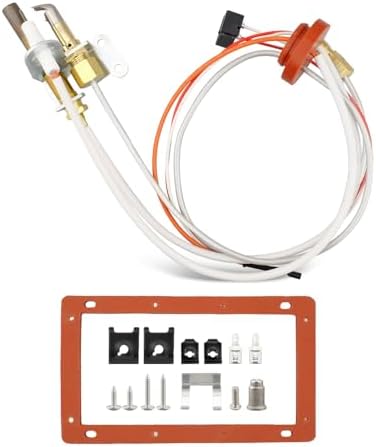
When to Call a Professional
We all love a good DIY project, but gas appliances are one area where you should be careful. There is no shame in calling a local plumber or HVAC technician. In fact, it’s often the smartest move.
You should call a professional if:
- The yellow flame keeps coming back: Even after you’ve cleaned the area and vacuumed the dust, the flame stays yellow.
- You smell something strange: Any metallic or “burning” smell is a bad sign.
- The pilot won’t stay lit: If the flame turns yellow and then goes out completely, your thermocouple (the safety sensor) might be failing.
- There is visible soot or rust: If you see black soot or heavy orange rust inside the burner area, the unit needs a deep clean that requires taking the burner assembly apart.
- You don’t have hot water: If the heater is “running” but the water is cold, the gas valve might be malfunctioning.
- Age of the unit: If your water heater is over 10–12 years old, a yellow flame might be a sign that the internal components are simply worn out.
A professional has the tools to measure gas pressure and check for carbon monoxide leaks that you simply can’t see.
How to Prevent the Yellow Pilot Light Problem
The best way to deal with gas water heater troubleshooting is to make sure the problems never start. Here are some simple tips to keep your flame blue and your water hot.
- Keep a Clean House: It sounds simple, but regularly sweeping and vacuuming the room where your water heater lives makes a huge difference. If there is less dust on the floor, there is less dust for the heater to “inhale.”
- Annual Maintenance: Once a year, have a plumber come out to “flush” the tank and inspect the burner. They can blow out the pilot tube with compressed air to keep it clear.
- Fresh Air is Key: Never box in your water heater. If you are building a closet around it, make sure you follow local building codes for “combustion air.”
- Install CO Detectors: Every home with gas appliances must have carbon monoxide detectors. Place one on every floor, especially near sleeping areas. This is your first line of defense if your pilot light starts producing toxic gas.
- Watch the Color: Make it a habit to peek at the pilot light once a month. If you catch a color change early, it’s usually a much cheaper fix.
READ MORE: Does a Gas Water Heater Need Electricity?
Safety Tips for Homeowners
When dealing with a why is my pilot light yellow situation, keep these safety rules in mind:
- Never bypass safety sensors: If your water heater keeps shutting itself off, it is doing that to protect you. Don’t try to “rig” the pilot to stay lit.
- Don’t use chemicals: Never spray cleaning chemicals or flammable liquids near the base of the water heater. The pilot light can ignite the fumes.
- Check your vent cap: After a heavy storm or high winds, check the vent cap on your roof. If it’s tilted or blown off, your heater won’t vent correctly.
- Respect the gas: If you aren’t 100% sure how to take apart a burner, don’t do it. Working with gas lines requires specific training and tools.
Conclusion
A yellow pilot light is a little like a “check engine” light in your car. It’s a signal that your gas water heater isn’t running at peak performance. While the cause is often something simple like a few dust bunnies or a lack of air, the potential for carbon monoxide makes it an issue you should never ignore.
By keeping the area clean, ensuring good airflow, and knowing when to call in the experts, you can keep your home safe and your showers hot. If you see that yellow glow, take action today. Your family’s safety and your home’s efficiency are worth the effort.
Frequently Asked Questions
Why is my gas water heater pilot light yellow instead of blue?
A yellow flame usually means the gas is not burning with the right air balance. Common causes include dirt, poor ventilation, blocked vents, burner problems, or rust.
Is a yellow pilot light on a gas water heater dangerous?
It can be. A yellow flame may signal incomplete combustion, which can create soot and raise carbon monoxide concerns. It should be checked soon.
Can I still use my water heater if the pilot light is yellow?
You should be careful. If the flame is yellow, it is best to inspect the unit and contact a professional if the color does not return to blue. Do not ignore repeated yellow flames.
What causes a yellow flame on a gas water heater?
The most common causes are dust buildup, lack of oxygen, poor ventilation, burner issues, gas pressure problems, and worn parts.
How do I fix a yellow pilot light on my water heater?
Start with safe checks. Look for dust, blocked vents, or poor airflow. If the flame stays yellow, call a plumber or HVAC technician to inspect the burner, venting, and gas system.

