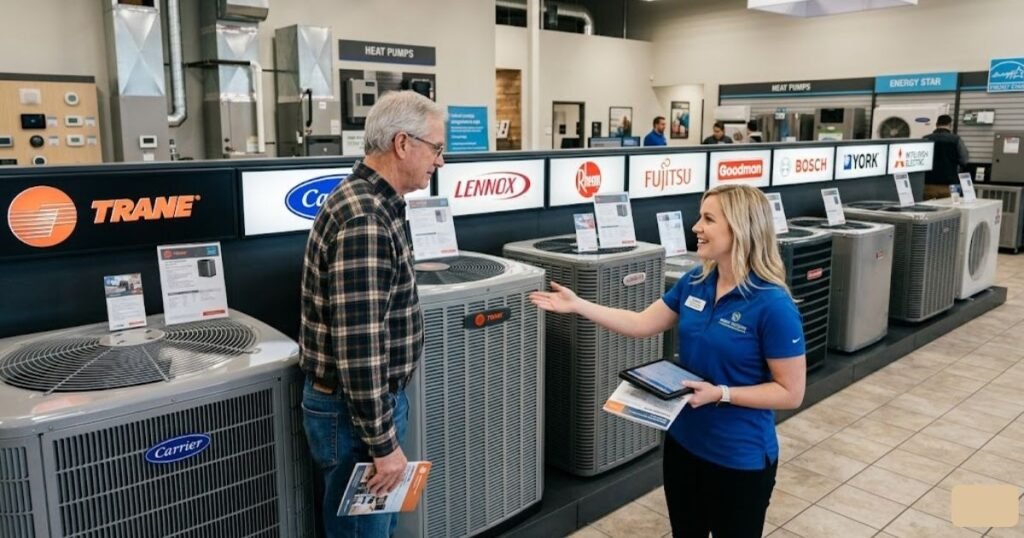
Choosing the right heat pump brand can make a big difference in comfort, energy savings, and long-term peace of mind. With so many brands on the market, homeowners often wonder which one offers the best mix of performance, value, and reliability. In this guide, we compare the top heat pump brands side by side so you can make a smarter decision for your home.
At its core, a heat pump is an all-in-one heating and air conditioning system. Instead of generating heat like a traditional furnace, it uses electricity and refrigerant to move heat from one place to another. In the summer, it pumps heat out of your house to keep it cool; in the winter, it pulls heat from the outdoor air (even when it feels freezing) and pushes it indoors to keep you warm. Because they transfer heat rather than burning fuel, they are incredibly efficient and can drastically lower your monthly utility bills.
Picking the wrong system can lead to years of high energy bills, frequent breakdowns, noisy operation, and an uncomfortable home. On the other hand, finding the best heat pump brands that match your specific climate and home layout ensures reliable comfort for over a decade. In this article, we break down the leading choices in plain, simple English—giving you an authentic look at how they stack up against each other. Lets deep dive into “Best Heat Pump Brands Comparison, Reviews, and Buying Guide”
READ MORE: Ultra Quietest Heat Pump for Your Home: Review, Comparison & Cost
What to Look for in a Heat Pump Brand
Before jumping into specific brand names, it helps to understand what separates a great heat pump from an average one. When performing a heat pump brand comparison, keep these essential factors in mind:
- Energy Efficiency: Look at the SEER2 (Seasonal Energy Efficiency Ratio) for cooling and HSPF2 (Heating Seasonal Performance Factor) for heating. Higher numbers mean lower utility bills.
- Heating and Cooling Performance: Some systems maintain consistent, steady temperatures using variable-speed technology, while basic systems cycle on and off abruptly.
- Noise Level: Sound is measured in decibels (dB). Premium units operate at a whisper-quiet level, whereas cheaper models can sound like a loud lawnmower outside your window.
- Climate Suitability: If you live in the northern USA where winters are harsh, you need a system specially designed for cold-weather performance. Homeowners in the South can prioritize cooling efficiency.
- Warranty Coverage: Most reputable brands offer a standard 10-year parts warranty when registered, but some offer unit-replacement guarantees or extended coverage on the compressor.
- Installation Quality: Even the most expensive brand will fail if installed poorly. The expertise of your local contractor matters just as much as the logo on the metal box.
- Brand Reputation & Long-Term Value: Does the manufacturer have a track record of durability, or do they cut corners with cheaper internal components?
- Availability of Parts and Service: Choosing a highly popular brand means local technicians can easily source parts and fix your system quickly if something breaks down in the dead of winter.
Heat Pump Brand Comparison Guide: Quick Summary Table
To help you scan the landscape quickly, here is a breakdown of how the top choices compare across key categories, designed specifically to help you find the best heat pump for homeowners in the USA.
| Brand | Best For | Energy Efficiency | Noise Level | Warranty | Price Range | Strengths | Possible Drawbacks |
| Carrier | Premium Ducted Comfort & Advanced Controls | Very High (Up to 26 SEER2 / 12.5 HSPF2) | Ultra-Quiet (As low as 51 dB) | 10-Year Limited Parts | Mid to High ($6,000–$12,500) | Greenspeed intelligence; superb humidity control; vast dealer network. | High upfront cost; proprietary parts can be pricey. |
| Goodman | Budget-Conscious Buyers & High Value | Moderate to High (Up to 17.2 SEER2 / 8.5 HSPF2) | Moderate (68–75 dB) | 10-Year Parts; Select Lifetime Compressor | Budget ($4,000–$7,500) | Highly affordable; excellent standard warranty; widely available parts. | Basic entry models are louder; highly dependent on installer skill. |
| Mitsubishi | Ductless Mini-Splits & Zoned Comfort | Exceptional (Up to 30.5 SEER2 / 12.5 HSPF2) | Whisper-Quiet (As low as 19 dB indoor) | 10–12 Years (Through elite dealers) | Premium ($5,000–$14,000+) | Industry leader in mini-splits; Hyper-Heating handles extreme cold (-13°F). | Expensive multi-zone setup; requires specialized technicians. |
| Lennox | Maximum Efficiency & Climate Precision | Industry-Leading (Up to 28 SEER2 / 11.8 HSPF2) | Extremely Quiet (Down to 56 dB outdoor) | 10–12 Years (Signature series) | High to Premium ($7,000–$13,500) | Unmatched efficiency ratings; incredibly precise climate control. | Expensive parts; proprietary smart thermostats required for full benefit. |
| Bosch | Smart Inverter Tech at a Fair Price | High (Up to 20 SEER2 / 10.5 HSPF2) | Very Quiet (Down to 56 dB) | 10-Year Residential Limited | Moderate ($5,500–$9,500) | Premium variable-speed inverter tech at a mid-tier price; highly compatible. | Fewer model options/tiers available compared to older brands. |
| Fujitsu | Cold-Climate Performance & Small Spaces | Exceptional (Up to 29.3 SEER2 / 14 HSPF2) | Whisper-Quiet (Down to 19 dB indoor) | 10–12 Years (Registered) | Mid to Premium ($4,500–$12,500) | Superb Halcyon low-temp performance; minimalist, sleek designs. | Primarily focused on ductless; limited standard ducted options. |
| Rheem | Balanced Performance & Reliable Simplicity | Good to High (Up to 20 SEER2 / 10.5 HSPF2) | Low to Moderate (As low as 54 dB) | 10-Year Parts; Conditional replacement | Mid-Range ($4,500–$8,500) | EcoNet smart monitoring; compact footprints; easy for techs to service. | Entry-level models feel basic and can be noticeably louder. |
| Trane | Long-Term Durability & Hard Wear | High (Up to 22 SEER2 / 10 HSPF2) | Quiet (Down to 54 dB) | 10-Year Parts and Compressor | Mid to High ($6,500–$12,500) | Climatuff compressors; spine-fin coils prevent leaks; rugged construction. | Strict installation criteria; parts must be genuine OEM Trane. |
General Note: Estimated prices include average professional installation costs across the USA. Actual quotes fluctuate based on home size, duct conditions, local labor rates, and regional climate incentives.
READ MORE: Best Ductless Mini Split Air Conditioner 2026: Review, Comparison, Cost & Buying Guide
Best Heat Pump Brand-by-Brand Reviews
Let’s dive deep into each brand to see how they perform in real-world scenarios, looking at their distinct advantages, shortcomings, and ideal homeowners.
1. Carrier Heat Pump
A premium industry pioneer targeting the upper end of the market with a heavy focus on high-end build quality and ultimate home comfort.
- Smart features and controls: Features Greenspeed Intelligence, which allows the system to adjust its capacity in precise 1% increments to maintain steady temperatures.
- Energy efficiency: Outstanding efficiency; runs continuously at low, energy-saving speeds rather than constantly cycling on and off.
- Noise level: Whisper-quiet system operation.
- Performance in different climates: Exceptional at removing humidity, making it ideal for sticky, muggy summer climates.
- Pros: Top-tier efficiency and climate control; advanced humidity removal; deeply established, highly trained nationwide dealer network.
- Cons: High upfront hardware and installation investment; expensive repair parts once the warranty expires.
Verdict: Best for long-term homeowners who want a premium, quiet system with immaculate humidity control and don’t mind paying more upfront for peak efficiency.
2. Goodman Heat Pump
The champion of practical value, focusing on reliable, no-frills, affordable HVAC equipment. Reliability was significantly upgraded after its acquisition by Daikin.
- Smart features and controls: Straightforward, basic controls; equipment is not locked behind restricted dealer networks.
- Energy efficiency: Solid and hardworking, though it lacks record-breaking SEER2 ratings.
- Noise level: Basic models lack the advanced sound-dampening technology of premium brands.
- Performance in different climates: Delivers dependable, everyday climate control without fuss.
- Pros: Most affordable upfront cost among major brands; fantastic warranty terms (including lifetime compressor coverage on higher-end models); universal parts availability makes repairs quick and cheap.
- Cons: Louder operational noise on entry-level models; sold to independent installers whose skill levels can vary.
Verdict: Best for budget-conscious homeowners, landlords, or anyone looking to replace a system before selling a property.
READ MORE: Best Ductless Mini Split Air Conditioner 2026: Review, Comparison, Cost & Buying Guide
3. Mitsubishi Heat Pump
The undisputed gold standard for ductless mini-splits and multi-zone comfort, perfect for homes without traditional ductwork.
- Smart features and controls: Uses intelligent INVERTER technology for precise, independent room-by-room zoned comfort.
- Energy efficiency: Highly efficient; once a room reaches its set temperature, it runs at ultra-low speeds using less energy than a standard lightbulb.
- Noise level: Unbelievably quiet indoor operation, running as softly as rustling leaves.
- Performance in different climates: A master of extreme cold. Hyper-Heating INVERTER (H2i) technology provides 100% heating capacity at 5°F and operates down to -13°F without backup electric heat.
- Pros: Flawless ductless design and zoned room control; ultra-quiet; legendary cold-weather heating performance.
- Cons: Outfitting an entire home with multiple indoor heads is highly expensive; requires meticulous installation by a certified Diamond Contractor.
Verdict: Best for modern builds, historic homes with no ducts, room additions, or anyone needing elite zoned performance in freezing climates.
4. Lennox Heat Pump
- Overview: A premium player that builds its reputation on sheer efficiency, with its Dave Lennox Signature Collection routinely claiming the highest efficiency ratings on the ducted market.
- Smart features and controls: Utilizes Precise Comfort technology to adjust output in 1% increments, maintaining temperatures within half a degree. Integrates beautifully with advanced air purification systems.
- Energy efficiency: Industry-leading SEER2 ratings designed to minimize electrical consumption and reduce environmental footprints.
- Noise level: Silent Comfort technology keeps the outdoor units remarkably quiet.
- Performance in different climates: Excellent for precise, continuous internal climate and airflow balancing.
- Pros: Unmatched energy-saving capabilities; impeccable temperature precision; premium indoor air quality integration.
- Cons: High equipment costs and premium dealer markups; highly proprietary parts that can take longer to ship during peak seasons.
Verdict: Best for homeowners living in regions with exceptionally high electricity rates who want absolute temperature precision and pristine indoor air quality.
READ MORE: Solar Powered Heat Pump Cost: USA Homeowner Guide to Savings
5. Bosch Heat Pump
A European-engineered brand that has taken the market by storm by bringing expensive, commercial-grade inverter technology down to an affordable residential price point.
- Smart features and controls: Highly versatile retrofitting capability; outdoor units pair seamlessly with almost any standard third-party indoor air handler and smart thermostat (like Nest or Ecobee).
- Energy efficiency: Exceptional variable-speed inverter efficiency without the luxury price markup.
- Noise level: Quiet, smooth, and elegant operation.
- Performance in different climates: The variable-speed inverter compressor automatically speeds up or slows down to match heating and cooling loads perfectly, eliminating temperature spikes.
- Pros: Premium inverter tech at a highly competitive price; universal smart thermostat and third-party compatibility; heavy-duty build.
- Cons: Streamlined product lineup means fewer customized models to choose from; relatively new to the ducted US market compared to legacy brands.
Verdict: Best for smart homeowners looking for the smooth performance of a premium inverter system without paying a luxury brand premium.
6. Fujitsu Heat Pump
A Japanese engineering powerhouse standing shoulder-to-shoulder with Mitsubishi in the ductless mini-split arena, favoring rugged, low-profile designs.
- Smart features and controls: Halcyon mini-split systems offer space-saving footprints designed for localized zoning control.
- Energy efficiency: World-class efficiency ratings, particularly for heating (HSPF2).
- Noise level: Highly quiet, low-profile performance.
- Performance in different climates: Heavily favored in northern climates for its ability to extract heat from outdoor air at temperatures well below zero.
- Pros: Elite heating efficiency; slim, modern indoor styling options that are less visually intrusive; outstanding sub-zero reliability.
- Cons: Certified local Fujitsu technicians can be tough to find in rural US regions; catalog focuses heavily on zoning rather than large, central-ducted homes.
Verdict: Best for homeowners looking for high-efficiency ductless heating and cooling, particularly those in northern states who value slim, modern visual aesthetics.
READ MORE: How Much Does Heat Pump Replacement Cost? (2026 USA Guide)
7. Rheem Heat Pump
A reliable, rock-solid, mid-priced brand that strikes a great middle-ground for everyday suburban homes.
- Smart features and controls: Features EcoNet, an integrated smart system that allows your heating, cooling, and water heater to communicate to optimize energy and deliver built-in diagnostics.
- Energy efficiency: Mid-tier models offer slightly lower SEER2 ratings compared to premium giants like Lennox or Carrier.
- Noise level: Built with a unique wrap-around composite base pan that dampens vibrations and significantly reduces noise.
- Performance in different climates: Durable casing stands up well against severe weather, wind, debris, and rust.
- Pros: Balanced, mid-ground pricing with highly reliable components; rust-preventative physical design; excellent smart diagnostics.
- Cons: Entry-level models are notably wider and bulkier than competitors; slightly lower efficiency in mid-tier options.
Verdict: Best for the typical homeowner looking for a balanced, durable, and easily maintained central ducted system built to last.
8. Trane Heat Pump
Famously rugged and durable (“It’s hard to stop a Trane”). Trane engineers and manufactures its own proprietary components for maximum structural longevity.
- Smart features and controls: Features high-quality proprietary components, including the trade-revered Climatuff compressor.
- Energy efficiency: Solid, dependable efficiency backed by heavy-duty engineering.
- Noise level: Stable, high-quality operation, though engineering focuses more heavily on ruggedness.
- Performance in different climates: Engineered for harsh climates, intense weather extremes, and corrosive environments.
- Pros: Legendary structural durability and lifespan; Spine Fin all-aluminum outdoor coils provide superior corrosion resistance; stellar long-term reliability records.
- Cons: Carries a premium price tag; requires a licensed Trane comfort specialist to maintain full warranty terms.
Verdict: Best for homeowners living in coastal, corrosive environments or areas with intense weather extremes who want a bulletproof system they never have to worry about breaking down.
READ MRE: Air to Water Heat Pump — Complete 2026 Buyer’s Guide (costs, brands, pros & cons)
Heat Pump Buying Tips for USA Homeowners
Buying a heat pump involves a lot more than just picking a brand name out of a hat. To make sure you get the absolute most out of your investment, keep these practical tips in mind during your shopping journey:
- Don’t Buy Based on Brand Alone: A poorly installed Carrier system will perform worse and break down faster than a perfectly installed Goodman system. Spend just as much time researching your local HVAC contractor as you do looking up the equipment brand. Look for NATE-certified technicians with glowing local reviews.
- Match the System to Your Home Size: An oversized heat pump will short-cycle, meaning it turns on and off constantly, wearing out the parts and failing to dehumidify your air. An undersized system will run constantly at maximum power, driving up your electric bill. Your contractor must perform an official “Manual J Load Calculation” to find the exact size your home requires.
- Consider Your Local Climate: If you live in Southern California, Florida, or Texas, you can buy a standard heat pump with high cooling efficiency (SEER2) and basic heating. If you live in Maine, Minnesota, or New York, you must prioritize high heating efficiency (HSPF2) and cold-weather inverter performance.
- Check for Local Rebates and Tax Incentives: Thanks to the Federal Inflation Reduction Act (IRA), USA homeowners can qualify for significant tax credits (up to $2,000 via Section 25C) for installing highly efficient heat pumps. Many local electrical utility companies offer additional cash-back rebates that can shave thousands off your final bill. Ask your installer for qualifying model numbers!
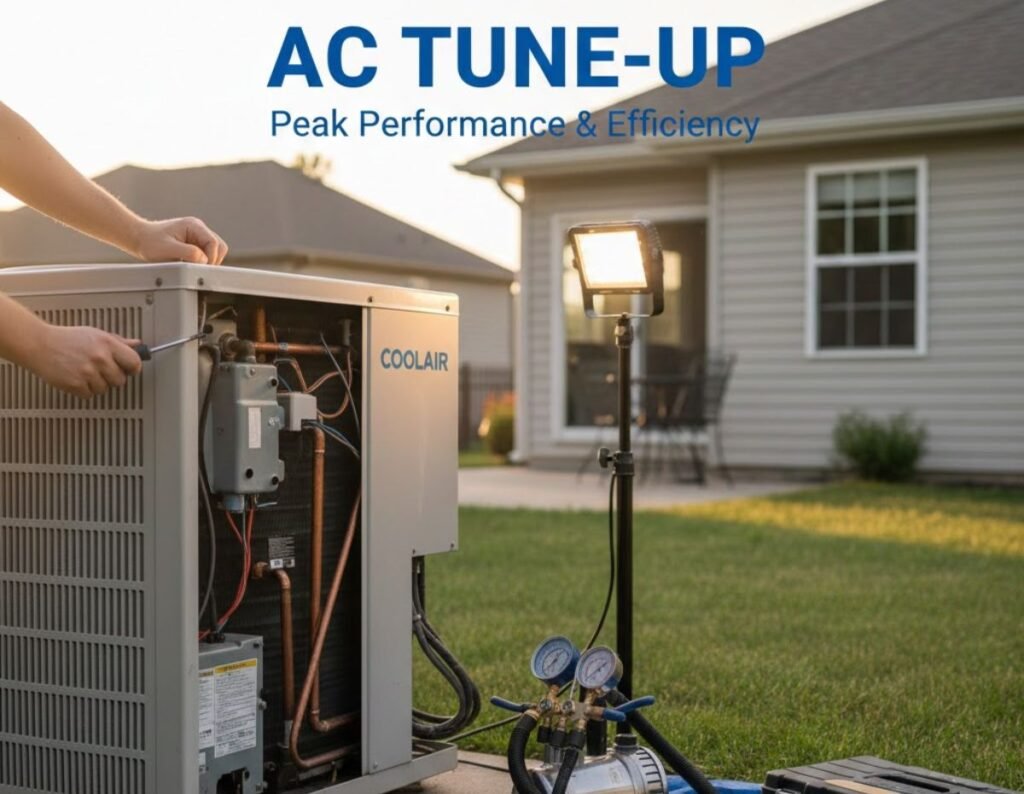
- Review Maintenance Requirements: Heat pumps work hard all year round since they handle both heating and cooling. To keep your warranty valid, make sure to change your air filters every 1 to 3 months and schedule a professional tune-up once in the spring (before cooling season) and once in the fall (before heating season).
READ MORE: Best Energy Star Smart Thermostats: Reviews, Comparison, and Buying Guide
While Buying a Heat Pump Common Mistakes to Avoid
When replacing a home comfort system, it is remarkably easy to fall into traps that cost you thousands of dollars down the road. Avoid these common mistakes:
- Choosing the Wrong Size: Never let a contractor guess your system size based solely on square footage. Every home has different windows, insulation levels, and ceiling heights that change the required heating and cooling load.
- Ignoring Installation Quality: Shopping around for the absolute cheapest bidder often backfires. Cheap installers skip crucial steps like flushing linesets, pulling proper vacuums, or balancing airflow, which causes premature system failure.
- Focusing Only on Upfront Price: A system that costs $1,500 less today but consumes 30% more electricity every single month will end up costing you significantly more money over its 15-year lifespan. Balance the purchase price against long-term operational savings.
- Not Checking Warranty Details: Most brands require you to register your new heat pump online within 60 or 90 days of installation. If you forget to do this, your 10-year warranty automatically drops down to a basic 5-year warranty. Always double-check that your installer registers the unit or do it yourself immediately.
- Overlooking Noise Level: If your outdoor heat pump unit is placed directly beneath an office or bedroom window, buying a loud, basic model will quickly drive you crazy. Check the decibel ratings before signing the contract.
FAQs
What is the best heat pump brand for homeowners?
There is no single best brand for every home. Carrier, Trane, and Lennox are strong premium options, while Goodman, Bosch, and Rheem can be better for value-conscious buyers. The best choice depends on your budget, climate, and comfort goals.
Is Carrier better than Goodman for heat pumps?
In general, Carrier is usually considered a more premium brand with more advanced comfort and efficiency options. Goodman is often chosen for affordability. Carrier may be better for homeowners who want premium performance, while Goodman may be better for homeowners who want lower upfront cost.
Are Mitsubishi heat pumps worth the money?
For many homeowners, yes. Mitsubishi is especially strong for ductless systems, quiet operation, and high efficiency. It may cost more upfront, but many buyers feel the comfort and performance are worth it.
Which heat pump brand is best for cold climates?
The best brand depends on the specific model, not just the name on the unit. That said, Carrier, Lennox, Mitsubishi, and Trane often offer strong cold-weather options. Always check the model’s low-temperature performance before buying.
How do I choose the right heat pump brand for my home?
Start with your budget, home size, climate, and ductwork setup. Then compare efficiency, warranty, noise level, and installer reputation. The best brand is the one that fits your home and is installed correctly.
Conclusion
At the end of the day, navigating a heat pump brand comparison doesn’t have to be overwhelming. By understanding your home’s unique needs whether you prioritize the rugged durability of a Trane, the record-shattering efficiency of a Lennox, the ductless perfection of a Mitsubishi, or the budget-friendly appeal of a Goodman you can choose a system that will keep your family safe and comfortable for years to come.
Remember, the logo on the metal box is only one part of the puzzle. A smart buying decision always balances the system’s efficiency ratings and warranty terms with the expertise of a high-quality installer. Take your time, gather multiple quotes from trusted local professionals, check for available federal tax credits, and pick the system that gives you the best combination of upfront value and long-term peace of mind. Happy shopping, and here is to a cozy, energy-efficient home!