If you’ve stepped outside lately, you’ve probably noticed more of those sleek metal boxes sitting next to your neighbors’ houses. Heat pumps are officially the “it” technology for American homes. Whether you live in a chilly corner of Maine or the sunny suburbs of Arizona, these systems are working overtime to keep you comfortable.
But like any hardworking machine, they need some love. If you own one, or you’re thinking about getting one, the big question is always: “How much is this going to cost me to maintain?”
Navigating HVAC pricing can feel like trying to read a map in a storm. In 2026, prices have shifted a bit due to new refrigerants and higher labor costs. This guide is here to clear the air. We’ll break down what you should expect to pay for heat pump service in the U.S. this year, why those prices exist, and how to keep your hard-earned money in your pocket. Lets deep dive into “Heat Pump Service Cost: 2026 Pricing Guide for U.S. Homeowners”
READ MORE: Heat Pump Not Cooling? Causes, Fixes & Homeowner Troubleshooting
What Does “Heat Pump Service” Actually Mean?
Before we talk dollars and cents, let’s be clear about what we mean by “service.” In the HVAC world, service is a broad term. It’s like saying you’re taking your car to the shop that could mean an oil change or a full engine rebuild.
For a heat pump, service generally falls into three buckets:
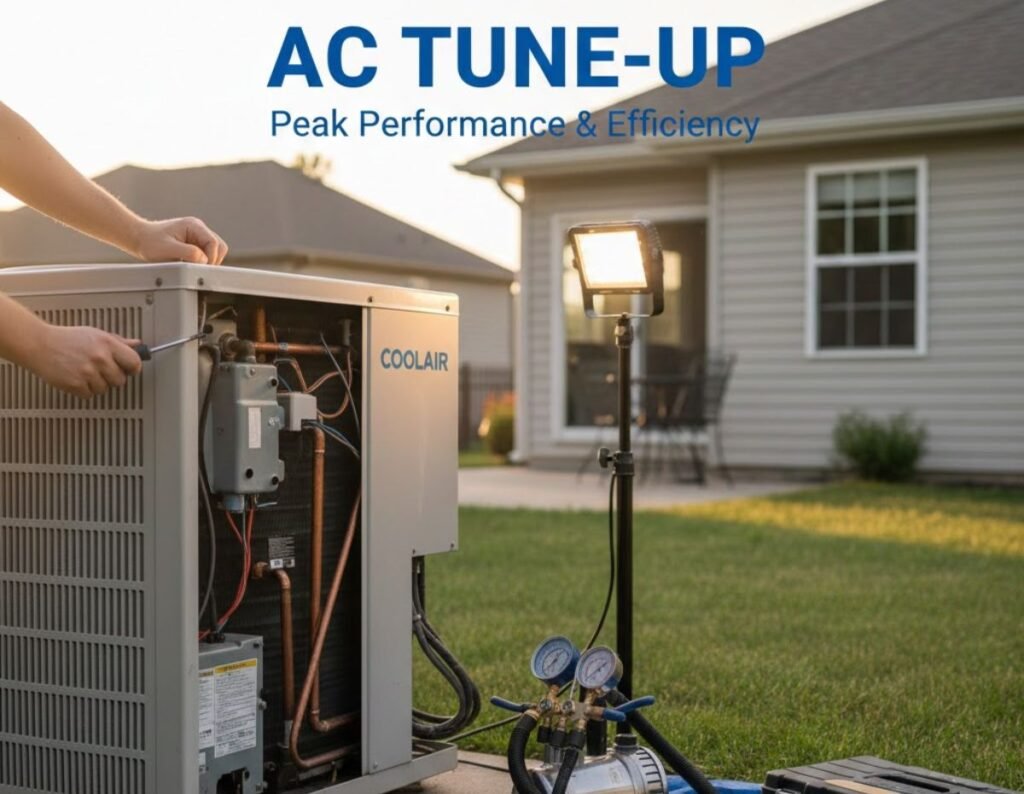
- Maintenance (The Tune-Up): This is your routine check-up. A technician comes out once or twice a year to clean the coils, check the electrical connections, and make sure everything is running efficiently.
- Minor Repairs: This is when something isn’t quite right. Maybe the fan is making a weird clicking sound, or a small sensor has gone bad. You’re calling because you need a specific fix.
- Emergency Service: This is the “middle of the night in January” call. Your heat has gone out, and you need a technician immediately to prevent your pipes from freezing.
Knowing which one you need is the first step in understanding your bill.
Heat Pump Service Cost: 2026 Price Breakdown
Let’s cut to the chase. What are the numbers for 2026? While prices vary by state you’ll likely pay more in San Francisco than in Little Rock here are the national averages.
Heat Pump Service Cost Summary
| Service Type | Estimated Cost Range |
| Average Routine Service/Tune-Up | $150 – $350 |
| Low-End (Simple Inspection) | $100 – $150 |
| High-End (Full Deep Clean/Diagnostic) | $400 – $600 |
| Emergency/After-Hours Call | $250 – $500 (plus parts) |
| Seasonal Maintenance Plan | $200 – $500 per year |
READ MORE: Heating and Air Conditioning Service Near Me: A Homeowner’s Guide
Average Service Cost
For most U.S. homeowners, a standard professional service call in 2026 will land somewhere around $200 to $250. This usually covers the “trip charge” (the cost of getting the pro to your door) and about an hour of labor to look over the system.
Low-End Cost
If you have a brand-new system and just want a quick “peace of mind” inspection, you might find local deals as low as $100. These are often “loss leaders” used by companies to get their foot in the door, so be prepared for them to suggest additional work.
High-End Cost
If your unit hasn’t been touched in three years and is caked in dust and pet hair, expect to pay $400 or more. This covers deep chemical cleaning of the coils and a more intensive electrical diagnostic.
Emergency or After-Hours Cost
Nobody plans for a breakdown on a Sunday evening. If you need a tech outside of the 8-to-5 window, expect a flat fee of $250 to $350 just for them to show up. This doesn’t include the actual cost of the repair or parts.
Seasonal Maintenance Cost
Many homeowners opt for a spring and fall “check-over.” When bundled together, these usually cost between $200 and $400 annually.
What Affects the Heat Pump Service Cost?
Why does your neighbor pay $150 while your bill is $300? Several factors play into the final number on that invoice.
1. Your Location
It’s the old real estate rule: location matters. If you live in a high-cost-of-living area like New York City or Seattle, labor rates are simply higher. Additionally, if you live in a remote rural area, you might pay a “travel fee” for the technician to drive out to your property.
2. The Age of Your System
Older systems often take longer to service. Parts might be harder to find, and there’s usually more dirt and wear to deal with. If your system is over 10 years old, the technician will likely spend more time checking for leaks or worn-out bearings.
3. The “Refrigerant” Factor
By 2026, the HVAC industry has fully transitioned to newer, more eco-friendly refrigerants (like R-454B or R-32). If you have an older system that still uses R-410A, the cost of adding “juice” to your system has gone up because that older refrigerant is becoming more scarce.
4. Accessibility
Is your outdoor unit buried behind a thorny rose bush? Is your indoor air handler tucked away in a tiny, cramped crawlspace? If a technician has to spend 20 minutes just to reach the equipment, that time is going to show up on your bill.
READ MORE: Weil‑McLain Boiler Reviews (2026) — Models, Costs, Pros & Cons
Common Service Types: A Comparison
It helps to know exactly what you’re paying for. Here is how different service levels compare in terms of what happens and what it costs.
| Service type | Typical cost | What it usually means |
| Basic tune-up | $100–$200 | Routine cleaning, inspection, and testing to keep the system running well. |
| Minor repair | $161–$660 | Small part replacement or a limited fix, often after a problem is found. |
| Major repair | $660–$2,000+ | Bigger mechanical, electrical, refrigerant, or duct-related work. |
| Maintenance plan | $150–$500 per year | Ongoing service agreement with scheduled visits and added benefits. |
When Should You Call for Service?
You don’t always need a pro, but sometimes waiting can turn a $200 fix into a $2,000 disaster. Here are the signs it’s time to pick up the phone:
- The “Vibe” is Wrong: Your house feels humid, or some rooms are warmer than others even though the system is running.
- Strange Sounds: If it’s grinding, squealing, or thumping, something is physically wrong. Heat pumps should be relatively quiet.
- Short Cycling: If the unit turns on for three minutes, shuts off, and then turns back on again, it’s struggling. This kills compressors.
- Ice Build-up: If you see ice on the outdoor coils during the summer, you have a problem (likely a leak or a massive airflow issue).
- The Utility Bill Spike: If your electric bill jumped 40% but the weather didn’t change much, your heat pump is likely working twice as hard as it should be.
READ MORE: What Size Heat Pump Do I Need? Homeowner Sizing Guide
How to Save Money (Without Being Cheap)
Maintaining a home is expensive, but you don’t have to overpay. Here is how to keep your heat pump costs down.
Change Your Own Filters
This is the single most important thing you can do. A clogged filter makes your heat pump work like it’s trying to breathe through a straw. Change it every 30 to 90 days. It costs $15 and can save you hundreds in repair bills.
Keep the Outdoor Unit Clear
You don’t need a pro to pull weeds or clear away dead leaves. Make sure there is at least two feet of clear space around your outdoor unit. This improves airflow and keeps the system from overheating.
Buy a Maintenance Plan
It sounds counterintuitive to spend money to save money, but these plans usually pay for themselves. Most companies will waive the “diagnostic fee” if you are a plan member, which can save you $100 the moment something goes wrong.
Schedule During the “Off-Season”
Don’t wait until the first 90-degree day in June or the first freeze in December to call. HVAC companies are swamped then. If you schedule your tune-up in March or October, you might find “early bird” discounts.
Check Your Warranty
Before you pay for a part, check your paperwork. Many heat pumps come with a 10-year parts warranty. You’ll still have to pay for the labor, but the expensive metal bits might be free.
Service vs. Major Repair: Know the Difference
It is important to understand that “service” usually means labor and minor consumables (like cleaning spray). Major repairs are a different beast.
If a technician tells you that your compressor or reversing valve is shot, you aren’t just looking at a service call anymore. You are looking at a “replace or repair” crossroads. In 2026, if a repair costs more than 50% of the price of a new unit and your unit is over 10 years old most pros will suggest a replacement.
Standard service is about maintaining value. Major repair is about resuscitating a dying system. Keep them separate in your budget.
READ MORE: Carrier Heat Pump Reviews (2026) — Models, Costs, Pros & Cons
Practical Tips for Homeowners
- Verify the License: Always make sure the tech is licensed and insured. In 2026, heat pumps are high-tech machines with sensitive computer boards. You don’t want a “handyman” messing with them.
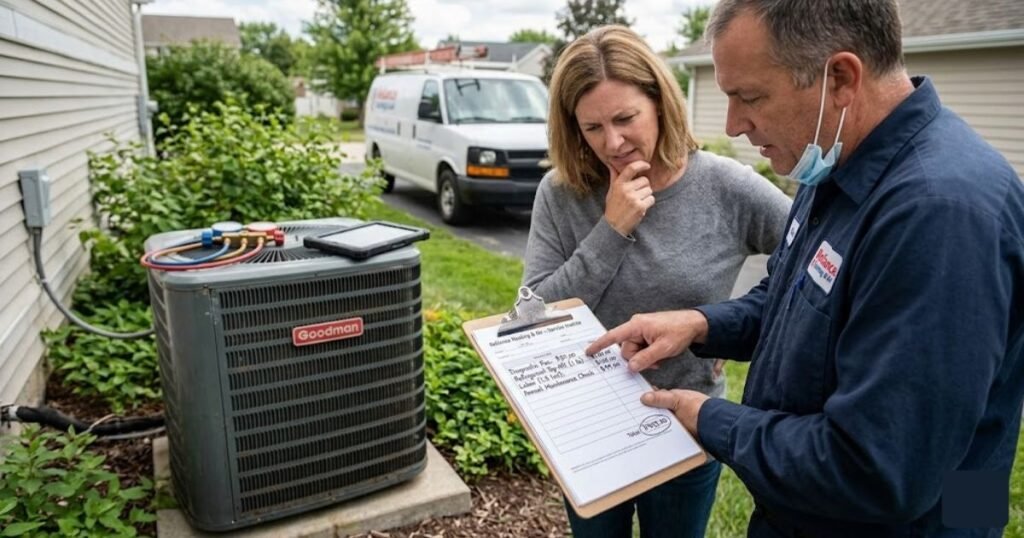
- Ask for a Written Estimate: Never agree to work based on a verbal “should be around $X.” Get it on paper or in a digital quote.
- Clear the Path: Before the tech arrives, make sure they can easily get to your thermostat, your indoor air handler (check the closet or attic!), and the outdoor unit. You’re paying for their time—don’t make them spend it moving your holiday decorations.
- Keep a Log: Stick a piece of tape or a magnetic notepad on your indoor unit. Write down the date of every service and what was done. This helps with resale value and helps techs diagnose recurring issues.
Pros and Cons of Regular Heat Pump Servicing
Still on the fence about spending $200 on a machine that seems to be working fine? Here’s a quick look at the trade-offs.
Pros
- Lower Monthly Bills: A clean system uses significantly less electricity.
- Longer Lifespan: You can get 15+ years out of a well-maintained unit versus 10 years for a neglected one.
- Fire Safety: Checking electrical connections prevents shorts and potential fire hazards.
- Warranty Protection: Many manufacturers require annual service to keep the warranty valid.
Cons
- Upfront Cost: It’s an out-of-pocket expense you have to plan for.
- Time Commitment: You usually have to be home for a 2-hour window to let the technician in.
- The “Upsell” Risk: You might run into a technician who tries to sell you things you don’t really need (like UV lights or fancy air purifiers).
READ MORE: Best Heat Pump Air Conditioner Review | Costs, Benefits & Value
Frequently Asked Questions
How much does heat pump service cost?
In 2026, U.S. homeowners should expect to pay between $150 and $350 for a standard service visit. This price covers a professional inspection and basic cleaning. If repairs are needed, the cost will increase based on the parts required and the time it takes to install them.
Is heat pump maintenance worth it?
Absolutely. Regular maintenance is worth it because it prevents expensive emergency breakdowns and keeps your energy bills low. Most homeowners find that the money saved on monthly utilities and the extended lifespan of the unit far outweighs the $200 spent on an annual check-up or tune-up.
Why is heat pump service so expensive?
Service costs reflect the specialized training required for modern HVAC technicians. In 2026, heat pumps use complex inverter technology and new, regulated refrigerants. The price covers the technician’s expertise, expensive diagnostic tools, insurance, and the rising cost of high-quality replacement parts and eco-friendly cleaning supplies.
How often should a heat pump be serviced?
You should have your heat pump professionally serviced twice a year—once in the spring before the cooling season and once in the fall before the heating season. Because heat pumps work year-round (unlike a furnace or AC), they accumulate twice as much wear and tear as other systems.
What is included in a heat pump service call?
A standard service call includes cleaning the outdoor and indoor coils, checking refrigerant levels, inspecting the condensate drain for clogs, and testing the electrical components. The technician will also check the thermostat for accuracy and ensure the defrost cycle and reversing valve are functioning correctly for the upcoming season.
Conclusion:
Owning a home is a journey, and your heat pump is the engine that keeps that journey comfortable. While nobody loves writing a check for maintenance, it is one of the smartest investments you can make in your property.
For 2026, a good rule of thumb is to set aside about $300 to $400 per year for heat pump “health.” This covers your two seasonal visits and leaves a little extra in the “slush fund” for a minor part replacement down the road.