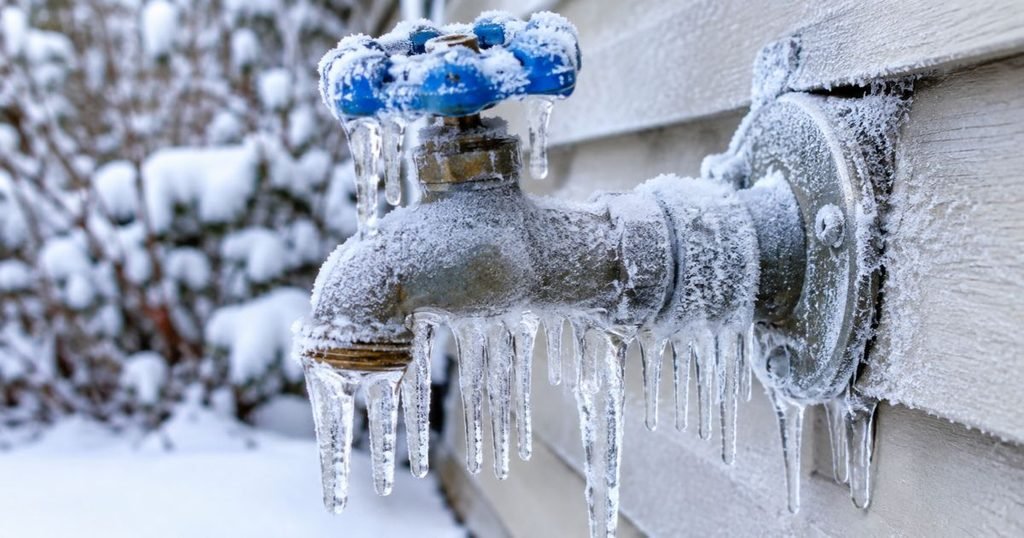
It is a crisp winter morning across much of the United States, and you head outside to water your plants, wash your car, or hook up a seasonal decoration, only to find your outdoor faucet frozen solid. When an outdoor faucet frozen situation strikes, it can quickly turn into a stressful winter plumbing emergency.
Across cold-weather states, dropping temperatures frequently catch homeowners off guard, leaving exterior plumbing vulnerable. When water inside a pipe or spigot turns to ice, it expands dramatically, putting immense pressure on the surrounding metal or plastic. If left unaddressed, this can lead to cracked hose bibs, split pipes, and hidden leaks inside exterior walls that cause expensive water damage.
In this comprehensive guide, professional plumbers break down exactly why this happens, how to thaw a frozen outdoor faucet safely, what to look for if a pipe bursts, and how you can protect your home for winters to come. Lets deep dive into “Outdoor Faucet Frozen? How to Thaw, Fix & Prevent Pipes”
Why Does an Outdoor Faucet Freeze?
Understanding the root causes of a frozen outdoor water faucet helps homeowners take proactive steps before sub-freezing temperatures arrive. Several distinct factors contribute to exterior plumbing freezing during the winter months:
- Trapped Water: Water naturally remains inside the valve body, pipe, or attached garden hose if it was not properly drained before freezing weather set in.
- Extreme Low Temperatures: When outdoor thermometer readings plunge below 32°F for extended periods, frost penetrates exterior walls and uninsulated cavities.
- Connected Garden Hoses: Leaving a standard garden hose attached traps water inside the spigot. As ice forms inside the hose, it backs up directly into the faucet valve and upstream pipe.
- Poor Exterior Insulation: Inadequate wall insulation or large gaps around the pipe entry point allow freezing drafts to sweep directly into the home’s structure.
- Standard vs. Frost-Free Design: Traditional spigots store water right at the exterior surface, making them exceptionally vulnerable compared to modern frost-free models.
When water freezes, it expands by approximately 9 percent. This expansion generates tremendous hydraulic pressure often exceeding 2,000 pounds per square inch which is more than enough to split copper, brass, or PVC piping wide open long before the ice even begins to melt.
READ MORE: How Much Does It Cost to Replace a Faucet?
Signs Your Outdoor Faucet Is Frozen
Spotting a frozen outdoor spigot early can save you from catastrophic water damage when the ice eventually thaws. Watch for these common warning signs around your property:
- Complete Lack of Water: You turn the handle, but no water comes out at all, or the flow stops abruptly.
- A Weak Trickle: Only a thin, stubborn stream or sputtering drops emerge from the spout.
- Stiff or Stuck Handle: The faucet handle feels unusually rigid, jammed, or refuses to turn.
- Visible Frost or Ice: A layer of frost, ice crystals, or a bulging layer of ice covers the metal body of the spigot.
- Unusual Water Pressure Changes: Inside fixtures near the exterior wall experience sudden pressure drops when other indoor taps are opened.
- Unexpected Indoor Leaking: After a brief warm-up, water begins dripping or gushing from the baseboard or basement wall directly behind the outdoor spigot.
Homeowners frequently confuse a frozen exterior line with a main water supply shut-off issue. If your indoor sinks and showers are running normally while your outdoor faucet won’t turn on in winter, the problem is localized to your exterior plumbing.
How to Thaw a Frozen Outdoor Faucet Safely
If you discover a frozen hose bib, taking immediate, controlled action is essential. Follow this step-by-step professional guide to thaw your plumbing without causing a burst.
Step 1: Disconnect the Garden Hose
Before attempting any warming, go outside and immediately disconnect any attached garden hose, nozzle, or splitter. If ice has formed inside the hose, unscrewing it relieves immediate pressure and allows melted water an exit route. Drain the hose completely and store it in your garage or shed for the season.
Step 2: Inspect the Outdoor Faucet
Carefully examine the spigot, handle, and surrounding siding for visible cracks, splits, or active weeping. If you see a gaping crack or a visibly split pipe body, stop immediately—the pipe has already burst, and applying heat will only cause a flood once the internal plug melts. In this scenario, keep your indoor water supply shut off and call a professional.
Step 3: Locate the Indoor Shut-Off Valve
Head indoors to find the dedicated interior shut-off valve that controls the water line leading to your outdoor spigot. This is usually located in the basement, crawl space, or utility room along the exterior wall where the outdoor faucet sits. Turn the valve clockwise to close it. This cuts off water pressure, ensuring that if a frozen water pipe outside gives way, you won’t flood your home.
Step 4: Apply Gentle Heat
To melt the ice plug safely, you must warm the pipe gradually. Never rush this process. Appropriate methods include:
- Hair Dryer: Set a household hair dryer to a medium or low heat setting and sweep it back and forth along the exposed pipe and faucet body.
- Warm Towels: Soak clean towels in warm (not boiling) water, wring them out, and wrap them snugly around the frozen spigot and pipe. Replace them as they cool.
- Electric Heating Pad: Wrap a portable heating pad set to a low or medium level around the pipe section.
- Approved Heating Cables: If installed in an accessible crawl space, manufacturer-certified pipe heating cables can provide steady, controlled warmth.
Step 5: Check Water Flow and Inspect for Leaks
Once the heat has been applied for several minutes and the handle turns smoothly, slowly open the outdoor faucet handle. Allow any melted water and trapped air to escape. Keep a bucket and towels handy. Watch the flow carefully for a steady stream, and inspect both the outdoor fixture and the indoor connection point for any signs of dripping or spraying.
Important Safety Warning: Never use a blowtorch, propane torch, kerosene heater, charcoal stove, or open flame to thaw frozen plumbing. Open flames create severe fire hazards, can ignite framing materials inside walls, and can cause superheated steam inside a closed pipe to explode violently. If the frozen section is hidden deep inside a wall or crawl space, contact a licensed plumber.
READ MORE: How to Thaw Frozen Pipes Safely: A Step-by-Step Guide
What to Do If Your Outdoor Faucet Is Frozen and Won’t Turn On
When an outdoor faucet is frozen solid, you might be tempted to muscle the handle with pliers or a wrench to force it open. Do not do this. Forcing a frozen handle places extreme torque on the valve stem and internal washers, easily snapping the metal components or shearing the valve assembly.
Before attempting any thawing, verify whether you can locate the interior shut-off valve. If the freeze has occurred deep within an exterior wall cavity where you cannot reach it with a hair dryer or warm towel, attempting a DIY thaw can be risky. If gentle external warming does not restore water flow within 15 to 20 minutes, the ice blockage is likely located further back inside the wall. At this point, shut off the main water supply to your house as a precaution and call a professional for frozen outdoor faucet repair.
What Happens If a Frozen Outdoor Faucet Bursts?
When homeowners ignore a frozen spigot or fail to thaw it correctly, the consequences can be severe. A frozen outdoor faucet pipe burst can lead to extensive and costly property damage, including:
- Cracked Hose Bibs: The metal housing of the spigot splits vertically or separates at the seams.
- Split Supply Pipes: Copper or PEX lines hidden inside wall cavities rupture under expansive ice pressure.
- Hidden Wall Leaks: Water leaks silently inside insulation and drywall, rotting wood framing and destroying interior finishes.
- Basement and Crawl-Space Flooding: Large volumes of water pour into lower levels of the home once indoor valves are opened or temperatures rise.
- Mold and Mildew Growth: Unnoticed moisture trapped inside wall cavities creates a breeding ground for toxic mold within 24 to 48 hours.
- Spiking Utility Bills: Undetected slow leaks or open fractured lines drive up monthly municipal water bills unexpectedly.
It is vital to remember that the actual point of pipe failure is frequently located several feet inside the warm envelope of the house, right where the cold exterior air meets the indoor insulation.
Outdoor Faucet Leaking After Freezing – What Should You Do?
If you successfully thaw your spigot only to find that your outdoor faucet is leaking after freezing, you are dealing with cold-weather damage. Common symptoms include:
- Handle Leaks: Water sprays or bubbles up around the packing nut or handle stem when the faucet is turned on.
- Spout Drips: A continuous drip emerges from the nozzle even when the handle is cranked tightly shut.
- Wall Seepage: Water trickles down the interior or exterior foundation wall during operation.
- Cracked Body: Hairline fractures or visible bulges appear on the brass valve casting.
When these symptoms appear, the internal washer, seat, or valve body has likely been warped or ruptured by ice. Immediately shut off the indoor supply valve to stop the leak. Depending on the extent of the damage, a plumber may need to replace the entire hose bib assembly or solder in a new section of supply piping.
READ MORE: How to Winterize an Outdoor Tankless Water Heater
How to Prevent Outdoor Faucets From Freezing
Preventing winter plumbing disasters is far easier and less expensive than dealing with a burst pipe. Implementing these proven prevention strategies will protect your home throughout the coldest months:
Disconnect and Drain Garden Hoses
As autumn transitions into winter, detach all garden hoses, timers, splitters, and nozzles. Store them indoors. Leaving a hose attached prevents the outdoor spigot from draining naturally, trapping water that guarantees a freeze.
Shut Off the Indoor Water Supply
Locate your home’s dedicated interior shut-off valve for the outdoor line. Close the valve completely. Then, head outside, open the outdoor faucet handle, and let every drop of residual water drain out. Leave the outdoor handle in the half-open position during the winter so any minor condensation can escape.
Install an Outdoor Faucet Cover
For standard spigots that lack a dedicated indoor shut-off, slip an insulated outdoor faucet cover over the fixture. These inexpensive foam or insulated fabric caps strap securely around the spigot, trapping ambient heat against the metal and blocking freezing winds.
Insulate Exposed Water Pipes
If your basement or crawl space features exposed water supply lines running near exterior vents or uninsulated rim joists, wrap them with foam pipe insulation sleeves or heavy-duty tape to protect against drafts.
Seal Gaps Around Exterior Plumbing
Inspect the spots where pipes penetrate your home’s exterior walls. Use silicone caulk or expanding foam insulation to seal any cracks, gaps, or holes around the pipe entry points, preventing cold outdoor air from chilling indoor plumbing.
Consider Installing a Frost-Free Hose Bib
If you live in a region with severe winters and your home still uses standard spigots, consider upgrading to a frost-free model. These fixtures feature an elongated valve stem that positions the actual shut-off washer deep inside the warm interior of your house, keeping standing water out of the freezing zone.
Standard Outdoor Faucet vs. Frost-Free Outdoor Faucet
To understand why modern homes perform better in freezing weather, it helps to compare traditional outdoor fixtures with frost-free alternatives.
| Feature | Standard Outdoor Faucet | Frost-Free Outdoor Faucet |
| Design | Basic outdoor valve attached directly to the exterior wall | Extended valve stem with an internal shut-off mechanism |
| Shut-off Location | Right at the exterior wall surface | Farther inside the heated structure of the home |
| Freezing Risk | Generally higher; water sits directly at the cold surface | Generally lower when installed with proper downward slope |
| Winter Maintenance | Requires indoor shut-off, draining, and insulated cover | Still requires hose removal and proper downward drainage |
| Installation | Usually simpler, direct connection | May require more involved interior plumbing work |
| Best For | Mild climates with rare hard freezes | Areas with freezing winters and sub-zero temperatures |
Even though a frost-free outdoor faucet significantly reduces freezing risks, homeowners must remember that leaving a garden hose attached traps water inside the extended barrel, neutralizing its frost-free design and causing a rupture anyway.
When Should You Call a Professional Plumber?
While minor thawing and basic winterization are manageable DIY projects, certain red flags require professional intervention. You should call a licensed plumber immediately if:
- Visible Cracks Exist: The faucet body, brass casting, or copper pipe is visibly split or cracked.
- Water Leaks Inside: Water is actively leaking behind drywall, baseboards, or inside insulation.
- Thawing Fails: No water flows even after applying gentle, prolonged heat correctly.
- Inaccessible Pipes: The frozen section of the pipe is located in an unfinishable wall cavity, frozen ceiling, or deep crawl space.
- Malfunctioning Shut-Off Valve: The indoor shut-off valve is stuck, stripped, or fails to stop the water flow completely.
- Multiple Fixtures Affected: More than one outdoor spigot or nearby indoor pipe is frozen at the same time.
- Uncertainty: You feel unsure about how to safely handle the plumbing repair or shut off your home’s main water.
Professional plumbers utilize advanced diagnostic equipment, electronic pipe thawers, and precision leak detection tools to resolve frozen plumbing safely without damaging your home’s structure.
READ MORE: How to Winterize Plumbing: Step-by-Step Guide for Homeowners
How Much Does It Cost to Repair a Frozen Outdoor Faucet?
Plumbing repair expenses vary based on the extent of the damage, regional labor rates, and how easily the plumber can access the affected pipes. While exact pricing changes by market, homeowners can generally anticipate the following cost categories:
- Outdoor Faucet Replacement: Replacing a standard hose bib typically ranges from modest service call fees plus parts and labor if the connection is easily accessible.
- Frost-Free Faucet Installation: Installing an upgraded frost-free spigot involves more labor, especially if interior drywall or siding modifications are required.
- Burst Pipe Repair: Fixing a split supply pipe hidden inside a wall requires cutting into drywall, repairing the pipe, and restoring the connection, which increases labor costs.
- Emergency Service Fees: Calling a plumber for an emergency nighttime or weekend thaw and repair during a severe freeze usually incurs higher after-hours rates.
- Water Damage Restoration: If a burst pipe causes interior flooding, secondary costs for water extraction, industrial dehumidifiers, and drywall repair can add up quickly.
Always request a clear, upfront estimate from a licensed plumbing contractor before approving major repairs.
Frequently Asked Questions
How do you thaw a frozen outdoor faucet quickly?
Use a hair dryer on a medium setting or wrap the spigot in warm, damp towels. Explanation: Applying gentle, gradual external heat melts the ice plug inside the valve without creating extreme thermal shock or fire hazards. Never use an open flame or blowtorch.
Should I turn on a frozen outdoor faucet?
No, keep the handle closed or in a neutral position until it is fully thawed. Explanation: Forcing a frozen handle can snap the internal valve stem, break plastic components, or worsen leaks once the ice melts.
Will a frozen outdoor faucet burst?
Not every frozen faucet bursts, but the risk is extremely high if left untreated. Explanation: As water turns to ice, it expands with immense pressure. If the ice has nowhere to push out, it splits the surrounding metal pipe or faucet body.
How do I know if my outdoor faucet pipe has burst?
Look for water spraying, dripping from walls, or failing to hold water pressure after thawing. Explanation: If water gushes from a split pipe or pools inside your basement ceiling or exterior wall right after thawing, the pipe has ruptured.
How do I keep my outdoor faucet from freezing in winter?
Disconnect hoses, shut off the indoor water supply, drain the line, and install an insulated cover. Explanation: Eliminating trapped water and blocking cold outdoor air from reaching the valve prevents ice formation entirely.
Final Thoughts:
Dealing with an outdoor faucet frozen solid is never fun, but acting quickly and safely can save your home from disaster. By understanding why exterior plumbing freezes, using gentle thawing techniques, and implementing proper winterization habits like disconnecting hoses and closing indoor shut-off valves, you can protect your property year-round. Don’t wait for the next deep freeze to inspect your exterior spigots. If you suspect a burst pipe, notice hidden leaks, or feel uncomfortable handling a stubborn freeze on your own, reach out to a qualified local plumbing professional today to keep your home safe, dry, and warm all winter long.

