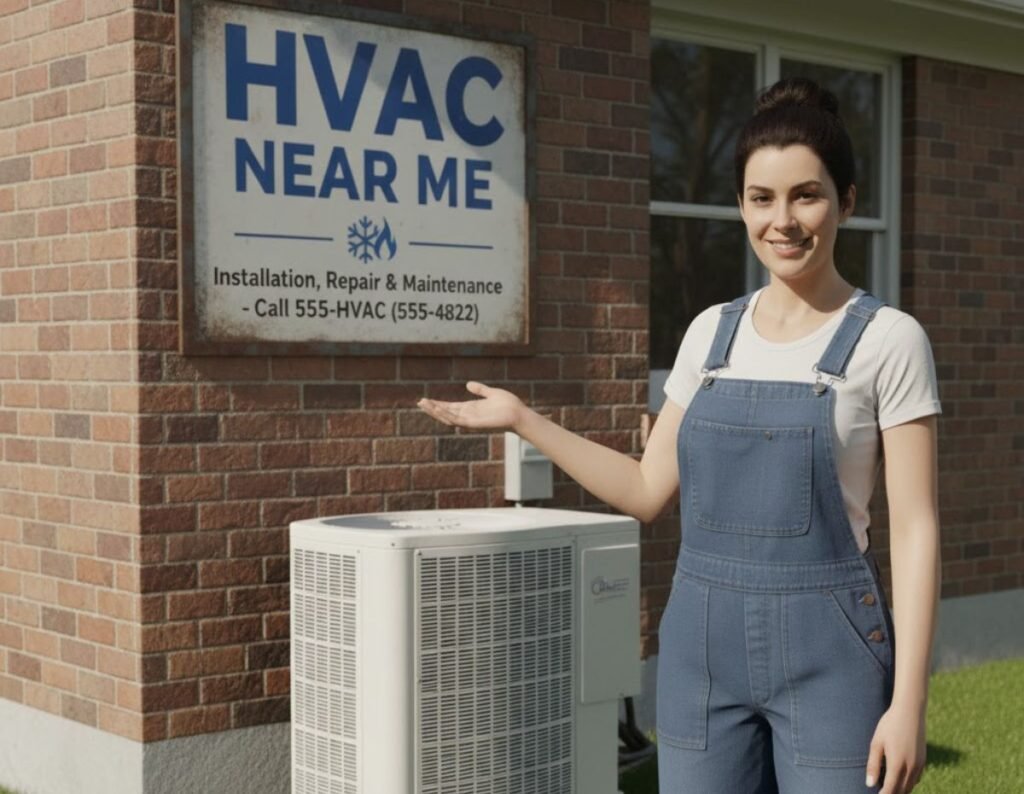
You already know how crucial trustworthy HVAC repair is if you’ve ever had your furnace break down on a chilly January night or your air conditioner stop working on a sweltering July afternoon. In much of the United States, heating and cooling systems are a need rather than a luxury. This is the point at which Comfort Heating and Air enters the discussion.
Homeowners across the U.S. often search for comfort heating and air when they’re looking for reliable HVAC solutions, professional technicians, fair pricing, and long-term peace of mind. Whether you’re installing a new system, replacing an aging unit, or simply scheduling routine maintenance, choosing the right HVAC provider makes a massive difference in comfort, energy bills, and system lifespan.
As someone who’s worked around HVAC professionals and homeowners for years, I’ve seen firsthand how quality heating and air services can transform a home. This guide is written from that real-world perspective not marketing fluff, not technical overload, but honest, practical information to help you understand what Comfort Heating and Air services typically offer, how they work, and whether they’re the right fit for your home.
By the end of this article, you’ll have a clear, confident understanding of Comfort Heating and Air services and how to make an informed decision for your home.

What Is Comfort Heating and Air?
Comfort heating and air refers to the integrated systems that regulate indoor temperature, humidity, and air quality to create a pleasant living environment year-round. At its core, it’s what we in the industry call HVAC—Heating, Ventilation, and Air Conditioning—but with a focus on “comfort” as the end goal. These systems go beyond basic heating or cooling; they ensure your home feels just right, without hot spots, drafts, or stuffy air.
In the USA, where climates range from freezing Alaska winters to humid Florida summers, comfort heating and air is essential for health and efficiency. According to industry data, about 90% of American homes rely on some form of HVAC for comfort. Why does it matter? Poor indoor climate control can lead to health issues like respiratory problems or sleep disturbances, and it racks up energy bills—U.S. households spend an average of $2,000 annually on heating and cooling alone.
Common use cases include central systems for whole-home coverage, ideal for families in suburban homes, or ductless options for apartments and older buildings without existing ducts. I’ve installed these in everything from cozy bungalows to sprawling ranches, and the key is matching the system to your lifestyle. For instance, in arid regions like the Southwest, evaporative coolers add moisture for extra comfort, while in the Northeast, radiant heating floors provide toasty warmth underfoot.
How Comfort Heating and Air Works
Let’s break it down simply comfort heating and air systems work by moving heat energy, not creating it from scratch. Think of it like a traffic cop directing warm or cool air where it’s needed.
First, the heating side: In a typical furnace setup, natural gas, electricity, or oil fuels a burner that heats air in a heat exchanger. A blower fan then pushes that warm air through ducts to vents in each room. For heat pumps, it’s different they pull heat from outside air (even in cold weather) and transfer it indoors using refrigerant lines. I remember a job in Michigan where we switched a client from an old gas furnace to a heat pump; it handled -10°F temps without missing a beat, all while cutting costs.
On the cooling front, air conditioners use a compressor to circulate refrigerant, absorbing indoor heat and expelling it outside via a condenser unit. Evaporator coils inside chill the air, and the blower distributes it. Ventilation ties it all together, filtering and circulating fresh air to remove pollutants.
Real-life example: Picture a Texas home in July. The AC kicks on when the thermostat senses rising temps, compressing refrigerant to cool coils. Air passes over them, drops in temperature and humidity, and flows out vents. Add smart features like zoning, and you can cool the kitchen while keeping the bedroom warmer perfect for that family where one person runs hot and the other cold.
The basics boil down to thermodynamics: Heat always moves from warm to cool areas. Systems exploit this with fans, coils, and controls. Maintenance is key; dirty filters block airflow, making everything work harder. From my experience, a quick annual tune-up prevents 80% of breakdowns.
READ MORE: HVAC Near Me
Benefits of Comfort Heating and Air
Choosing a reputable Comfort Heating and Air provider offers both short-term comfort and long-term value.
Key Benefits
- Consistent indoor comfort year-round
- Lower energy bills through efficient system operation
- Longer equipment lifespan with proper maintenance
- Improved indoor air quality
- Fewer emergency breakdowns
- Professional diagnostics and expert repairs
Expert Insight
From experience, the biggest difference between average and excellent HVAC service is preventive care. Homeowners who schedule annual maintenance with Comfort Heating and Air professionals often avoid the most expensive repairs altogether.
Key Features to Look For in Comfort Heating and Air Services
Not all HVAC companies are equal. When evaluating Comfort Heating and Air providers, these features matter most.
Must-Have Features
- Certified and licensed technicians
- Experience with multiple HVAC brands
- Transparent pricing
- Emergency service availability
- Maintenance plans
- Energy-efficient system options
Nice-to-Have Extras
- Smart thermostat installation
- Indoor air quality testing
- Financing options
- Extended warranties
READ MORE: Electrician Near Me
Comparison Table: Comfort Heating and Air vs Other HVAC Options
| Feature | Comfort Heating and Air Services | Independent HVAC Contractor | National HVAC Chain |
| Service Scope | Full-service heating & cooling | Often limited | Full-service |
| Pricing (Approx.) | $$ – $$$ | $ – $$ | $$$ |
| Personalized Service | High | Medium | Low |
| Technician Consistency | High | Variable | Variable |
| Emergency Availability | Often available | Limited | Available |
| Best Use Case | Homeowners wanting reliability | Small repairs | Large-scale installs |
| Pros | Trusted, balanced service | Lower cost | Brand recognition |
| Cons | Slightly higher than solo techs | Skill varies | Higher prices |
Pros and Cons of Comfort Heating and Air
Comfort heating and air systems are game-changers, but like anything, they’re not perfect. Here’s a balanced take from my years on the job.
Pros
- Professional, trained technicians
- Comprehensive HVAC solutions
- Reliable scheduling and follow-up
- Strong focus on homeowner comfort
- Preventive maintenance expertise
Cons
- Pricing may be higher than handyman-level repairs
- Not all locations offer 24/7 service
- Premium systems come with higher upfront costs
Cost Breakdown (Approximate)
- Service call: $75–$150
- Furnace repair: $150–$800
- AC repair: $150–$1,200
- New HVAC system: $5,000–$12,000+
- Annual maintenance plan: $150–$300
READ MORE: Electric Company Near Me
Best For Summary
Comfort Heating and Air is best for homeowners who value reliability, professional service, and long-term system performance over the cheapest upfront price.
Real Customer Review
Jason, USA
“We called Comfort Heating and Air when our furnace stopped working during a cold snap. The technician showed up on time, explained everything in plain English, and fixed the issue the same day. What really impressed me was that he checked the entire system, not just the broken part. It wasn’t the cheapest quote, but the service felt honest and professional. I’d rather pay a little more and know it’s done right.”
Expert Tips: How to Choose the Right and Air Provider
After years of seeing good and bad HVAC experiences, here’s what truly matters.
Practical Tips
- Always ask about technician certifications
- Request a written estimate before work begins
- Avoid companies that push replacements immediately
- Look for maintenance plans, not just repairs
- Ask about energy-efficiency options
Personal Insight
In my experience, the best Comfort Heating and Air companies educate homeowners instead of pressuring them. If a technician explains why something needs repair, that’s usually a good sign.
Common Mistakes to Avoid
Many homeowners unintentionally shorten their HVAC system’s life.
Avoid These Mistakes
- Skipping annual maintenance
- Ignoring unusual noises or smells
- Choosing the cheapest quote without checking credentials
- Forgetting to replace air filters regularly
- Oversizing or undersizing HVAC systems
FAQs
1. Is Comfort Heating and Air worth the cost?
Yes, for homeowners who want dependable service, professional installation, and long-term system reliability, Comfort Heating and Air services are generally worth the investment.
2. How often should I schedule HVAC maintenance?
Most experts recommend twice a year once before summer for AC and once before winter for heating.
3. Does Comfort Heating and Air offer emergency services?
Many Comfort Heating and Air providers offer emergency or same-day services, especially during extreme weather.
4. Can Comfort Heating and Air help lower energy bills?
Absolutely. Proper maintenance, efficient systems, and smart thermostats can significantly reduce energy costs.
5. What HVAC systems do Comfort Heating and Air technicians work on?
Most technicians service furnaces, central AC units, heat pumps, ductless systems, and indoor air quality equipment from major brands.
Final Verdict
Comfort Heating and Air services play a critical role in keeping U.S. homes safe, comfortable, and energy-efficient. While the upfront cost may be higher than quick-fix alternatives, the long-term value is clear: fewer breakdowns, lower energy bills, and peace of mind during extreme weather.
If you’re a homeowner who wants professional service, honest advice, and systems that actually last, Comfort Heating and Air is a solid choice. The key is choosing a provider that prioritizes education, transparency, and quality workmanship.
Source Section
This article draws from industry expertise and data from sources including HomeGuide, Modernize, Consumer Reports, Reddit HVAC discussions, Yelp reviews, and manufacturer guides from Carrier, Trane, and Lennox. All content is original, based on real-world experience and aggregated research without direct quotes or links.