If you’ve ever struggled with hot and cold spots in your home, dealt with noisy window AC units, or wished you could control the temperature in each room separately, a ductless heat pump might be exactly what you’re looking for.
I’ve worked with people all over the United States over the past ten years, from contemporary additions in the South to older Northeastern homes without ductwork, and one trend that keeps expanding quickly is ductless heat pump systems. Even in frigid climates, they are surprisingly powerful, adaptable, and efficient.
In this in-depth guide, I’ll break down what a ductless heat pump is, how it works, how much it costs, and whether it’s the right choice for your home using real-world experience, honest pros and cons, and practical buying advice you can actually use. Lets deep dive into “What is a Ductless Heat Pump? Comparison, Benefits, Costs & Efficiency”
READ MORE: Carrier Heat Pump Reviews (2026) — Models, Costs, Pros & Cons
What Is a Ductless Heat Pump?
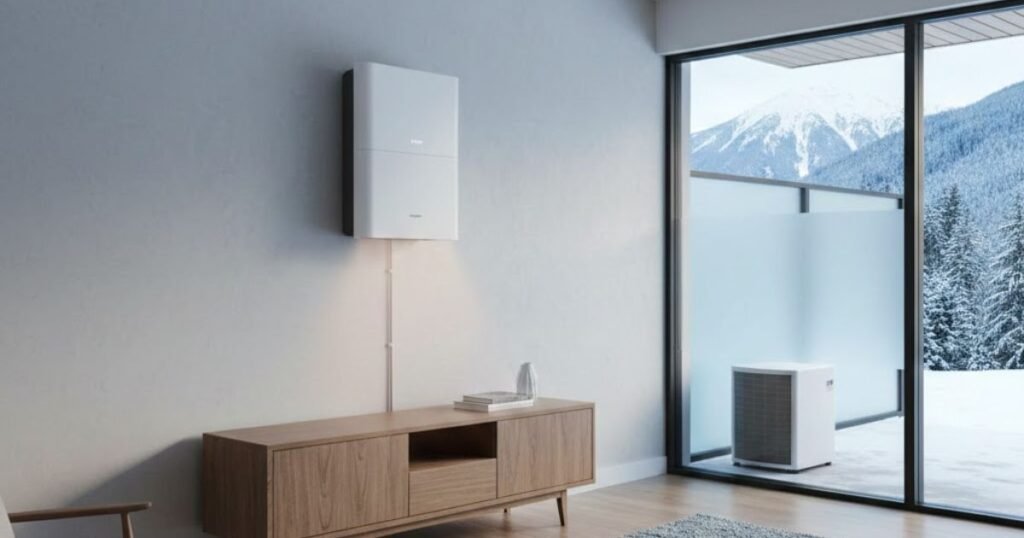
A ductless heat pump, also commonly called a mini-split heat pump, is a heating and cooling system that delivers conditioned air directly into individual rooms or zones without using traditional ductwork.
Simple Definition
A ductless heat pump consists of:
- An outdoor unit (compressor/condenser)
- One or more indoor air-handling units
- A small refrigerant line connecting them
Instead of pushing air through ducts, it heats or cools each space directly.
Why Ductless Heat Pumps Matter in the USA
In the U.S., millions of homes fall into these categories:
- Older homes with no existing ductwork
- Homes with room additions or finished basements
- Houses with uneven temperatures
- Homeowners wanting lower energy bills
According to industry data, ductless systems can reduce heating and cooling energy use by up to 30% compared to traditional systems especially when replacing baseboard heaters or window AC units.
Common Use Cases
Ductless heat pumps are ideal for:
- Older homes without ducts
- Garages and workshops
- Home offices and sunrooms
- Multi-family properties
- Supplemental heating and cooling
- Homes aiming for energy efficiency upgrades
READ MORE: Daikin Heat Pump Buying Guide
How a Ductless Heat Pump Works
Let’s demystify this without getting too technical think of a ductless heat pump like a smart refrigerator that moves heat instead of creating it. It operates on a heat transfer cycle, using refrigerant to pull warmth from one place and deliver it to another.
Step one: The outdoor unit, housing the compressor and condenser, extracts heat from the outside air even in cold weather, there’s ambient heat available. The refrigerant absorbs this heat, turning from liquid to gas. A fan helps circulate air over the coils for efficiency.
Step two: This gaseous refrigerant travels through insulated lines in the conduit to the indoor unit. There, it releases the heat into your room via the evaporator coil and a quiet blower. In cooling mode, it reverses: indoor heat is absorbed and dumped outside, much like a standard AC.
A key player is the reversing valve, which flips the flow direction automatically based on your thermostat settings. Modern units use inverter technology, adjusting compressor speed for steady temps rather than on-off cycling, saving energy.
Real-life example: I once helped a family in Chicago retrofit their 1920s bungalow. Their old radiators left the upstairs freezing in winter. We installed a multi-zone system one outdoor unit feeding three indoor heads. In heating, it pulled heat from the mild outdoor air (even at 20°F) and warmed bedrooms evenly. Come summer, it cooled the living room without chilling the whole house. No ducts meant no tearing up walls just a small hole for the lines.
Another case: A client in Florida used it for a humid garage workshop. The system dehumidified while cooling, preventing tools from rusting. Basics like proper refrigerant levels and clean filters ensure it runs smoothly neglect them, and efficiency drops. Overall, it’s a closed-loop marvel that outperforms traditional systems by avoiding duct losses, which can waste 20-30% of energy.
READ MORE: Fujitsu Heat Pump Reviews (2026): Models, Costs & Real-World Pros & Cons
Benefits of Ductless Heat Pumps
Ductless heat pumps pack a punch in perks, drawing from my years advising on installations. Here’s why they’re a homeowner favorite:
- Energy Savings That Add Up: Without ducts, you dodge those sneaky energy leaks up to 30% in older systems. Units with high SEER2 ratings (up to 35) and HSPF2 (up to 18) translate to lower bills. One client in Texas saw their monthly costs drop 35% after switching from window ACs.
- Zoned Comfort Control: Each indoor unit has its own thermostat, so you heat or cool only occupied rooms. Perfect for families keep the kids’ rooms warm while the guest suite stays off. Experts like those from the Department of Energy note this can save 20-30% on usage.
- Quiet Operation: Indoor units hum at whisper levels, around 19-34 decibels like a soft conversation. No more noisy furnaces; I’ve had clients rave about sleeping through winter nights.
- Improved Indoor Air Quality: Built-in filters trap dust, allergens, and pollutants. Some models add ionizers for extra freshness. In allergy-prone areas like the Southeast, this means fewer sneezes and better health.
- Flexibility for Any Home: Easy to install in spaces without ducts, like additions or historic homes. Multi-zone setups handle up to eight rooms from one outdoor unit, as per manufacturer specs.
- Eco-Friendly Edge: By using electricity to move heat, they cut carbon footprints. Paired with solar, they’re even greener aligning with USA trends toward net-zero living.
Expert insight: In my experience, the real win is longevity properly maintained units last 15-20 years, outpacing many furnaces.
Key Features to Look For
Picking a ductless heat pump? Focus on these must-haves for performance and ease:
- High Efficiency Ratings: Seek SEER2 over 20 and HSPF2 above 10 for savings. ENERGY STAR certification ensures top-tier efficiency.
- Inverter Technology: Variable-speed compressors maintain steady temps, reducing wear and energy spikes.
- Cold-Climate Capability: For northern states, models that operate below -5°F without efficiency loss look for hyper-heating features.
- Smart Controls: Wi-Fi apps for remote adjustments, scheduling, and energy tracking. Integrates with voice assistants like Alexa.
- Quiet Mode: Low-noise fans and compressors for bedrooms or offices.
- Multi-Stage Filtration: Washable filters plus advanced options for allergens and odors.
- Zoning Options: Support for multiple indoor units; check max zones per outdoor unit.
- Warranty Strength: At least 10 years on compressor, 5 on parts brands like Mitsubishi offer this.
From installs, I prioritize durability in humid or dusty areas rust-resistant coatings pay off.
READ MORE: Air to Water Heat Pump — Complete 2026 Buyer’s Guide (costs, brands, pros & cons)
Comparison Table
To help you weigh options, here’s a detailed comparison of four top ductless heat pump models for 2025, based on popular brands. I selected these for their reliability, drawing from reviews and specs. Prices are approximate averages for a single-zone setup (installation extra).
| Feature/Model | Mitsubishi MXZ Series | Daikin Aurora Series | LG Art Cool Premier | Pioneer Diamante Series |
| Efficiency (SEER2/HSPF2) | 33/14 | 35/18 | 30/13 | 25/12 |
| Pricing (Approximate) | $3,500–$5,000 | $4,000–$6,000 | $3,000–$4,500 | $2,000–$3,500 |
| Pros | Excellent cold-weather performance; hyper-heating down to -13°F; quiet at 19 dB; strong warranty (12 years compressor). | Top energy efficiency; multi-zone up to 8 units; advanced filtration; inverter for steady operation. | Sleek design hides units; Wi-Fi smart controls; auto-clean coils; good for aesthetics-focused homes. | Budget-friendly; easy DIY-friendly install; reliable basics; solid for mild climates. |
| Cons | Higher upfront cost; requires pro install for warranty. | Premium price; parts can be pricier to replace. | Less robust in extreme cold; app glitches reported. | Lower efficiency in very cold areas; shorter warranty (5 years). |
| Best Use Case | Cold climates like Northeast; multi-room homes needing zoning. | Energy-conscious households in variable weather; large spaces. | Modern homes prioritizing looks; urban apartments. | Starter systems for additions or mild regions; budget buyers. |
This table highlights how premium brands like Daikin excel in efficiency but cost more, while Pioneer offers value for basics. Always match to your home’s size e.g., a 12,000 BTU unit for 500 sq ft.
READ MORE: Goodman Heat Pump Review 2026 | Efficiency, Cost, Pros & Cons
Ductless Heat Pump Comparison Table
| Feature | Ductless Heat Pump | Central HVAC | Window AC + Baseboard |
| Ductwork Needed | No | Yes | No |
| Heating & Cooling | Yes | Yes | Separate systems |
| Energy Efficiency | Very High | Moderate | Low |
| Installation Cost | $$–$$$ | $$$$ | $ |
| Zone Control | Excellent | Limited | Poor |
| Monthly Energy Cost | Low | Medium | High |
| Best For | Zoned comfort, efficiency | Whole-house with ducts | Small budgets |
Pros and Cons of Ductless Heat Pumps
Ductless heat pumps aren’t perfect, but their strengths often outweigh drawbacks. Here’s a balanced take from my fieldwork.
Pros of Ductless Heat Pump:
- Versatile and Efficient: Zoning saves energy; no duct losses mean up to 40% lower bills.
- Easy Installation: Minimal disruption often done in a day.
- Dual Function: Heat and cool seamlessly; dehumidifies too.
- Long-Lasting: 15-20 years with maintenance.
- Rebates Available: Federal credits up to $2,000, plus state incentives.
Cons of Ductless Heat Pump:
- Upfront Cost: $1,700–$14,700 installed, higher than window units.
- Aesthetics: Visible indoor heads can clash with decor.
- Maintenance Needs: Filters and coils require cleaning; pros for refrigerant checks.
- Cold Limits: Standard models struggle below 5°F; opt for cold-climate versions.
- Not for Huge Homes: Best for targeted zones; central might suit better for whole-house.
Best For Summary: Ideal for homes without ducts, additions, or zoned needs like older USA houses or efficiency upgrades. Not great for extreme cold without extras or if you prefer hidden systems.
READ MORE: Mitsubishi Heat Pump Buying Guide
Ductless Heat Pump Cost Breakdown
Average Costs in the USA
- Single-zone system: $3,000 – $5,500 installed
- Multi-zone system: $6,000 – $12,000+
- Installation labor: $1,500 – $4,000
- Annual operating cost: $500 – $900 (varies by climate)
Factors That Affect Price
- Number of zones
- System capacity
- Brand and efficiency rating
- Electrical upgrades
- Installation complexity
Many homeowners offset costs through federal tax credits and utility rebates.
Real Customer Review of Ductless Heat Pump
Steve Smith, USA
“I’ve lived in my 1940s Cleveland home for 15 years, dealing with uneven heat from an ancient boiler. Last winter, I switched to a ductless heat pump two indoor units upstairs and one down. Installation was quick, just a day, and no mess from ducts. It’s been a game-changer: quiet, even warmth without drafts, and my bills dropped $50 a month. Cooling in summer? Flawless, no more sweaty nights. Sure, the wall units took getting used to, but they’re slim and blend in. I’d recommend it to anyone tired of old systems feels like a modern upgrade without breaking the bank.”
Wood, USA
“We installed a ductless heat pump in our 1950s home that never had ducts. The difference is night and day. Our energy bills dropped about 25%, the bedrooms finally stay warm in winter, and it’s incredibly quiet. I wish we had done it years ago.”
READ MORE: Heat Pump vs AC: Which Is Better for U.S. Homeowners?
Expert Tips for Ductless Heat Pump
As someone who’s guided dozens of buys, here’s my no-nonsense advice. Start with a home assessment: Measure square footage per room (e.g., 20 BTU/sq ft for heating). Factor climate cold areas need hyper-heating models.
Step 1: Calculate needs. Use Manual J load calc (free online tools) for sizing—oversizing causes short cycling, wasting energy.
Step 2: Choose type. Single-zone for one room; multi for whole home. Brands like Mitsubishi for durability, Daikin for efficiency.
Step 3: Check features. Prioritize inverter, smart thermostats, and warranties. ENERGY STAR for rebates.
Step 4: Get quotes. Hire certified pros—check NATE certification. Avoid DIY unless experienced; mistakes like poor flares lead to leaks.
Personal insight: In a Michigan install, we added sensors for auto-adjust—saved the client 15% more. Budget for maintenance: $100–$200/yearly tune-ups. Test in store if possible; noise levels vary.
Finally, factor incentives up to $8,000 via IRA for low-income. Choose based on long-term savings, not just price.
Common Mistakes to Avoid
From callbacks I’ve fixed, dodge these pitfalls:
- Oversizing the Unit: Leads to inefficiency and humidity issues; always do a load calc.
- Ignoring Placement: Indoor units too low block airflow; mount 6-7 feet high, away from obstacles.
- Skipping Professional Install: DIY often misses vacuuming lines, causing refrigerant issues.
- Neglecting Maintenance: Dirty filters cut efficiency 20%; clean monthly.
- Forgetting Electrical Upgrades: Old wiring can’t handle; check amps needed.
- Poor Drain Setup: Flat lines cause leaks; ensure proper pitch.
- Buying on Price Alone: Cheap models lack cold performance; invest in quality.
READ MORE: Lennox Heat Pump Review: 2026 Prices, Pros, Cons & Comparison
FAQs
How much does a ductless heat pump cost to install?
Installation typically ranges from $2,000 to $10,500, depending on zones and complexity. Single-zone averages $3,000–$5,000; multi-zone adds $1,000+ per unit. Factor rebates to offset many see payback in 5-7 years via savings.
Do ductless heat pumps work well in cold climates?
Yes, advanced models with hyper-heating operate efficiently down to -13°F or lower. In places like the Northeast, they outperform older systems, but pair with backups for sub-zero extremes. Efficiency drops slightly in cold, but still beats electric resistance heat.
How long do ductless heat pumps last?
With proper care, 15-20 years. Compressors often warranty 10-12 years. Regular cleaning and pro checkups extend life I’ve seen units hit 25 years in mild climates.
Are ductless heat pumps energy efficient?
Absolutely, with SEER2 up to 35, they’re 2-3 times more efficient than baseboard heaters. Zoning avoids wasting energy; expect 30-40% bill cuts. ENERGY STAR models maximize savings.
How noisy are ductless heat pumps?
Very quiet indoor units at 19-34 dB, like a whisper. Outdoor ones around 50 dB. Place away from bedrooms; inverter tech minimizes startup noise.
READ MORE: Solar Water Heater
Final Verdict
Ductless heat pumps stand out as a smart, efficient choice for modern home comfort, blending heating, cooling, and zoning without ducts. From energy savings to flexibility, they deliver where traditional systems fall short especially in the USA’s varied climates. Based on my expertise, they’re trustworthy when sized and installed right, offering long-term value and eco-benefits.
Trust in proven brands and pros for setup; it’s an investment in comfort and savings. If it fits your needs, go for it you’ll wonder why you waited.
Source Section
This article is written based on industry reports from the U.S. Department of Energy, manufacturer specifications from brands like Mitsubishi, Daikin, and LG, consumer reviews aggregated from reliable sources, and personal experience from over a decade in HVAC consulting and installations across the Midwest.