If you turn on the kitchen faucet expecting clear water and get a glass of brown when you choose hot but cold water from the same tap is perfectly clear it’s alarming. The good news: in most cases this problem is fixable, diagnosable, and usually not an immediate health emergency. This guide explains why hot water can be brown while cold stays clear, how to test and diagnose the cause, what to do right now for safety, cost-effective DIY fixes, and when you should call a licensed plumber. Let’s deep dive into why is my hot water brown but cold water is clear.
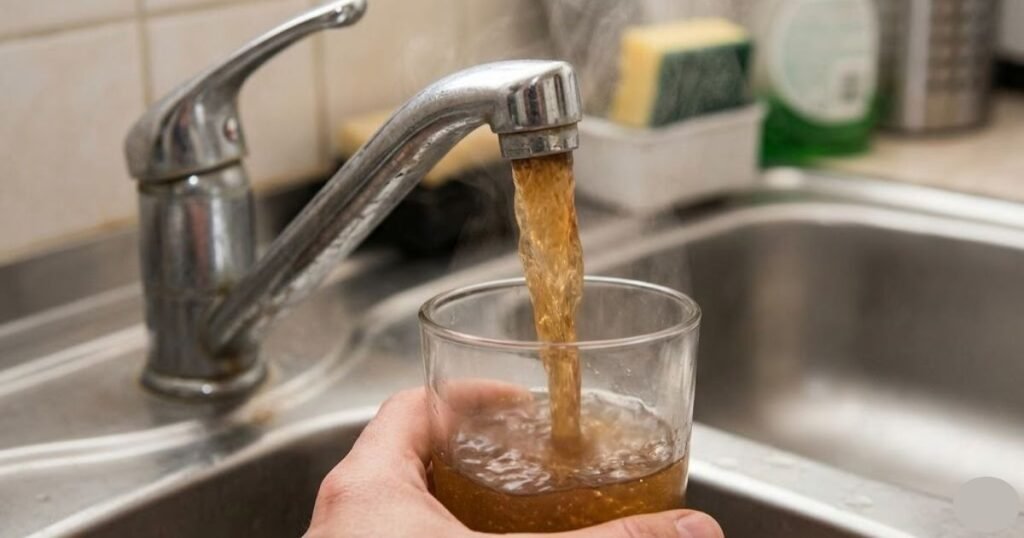
Brown Hot Water: Quick Causes Snapshot
| Component | Failure Mode | Visible Symptom | Primary Fix |
| Anode Rod | Depletion / Consumption | Rusty, orange-tinted hot water; metallic smell. | Replacement of rod. |
| Tank Bottom | Sediment / Scale Build-up | Murky, brown hot water; popping sounds. | Full tank flush and drain. |
| Glass Lining | Cracking / Flaking | Brown water with visible rust flakes. | Replacement of unit. |
| Dip Tube | Disintegration | White plastic “flecks” in hot water; low temp. | Replacement of dip tube. |
READ MORE: Why Is My Water Heater Temperature Fluctuating? Causes & Fixes
Rusty Hot Water Quick Safety Checklist — immediate do’s and don’ts
- Don’t drink or cook with the discolored hot water until you know what’s causing it. Use cold water for drinking and cooking (cold often bypasses the heater).
- Run cold taps for a minute and confirm cold water is clear; if cold is brown too, notify your water utility immediately.
- Shut off the water heater only if you see leaks or suspect tank failure. If you’re unsure how to safely shut off power or gas, skip it and call a pro.
- Don’t run hot water for long if it’s rusty — prolonged use could stain clothes or plumbing fixtures.
- Check multiple faucets (kitchen, bathroom, laundry) to see whether the problem is at one fixture or throughout the house.
- Take a clear sample in a glass (run hot for 20–30 seconds into a clear container) and photograph it handy if you call a plumber or the water utility.
- If you smell rotten eggs (sulfur) or see continuous heavy discoloration, treat it as higher urgency and contact a plumber or water professional.
How to tell whether it’s a hot-water-only problem
Do these three quick checks:
- Test cold vs hot at the same fixture. Turn on cold only is it clear? Now turn on hot only, is it brown? If only hot is brown, the heater or hot-only piping is most likely at fault.
- Check multiple taps. If brown hot water appears only at one faucet, that fixture or its nearby pipe is likely the issue. If it’s at every hot tap, the problem is probably the water heater, hot-water piping, or well treatment.
- Note timing and duration. Does the discoloration show up immediately, only when the heater first runs, or continuously? Brown water that appears for a short time then clears often points to sediment that stirs up and then settles. Persistent brown points toward corrosion or ongoing iron.
- Smell and taste. Metallic taste or slight odor often accompanies iron/rust. A rotten-egg smell indicates hydrogen sulfide is more common in wells. If you notice unusual chemical smells, stop using the water and consult a pro.
- Laundry and fixtures. Brown staining on clothes, porcelain, or shower tile points to iron or iron bacteria in the hot lines.
Keep notes: which taps, when it happens, how long it lasts, and any smells. These details speed diagnosis.
READ MORE: How to Clean Sediment from a Water Heater
Why Is My Hot Water Brown But Cold Water Is Clear: Main causes
Below are the most common reasons hot water is brown while cold water is clear with plain-language definitions and typical signs.
1. Corroded water heater interior or failing anode rod
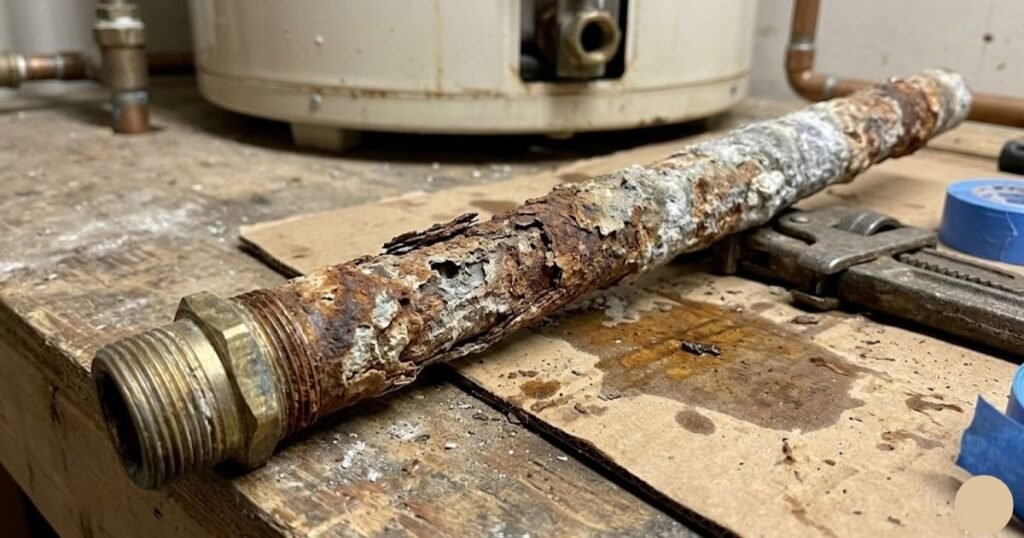
The anode rod is a sacrificial metal rod inside many tanks that attracts corrosion and protects the steel tank. Over years it corrodes away. If the anode rod is heavily corroded or the tank’s interior lining has failed, rust gets into the hot water.
Signs: Persistent brown hot water from every hot tap; metallic taste; sometimes sediment when you open the drain. If the rod is gone, corrosion of tank steel may be advanced.
Urgency: Medium–High. If the tank is corroding, it eventually leaks or fails; replacing the anode rod is a common and moderately priced repair, but a corroded tank may need replacement.
Likely fix: Replace the anode rod or, if the tank itself is compromised, replace the water heater.
2. Sediment buildup in the water heater tank
What it is: Minerals (sand, silt, iron) settle at the bottom of storage tanks. When the heater cycles or when you first draw hot water, sediment may stir and discolor the outgoing hot water.
Signs: Brown water at first use that clears after running hot water for a minute or two; less discoloration after a recent drain/flush. Often worse in areas with hard water.
Urgency: Medium. Sediment reduces efficiency and shortens heater life but is usually fixable by flushing.
Likely fix: Flush the tank regularly (annual) and consider water-softening or sediment filters for well water.
3. Corroded hot-water-only pipes or fittings (older galvanized iron)
What it is: Older homes may have galvanized steel pipes that rust from the inside. Hot water accelerates corrosion and releases rust into hot-only lines. Cold lines may be newer copper or PEX, which is why cold stays clear.
Signs: Brown only at certain fixtures or areas of the house; patchy distribution by fixture; visible flaking when running hot water.
Urgency: High when lead or heavy corrosion is suspected — corroded pipes can release metals.
Likely fix: Replace affected sections of piping with copper or PEX. Localized replacement may solve it but whole-house re-piping is sometimes necessary.
4. Recent plumbing work or disturbance of municipal lines
What it is: When the water utility flushes hydrants or does line work, iron sediment can be dislodged. If your water heater refills with this water and you then draw hot, you may see brown hot water for a short time. Usually both hot and cold are affected, but sometimes the heater concentrates the problem.
Signs: Short-term discoloration following municipal work; often clears after running taps.
Urgency: Low–Medium. Usually resolves within hours to a day; if not, call your utility or plumber.
Likely fix: Run cold then hot taps to clear. Wait a few hours if the utility was working nearby.
5. Well-specific causes (iron, iron bacteria, hydrogen sulfide)
What it is: Private wells frequently have dissolved iron or iron bacteria. Heat can release iron compounds or organic pigments, so the hot side may look worse. Iron bacteria produce slimy deposits and foul tastes/smells. Hydrogen sulfide (rotten-egg smell) is a different issue sometimes associated with wells.
Signs: Brown staining on fixtures, slimy deposits in tanks or filters, rotten-egg odors, or persistent brown across hot (and sometimes cold) taps.
Urgency: Medium–High. Well water chemistry varies; testing and proper treatment are important.
Likely fix: Water testing followed by iron filters, shock chlorination, or a professional well treatment plan.
READ MORE: Hot Water Runs Out Too Fast — Fixes, Costs & When to Replace
Brown Water from Hot Tap Only: How to diagnose step-by-step
Follow this homeowner-friendly checklist to narrow the cause:
- Compare cold vs hot at one tap. Confirm only hot is brown. Note how long it takes to appear and whether it clears.
- Check several fixtures. Test kitchen, bathroom, laundry. If only one fixture shows brown, the issue is local to that branch. If all hot taps show it, suspect heater or main hot piping.
- Run the hot water into a clear container. Catch the first 30–60 seconds, then run for a few minutes. Photograph both early and after 2–3 minutes; this shows whether it clears.
- Inspect the water heater drain. If you’re comfortable and it’s safe, opening the heater drain briefly (with power/gas off if you know how) into a bucket may show sediment. If you’re unsure, skip this and call a plumber.
- Look for staining. Check laundry and fixtures for brown stains — signs of iron.
- Note recent work. Ask neighbors or your water utility whether hydrants or lines were flushed.
- Test water if needed. If you suspect lead, iron, hydrogen sulfide, or other contaminants (especially with private wells), get a certified lab test or contact your local water utility for guidance. When testing, request tests for total iron, dissolved iron, manganese, and lead if corrosion is suspected.
Write down your observations; this will help the plumber or lab quickly identify the cause.
The Jar Test Methodology for Particle Identification
To determine if the discoloration is caused by mineral sediment or active oxidation, a 24-hour jar test is a recommended DIY procedure.
- Collection: Fill a clear glass jar with hot water and place it on a stable surface.
- Observation (Immediate): Note if the water is cloudy or has visible particles.
- Observation (24 Hours): Check the jar after a full day of settling.
| Settled Result | Indicated Cause | Mechanism |
| Grit/Sand at the bottom. | Sediment / Silt | Physical particles drawn into the system from the well or water main. |
| Orange flakes or rust-colored particles. | Oxidation / Corrosion | Active rusting of the water heater tank or galvanized pipes. |
| Water stays tea-brown but clear of particles. | Tannins | Organic vegetable matter dissolved in the water supply. |
| Oily sheen or stringy biofilm. | Iron Bacteria / Rubber Degradation | Bacterial growth or the breakdown of rubber gaskets/parts. |
READ MORE: No Hot Water in the House? How to Troubleshoot, Fix, and Budget for Repairs
Brown Hot Water DIY fixes and maintenance

Some fixes homeowners can try, with caution. If a task involves gas, electricity, or complex plumbing, call a pro.
1. Flush the water heater (Easy–Moderate)
What it does: Removes loose sediment that causes temporary brown water.
How it helps: Often clears brown water that appears only when the heater first runs.
Cost & skill: $0–$150 if you buy a hose and rental tools; moderate DIY skill.
Caveat: If you’re not comfortable shutting off power/gas or working around plumbing, hire a plumber.
2. Replace the anode rod (Moderate)
What it does: Restores the sacrificial protection that slows tank corrosion.
How it helps: Stops or slows rust production inside the tank.
Cost & skill: $100–$300 for parts and DIY labor; harder than a flush because it may need special sockets and lifting. If tank corrosion is severe, anode replacement may not be sufficient.
3. Install sediment/iron filter (Easy–Moderate)
What it does: Traps iron and sediment before water reaches fixtures.
How it helps: Useful with well water or homes with persistent sediment.
Cost & skill: $200–$2,000 depending on system and capacity. A point-of-entry filter protects the whole house.
4. Pipe flushing or partial re-piping (Hard)
What it does: Removes corroded sections or replaces outdated galvanized pipe.
How it helps: Eliminates a recurring source of rust in hot-only lines.
Cost & skill: $300 to several thousand dollars depending on scope — this is typically a professional job.
5. Well treatment (Moderate–High)
What it does: Targets iron bacteria or dissolved iron via chlorination, filtration, or chemical treatment.
How it helps: Fixes well-specific causes of brown water.
Cost & skill: $500–$5,000 depending on system and services.
Estimate guidance: Prices vary widely by region and home size. Use these ranges as ballpark guidance only.
| Repair Type | DIY Part Cost | Professional Cost (Labor + Parts) | Typical Lifespan Extension |
| Anode Rod Replacement | $25 – $75 | $250 – $300 | 3–5 Years. |
| Tank Flush & Cleaning | $0 (Tools) | $110 – $200 | 1 Year (Prevents failures). |
| Heating Element (Electric) | $15 – $60 | $200 – $300 | Varies. |
| T&P Relief Valve | $20 | $150 – $350 | Safety essential. |
| Gas Control Valve | $70 – $200 | $300 – $750 | Varies. |
READ MORE: Should I Replace My 13-Year-Old Water Heater?
When to call a pro & what to expect
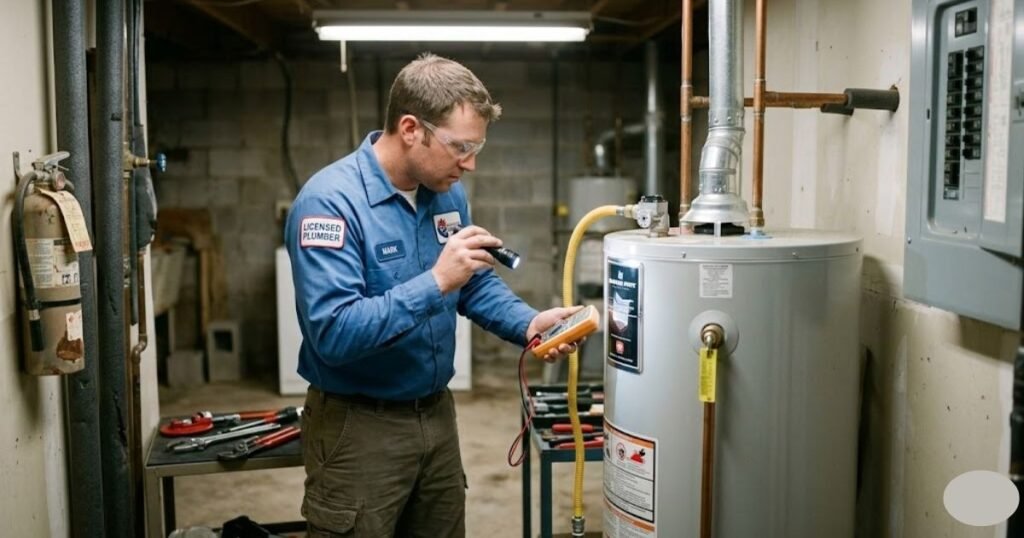
Call a licensed plumber or water professional if:
- Brown hot water persists after a flush.
- You notice leaks, visible tank corrosion, or rotten-egg smells.
- Staining affects laundry or fixtures.
- You have a private well and suspect iron bacteria or other contaminants.
- You suspect lead or other heavy metals (especially in older homes with lead solder or pipes).
What a plumber will do: Inspect the heater, anode rod, and piping; drain and flush the tank; collect water samples; inspect for corrosion; and recommend repairs (anode rod replacement, tank replacement, pipe spot-replacement, or filtration). For wells, a water treatment specialist may test for iron, manganese, bacteria, and hydrogen sulfide and recommend a treatment plan.
Permits/inspections: Water heater replacement or major plumbing work may require permits. A licensed pro will advise and pull permits if required.
Why is my hot water brown but cold water is clear?
Brown hot water usually comes from rust, sediment, or corrosion inside the water heater or hot-water pipes. Cold lines bypass the heater, so they remain clear. Diagnosis steps are below.
Is brown hot water dangerous to drink?
Brown water is usually from iron or corrosion and is more of a cosmetic/odour issue, but it can indicate pipe corrosion or lead risk—avoid drinking until tested and contact your water utility or a plumber.
How do I fix brown water coming only from the hot tap?
Start by flushing the hot water tank, running hot taps, and checking multiple fixtures. If it persists, replace the anode rod or call a plumber to inspect the tank and hot-water pipes.
Will flushing the water heater clear brown hot water?
Often yes flushing removes sediment that causes discoloration. If flushing doesn’t help, the tank or anode rod may be corroded and need professional repair or replacement.
When should I call a plumber for brown hot water?
Call a licensed plumber if brown water persists after flushing, if you smell rotten eggs, notice staining, see continuous rust, or suspect pipe or tank corrosion or if you have a private well.
Final Verdict
If you spot brown hot water, start with the simple checks above and run a quick flush. If the problem clears and doesn’t return, good but schedule a maintenance flush and inspect the anode rod within a year. If discoloration persists, smells bad, or you have an older heater or galvanized pipes, call a licensed plumber and consider certified water testing (especially for private wells or older homes). For authoritative guidance, consult your local water utility, the U.S. EPA, the American Water Works Association (AWWA), and NSF International for testing and treatment standards.

