Tankless water heaters are fantastic for providing endless hot water, but over time, minerals especially calcium and magnesium can build up inside. This “scale” coats the internal heat exchanger and reduces efficiency, making the unit work harder to heat water. The result? Higher energy bills, slower hot water delivery, and in extreme cases, permanent damage to your heater.
If you live in a hard water area, this process happens faster. Regular descaling removes these deposits, ensuring your heater runs smoothly, efficiently, and lasts for years. Lets deep dive into “How to Descale a Tankless Water Heater — Step-by-Step Guide”
How Often Should You Descale?
Manufacturers usually recommend descaling once a year, but the actual frequency depends on your water hardness and usage.
Factors Affecting Frequency
- Water Hardness : The higher the mineral content, the faster scale builds up.
- Hot Water Usage: Large families or businesses that use a lot of hot water may need more frequent descaling.
- Type of Unit: Some high-end tankless heaters have built-in scale detection systems that alert you when it’s time.
Signs It’s Time to Descale
- Hot water takes longer to reach your faucets.
- Reduced water flow from hot taps.
- Unusual noises like hissing or popping.
- Error codes on your water heater’s display.
Check this Best Water Heater Cleaning Tool (Limited item)–

- MULTIPLE BENEFITS – Extend the lifetime of your water heater, improve its efficiency, reduce your energy bill, and incre…
- WORKS GREAT – Other flushing methods only remove small loose sediment particles where the Turbo Tank Cleaner physically …
- UNIVERSAL – Cleans all water heater tank types, gas and electric (not for tankless water heaters).
Tools and Supplies You’ll Need
Descaling a tankless water heater doesn’t require a professional if you have the right tools.
Basic Descaling Kit
- Submersible pump (often comes in a kit)
- Two hoses (usually ¾-inch)
- 5-gallon bucket
- White vinegar (about 4 gallons) or a manufacturer-approved descaling solution
Check this Complete Descaling Kit Before Price goes up-

Optional Helpful Items
- Adjustable wrench. Check Wrench & Price
- Teflon tape. Check Tape & Price
- Safety goggles. Check Product & Price
- gloves. Check Product & Price
- Towels for spills. Check this Heavy duty Towels & price
READ MORE: How to Clean a Hot Water Heater
Safety Precautions Before You Start
Working with water heaters, especially those connected to gas or electricity requires care.
Shutting Off Power or Gas
- Electric Models — Switch off the breaker labeled “Water Heater.”
- Gas Models — Turn the thermostat to the “Off” position and close the gas valve.
Protecting Yourself and Your Equipment
- Wear gloves and glasses to avoid exposure to vinegar or descaling chemicals.
- Keep the work area dry to prevent slip or electricity hazards.
- Read the manual of your heater for any specific manufacturer warning.
Check this Master Class Water Heater Tool UL Verified– Flushes, Cleans, Drains, Breaks Up Sediment Clogs from Electric/Gas Water Heaters – Easy to Use
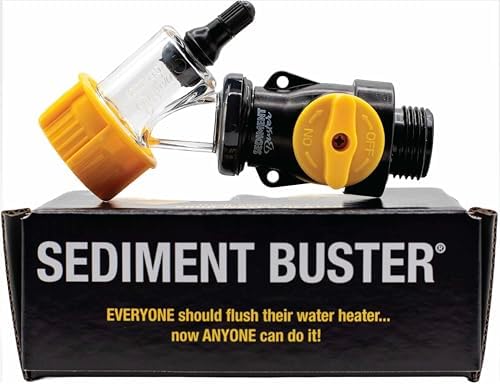
- UL Verified V699054 for heat & pressure
- Easy to use with instructions & videos
- Add years to the life of your water heater
How to Descale a Tankless Water Heater — Step-by-Step Guide
Descaling sounds technical, but it’s basically flushing the inside of your water heater with an acidic solution to dissolve mineral deposits.
Step 1: Turn Off and Disconnect Water Supply
- Close both the hot and cold water valves leading into the heater.
- Open the service ports (small valves) to connect hoses.
Step 2: Hook Up the Descaling Pump and Hoses
- Attach one hose from the cold water service port to the pump.
- Attach the other hose from the hot water service port to the bucket.
- Place the pump and bucket close to the unit to minimize hose bends.
Step 3: Run the Vinegar or Descaling Solution
- Fill the bucket with 4 gallons of vinegar or the recommended chemical solution.
- Place the pump in the bucket and turn it on.
- Let the solution circulate through the heater for 45–60 minutes.
Step 4: Flush the System with Clean Water
Once the descaling cycle is complete, you’ll need to rinse out any remaining vinegar or chemical solution.
- Turn Off the Pump — Unplug it and remove it from the bucket.
- Drain the Solution — Dispose of the used vinegar safely (it’s non-toxic, so it can go down most drains, but check local regulations if using a commercial descaler).
- Reconnect the Cold Water Supply — Open the cold water valve and let fresh water run through the system for 5–10 minutes.
- Check the Outflow — Ensure the water coming from the hot service port is clear and free of odor.
This flushing step is critical — leftover acidic solution can damage your system if not completely rinsed.
Step 5: Reconnect and Restore Service
After flushing, you’re ready to put everything back together.
- Close the service ports on both the hot and cold sides.
- Remove the hoses and reattach any caps.
- Open both the cold and hot water inlet valves fully.
- Restore power or relight the gas pilot as instructed in your unit’s manual.
- Run hot water through your faucets to confirm the heater is working properly.

- 【Tankless Heater Clean Kit】This cleaning kit comes with everything you need to maintain your water heating system. Helps…
- 【Submersible Sump Pump】1/6HP energy-efficient motor with thermal overload protection, has the ability to deliver water t…
- 【Easy to Use】This kit includes 3 gallons bucket with a bucket lid opener, 1/6HP utility pump with 2 adapters and 2pcs 6’…
READ MORE: How to Remove Sulfur Smell from Hot Water Heater
Alternative Methods: Professional Descaling
While DIY descaling is cost-effective, there are situations where calling a professional makes sense:
- Severe Scaling — If your system hasn’t been cleaned for years, a pro may use stronger chemicals or ultrasonic cleaning.
- Unit Still Under Warranty — Some warranties require professional maintenance.
- Gas Line Concerns — For gas models, a certified technician ensures safe shutoff and relighting.
Common Mistakes to Avoid
A few small mistakes can cause big problems during descaling. Always turn off the power or gas before starting. Do not skip the flush step, or leftover cleaner and loosened scale may stay in the unit. Use only a cleaner approved for tankless water heaters. Make sure all valves are fully open or closed as needed, not halfway. After the job is done, check carefully for leaks before turning the system back on.
Can You Use Vinegar Instead of a Descaling Solution?
Yes, vinegar can work for some tankless water heaters, especially for light mineral buildup and routine cleaning. It is a common low-cost option, and many homeowners use it for basic maintenance. But it is not always the best choice. Some manufacturers prefer a special descaling solution because it may clean faster and work better on heavier scale.
Vinegar pros: cheap, easy to find, and safe for many routine cleanings.
Vinegar cons: slower, less effective on tough buildup, and not ideal for every unit.
Descaling solution pros: stronger, faster, and often made for tankless systems.
Descaling solution cons: costs more and must be used exactly as directed.
How to Prevent Scale Buildup in the Future
Prevention is better than cure — and it’s much easier than repeated heavy cleaning.
1. Install a Water Softener — Removes hardness minerals before they reach your heater.
By removing hard minerals, a water softener cuts soap scum and dryness, helping reduce skin irritation and leaving hair and laundry feeling cleaner and softer. Check Product

2. Follow a Regular Maintenance Schedule — Even with softened water, an annual flush is a good idea.
3. Check Manufacturer Recommendations — Some brands specify particular cleaning agents or methods.
When to Call a Professional
- Unit keeps showing errors
- Leaks are present
- Water pressure stays low
- You are not comfortable working with gas or electrical systems
- The heater still performs poorly after descaling
Conclusion
Descaling your tankless water heater is one of the most important maintenance tasks to keep it running at peak efficiency. Done regularly, it can extend your heater’s life by years, save you money on energy bills, and ensure a steady flow of hot water.
By following a simple pump-end-vinagar method once a year-or in hard water areas-you will protect your investment and avoid expensive repairs.
Whether you go on the DIY route or rent a supporter, the key is stability. Your future (and your utility bill) will thank you.
1. Can I use vinegar to descale my tankless water heater?
Yes, white vinegar is safe and effective for most models, but check your manual first.
How long does descaling take?
On average, 1-2 hours including setup, cleaning and flushing.
Will not descaling my heater void the warranty?
It might. Many manufacturers require annual maintenance to keep the warranty valid.
Can I descale without a pump?
Technically yes, but a pump ensures the solution circulates properly for thorough cleaning.
Does soft water mean I never have to descale?
No — soft water slows scale buildup but doesn’t eliminate it entirely.