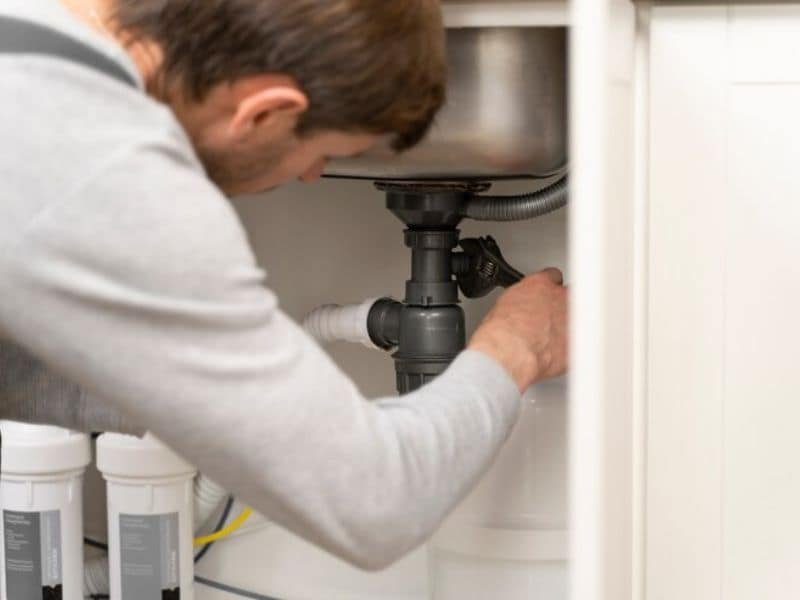
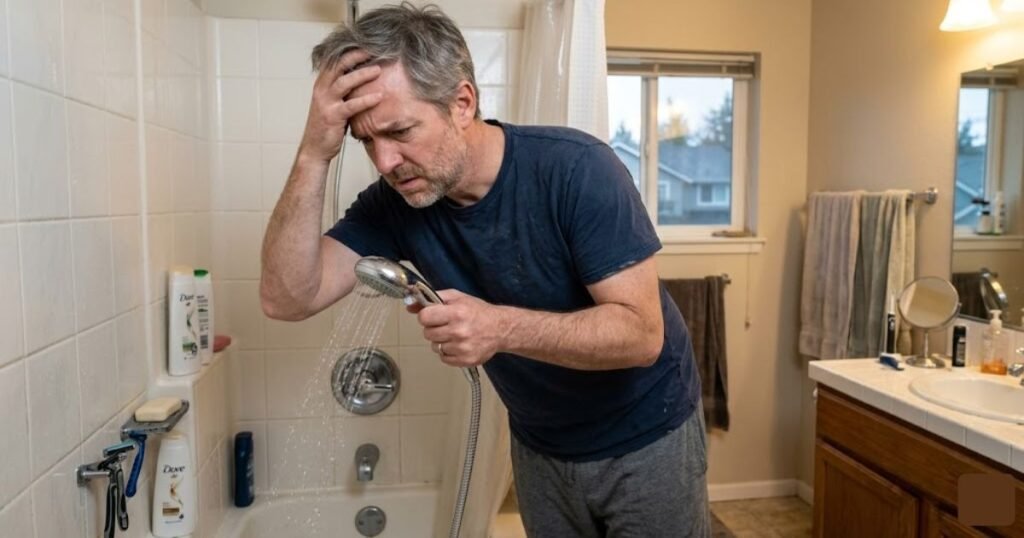
If you are trying to figure out how to increase hot water pressure in the whole house, you are not alone. Weak hot water is a common problem in U.S. homes. It can show up in one shower, every sink, or the whole house at once. The good news is that many causes are simple. Some are easy to fix on your own. Others need a plumber, but even then, the problem is often repairable.
This guide explains why low hot water pressure happens, how to find the source, and what you can do to improve it. The goal is simple. You want steady hot water in showers, sinks, tubs, and appliances without guesswork and without wasting money. Lets deep dive into “How to Increase Hot Water Pressure in the Whole House”
READ MORE: Hard Water Impact on Water Heater Lifespan — Signs, Fixes, and Costs
What Causes Low Hot Water Pressure in a Whole House?
When your cold water is blasting out of the tap just fine, but the hot water feels tired, the issue is almost always localized to the hot water side of your plumbing. Here are the most common culprits:
1. Sediment Buildup in the Water Heater
This is the number one reason for a water heater pressure issue. Over time, minerals like calcium and magnesium settle at the bottom of your tank. This “scale” can block the hot water outlet pipe, acting like a literal cork in the system.
READ MORE: How to Clean Sediment from a Water Heater
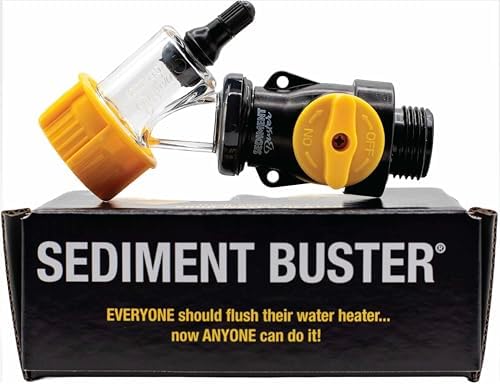
Worried about low hot water pressure? Use this UL verified sediment cleaner tool and restore strong flow fast. See Below-

2. Partially Closed Shutoff Valves
Your water heater has a valve that controls the flow of water into the tank. If this valve was bumped or never fully opened after a repair, it will restrict the flow to the entire house. Even a valve that is 90% open can cause a noticeable drop in pressure.
3. A Failing Pressure Regulator
Most homes have a Pressure Reducing Valve (PRV) where the main water line enters the house. If this valve fails, it can cause erratic pressure. While it usually affects both hot and cold, a failing regulator can sometimes manifest more noticeably when you are pulling hot water through the heater’s restricted path.
4. Old Galvanized Pipes
If you live in an older home with original plumbing, you might have galvanized steel pipes. Over decades, these pipes rust from the inside out. This rust creates a rough surface that catches minerals and eventually closes the pipe off almost entirely.
5. Clogged Mixing Valves
Many modern homes use a mixing valve near the water heater to prevent scalding. These valves mix a bit of cold water into the hot water as it leaves the tank. If the internal screens in these valves get clogged with grit, your whole-house hot water pressure will tank.
6. Mineral Buildup in Fixtures
While this usually affects one sink at a time, if your whole house has “hard water,” every aerator and showerhead might be clogging simultaneously. This can make it feel like a whole-house issue when it’s actually just a maintenance problem at every tap.
Boost your home’s water pressure with ease—choose the 1HP Whole House Water Pressure Booster Pump today. See below-
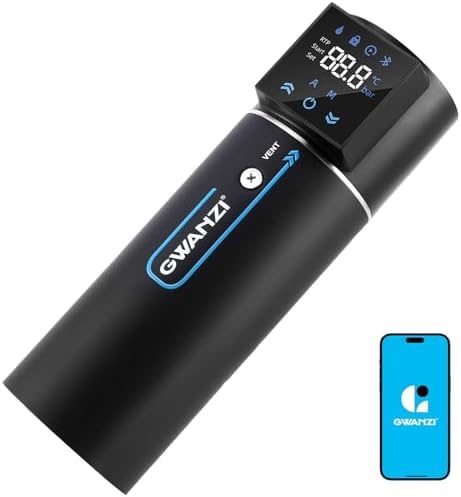
- Note : Our products can be upgraded via OTA technology. If there are any fault code issues during the product’s usage, p…
- POWERFUL WATER PRESSURE BOOSTER SYSTEM : This GWANZI K90S600L variable speed water pressure booster pump is equipped wit…
- STAINLESS STEEL CONSTRUCTION : The water pump outer shell is made of thickened stainless steel. Internally, the pump bod…
READ MORE: Best Whole House Water Softener System for Home (2026) — Top Picks & Buyer’s Guide
How to Check Where the Problem Starts
Before you start buying parts or calling a plumber, you need to play detective. You want to narrow down the “zone” of the problem. Follow these steps to find the source of your hot water flow issue.
1. The “Hot vs. Cold” Test
Go to every faucet in your house—the kitchen, the bathrooms, and even the laundry room. Turn on the cold water and check the pressure. Then, turn on the hot water.
- If both are weak: The problem is likely your main water line or the pressure regulator.
- If only the hot is weak: The problem is definitely related to your water heater or the hot water supply lines.
2. The “One vs. All” Test
Is the low pressure happening at every single faucet?
- Check the shower.
- Check the kitchen sink.
Check the guest bathroom.
- If the pressure is only low in the master shower but fine in the kitchen, you don’t have a whole-house problem; you just have a clogged showerhead or a bad cartridge in that one shower.
3. The “Floor by Floor” Test
If you have a multi-story home, check if the pressure is worse on the top floor. Gravity plays a role here. If the pressure is fine downstairs but weak upstairs, your home’s overall pressure might just be set too low, or there is a restriction in the main vertical line.

- Adjustable Pressure & Speed: Smart 45 is a fully integrated and intelligent water pump designed for domestic boosting. I…
- All-in-One Robust Design: Smart 45 is built with a durable stainless steel impeller, designed to withstand hot water tem…
- High Efficiency & Low Noise: Smart 45 features an air-cooled permanent magnet motor and inverter technology, operating q…
Easy Fixes Homeowners Can Try First
You don’t always need a toolbox to increase water pressure in house fixtures. Start with these simple steps.
1. Clean Your Aerators and Showerheads
Calcium buildup is a silent pressure killer.
- Unscrew the small screen (aerator) at the tip of your faucets.
- Soak them in a bowl of white vinegar for an hour.
- Scrub away the softened gunk with an old toothbrush.
Rinse and reinstall.
- You’d be surprised how often this restores “like-new” pressure.
2. Check the Water Heater Valves
Go to your water heater. You will see two pipes coming out of the top. One is cold (inlet) and one is hot (outlet). Both should have valves. Ensure both handles are turned completely to the “on” or “open” position. If they are gate valves (the round wheel type), turn them all the way left until they stop.
3. Flush the Water Heater
This is the most effective whole house water pressure fix for most people. Flushing the sediment out of your tank clears the path for water to flow freely.
- Turn off the power or gas to the heater.
- Attach a garden hose to the drain valve at the bottom.
- Run the other end of the hose to a floor drain or outside.
- Open the drain valve and let the water run until it’s clear of “white flakes” or sand-like sediment.
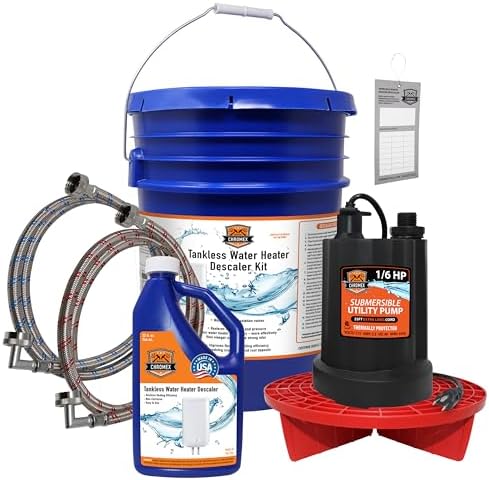
- 6 Piece Tank-less Water Heater Flush Kit. Helps maintain and extend the lifespan of your tank-less water heater. Kit com…
- Works with most all tankless water heaters such as Rinnai, Bosch, Noritz, Rheem, Takagi, Tempra, Navien, Ecosmart, Stieb…
- The right angle hoses allow you to easily attach the hoses to the tankless water heater with easier positioning.
READ MORE: How to Flush a Tankless Water Heater (Step-by-Step Guide)
4. Inspect the Pressure Reducing Valve (PRV)
Look for a bell-shaped brass valve on your main water line. It usually has a screw on top. Turning this screw clockwise generally increases the pressure to the whole house. Warning: Don’t go overboard. Too much pressure can pop your pipes or ruin your appliances. Use a pressure gauge to ensure you stay between 40 and 60 PSI.
When the Water Heater is the Cause
Your water heater is the heart of your hot water system. If it’s struggling, the whole house feels it. Beyond just sediment, there are a few other water heater pressure issues to consider.
- The Dip Tube: The dip tube is a plastic pipe that sends cold water to the bottom of the tank to be heated. If this tube disintegrates (common in older models), plastic shards can clog the hot water outlet.
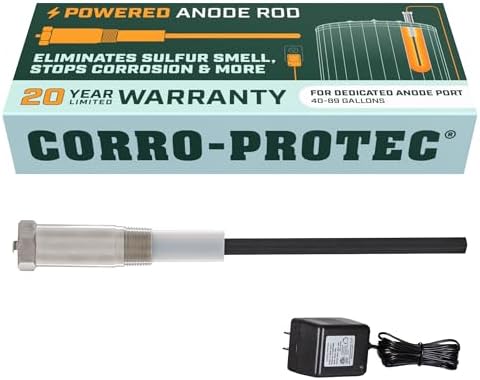
- Anode Rod Corrosion: When the sacrificial anode rod inside your tank dies, the tank starts to rust. This rust flakes off and creates a “sludge” that makes it very hard for water to move through the tank efficiently.
- Age: Most tank water heaters last 10 to 15 years. If yours is older, the internal scaling might be so thick that flushing won’t help. In this case, a new heater might be the only way to get your pressure back.
When Plumbing Lines are the Cause
If your water heater is brand new and your valves are open, but you still have weak hot water pressure, the pipes themselves might be the problem.
Narrow Diameter Pipes
In some older homes, plumbers used 1/2-inch pipes for everything. Modern standards often use 3/4-inch pipes for main trunk lines to ensure enough volume. If your pipes are too narrow, they simply can’t carry enough water to support two people showering at once.
The “Galvanized Ghost”
As mentioned before, galvanized pipes are a nightmare for pressure. They corrode from the inside. You might look at the outside of a pipe and think it looks fine, but the inside might only have a hole the size of a straw for water to pass through. If you see silver-colored metal pipes in your basement or crawlspace, this is likely your culprit.
Kinked PEX Lines
If your home was recently renovated with PEX (flexible plastic piping), a technician might have accidentally kinked a line behind a wall. A kinked hot water line will act just like a pinched garden hose.
How to Increase Hot Water Pressure in the Whole House
If you’ve tried the basics and still want more power, here are the heavy-duty solutions to a plumbing pressure problem.
1. Install a Water Pressure Booster Pump
If your city water pressure is naturally low, no amount of cleaning will help. A booster pump is a device that connects to your main line and “pumps up” the pressure using an electric motor and a pressure tank. This is a game-changer for large homes.
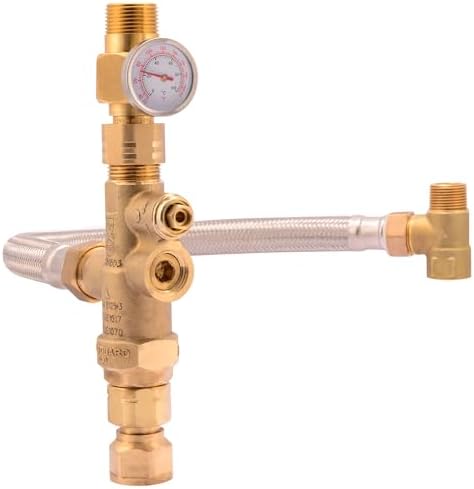
2. Replace the Mixing Valve
If you have a “tempering valve” or mixing valve on your heater, replace it. These are notorious for clogging with hard water scale. A fresh valve can often double your hot water flow instantly.
3. Upgrade to a Tankless Water Heater
Tankless heaters don’t store water, so they don’t have the same sediment issues as tanks. However, they do require their own maintenance (descaling). If you choose a high-flow tankless model, you can often enjoy consistent pressure throughout the house.
4. Recirculation Pumps
While these are mostly for getting hot water to the tap faster, some high-end systems also help maintain consistent pressure by keeping the water in constant motion through the loops.

What Not to Do
When you’re frustrated, it’s easy to make mistakes that turn a $50 fix into a $5,000 disaster. Avoid these common pitfalls:
- Don’t use chemical “clog removers” in your water lines. These chemicals are meant for drains, not the pipes you drink from. They are toxic and can eat through your metal pipes.
- Don’t crank the pressure too high. Setting your PRV to 80+ PSI feels great in the shower, but it will cause your toilet valves to leak and your water heater’s T&P valve to blow.
- Don’t force a stuck valve. If a shutoff valve won’t budge, don’t use a giant wrench to force it. It will likely snap, and you’ll have a flood on your hands. Use a little penetrating oil and patience.
- Don’t ignore a small leak. If you see a tiny “pinhole” leak in a pipe, that is often a sign that the entire pipe is corroded and ready to fail.
Cost Overview
What should you expect to pay to fix low hot water pressure? Here’s a general breakdown:
| Fix | Estimated Cost (DIY) | Estimated Cost (Professional) |
| Cleaning Aerators | $5 (Vinegar/Brush) | $100 – $150 (Service Call) |
| Flushing Water Heater | $10 (Hose) | $150 – $250 |
| Replacing PRV Valve | $80 – $150 | $350 – $600 |
| New Showerhead | $30 – $100 | $150 – $200 |
| New Mixing Valve | $100 – $200 | $400 – $600 |
| Booster Pump Install | $400 – $900 | $1,200 – $2,500 |
| Whole House Repipe | N/A | $5,000 – $15,000+ |

- 【ONE YEAR WARRANTY】Z Turn-up Kit Includes (2) 4500W 240V COPPER Water Heater Element, Insert Length: 13-9/16″. 3500W@208…
- 【ONE YEAR WARRANTY】Includes (1) Upper Water Heater Thermostat, (1) Lower Water Heater Thermostat, 120V ~ 480V
- 【Interchangeable】Therm-O-Disc Type Thermostat, Can interchange with APCOM type.
Safety Tips
Plumbing can be dangerous if you aren’t careful. Always keep these safety rules in mind:
- Turn off the Power: Before working on an electric water heater, turn off the breaker. For gas, turn the dial to “Pilot.”
- Watch the Heat: Hot water can cause third-degree burns in seconds. If you are flushing a tank, let the water cool down first or be extremely careful where the hose is pointing.
- Know Your Main Shutoff: Before you unscrew anything, make sure you know exactly how to turn off the water to the whole house in case a valve fails.
- When to Call a Pro: If you have to cut into copper pipes, deal with gas lines, or work on a complex PRV, call a licensed plumber. It’s worth the peace of mind.
Conclusion
Figuring out how to increase hot water pressure in the whole house doesn’t have to be a mystery. Most of the time, the solution is hidden in plain sight a clogged aerator, a half-closed valve, or a water heater full of “calcium sand.”
Start with the easiest, cheapest steps first. Clean those faucet screens and flush your water heater. If those don’t work, take a look at your pressure regulator or consider a booster pump. By following this guide, you can move from a frustrating drizzle to a powerful, refreshing flow in no time.
Would you like me to walk you through the specific steps for flushing your particular model of water heater?
FAQ
Why is my hot water pressure low but cold water pressure normal?
This usually means the problem is on the hot water side only. Common causes include a clogged water heater, sediment buildup, a stuck valve, a bad cartridge, or restricted hot water pipes.
How do I fix low hot water pressure in my house?
Start with the easy checks. Clean showerheads and faucet aerators, make sure valves are fully open, and flush the water heater. If that does not help, the issue may be in the pipes or pressure control system.
Can a water heater cause low hot water pressure?
Yes. A water heater can reduce hot water flow if sediment, scale, or worn parts block the system. This is especially common in older tank units and hard-water homes.
Will flushing my water heater improve hot water pressure?
It can help, especially if sediment is the problem. Flushing may improve flow and performance. If the tank has heavy buildup or internal damage, the improvement may be limited.
Should I call a plumber for low hot water pressure in the whole house?
Yes, especially if the problem affects multiple fixtures, keeps coming back, or involves old pipes, leaks, or a pressure regulator. A plumber can find the real source and recommend the safest repair.