An urgent pipe repair means a plumbing failure that requires immediate attention to prevent property damage. These issues do not wait for business hours. Water moves fast. It soaks into floorboards. It ruins drywall. It can even trigger mold growth in as little as 24 to 48 hours. Taking fast action saves you thousands of dollars in the long run.
Whether you are a first-time homeowner or helping an elderly parent manage their home, this information is for you. We will break down the process into simple, manageable steps. You can handle this. Lets deep dive into “Urgent Pipe Repair: What to Do Now, How Much It Costs”
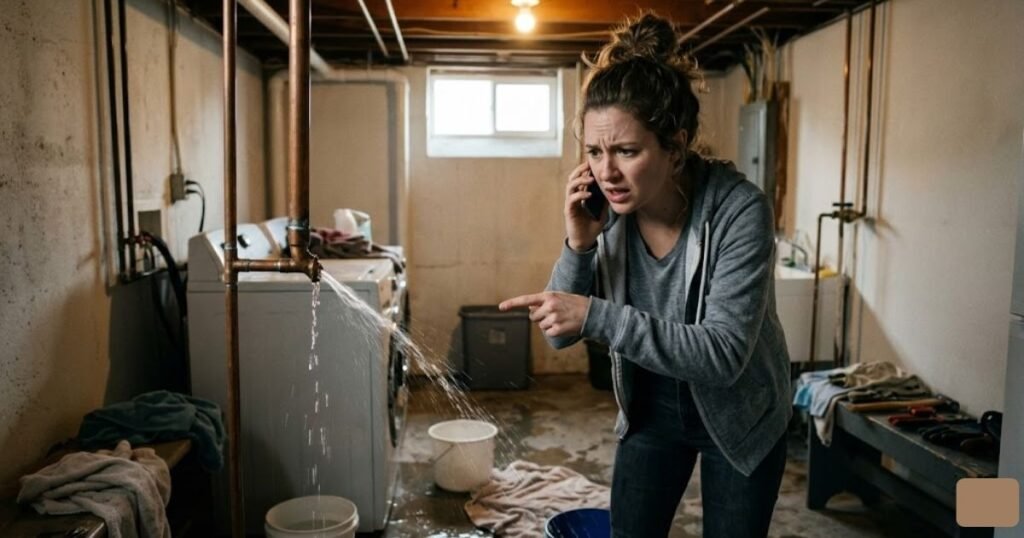
When a pipe repair is an emergency
Not every drip requires an emergency call. However, certain signs tell you that you need an urgent pipe repair immediately. Look for these red flags:
- Flooding or standing water: If you see a pool of water on your floor, call a pro.
- Water spraying from a joint: High-pressure leaks cause the most damage in the shortest time.
- A sudden drop in water pressure: This often indicates a major break in the main line.
- Soggy spots on walls or ceilings: These indicate a hidden leak that is currently damaging your structure.
- The sound of running water: If all faucets are off but you hear rushing water, a pipe has failed.
- Sewage backup: If water comes up through your drains, this is a health hazard and an emergency.
- Visible mold or a musty smell: This suggests a long-term leak has finally become a major problem.
- Icy pipes in winter: Frozen pipes often burst as they thaw. Treat them as a ticking time bomb.
READ MORE: How to Stop a Leak Until the Plumber Arrives: A Homeowner’s Guide
Burst Pipe Repair First 10 minutes — what to do now
When you realize you have a plumbing emergency, do not panic. Follow these steps in order. Speed is your best friend right now.
- Shut off the water main. This is the most important step. Find your main water shut-off valve. It is usually in the basement, a crawl space, or near the water meter by the street. Turn it clockwise until it stops. This stops the flow of water into your home.
- Turn off the electricity. If water is leaking near outlets, appliances, or your fuse box, go to your electrical panel. Turn off the power to those specific zones. Safety comes first. Never walk through standing water if the power is still on.
- Drain the remaining water. Open the lowest faucet in your house. Usually, this is a laundry tub or an outdoor hose bib. Then, open the highest faucet. This drains the water already sitting in your pipes so it doesn’t leak out of the break.
- Assess the damage. Look at the leak. Is it a small crack or a total pipe failure? Take a quick video or several photos. You will need these for your insurance company later.
- Clear the area. Move furniture, rugs, and electronics away from the water. If you have an aging parent in the home, move them to a dry, safe room.
- Call an emergency plumber. Now that the water is off, you have a moment to breathe. Call a professional to get on their schedule immediately.
READ MORE: How to Stop a Leaking Pipe with Water in it
How to Stop a Leaking Pipe by Pros
When the plumber arrives, they move quickly. They want to stop the damage and restore your service. Here is what the process looks like:
- Initial Inspection: The plumber asks where you first saw the water. They check the shut-off valve you used.
- Leak Detection: If the leak is behind a wall, they may use thermal imaging cameras. They might also use acoustic sensors to “hear” where the water is escaping.
- Accessing the Pipe: They may need to cut a small hole in your drywall or remove a floorboard. A good plumber explains why they need to do this before they start.
- Diagnostic Explanation: The plumber tells you what broke. They might find a corroded copper pipe, a cracked PVC joint, or a burst PEX line.
- Estimate Delivery: They provide a written estimate for the urgent pipe repair cost. They should explain if it is a simple patch or if you need a larger replacement.
What to say to your emergency plumber
When you call, give them these three details to help them come prepared:
- Location: “The leak is in the upstairs bathroom ceiling.”
- Symptoms: “Water is spraying, and I had to shut off the main valve.”
- Access: “The pipes are behind a tiled wall/in a crawl space.”
READ MORE: Top Leak Detectors for House: Best Water Leak Detectors 2026
Urgent Pipe Repair Cost expectations
Plumbing emergencies are rarely cheap, but knowing the numbers helps you plan. Costs vary based on your location, the time of day, and the difficulty of the repair. Pipes inside a concrete slab cost much more to fix than pipes under a kitchen sink.
The following figures represent typical market ranges reported by Google sources:
- Average repair for a burst pipe: You can expect to pay ≈ $500 for a standard repair (typical range: $150–$2,000 for a common burst/repair) (source: Google reported averages).
- Emergency plumber call / trip fee: Most pros charge a flat fee just to show up. This usually runs ≈ $100–$350 (many emergency services add a trip or after-hours fee) (source: Google reported averages).
- Hourly emergency plumber rates: During the night or on weekends, labor costs spike. Expect to pay ≈ $100–$500 per hour (common averages reported near $170/hr for emergency work) (source: Google reported averages).
- Per-foot repair pricing: If the plumber needs to replace a long section of pipe, they may bill by length. This usually costs ≈ $150–$250 per linear foot (materials + labor combined) (source: Google reported averages).
- Water restoration costs: If the water soaked your carpets or drywall, a plumber cannot fix that. You will need a restoration crew. For drying and extraction, expect $1,000–$4,000+ depending on the area and severity (source: Google reported averages).
Why is the range so wide? A pipe in a crawl space is easy to reach. A pipe buried under your driveway requires heavy machinery. Furthermore, an emergency pipe repair on Christmas Day will cost more than one on a Tuesday afternoon. Always ask for a written quote before the work begins.
READ MORE: How to Find a Hidden Water Leak in Your Wall: Step by Step DIY Guide
Repair options explained
You have several paths to take depending on your budget and the state of your plumbing.
DIY Stopgap
This is a temporary fix. You use pipe repair tape or a rubber patch kit. This only buys you a few hours or days. It does not solve the underlying problem. Only use this if you cannot get a plumber for several hours and you must have the water back on briefly.
Emergency Plumber Repair
The plumber cuts out the damaged section of the pipe. They install a new piece of pipe using couplings. This is the most common urgent pipe repair. It is fast and effective for a single break.
Partial Replacement
If the plumber sees that the rest of the pipe looks thin or corroded, they might suggest replacing the whole “run.” This means replacing the pipe from one joint to the next. It costs more now but prevents another emergency next week.
Full Replacement (Repiping)
If your home has old galvanized steel or outdated polybutylene pipes, one leak is just the beginning. A full repipe replaces every pipe in the house. This is a major investment but adds significant value and peace of mind to your home.
Water Extraction & Restoration
If the leak was large, the repair isn’t finished when the pipe is fixed. Restoration pros use industrial fans and dehumidifiers to pull moisture out of your home. This prevents mold and structural rot.
READ MORE: How to Repair a Burst Water Pipe
Comparison Table: Urgent Pipe Repair Options
| Option | Typical Response Time | Typical Cost Range | Pros | Cons | Best For |
| DIY Stopgap | 30–60 minutes | $20–$50 | Very cheap; instant | Not a permanent fix; high risk of failure | Small pinhole leaks; waiting for pro |
| Emergency Repair | 2–4 hours | $500–$1,500 | Stops the leak fast; professional | Emergency fees apply; may be a “band-aid” | Single burst pipe; active flooding |
| Partial Replace | 4–8 hours | $800–$2,500 | More durable; prevents near-term leaks | More invasive; higher labor cost | Corroded sections; repeated leaks |
| Full Replace | 2–5 days | $5,000–$15,000+ | Permanent solution; increases home value | Very expensive; major disruption | Old homes; systemic pipe failure |
| Restoration | 24–72 hours | $1,000–$4,000+ | Prevents mold; saves flooring | High cost; noisy equipment | Major floods; soaked drywall/carpets |
Note: All costs listed above are estimates based on standard national averages. Total costs may increase based on the scope of water damage.
Insurance, documentation & when to call restoration/mold pros
Homeowners insurance usually covers “sudden and accidental” water damage. This includes a pipe that bursts out of nowhere. It usually does not cover damage from slow leaks that you ignored for months.
How to document the damage:
- Take “Before” Photos: Photograph the standing water and the broken pipe before the plumber fixes it.
- Keep the Part: Ask the plumber to save the piece of pipe they removed. Your insurance adjuster may want to see the cause of the failure.
- Log the Timeline: Write down when you found the leak, when you shut the water off, and when the plumber arrived.
- Save All Receipts: Keep every invoice from the plumber and the hardware store.
Call a restoration pro if the water touched drywall, insulation, or carpeting. You cannot dry these items with a standard household fan. Professional water damage cleanup cost is high, but it is cheaper than a full mold remediation later. If you see black spots or smell an earthy, damp odor, call a mold specialist immediately.
READ MORE: Hot Water Runs Out Too Fast — Fixes, Costs & When to Replace
How to choose a trustworthy emergency plumber
In an emergency, you might feel rushed. However, hiring the wrong person can make things worse. Use this checklist before you say “yes” to the work:
- License and Insurance: Ask for their license number. Ensure they carry liability insurance and workers’ compensation.
- Transparent Fees: Ask, “What is your emergency trip fee and your hourly rate?”
- References: Check online reviews from the last six months. Look for mentions of “emergency” or “fast response.”
- Written Estimate: Never agree to work based on a verbal quote over the phone. A pro should see the damage and give you a written number.
- Availability: Ensure they can start the repair immediately. Some companies charge an emergency fee but then tell you they can’t get parts until Monday.
Pipe Maintenance Preventive tips
You can avoid a future urgent pipe repair with a little bit of maintenance.
- Insulate your pipes: Wrap pipes in unheated areas (like the garage or attic) with foam sleeves.
- Check your water pressure: Buy a simple pressure gauge at a hardware store. High pressure (over 80 psi) wears out pipes and causes bursts.
- Install a leak detection system: Modern smart home devices can sense a leak and automatically shut off your water main.
- Replace old hoses: Replace rubber washing machine hoses with braided stainless steel hoses every five years.
- Listen to your home: If you hear banging (water hammer) when you turn off a faucet, call a plumber for a check-up.
FAQs
How much does urgent pipe repair cost?
The urgent pipe repair cost typically averages around $500, though the range spans from $150 to $2,000 for standard fixes. You must also factor in emergency trip fees ($100–$350) and potential water damage cleanup cost ($1,000–$4,000+). Total costs depend heavily on the pipe’s location and the time of day.
Can I stop a leaking pipe myself until the plumber arrives?
Yes, you can take temporary steps. First, shut off the main water valve. Second, drain the lines by opening the lowest faucet in the house. Third, apply a pipe repair clamp or silicone tape to the leak site. Do not use electrical tools or hair dryers near standing water to dry the area.
When should I call an emergency plumber instead of waiting for a regular appointment?
Call an emergency plumber if you see flooding, water spraying from walls, or a sewage backup. If you cannot shut off your main water valve, that is also a major emergency. Visible structural damage or water near electrical panels requires immediate professional help.
Will homeowners insurance cover burst pipe repairs and water damage?
Most policies cover damage from a sudden and accidental burst pipe. They typically pay for the water extraction and repairs to floors or walls. However, they may not cover the cost of the actual pipe repair itself, as that is considered “maintenance.” They also rarely cover damage from long-term, slow leaks.
How long does it take to dry out and repair water damage after a burst pipe?
Professional drying usually takes three to five days using industrial dehumidifiers and air movers. If the water soaked deep into the subfloor or drywall, it might take longer. Structural repairs, like replacing drywall and flooring, can take another week or two.
Final Verdict
Take a deep breath. You have already done the hardest part by shutting off the water and finding the information you need. Plumbing issues are stressful, but they are fixable. By acting quickly and hiring a pro, you protect your home and your family. Stay safe, stay dry, and call a professional now to get your home back to normal.

