Discovering water leaking through ceiling surfaces is one of the most stressful experiences a homeowner can face. Whether it is a slow, steady drip staining the drywall or a sudden rush of water threatening your living room furniture, panic usually sets in immediately. Your first instinct is to grab a bucket, but your second thought is critical: Who do I call for a water leak in my ceiling?
Calling the wrong professional can lead to wasted time, unnecessary diagnostic fees, and prolonged damage to your home’s structural integrity. A roofer cannot fix a burst bathroom supply line, and a plumber cannot patch a damaged roof shingle. Knowing exactly who to contact depends entirely on the root cause of the issue.
The right professional depends on the source of the leak:
- Plumber for leaking pipes, bathrooms, toilets, and plumbing fixtures.
- Roofer for rainwater entering through the roof.
- HVAC technician for leaking AC condensate lines or drain pans.
- Electrician when water reaches electrical fixtures or wiring.
- Water damage restoration company for drying and treating damaged building materials.
Lets deep dive into “Who to Call for Water Leak in Ceiling: Plumber or Roofer?”
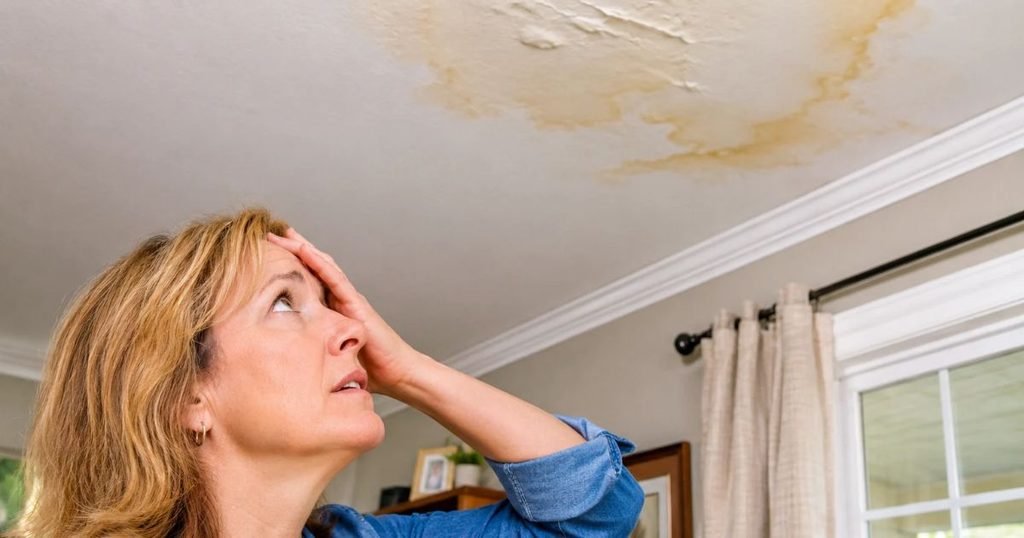
Who Should You Call First for a Water Leak in Your Ceiling?
When faced with a ceiling water leak repair project, identifying and stopping the source is always step number one. If you call a drywall contractor while a pipe is actively gushing water behind your ceiling, patching the hole will only trap more water, leading to catastrophic structural collapse and severe mold growth.
Your decision on who to contact first depends on a quick assessment of the situation:
- When to call an emergency plumber: If the leak occurs directly beneath a bathroom, laundry room, kitchen, or multi-story hallway or if the water is flowing continuously regardless of whether it is raining outside a plumbing leak in ceiling infrastructure is the most likely culprit.
- When to contact a roofing contractor: If the leak happens only during rainstorms or heavy snowfall, or if it is located on the top floor directly under the attic or roof slope, you are likely dealing with a roof leak.
- When an HVAC technician is necessary: If the leak occurs during peak summer air conditioning season, is located near an attic-mounted air handler, or accompanies a damp HVAC closet, an HVAC condensate leak is the prime suspect.
- When to call an electrician: Whenever water is actively dripping from or near ceiling light fixtures, recessed cans, or ceiling fans, electrical safety takes precedence over plumbing or roofing diagnostics.
- When to contact a water damage restoration company: Once the active leak has been stopped, a water damage restoration company is essential for professional water extraction, industrial drying, and structural dehumidification.
Calling the wrong professional causes frustrating delays. For example, hiring a roofer for a leaking second-story bathtub drain means paying a service fee only to be told you need an emergency plumber for a ceiling leak instead.
READ MORE: Top Leak Detectors for House: Best Water Leak Detectors
7 Professionals Who Can Help Fix a Ceiling Water Leak
Understanding the specific roles of various trades helps ensure you get the right expert on-site immediately. Here is a detailed breakdown of the seven professionals who may be involved in a comprehensive ceiling leak repair process.
1. Plumber – For Leaking Pipes and Bathroom Fixtures
Plumbers are your first line of defense when water originates from internal supply lines, drain pipes, or fixtures. A licensed plumber handles a wide array of residential issues:
- Burst or leaking water pipes: Copper, PEX, or galvanized pipes hidden within ceiling cavities or wall studs can crack due to age, pressure, or freezing temperatures.
- Leaking bathroom plumbing: Second-story bathrooms are notorious sources of ceiling water leaks downstairs. Failed wax rings under toilets, loose supply lines, or degraded tile grout allow water to seep through subfloors.
- Toilet supply line problems: Corroded shut-off valves or loose braided lines frequently leak.
- Shower and bathtub drain leaks: Aging PVC traps, degraded mortar beds, or faulty tub overflows leak every time the fixture is used.
- Kitchen sink and dishwasher connections: Undersink plumbing or supply lines can back up and overflow down through kitchen ceilings.
- Washing machine supply hoses: Rubber hoses degrade over time; when they rupture, they flood laundry rooms and drop water straight through ceilings below.
- Hidden plumbing leaks inside ceilings: Using acoustic listening devices and thermal cameras, plumbers locate pressurized leaks without tearing apart your entire house.
When water is actively flowing and cannot be stopped at a localized fixture shut-off valve, calling an emergency plumber for ceiling leak mitigation is vital.
2. Roofer – For Rainwater and Roof Leaks
When water leaking from ceiling structures correlates directly with weather events, a roofing contractor is required. Roofers specialize in exterior envelope integrity and address numerous vulnerabilities:
- Damaged or missing roof shingles: High winds, hail, and physical wear leave underlying roof decking exposed to rainwater infiltration.
- Cracked roof flashing: Metal flashing around chimneys, dormers, and wall intersections deteriorates over time, allowing water to track down into attic rafters and ceilings.
- Skylight leaks: Improperly sealed or aging skylights are frequent culprits for indoor water intrusion.
- Chimney flashing problems: Mortar decay and rusted step flashing let water run directly down chimney chases into interior spaces.
- Roof vent leaks: Plumbing vent stacks and exhaust fans rely on rubber boots that crack under UV exposure.
- Storm and wind damage: Sudden severe weather creates breaches that require urgent tarping and repairs.
- Ice dams: In colder US climates, heat escaping into the attic melts snow on the roof, which refreezes at the eaves, backing water up underneath shingles and into the ceiling.
A professional roof inspection ensures that exterior vulnerabilities are sealed before the next storm hits.
3. HVAC Technician – For Air Conditioner Leaks
Modern residential heating, ventilation, and air conditioning systems often sit in the attic or utility closets on upper floors. When these systems malfunction, they can dump gallons of water into your home:
- Clogged AC condensate drain lines: Algae, mold, and dust build up inside condensate lines, blocking drainage and backing water out of the primary drain pan.
- Damaged condensate drain pans: Rusted, cracked, or poorly pitched secondary drain pans fail to catch overflow.
- Improper drainage: Improperly installed PVC traps or missing vent tees prevent smooth water flow.
- Frozen evaporator coils: Dirty air filters or refrigerant leaks cause coils to freeze. When the unit cycles off, the massive ice block melts faster than the pan can drain, causing indoor flooding.
- Attic HVAC unit leaks: Because these units are elevated above living spaces, a minor condensate leak quickly manifests as ceiling water damage repair needs in rooms below.
If you notice water leaking when your AC is running, turning off the system immediately and calling an HVAC technician prevents further flooding.
4. Electrician – For Water Near Ceiling Lights and Wiring
Water and electricity are a lethal combination. When a water leaking from ceiling light fixture scenario occurs, an electrician is non-negotiable. Risks include:
- Water entering ceiling light fixtures and chandeliers.
- Short circuits in recessed lighting (can lights).
- Moisture accumulating inside ceiling fans.
- Water pooling in electrical junction boxes.
- Compromised wire insulation leading to electrical fires or electrocution hazards.
Homeowners must never touch wet electrical fixtures, switches, or bulbs. If safe to do so from a dry location, turn off the breaker supplying that room, and call a licensed electrician immediately.
5. Water Damage Restoration Company
A water damage restoration company does not fix your roof or repair your plumbing; rather, they save your home from secondary damage like rot and mold. Their scope of work includes:
- Water extraction: Removing standing water from carpets, subfloors, and insulation.
- Moisture detection: Using thermal imaging and hygrometers to map hidden moisture pockets.
- Structural drying: Deploying industrial air movers and commercial dehumidifiers.
- Damaged insulation removal: Pulling out soaked fiberglass or cellulose insulation that will not dry naturally.
- Mold prevention and remediation: Applying antimicrobial treatments to stop microbial growth.
- Water damage documentation: Providing detailed logs and moisture readings for insurance claims.
6. Drywall or Ceiling Repair Contractor
Once the leak is stopped and the structure is bone dry, a drywall contractor restores your ceiling’s aesthetic appearance. Their work involves:
- Cutting away water-damaged drywall and sagging sections.
- Installing new drywall sheets or patches.
- Taping, mudding, and sanding seams.
- Texture matching (popcorn, knockdown, smooth, or orange peel).
- Applying stain-blocking primer and painting the ceiling to match seamlessly.
7. Mold Remediation Specialist
If a ceiling leak went unnoticed for weeks or months, or if contaminated water (such as sewage backup or storm floodwater) was involved, a mold remediation specialist is necessary. They safely contain the affected area, utilize HEPA air scrubbers, remove colonized materials, and ensure indoor air quality is restored.
READ MORE: How to Find a Hidden Water Leak in Your Wall: Step by Step DIY Guide
How to Identify the Source of a Water Leak in Your Ceiling
Pinpointing the origin of a leak can be challenging because water travels along framing, joists, and electrical wires before finding a low point to drip. However, certain patterns offer clear clues:
- Water leaking below an upstairs bathroom: Almost always points to plumbing—tub drains, toilet wax rings, or supply lines.
- Water stains on the top-floor ceiling: Usually indicates a roof leak, attic HVAC issue, or flashing failure.
- Ceiling leaks during heavy rain: Points directly to roofing, siding, gutter overflows, or chimney issues.
- Water dripping when the AC is running: Signals an HVAC condensate leak or clogged drain line.
- Leaks around ceiling lights: Indicates roof water running down electrical conduit or plumbing stack penetrations into light boxes.
- Brown or yellow ceiling stains: Suggests a slow, historical leak or intermittent moisture exposure.
- Bubbling or peeling ceiling paint: Shows that moisture is trapped behind the paint film, ready to burst open.
- Musty odors and visible mold: Points to prolonged, hidden moisture accumulation within ceiling cavities.
What to Do Immediately When Water Is Leaking Through Your Ceiling
When water starts pouring or dripping through your ceiling, quick, calm action minimizes damage and safety risks. Follow this 10-step emergency action guide:
- Keep people and pets away from the affected area to prevent slips or injury from falling debris.
- Stay away from sagging or bulging ceilings. Never puncture a water-filled bulge with a sharp tool unless instructed by a professional, as the sudden weight of water can cause the entire ceiling to collapse on you.
- Move furniture, electronics, and valuables out of the drip zone if it is safe to do so.
- Place a bucket or heavy-duty plastic bin under a small, controlled drip to catch water. Lay down towels to protect flooring.
- Shut off the main water supply if a plumbing leak is suspected and the shut-off valve is safely accessible.
- Avoid touching wet light fixtures, switches, and electrical equipment under any circumstances.
- Turn off the affected electrical circuit from your main breaker panel only if you can do so safely from a dry location.
- Contact the appropriate emergency professional (emergency plumber, roofer, or HVAC technician) depending on the suspected source.
- Photograph and record video of all visible damage before cleanup begins for insurance documentation.
- Contact your homeowners insurance company to report the incident and open a claim if structural damage is significant.
READ MORE: Why is my water bill so high but no visible leaks (Cause, Fix & Costs)
How Much Does It Cost to Fix a Water Leak in the Ceiling?
Repair costs vary widely based on the severity of the leak, the trade required, emergency dispatch fees, and geographic location across the United States. Below is a comprehensive cost comparison table reflecting current US home repair industry averages:
| Repair or Service | Estimated Cost Range (USD) |
| Emergency plumber visit | $150 – $500 (diagnostic & after-hours fee) |
| Plumbing leak repair | $250 – $1,200+ (depending on pipe location) |
| Roof leak repair | $300 – $1,500+ (patching flashing or shingles) |
| HVAC condensate leak repair | $150 – $500 (clearing lines, pan repair) |
| Water damage restoration | $1,000 – $4,000+ (drying, extraction, demolition) |
| Ceiling drywall repair | $300 – $1,500 (patching, texturing, painting) |
| Mold remediation | $500 – $3,000+ (depending on affected square footage) |
Key Cost Factors:
- Labor and material costs: Union or high-cost-of-living metropolitan areas feature steeper hourly contractor rates.
- Emergency vs. scheduled service: Calling contractors on weekends, holidays, or late at night incurs premium callout fees.
- Extent of hidden damage: Minor drywall patches are inexpensive, but replacing rotted ceiling joists, ruined insulation, and damaged subfloors drives costs up significantly.
Does Homeowners Insurance Cover Water Leaks in the Ceiling?
Understanding your insurance policy prevents unpleasant surprises when filing a claim. Generally, homeowners insurance covers water damage that is sudden and accidental, but denies claims resulting from gradual wear, lack of maintenance, or neglect.
- Covered: Burst pipes, sudden appliance hose ruptures, or roof damage caused by a severe, named storm.
- Not Covered: Slow plumbing leaks that went ignored for months, rot caused by chronic roof leaks, or damage stemming from deferred home maintenance.
- Flood vs. Water Damage: Standard policies exclude rising natural floodwaters from outside; you need separate flood insurance for that.
- Deductibles: Keep in mind that if your repair estimate is $1,200 and your deductible is $1,000, filing a claim may not make financial sense given potential premium increases.
How to Choose the Right Professional for a Ceiling Water Leak
Hiring reputable contractors protects your home and wallet. Use this practical vetting checklist before signing any agreement:
- Licensing: Verify that the plumber, roofer, or contractor holds an active state or local license.
- Insurance: Ensure they carry active general liability and workers’ compensation insurance.
- Experience: Ask if they specialize in diagnosing hidden ceiling leaks and structural repairs.
- Reviews & References: Check verified customer reviews on platforms like Google, Yelp, and the Better Business Bureau.
- Written Estimates: Demand detailed, itemized quotes outlining labor, materials, and warranty terms.
- Emergency Availability: Confirm whether they offer 24/7 emergency dispatch for active water leaks.
- Warranties: Look for workmanship guarantees on repairs.
5 Questions to Ask Before Hiring:
- Are you licensed and insured in this state to perform this specific trade work?
- Can you provide references from recent local clients with similar water damage projects?
- What is your estimated timeline for stopping the leak and drying out the space?
- Do you provide a written warranty on your labor and installed materials?
- Will your team assist with photo documentation and paperwork for my insurance claim?
READ MORE: Water Leak Repair Near Me
Can One Company Handle the Entire Ceiling Leak Repair?
Fixing a ceiling leak often requires multiple skill sets: stopping the leak (plumber/roofer), drying the structure (restoration company), and patching the drywall (drywall contractor).
Many full-service water damage restoration companies or general contractors offer turnkey project management. They coordinate plumbers, electricians, and drywallers under one umbrella.
- Pros of hiring one company: Single point of contact, seamless scheduling, and centralized accountability.
- Cons of hiring one company: General contractors often mark up subcontractor pricing, and specialized trade work (like complex roof rebuilding) might still be outsourced.
For minor leaks, hiring individual specialists is straightforward. For major floods involving structural framing, insulation, and multi-room restoration, a general contractor or full-service restoration firm simplifies the process.
How to Prevent Future Ceiling Water Leaks
Proactive home maintenance is the best defense against catastrophic ceiling leaks. Implement these preventative habits:
- Inspect your roof periodically: Check shingles, flashing, and gutters twice a year and after major storms.
- Maintain plumbing fixtures: Replace rubber washing machine supply hoses with braided steel lines every 5 years.
- Service your HVAC system: Schedule annual AC tune-ups and pour a cup of white vinegar down your condensate line every spring to prevent algae clogs.
- Check attic spaces: Inspect your attic after heavy rains for early signs of moisture or damp insulation.
- Monitor water bills: Unexplained spikes in your municipal water bill often indicate hidden plumbing leaks inside walls or ceilings.
- Install smart leak detectors: Place wireless water sensors near water heaters, washing machines, and HVAC drip pans for instant smartphone alerts.
Final Thoughts:
A ceiling water leak is never a problem that resolves itself. Whether you need an emergency plumber for a burst pipe, a roofer for storm-damaged shingles, an HVAC technician for a clogged condensate line, or a water damage restoration specialist for structural drying, prompt action is essential.
By identifying the source, prioritizing electrical safety, and hiring qualified local professionals, you can protect your home’s value, prevent hazardous mold growth, and restore your peace of mind. Do not wait for a small stain to turn into a ceiling collapse—reach out to a trusted professional today.
FAQs
Who do I call when water is leaking through my ceiling?
The professional you call depends entirely on the source of the leak. Call an emergency plumber if the leak stems from a pipe, bathroom, or appliance. Contact a roofing contractor if rain is entering through the roof. Reach out to an HVAC technician if an air conditioner drain pan is overflowing, or an electrician if water is near light fixtures.
Should I call a plumber or roofer for a ceiling leak?
Call a plumber if the leak occurs underneath a bathroom, kitchen, or multi-story area, or if it happens during dry weather. Call a roofer if the leak is located on the top floor, directly under the attic, and occurs exclusively during rainstorms or heavy snowmelt.
Is a water leak in the ceiling considered an emergency?
Yes, an active water leak in a ceiling is always an emergency because water compromises drywall structural integrity, ruins insulation, damages flooring, and creates severe electrical and slip hazards. Turn off the main water supply and relevant electrical breakers immediately.
Does homeowners insurance cover water damage from a leaking ceiling?
Homeowners insurance generally covers water damage that is sudden and accidental, such as a burst pipe or sudden roof storm damage. However, it typically excludes damage resulting from poor maintenance, gradual pipe leaks, or wear and tear. Review your specific policy details with your insurance agent.
How much does it cost to repair a water leak in the ceiling?
Total repair costs vary based on the root cause and extent of damage. Minor plumbing or HVAC repairs may cost $150 to $500, while complex roof repairs, extensive structural water damage restoration, and drywall replacement can range from $1,000 to $4,000 or more depending on severity and local labor rates.
Sources and References:
- Federal Emergency Management Agency (FEMA) – Water Damage Restoration & Home Safety Guidelines (fema.gov)
- Environmental Protection Agency (EPA) – Mold Remediation in Schools and Commercial/Residential Buildings (epa.gov)
- Insurance Information Institute (III) – Understanding Homeowners Insurance and Water Damage Coverage (iii.org)
Disclaimer: This article is for informational and educational purposes only. Home repairs—especially those involving electrical wiring, roofing heights, structural framing, and pressurized plumbing—carry inherent safety risks. Always consult and hire licensed, bonded, and insured local professionals for plumbing, roofing, electrical, and structural restoration work.

