Picture this: You are sitting at your kitchen table, opening up your monthly utility bills, and your jaw drops. Your water bill is double or even triple what it usually is, yet your daily habits haven’t changed by an ounce. There are no pool parties in December, nobody left the garden hose running, and you certainly haven’t taken up marathon-length showers. Or perhaps you walk down the hallway in the morning and notice a strange, faint warmth under your bare feet on the hardwood floor, followed days later by a musty, earthy smell that won’t go away.
These are the classic, quiet warning signs of a hidden plumbing leak. According to the U.S. Environmental Protection Agency (EPA) WaterSense program, household leaks can waste nearly 10,000 gallons of water every year for an average home, enough to wash more than 270 loads of laundry. Worse yet, when water escapes behind walls, beneath concrete slabs, or underground, it doesn’t just run up your utility tab; it rots wood framing, corrodes metal fasteners, ruins drywall, and fosters toxic mold growth that can threaten your family’s health.
When water goes rogue behind the scenes, standard guesswork won’t cut it. Tearing open your drywall or jackhammering your living room floor on a hunch is messy, expensive, and entirely unnecessary. This is where professional water leak detection services come in. In this comprehensive guide, we will break down what these services entail, how specialists find hidden problems, what you can expect to pay, and how to choose the right professional to protect your home. Lets deep dive into “Professional Water Leak Detection Services: Costs & Guide”
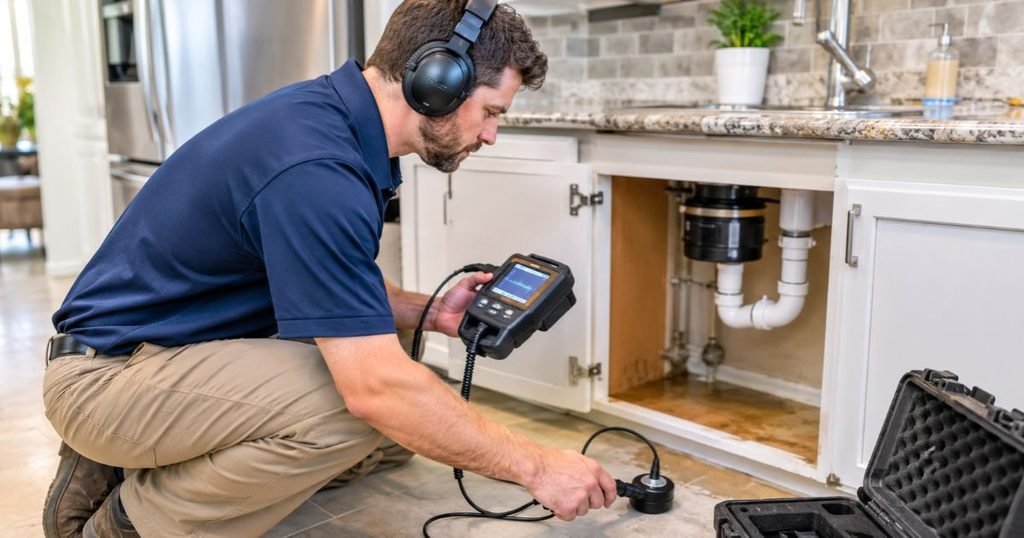
What Are Water Leak Detection Services?
Professional water leak detection services are specialized diagnostic operations performed by trained plumbing experts using advanced electronic, acoustic, and thermal equipment to pinpoint the exact location of hidden water leaks without causing unnecessary destruction to your property.
Many homeowners assume that any plumber can find a leak. While a standard plumber is a master at fixing broken pipes, clearing clogs, and installing water heaters, specialized leak detection is a distinct discipline. Basic plumbing inspections usually involve checking visible fixtures like under-sink P-traps, toilet flappers, and exposed water heater connections. In contrast, residential leak detection services are designed for subsurface, behind-the-wall, and underground plumbing issues that cannot be seen with the naked eye.
Utilizing non-invasive leak detection techniques allows specialists to listen through concrete, scan behind finished drywall, and map out underground supply lines with pinpoint accuracy. Early leak identification matters because water damage follows a compounding curve: a pinhole leak that costs a few hundred dollars to fix today can easily morph into a multi-thousand-dollar structural restoration project if left to saturate your home’s framing for months.
READ MORE: How to Find a Hidden Water Leak in Your Wall: Step by Step DIY Guide
Common Signs You Need Professional Water Leak Detection Services
Because hidden leaks happen out of sight, your home will usually try to whisper or shout that something is wrong through subtle physical and financial clues. Keep an eye out for these warning signs:
- Unexpectedly high water bills: If your usage habits are steady but your utility bills keep climbing, a hidden leak is often the culprit.
- Water meter moving when all fixtures are turned off: This is the ultimate “smoke detector” test for a plumbing leak. If the small red or blue indicator triangle on your water meter is spinning while every faucet and appliance in the house is shut tight, water is escaping somewhere.
- Damp or discolored walls and ceilings: Yellowish or brown water rings, peeling paint, bubbling wallpaper, or sagging drywall indicate a slow, persistent leak from an overhead pipe or roof flashing.
- Unexplained mold or musty odors: Persistent dampness feeds mold growth. If you smell mildew in a closet or hallway with no obvious source, moisture is likely trapped behind the walls.
- Warm spots on floors: If you have a slab leak on a hot water supply line, a specific patch of your tile, carpet, or hardwood floor will feel uncomfortably warm to the touch.
- Reduced water pressure: A significant break or major pinhole leak in your main supply line can rob your shower and kitchen faucets of their usual force.
- Sound of running water when plumbing fixtures are off: If you hear a faint hissing or rushing sound in quiet rooms near a bathroom or utility closet, water may be flowing continuously through a compromised pipe.
- Wet spots in the yard or foundation area: Saturated soil, lush green patches of grass in the middle of a dry yard, or pooling water near your home’s foundation point toward an underground or exterior line break.
- Cracks or damage associated with persistent moisture: Shifting soil beneath a foundation due to escaping water can cause hairline cracks in drywall, sticking doors, or uneven flooring.
While a minor under-sink drip can wait for a convenient weekend DIY fix, signs like a spinning water meter, warm spots on a slab, or a sudden pressure drop require urgent professional attention to prevent catastrophic property damage.
Types of Water Leaks Professionals Can Detect
Different parts of your plumbing system present unique diagnostic challenges. Professional leak detection companies are equipped to handle a wide variety of scenarios:
Hidden Plumbing Pipe Leaks
Pipes run through interior walls, floor joists, and ceilings throughout your home. Over time, pipe materials can corrode due to age, water chemistry, or pressure spikes. A plumbing leak detection specialist can trace these pipes without ripping down entire walls.
Slab Leaks Beneath Concrete Foundations
Slab leaks occur when copper or PEX water supply lines running underneath or inside your home’s concrete foundation develop a leak. These are notoriously tricky because the pipe is encased in concrete. Left undetected, slab leaks can erode the soil base, causing foundation settling and structural cracking.
Underground Water Line Leaks
The main water service line running from your municipal meter or private well to your house is subjected to soil movement, tree roots, and shifting ground temperatures. An underground leak wastes massive amounts of water and can wash away soil around your foundation.
Wall and Ceiling Leaks
Whether caused by a loose shower pan liner, a leaking second-story toilet flange, or a corroded supply line behind drywall, wall and ceiling leaks require careful moisture mapping to ensure the entire wet zone is identified before mold takes root.
Bathroom and Kitchen Plumbing Leaks
While visible leaks under sinks are easy to spot, complex bathroom leaks—such as those behind tile surrounds, shower diverters, or built-in bathtubs—often require specialized thermal or acoustic tools to locate accurately.
Water Heater and Supply Line Leaks
Water heaters endure constant thermal expansion and pressure. Connections, valves, and tank seams can fail, leading to slow leaks that pool quietly in utility drip pans or seep into subflooring.
Leaks in Irrigation and Outdoor Water Lines
Automatic lawn sprinkler systems feature long runs of buried PVC pipe and numerous zone valves that are vulnerable to freezing temperatures, landscape equipment, and ground settling.
Swimming Pool Plumbing Leaks
For pool owners, losing more than a quarter-inch of water per day via evaporation usually signals a structural pool shell crack or a leak in the underground PVC lines feeding the pump and filter system.
READ MORE: Why is my water bill so high but no visible leaks (Cause, Fix & Costs)
How Do Professional Water Leak Detection Services Work?
When you hire a leak detection specialist, they follow a systematic, methodical process to track down the source of water intrusion. While every situation is unique, a standard professional inspection generally follows these steps:
- Initial homeowner consultation: The technician discusses what you have noticed—such as bill spikes, sounds, or damp spots to narrow down the suspected zones.
- Review of visible warning signs: A physical walk-through of the home allows the technician to inspect accessible plumbing, water heater areas, and water meter locations.
- Water meter and plumbing system inspection: The specialist checks the meter flow indicator and isolates sections of the plumbing network using control valves to determine if the leak is on the hot or cold side, or indoors versus outdoors.
- Pressure testing, when appropriate: Technicians attach pressure gauges to hose bibs or test plugs to isolate specific pipe loops and measure whether pressure holds steady or drops over a set period.
- Use of specialized leak detection equipment: Depending on the clues gathered, the technician deploys acoustic listening devices, thermal cameras, or moisture meters to survey the suspected areas.
- Identification and confirmation of the suspected leak location: Once the anomaly is isolated, the technician marks the precise spot on the floor, wall, or ground, often within a margin of inches.
- Inspection report and repair recommendations: You receive a detailed breakdown of where the leak is located, what caused it, and a recommended strategy for repair.
Technologies Used by Professional Water Leak Detection Companies
Modern non-invasive leak detection relies heavily on high-tech diagnostic equipment. Understanding these tools helps demystify what the technician is doing in your home:
Acoustic Leak Detection Equipment
Water escaping from a pressurized pipe under a concrete slab or behind a wall creates a distinct high-frequency sound vibration. Technicians use highly sensitive electronic ground microphones and surface amplifiers to listen through floors and walls, pinpointing where the sound is loudest.
Thermal Imaging Cameras
Infrared (IR) thermal cameras detect subtle surface temperature variations. Because moisture changes the thermal mass and evaporation rate of building materials, a hidden water leak behind a wall or under a floor will show up as a distinct cool or warm thermal anomaly on the camera display.
Infrared Inspection
Similar to thermal imaging, infrared sensors map ambient heat signatures to track moisture migration paths across ceilings, baseboards, and subfloors without tearing into finishes.
Electronic Leak Detection Devices
These instruments use radio frequencies or electromagnetic signals to trace metallic and non-metallic pipes underground or inside walls, ensuring technicians know the exact path of the plumbing infrastructure.
Moisture Meters
Pin-type and pinless digital moisture meters measure the electrical resistance or dielectric property of building materials. They allow technicians to confirm whether drywall, framing, or subflooring is actively wet or dry.
Video Pipe Inspection Cameras
Push-cameras mounted on flexible fiber-optic lines are threaded directly into drain lines, sewer pipes, or supply lines to visually inspect for cracks, root intrusion, joint separations, and pipe collapses from the inside.
Tracer Gas Detection, Where Appropriate
For stubborn or extremely tiny leaks where acoustic tools struggle, technicians may empty and pressurize the plumbing line with a harmless tracer gas (such as a nitrogen-hydrogen mix). The gas escapes through the leak and travels upward through soil or concrete, where a specialized sensor sniffs it out at the surface.
Pressure Testing Equipment
Manometers and digital pressure gauges test the integrity of closed plumbing loops, verifying whether a system maintains stable pressure or suffers from micro-leaks.
Note: No single technology is a silver bullet. Experienced professionals often combine acoustic listening with thermal imaging or pressure testing to cross-verify results and eliminate guesswork.
READ MORE: Who to Call for Water Leak in Ceiling: Plumber or Roofer?
How Much Do Water Leak Detection Services Cost in the USA?
The cost of hiring a water leak detection company varies depending on your geographic location, the complexity of your plumbing layout, the accessibility of the leak, and the specific diagnostic tools required.
Typically, basic residential leak inspections range from $150 to $500, with national averages hovering around $200 to $400 for a standard diagnostic visit. Specialized subterranean or slab leak detection can run slightly higher due to the intensive technical expertise and mapping required.
Cost Breakdown Table
| Service Type | Typical Cost Range (USD) | What May Affect the Price |
| Standard Residential Leak Inspection | $150 – $500 | Home size, number of bathrooms, accessibility of pipes. |
| Slab Leak Detection | $300 – $800 | Foundation size, depth of pipes, floor covering type (tile vs. carpet). |
| Underground Main Water Line Detection | $250 – $750 | Distance from street meter to house, landscaping obstructions, depth. |
| Swimming Pool Leak Detection | $200 – $1,000 | Pool size, presence of spa/water features, line complexity. |
| Emergency / After-Hours Surcharge | +$100 – $300 | Timing (nights, weekends, holidays), urgency of dispatch. |
Note on Repairs: It is important to remember that detection fees and repair fees are almost always separate. Paying $300 for leak detection covers the technician’s time, equipment, and expertise to find the leak. Fixing the pipe, breaking concrete, or patching drywall requires separate plumbing and restoration labor.
Water Leak Detection vs. Water Leak Repair: What’s the Difference?
Homeowners often confuse finding a leak with fixing it.
- Inspection and Diagnosis: This is the investigative phase. The leak detection plumber or specialist uses acoustic devices and thermal cameras to locate the exact point of failure without tearing up your home.
- Actual Repair: This is the physical intervention. Once the leak is marked, a plumber must access the pipe—which may involve cutting a small access hole in drywall, excavating a section of yard, or tunneling under a concrete slab—and then repair or replace the damaged pipe section.
While some full-service plumbing companies offer both diagnostic leak detection and repair under one roof, others are dedicated diagnostic specialists who partner with general plumbing contractors to perform the repairs. Always ask upfront whether the company provides turnkey service from detection through restoration.
Can Homeowners Detect Water Leaks Without Professional Help?
Yes, you can perform several safe, preliminary DIY checks before calling a local water leak detection services provider:
- Checking the water meter: Turn off all indoor and outdoor water faucets, appliances, and irrigation systems. Go out to your water meter box and look at the leak indicator dial. If it is moving, water is flowing through your pipes.
- Performing a toilet dye test: Drop a few drops of food coloring into your toilet tank. Wait 15 to 20 minutes without flushing. If color seeps into the bowl, your flapper valve is leaking, wasting gallons silently.
- Inspecting exposed pipes: Visually check visible pipes under kitchen sinks, bathroom vanities, around the water heater, and behind washing machine hoses for corrosion, mineral buildup, or active dripping.
- Looking for moisture: Feel around baseboards, check under carpets near exterior walls, and examine ceilings for discoloration.
- Monitoring bills: Compare your current water bill month-over-month and year-over-year.
Important Safety Warnings for DIYers
- Never cut into walls or ceilings blindly without verifying what is behind them (electrical wires, gas lines, or structural supports).
- Avoid electrical hazards: If water is pooling near electrical outlets, breaker panels, or appliance plugs, turn off the main power breaker immediately before investigating.
- Do not excavate underground pipes without calling 811 to have local utility lines marked first to avoid striking buried gas or electric lines.
When DIY checks fail to locate the source or point toward a hidden structural leak, it is time to bring in professional equipment.
READ MORE: Top Leak Detectors for House: Best Water Leak Detectors
How to Choose the Best Water Leak Detection Company
When water is threatening your home, you want a reliable professional you can trust. Use this homeowner checklist when selecting a provider:
- Proper Licensing: Verify that the company holds valid state or local plumbing and contractor licenses where required.
- Insurance Coverage: Ensure they carry comprehensive general liability insurance and workers’ compensation to protect your property and workers.
- Specialized Experience: Ask how many years of experience they have specifically in hidden and slab leak detection not just general plumbing repairs.
- Modern Equipment: Confirm they utilize advanced non-invasive tools like acoustic listening devices and thermal cameras rather than relying solely on guesswork.
- Transparent Diagnostic Fees: Look for companies that charge clear, flat-rate inspection fees rather than open-ended hourly rates with hidden charges.
- Written Estimates: Demand detailed, written estimates for both the detection phase and the projected repair scope.
- Clear Findings: A reputable specialist will take the time to show you their diagnostic data and explain where and why the leak is happening.
- Repair Warranties: Check if they offer guarantees or warranties on their diagnostic accuracy and subsequent repair work.
- Local Reviews: Read online feedback on platforms like Google and the Better Business Bureau to gauge past customer satisfaction.
- Emergency Availability: Ensure they offer prompt response times if your situation is urgent.
Tip: Whenever time permits, collect two estimates to compare pricing and diagnostic approaches.
Does Homeowners Insurance Cover Water Leak Detection Services?
Insurance coverage is one of the most common questions homeowners ask when facing a major leak. The answer depends heavily on your specific policy language, your insurer, and how the damage occurred.
- Sudden and Accidental vs. Gradual Wear: Standard homeowners insurance policies generally cover sudden and accidental water damage (e.g., a supply line bursts abruptly, soaking your living room). However, they typically exclude damage caused by gradual wear and tear, lack of maintenance, or slow leaks that have been dripping undetected for months.
- Detection vs. Repair vs. Restoration: Insurance policies rarely cover the cost of the diagnostic leak detection service itself or the cost of fixing the plumbing pipe that failed. Instead, coverage usually applies to the resultant property damage—such as replacing ruined drywall, warped hardwood floors, or saturated insulation.
- Policy Review: Because every policy has unique endorsements, exclusions, and deductibles, your best course of action is to call your insurance agent, review your declarations page, and ask specific questions before filing a claim.
What Should You Do After a Water Leak Is Detected?
Once your leak detection specialist points out the exact location of the problem, take these immediate, actionable steps:
- Shut off the water supply: If the leak is severe, locate your home’s main water shut-off valve (usually found near the front foundation wall, in the garage, or near the water meter) and turn it off to stop further water loss.
- Keep away from electrical hazards: Avoid standing in standing water near electrical panels, outlets, or appliances.
- Contact a qualified plumber: Call a licensed plumber immediately to schedule the necessary pipe repair.
- Document visible damage: Take clear, high-resolution photographs and videos of all affected walls, flooring, personal property, and structural elements.
- Take notes for insurance records: Keep a written timeline of when you noticed the issue, who performed the inspection, and what actions were taken.
- Arrange professional repairs: Authorize the repair work promptly to stop ongoing saturation.
- Dry affected areas and address moisture: Set up industrial air movers, dehumidifiers, or call a professional water damage restoration crew to dry out the framing and prevent mold.
- Consider a follow-up inspection: Once repairs are complete, verify with your plumber that the system holds pressure and that no secondary leaks exist.
READ MORE: Water Leaking From Vent in Ceiling: Causes & Fixes
Benefits of Hiring Professional Water Leak Detection Services
Investing in professional detection yields several distinct advantages over guesswork:
- Accurate leak identification: Pinpointing a leak to within a few inches saves time and eliminates frustrating false starts.
- Reduced unnecessary property damage: Non-invasive tools mean plumbers cut a tiny access hole rather than tearing up half your kitchen floor or drywall.
- Early detection of hidden problems: Catching a leak early stops rot, structural weakening, and mold before they escalate.
- Potential savings on water bills: Stopping continuous water loss immediately lowers monthly utility costs.
- Protection against ongoing moisture damage: Preserves the structural integrity of your home’s framing and foundation.
- Better repair planning: Plumbers can arrive with the exact fittings and materials needed for a one-visit fix.
- Peace of mind: Knowing the exact scope of the problem relieves stress and ensures your home is secure.
When Should You Call an Emergency Leak Detection Service?
Certain plumbing situations cannot wait for normal business hours. Call an emergency water leak detection service immediately if you experience:
- Major active pipe leaks gushing water behind walls or ceilings.
- Rapidly spreading ceiling stains or sagging drywall that threatens to collapse.
- Burst main water lines flooding your basement or crawlspace.
- Significant flooding that threatens electrical outlets or main breaker panels.
- Sudden, unexplained loss of water pressure accompanied by hissing sounds or pooling water in the yard.
If you encounter an emergency, shut off your main water valve immediately, turn off electricity to affected zones if safe to do so, and call a 24/7 plumbing professional.
Frequently Asked Questions
How much do water leak detection services cost?
Professional residential water leak detection typically costs between $150 and $500, with national averages falling around $200 to $400 for standard diagnostic visits. Specialized slab or underground line detection can range from $300 to $800 depending on property size, complexity, and regional labor rates.
How do professionals detect hidden water leaks?
Specialists use advanced, non-invasive technology including electronic acoustic listening devices, thermal imaging infrared cameras, moisture meters, video pipe inspection cameras, and pressure-testing equipment to locate leaks behind walls or beneath concrete without destructive demolition.
Is water leak detection covered by homeowners insurance?
Typically, standard homeowners insurance covers sudden and accidental water damage restoration, but it rarely covers the out-of-pocket cost of the diagnostic leak detection service or the repair of the faulty pipe itself. Gradual, long-term leaks due to poor maintenance are generally excluded.
How long does professional water leak detection take?
A standard residential leak inspection usually takes between 1 to 3 hours depending on the size of the home, the number of plumbing zones, and how difficult the leak is to isolate. Complex commercial properties or deep underground lines may take longer.
Who should I call for a water leak detection service?
You should call a licensed, insured plumbing contractor or a dedicated residential leak detection specialist who utilizes modern electronic and acoustic diagnostic tools rather than relying on trial-and-error demolition.
Final Thoughts:
Hidden water leaks are the silent thieves of the residential world. Left unchecked, they turn minor plumbing anomalies into major structural disasters, driving up water bills, rotting wood framing, and inviting harmful mold into your living space.
While paying for diagnostic services might feel like an unwelcome expense, investing in professional water leak detection is one of the smartest preventive steps a homeowner can take. By using advanced technology to pinpoint leaks accurately, you protect your property, minimize repair costs, and secure lasting peace of mind. If your water bill is inexplicably climbing or you notice the early warning signs of moisture, don’t wait—contact a qualified local plumbing professional today and stop leaks before they disrupt your home.
Disclaimer: This article is for informational and educational purposes only. Plumbing systems involve pressurized water and electrical hazards. Always turn off your main water supply and consult a licensed, insured professional before attempting any plumbing repairs or invasive home inspections.
Credible Sources:
- U.S. Environmental Protection Agency (EPA) WaterSense Program
- American Water Works Association (AWWA)
- Insurance Information Institute (III) Home Insurance Statistics
- National residential plumbing and contractor pricing guidelines (Angi, HomeAdvisor)

