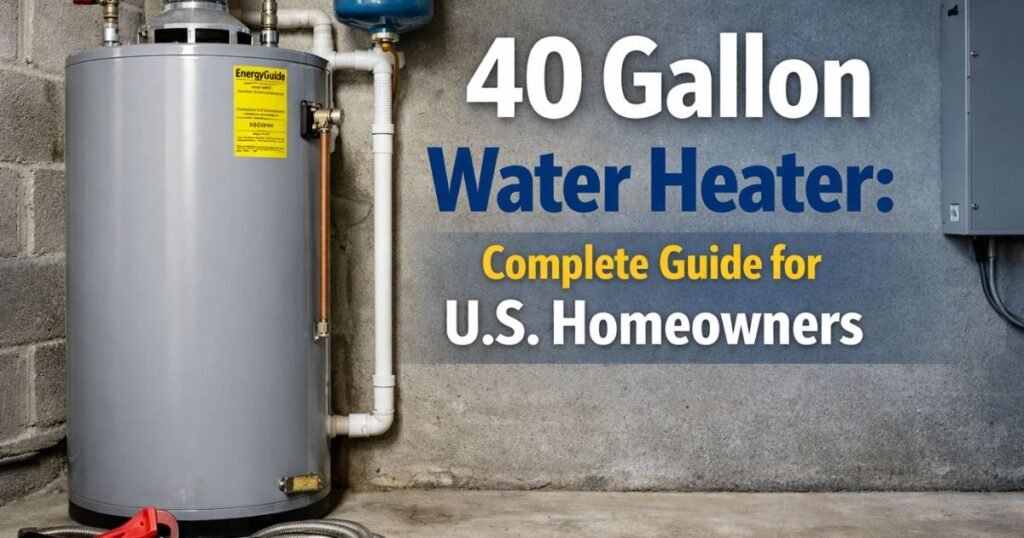
A 40-gallon water heater is a mid-sized storage tank that heats and holds hot water for your home. This size is very popular in the U.S. because it fits well in many households (typically serving 2–4 people). A 40-gallon heater provides more hot water reserve than a 30-gallon unit, yet is often less expensive up-front than a 50-gallon model.
In practical terms, a well-chosen 40-gallon heater can supply enough hot water for multiple showers, dishwasher loads, or laundry in a busy morning. Modern 40-gallon models can also be quite energy-efficient many offer high Uniform Energy Factors (UEF) around 0.90–0.95 (electric) or 0.60–0.70 (gas) which helps lower operating costs.
When sizing and shopping for a 40-gallon water heater, U.S. homeowners usually balance factors like fuel type (gas or electric), energy use, installation constraints, and budget. This guide walks through the benefits, types, selection factors, and top models of 40-gallon water heaters, with practical tips on installation, efficiency, and maintenance. Lets deep dive into “Best 40 Gallon Water Heater Buying Guide: Top Picks, Prices & Comparison”
READ MORE: Best 30 Gallon Water Heater: Top Picks, Comparison & 2026 Buying Guide
What is a 40-Gallon Water Heater?
A 40-gallon water heater stores roughly 40 gallons of hot water in a tankized system the “nominal” size is what manufacturers list; actual usable volume can be slightly less. The tank heats and stores water at a chosen temperature, then delivers it when you open a hot-water tap. The key performance numbers to watch are:
- First-Hour Rating (FHR): How many gallons the unit can deliver in the first hour of use (important for morning showers + laundry).
- Recovery Rate: How quickly the heater reheats water after it’s been depleted.
- Uniform Energy Factor (UEF): A standardized efficiency metric for electric and gas tanks.
- Fuel type: Natural gas/LP, electric resistance, or hybrid (heat pump) each has different running costs and installation needs.
Who it’s designed for:
- Smaller families (1–4 people) with moderate simultaneous hot-water needs.
- Homes where the water heater supply line and utility setup limit the size that can be installed easily.
- Situations where upfront budget is a factor but homeowners still want reliable hot-water performance.
How much hot water it really provides per day:
- The raw 40 gallons is not what you get in normal use. The more useful figure is the First Hour Rating (FHR), which combines stored hot water plus the unit’s recovery in the first hour.
- A typical 40 gallon model will have an FHR somewhere between 60 and 85 gallons depending on recovery rate and incoming water temperature.

- External digital thermostatic control with LED display (+/1 degree accuracy)
- Most advanced self-modulation, adjust power to meet hot water demand
- Durable Copper immersion two heating elements, field Serviceable. Flow Rate- up to 4.4 GPM
READ MORE: Cheapest 50-Gallon Electric Water Heater — Quick Buyer’s Guide (2026)
Who Should Buy a 40 Gallon Water Heater?
Best for family size (1–4 people)
- Singles or couples who like long showers but rarely use multiple hot water appliances at once will do great with 40 gallons.
- A family of 3–4 is often comfortable with 40 gallons especially if showers are staggered and not everyone runs laundry and dishes at the same time.
Apartment vs single-family home
- Apartments and condos with limited mechanical space often use 40 gallon units because they fit standard closets and utility rooms.
- In many single-family homes, a 40 gallon tank is ideal for smaller households or where a second tank or point-of-use electric heater complements the system.
Shower + appliance usage scenarios
- One full shower (10–12 minutes) typically uses 10–20 gallons depending on flow rate and temperature. Dishwashers and washing machines add another 6–15 gallons per load.
- If your household often runs a hot shower and the dishwasher simultaneously, watch your FHR to avoid dips in hot water.
When it’s too small or too large
- Too small: Large families (5+) or homes with frequent simultaneous loads (two showers + dishwasher + laundry) should consider 50–80 gallon tanks or tankless systems sized for continuous demand.
- Too large: If you live alone or mostly take short showers, a 40 gallon tank might sit underutilized and cost more to operate than a smaller tank or point-of-use setup.
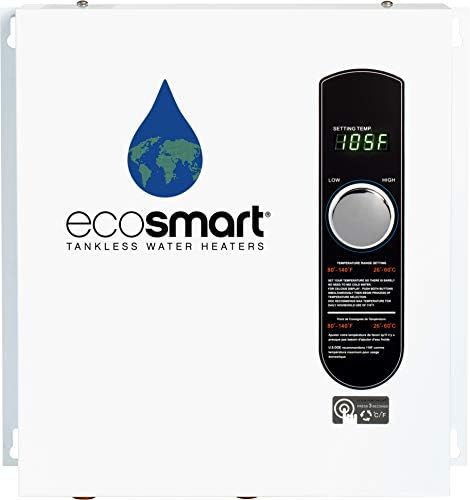
- Configured for climates where incoming water temperature can reach as low as 37 degrees.
- Capable of heating nearly 3 gpm.
- Digital temperature control allows temperature settings in 1 degree increments.
READ MORE: Rinnai Tankless Water Heater
Benefits of a 40-Gallon Water Heater
- Right size for many homes: A 40-gallon tank is ideal for small to medium households typically 2–4 people. It provides ample hot water (often 60–80 gallons in the first hour for gas models) without the larger footprint or higher cost of a 50-gallon unit.
- Energy efficiency: Many 40-gallon models (especially electric and hybrid types) have high efficiency ratings. For example, leading electric models operate at a UEF of 0.92–0.93, meaning almost all the electricity heats the water. This translates to lower energy bills per gallon of hot water compared to older, less efficient tanks. Even gas-fired 40-gallon heaters can achieve UEF values around 0.60–0.70.
- Reliable hot water supply: A properly sized 40-gallon tank ensures you won’t suddenly run out of hot water. It can handle peak demand scenarios (like multiple simultaneous showers) much better than a 30-gallon unit. For example, some gas models deliver 65–80 gallons in the first hour, enough for several showers and household chores.
- Cost balance: Compared to smaller tanks, a 40-gallon heater doesn’t dramatically increase energy usage (the higher standby loss is moderate), yet it provides extra hot water capacity. It’s also generally cheaper than a 50-gallon heater. On average, households spend $400–$600 per year heating water; choosing an efficient 40-gallon model can help keep that cost on the lower end of the range.
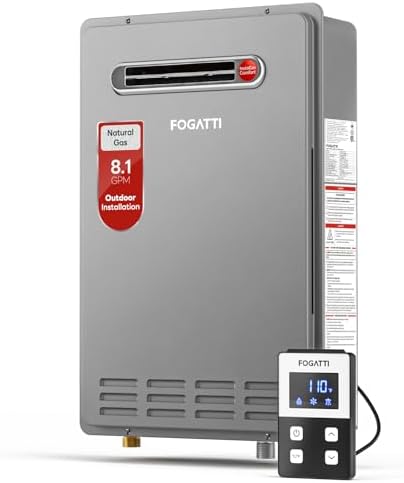
- Instant Hot Water: Say goodbye to preheating delays! FOGATTI tankless water heater delivers continuous hot water instant…
- Built for Outdoor Durability: Designed specifically for outdoor installation, this tankless water heater gas features a …
- Precision Temperature Control: With advanced water servo technology and temperature sensors, the tankless gas water heat…
Types of 40-Gallon Water Heaters
There are four main types of 40-gallon systems: gas tank heaters, electric tank heaters, tankless (on-demand) units, and hybrid heat-pump models. Each has advantages and trade-offs:
1. Gas Water Heaters
Gas-fired 40-gallon tanks burn natural gas (or propane) to heat the water. These units typically heat water faster than electric tanks and deliver high first-hour output (e.g. 65+ gallons). That makes them great for homes with higher hot-water demand. They do not need electricity to run (aside from ignition), so they even work during power outages. On the downside, gas heaters require proper venting and a fuel supply line, and they produce combustion exhaust.
Pros: quick recovery, lower fuel cost, works without power.
Cons: needs venting and gas hookup, higher emissions, regular check-ups (e.g. flue) are recommended.
2. Electric Water Heaters
Electric 40-gallon heaters use one or two heating elements powered by 240V electricity. They are generally easier to install (no vent or gas line needed) and can be placed almost anywhere indoors. Modern electric models are very efficient top-rated ones run at about 0.92–0.93 UEF and many include smart controls, digital thermostats, or even leak-detection features. They cost less initially than gas units but have higher operating costs because electricity is more expensive per heat unit. Also, if your power goes out, you’ll lose hot water.
Pros: easy placement, clean (no combustion), high efficiency, advanced features.
Cons: slower heating, higher fuel (electricity) cost, no hot water during power loss.
3. Tankless (On-Demand)
Note: True tankless heaters don’t store 40 gallons; instead, they heat water on demand. They provide a continuous hot water flow (no tank size limit) and avoid standby losses. However, a tankless system sized for a typical family may be quite powerful and expensive. Many homeowners consider tankless if they want endless hot water and maximum energy savings, but keep in mind that you’ll need sufficiently large gas/electric infrastructure. Tankless units also generally have a longer lifespan (15–20 years).
Trade-off: no tank means virtually endless hot water, but the up-front cost and installation (bigger gas line or electric service) is higher.
4. Hybrid (Heat Pump) Water Heaters
Hybrid 40-gallon heaters combine a heat pump with a backup electric heater. They extract heat from the surrounding air to warm the water, which can be 3–4 times more efficient than a regular electric element. For example, the Rheem Performance Platinum hybrid (40 gal) has a UEF of ~3.83, vastly reducing energy use. These hybrids often include smart Wi-Fi controls and give Energy Star-level savings. The downside is the high purchase price (often $1,500+) and the need for space around the unit (it needs warm air to operate). They also switch to standard electric heating in very cold conditions.
Pros: exceptional efficiency (huge savings on electric bills).
Cons: very high initial cost, requires installation room clearance, performance depends on climate.

- Endless hot water
- Ideal for outdoor applications
- High Efficiency
READ MORE: Is AO Smith a Good Water Heater?
How to Choose the Right 40-Gallon Water Heater
When picking a model, treat this like a small home-appliance investment: don’t just chase the cheapest sticker price.
1. Start with household demand
If you have two showers and a dishwasher frequently running at the same time, aim for a 40-gallon with a solid First-Hour Rating (FHR) (70+ gallons ideal for many 3–4 person homes). Manufacturer FHRs are tested at industry standard draw patterns.
2. Choose fuel type strategically
Use gas if you already have safe, economical natural gas service and need fast recovery.
Prefer hybrid heat pump if you want the lowest electricity bills and have space/ambient air to support it also check for incentives that may offset the higher upfront cost.
3. Look beyond the sticker price
Compare UEF, FHR, warranty length, and the estimated installed cost. A slightly more expensive unit with a longer warranty and 30% better efficiency can pay back in 3–7 years depending on local rates.
4. Warranty & serviceability
Tanks commonly carry a 6–12 year tank warranty; elements and parts may have separate warranties. Check whether the warranty is transferable if you’re selling the house, and whether the manufacturer has a good local service network.
5. Installation constraints
Venting (for gas), electrical capacity (for heat pumps), and location clearance matter. If your electrical panel can’t support a 240V heat pump, that’s a hidden cost. Ask an installer to confirm site suitability before buying.
6. Maintenance expectations
Budget annual flushing, anode replacements every 3–6 years in hard water areas, and periodic checks on the pressure-relief valve. Regular maintenance extends life and preserves efficiency.
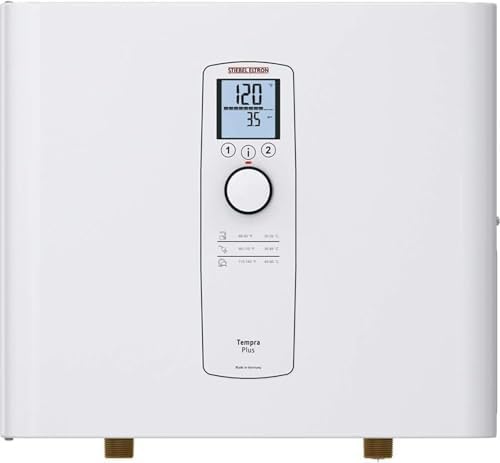
- On demand a continuous and unlimited supply of hot water
- Sleek design saves space and no venting required, It also features two different temperature memory presets, making it e…
- Requires hard-wired 240 or 208-volt electric service, with a maximum draw of 28,800 watts at 240 volts or 21,600 watts a…
READ MORE: Best Electric Heat Pump Water Heater: Reviews, Comparison, and Buying Guide
Top 5 40-Gallon Water Heaters (USA, 2026)
Below are five highly rated 40-gallon models currently available. These were chosen for their balance of efficiency, performance, and reliability:
| Brand & Model | Type | UEF (EF) | First-Hour Rating | Price Range (USD) | Warranty | Best For |
| AO Smith Signature 300 (EE9-40H55DV) | Electric (Tank) | 0.93 UEF | ~55 gallons | See Price | 9-year (tank & parts) | Tech-savvy homes (Wi-Fi controls) |
| AO Smith Signature 100 Gas (G6-T4035NVR) | Gas Tank | 0.59 UEF | 65 gallons | See Price | 6-year (tank & parts) | 3–4 person households; high demand |
| Rheem Performance 40 (XG40T06EC36U1) | Gas Tank | ~0.66 UEF | 68 gallons | See Price | 6-year (tank & parts) | Budget replacement; 2–4 people |
| Rheem Performance 40 (XE40M06ST45U1) | Electric Tank | ~0.92 UEF | ~63 gallons (est.) | See price | 6-year (tank & parts) | Affordable electric model; 2–3 people |
| Rheem Performance Platinum 40 (XE40T10H45U1) | Hybrid Heat Pump | 3.83 UEF | 60 gallons | See Price | 10-year (tank) | Eco-friendly; very high efficiency |
Notes: Prices are approximate retail ranges as of 2025–2026. UEF/EF values and first-hour ratings come from manufacturer specifications. Models and pricing may vary by retailer.
READ MORE: Is Rheem a Good Water Heater?
Installation and Maintenance Tips
DIY vs Professional Installation
- When you can DIY: Replacing an electric water heater with a same-size same-voltage unit and with identical plumbing and electrical connections can be done by a confident DIYer who knows local code. Always shut power off at the breaker and follow the manufacturer’s instructions.
- When to hire a pro: Gas hookups, venting, LP conversions, electrical panel upgrades, hybrid heat pump installations (which may require 240V 30A circuits and condensate drains), or any time permits are required hire a licensed plumber/electrician. Many manufacturers require professional installation for full warranty coverage.
Routine Maintenance to Extend Lifespan
- Annual flush: Drain a few gallons (or fully flush) to remove sediment especially important in hard water areas. This helps maintain efficiency and recovery rate.
- Check the anode rod: Replace sacrificial anode rods every 3–6 years in hard water to prevent tank corrosion.
- Test the T&P (temperature & pressure) relief valve: Lift the lever gently to ensure it releases water; replace if stuck or leaking.
- Insulate exposed pipes and, if needed, the tank: That reduces standby heat losses. Don’t block air flow on heat pump models; follow clearance recommendations.
Safety Tips & Common Mistakes
- Don’t cap venting: For gas units, ensure proper venting and combustion air blocking vents is dangerous.
- Watch installation clearances for hybrids: Heat pump models need ambient air and may require 6–12” clearances; installing them in a cramped closet will reduce performance and could void warranties.
- Mind electrical limits: Heat pump hybrids often need dedicated 240V circuits (sometimes 30A). Upgrading an older home’s panel can be a hidden cost.
- Temperature setting: 120°F is a safe, energy-efficient household standard for reducing scald risk while keeping bacteria at bay. Turning the thermostat higher increases burn risk and energy usage.

- One Model, Anywhere: This Rinnai tankless water heater is installable indoors or outdoors thanks to our new Versa Vent a…
- Never Run Out of Hot Water with this Compact Tankless Gas Water Heater: This condensing propane and natural gas tankless…
- Smart, Efficient Design: This water heater’s modern design includes an easy-to-use interface, Quick Flush feature for si…
READ MORE: Stiebel Eltron Water Heater Review 2026: Is It Worth the Cost?
Energy Efficiency & Cost Considerations
A 40-gallon water heater’s energy use depends on fuel type and usage patterns. On average, heating water is one of the biggest energy draws in a home (second only to space heating). For example, consider a typical electric 40-gallon tank with 4,500 watts of elements: running it 2 hours per day (to recover hot water) at an electricity rate of 16¢/kWh costs about $43 per month. A comparable gas model (say 40,000 BTU input at 0.60 efficiency) will often cost less monthly, because gas prices (therm) tend to be lower than electric on a per-energy basis. However, fuel costs vary by region.
Tips to save on bills:
- High-efficiency models: Choose the highest UEF available. Switching from an old 0.60 EF model to a new 0.93 UEF model can save $100+ annually.
- Proper insulation: Install an insulating blanket or jacket (if allowed) on older tanks to reduce standby heat loss.
- Lower thermostat: 120°F is sufficient for comfort and sanitation. Each 10°F reduction can save 3–5% in energy use.
- Water conservation: Use low-flow showerheads and faucet aerators to reduce hot water demand. Less demand means the heater runs less.
- Compare tank sizes: If your household typically uses 30–40 gallons per day, a 40-gallon heater is about right. A 30-gallon model might save on standby loss if usage is very low, but it can run out of hot water. A 50-gallon tank wastes more energy when lightly used. According to estimates, a 30-gallon 4,500W electric heater might cost ~$33/month at typical use, vs ~$43/month for a 40-gallon 4,500W model (at 2 hours/day). The 50-gallon (5,500W) goes up to ~$53/month.
In sum, a 40-gallon tank offers a balance: more hot water capacity than a 30-gallon, but lower energy use than a 50-gallon (all else equal). Over a year, this could mean tens of dollars difference on your utility bill.
READ MORE: AO Smith vs Rheem Water Heater
Common Problems With 40 Gallon Water Heaters
- Not enough hot water
Causes: undersized unit for peak demand, failed heating element (electric), thermostat issues, or sediment build-up lowering capacity.
- Strange noises
Popping and rumbling usually mean sediment buildup. Flush the tank to reduce noise and improve efficiency.
- Leaks
Minor leaks at fittings can be tightened or replaced. Tank leaks (from the tank itself) mean replacement.
- Rusty water
Often points to a failing anode rod or tank corrosion. Test and replace the anode rod; if water remains rusty, consider replacement.
- Pilot light issues (gas models)
Pilot goes out due to draft, thermocouple failure, or gas supply issues. Thermocouple replacement is a common, inexpensive fix.
- Heating element failure (electric models)
Elements burn out over time. Replacing an element is a routine repair that a competent DIYer can do with power off but be cautious and follow lockout procedures.
Common FAQs
What is the best 40 gallon water heater for a family of 2 to 4?
The best 40 gallon water heater for a small family is usually one with strong recovery rate, good energy efficiency, and reliable warranty coverage. Gas models heat water faster, while electric units are easier to install. The right choice depends on your home’s setup, budget, and daily hot water use.
How long does a 40 gallon water heater last?
A well-maintained 40 gallon water heater usually lasts 8 to 12 years. Tankless care, regular flushing, and checking the anode rod can help extend its life. Water quality, usage level, and installation quality also affect how long the unit performs before replacement is needed.
Is a 40 gallon water heater enough for a home?
A 40 gallon water heater is often enough for apartments, condos, and small to medium households. It can handle showers, dishwashing, and laundry for many families with moderate use. If several people use hot water at the same time, a larger tank may work better.
Should I choose gas or electric for a 40 gallon water heater?
Gas water heaters usually heat water faster and may cost less to run in some homes. Electric models are often simpler to install and maintain. The better option depends on your utility rates, existing hookups, and how quickly your household needs hot water during busy hours.
What should I look for before buying a 40 gallon water heater?
Before buying, check energy efficiency, recovery rate, warranty length, tank material, and installation requirements. Also compare brand reputation and maintenance needs. A good 40 gallon water heater should match your home’s hot water demand while keeping operating costs and repairs as low as possible.
Conclusion
A 40-gallon water heater is a versatile choice for many U.S. homeowners. It offers a good balance of capacity and efficiency for households of 2–4 people. When choosing one, carefully consider your family’s hot water usage, your energy source (gas vs electric), and your budget. Energy efficiency (UEF) and first-hour rating are key specs to compare. Our top picks above show that both electric and gas 40-gallon heaters can be highly efficient and reliable.
References: Information in this guide is drawn from manufacturer data and expert sources. For example, AO Smith and Rheem specifications show typical UEF and first-hour ratings of popular 40-gallon models, and industry analyses note the expected efficiency and costs. We recommend reviewing the spec sheets and energy guides (often available on retailer sites) when finalizing your decision.