Finding the right water heater for your home is one of those tasks you don’t think about until the shower starts running cold. If you live in a smaller home, an apartment, or a condo, a 30 gallon water heater is often the “Goldilocks” choice. It’s not so big that it wastes energy heating water you’ll never use, but it’s large enough to handle a couple of showers and a load of laundry.
Choosing the best model isn’t just about picking a tank off a shelf. You have to consider how you use water, what kind of fuel your home uses, and how much space you have in your utility closet. In this guide, we’ll break down everything you need to know to make a smart, long-term investment for your home. Lets deep dive into “Best 30 Gallon Water Heater: Top Picks, Comparison & 2026 Buying Guide”
READ MORE: Cheapest 50-Gallon Electric Water Heater — Quick Buyer’s Guide (2026)
What Is a 30 Gallon Water Heater?
In simple terms, a 30 gallon water heater is a storage tank that holds and pre-heats 30 gallons of water. It uses either gas burners or electric elements to keep that water at a set temperature so it’s ready the moment you turn on the tap.
While many large suburban homes use 50-gallon or even 80-gallon tanks, the 30-gallon size is a specialist. It is designed for efficiency and space-saving. Because the tank is smaller, it takes up less floor space and usually costs less to operate than its larger siblings.
Who Is It Best For?
A 30 gallon unit is typically the perfect fit for:
- Small Households: One or two people who don’t often run the dishwasher and the shower at the same time.
- One-Bath Homes: Houses where there isn’t a high demand for simultaneous hot water use.
- Apartments and Condos: Where space is limited and the water heater might be tucked into a small closet.
- Guest Houses: Ideal for “ADUs” (Accessory Dwelling Units) that only see occasional use.
- Rental Units: A cost-effective and reliable choice for landlords managing smaller properties.
How to Choose the Best 30 Gallon Water Heater
Buying a water heater can feel overwhelming with all the technical specs. To keep it simple, focus on these key factors.
- Gas vs. Electric: This is usually decided by what your home already has. Gas heaters heat water faster but require venting. Electric heaters are easier to install and don’t need a chimney or vent, but they can be slower to “recover” (reheat) once the tank is empty.
- First-Hour Rating (FHR): This is a crucial number. It tells you how many gallons of hot water the heater can provide in the first hour of use, starting with a full tank. A high FHR is better if you have back-to-back showers in the morning.
- Recovery Rate: This measures how quickly the unit can heat a fresh tank of cold water. Gas models usually have a much higher recovery rate than electric ones.
- Energy Efficiency: Look for the Uniform Energy Factor (UEF). A higher number means the unit is more efficient and will cost you less on your monthly utility bill.
- Tank Insulation: Better insulation keeps the water hot for longer without the heater having to turn back on. This reduces “standby heat loss.”
- Warranty: Most tanks come with a 6-year, 8-year, or 12-year warranty. A longer warranty often suggests a higher-quality tank or a thicker anode rod.
- Installation Space: Measure your space twice. “Tall” models are thin and high, while “Short” or “Lowboy” models are wider and squat to fit under crawlspaces or counters.
- Maintenance Needs: Some models have “self-cleaning” features that swirl the water to prevent sediment buildup. This can extend the life of your heater.
READ MORE: Best 80-Gallon Electric Water Heaters of 2026 | Reviews & Deals
Best 30 Gallon Water Heater Reviews
Choosing a brand can be tough because many look the same from the outside. However, the internal components and technology differ quite a bit. Here are four of the top 30 gallon models available today.
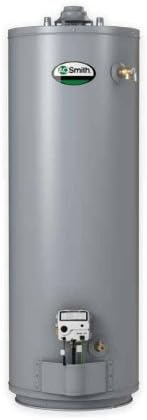
1. A.O. Smith GCR-30 ProMax Plus High Efficiency Gas Water Heater
A.O. Smith is a legendary name in the plumbing world. The GCR-30 ProMax Plus is their high-efficiency gas workhorse. It features a specialized “DynaClean” diffuser dip tube that helps reduce lime and sediment buildup by creating a turbulent flow at the bottom of the tank.
Best For: Homeowners with existing gas lines who want a fast-recovering, high-quality unit that can keep up with demand.
Main Strengths:
- Gas heating can help restore hot water faster than many basic electric tanks.
- It is a familiar style for many U.S. homes.
- It can be a good fit where gas service is already available.
- It may feel more responsive during busy mornings.
- It has a very high recovery rate because it uses gas.
- The ProMax line is known for being durable and having a “commercial-grade” feel for a residential price.
Possible Drawbacks: It requires proper venting for carbon monoxide, so it isn’t a simple “plug and play” if you are switching from electric.
Who should consider it: If you have a family of two or three in a small home and find yourself running out of hot water with an electric unit, this gas model is an excellent upgrade.
READ MORE: Best Tankless Water Heater 2026 — Top Picks, Costs & Buyer’s Guide
2. Bradford White 30 Gallon (Electric or Gas)
Bradford White is unique because they primarily sell through professional contractors. They are famous for their Hydrojet Total Performance System, which is one of the best sediment-reduction systems on the market. Their tanks are also lined with Vitraglas, an enamel lining that is incredibly tough against corrosion.
Best For: Homeowners who want a “set it and forget it” heater that is built to last a decade or more.
Main Strengths:
- Strong brand reputation in the U.S. market.
- Built for everyday household use.
- Good option for homeowners who want a no-nonsense tank heater.
- Often chosen by plumbers and property owners for its dependable feel.
- Superior build quality and an excellent reputation among plumbers. The Hydrojet system really does help prevent that “popping” sound you hear in old heaters caused by sediment.
Possible Drawbacks: They can be harder for a DIYer to buy directly, as the brand prefers professional installation.
Who should consider it: This is for the homeowner who values longevity and professional-grade components over the cheapest price tag.

- Fuel Type: Electric, Capacity (Gallons): 30, 1st Hour Delivery (Gallons): 47, Diameter (Inches): 20″, Height (Inches): 4…
- Water Connection: 3/4″, Electric Connection: 3/4″, Warranty: 6-Year Limited Tank/ 6-Year Limited on Component Parts, Ene…
3. Rheem 72-30-2 240V / 4500W 30 Gallon Electric Water Heater
Rheem is a household name for a reason. This specific electric model is designed with versatility in mind. It uses dual 4500-watt heating elements, which provides a solid balance between energy draw and heating speed. It’s a very common choice for apartments and manufactured homes.
Best For: Small spaces, mobile homes, or apartments where gas isn’t an option.
Main Strengths:
- Electric design can simplify installation in many homes.
- No gas venting is needed.
- Good fit for spaces where gas is not available or not desired.
- A practical choice for compact homes and apartments.
- Very reliable and easy to find parts for.
- It features a “Rheemglas” tank lining and a high-quality anode rod to fight rust.
- It’s often designed with side water connections, which makes it easier to install in tight spots.
Possible Drawbacks: Like all standard electric tanks, the recovery rate is slower than gas. If you empty the tank, you’ll be waiting a while for the next hot shower.
Who should consider it: Great for single occupants or couples in a rental or condo who want a reliable, standard electric heater.

- Rheemglas lined tank
- R-Foam insulation
- Anode Rod protects against corrosion
READ MORE: Best Heat Pump Hot Water System (2026) — Buyer’s Guide
4. GE Appliances 30 Gallon Electric Water Heater
GE has entered the water heater market with a focus on smart technology and “real capacity.” While some 30-gallon tanks actually hold slightly less, GE prides itself on holding a true 30 gallons. Many of their newer models also include built-in WiFi, allowing you to monitor the heater from your phone.
Best For: Tech-savvy homeowners who want to monitor their energy use or adjust temperatures remotely.
Main Strengths:
- Electric operation keeps the setup simple in many homes.
- It can work well in smaller living spaces.
- A familiar brand name may give some buyers extra confidence.
- Good choice for homeowners who want an easy-to-understand appliance.
- Often features a higher First Hour Rating (FHR) than many competitors.
- The inclusion of smart features like vacation mode and leak detection (on some models) adds a lot of peace of mind.
Possible Drawbacks: Electronic controls can be more complex to repair than old-school mechanical thermostats if something goes wrong.
Who should consider it: If you travel a lot and want to turn your heater down while you’re away, or if you just like having data about your home’s energy use, this is the pick for you.

- REAL CAPACITY – Get the most hot showers from the only electric water heater that holds a true 30 gallons of water (Comp…
- MAXIMUM PERFORMANCE – Best in class unit that delivers 60 gallons of hot water in the first hour (Measured through DOE F…
- BUILT-IN WIFI – Easily adjust temperatures, set vacation mode schedules and receive notifications with Built-in WiFi pow…
Comparison Table: 30 Gallon Water Heaters (AO Smith vs Rheem vs Bradford White vs GE)
| Product Name | Fuel Type | Best For | Main Advantage | Main Drawback |
| A.O. Smith ProMax | Gas | High Demand | Fast Recovery | Needs Venting |
| Bradford White | Gas/Elec | Long Life | Sediment Protection | Contractor-focused |
| Rheem Performance | Electric | Tight Spaces | Easy Installation | Slower Recovery |
| GE Appliances | Electric | Smart Homes | WiFi & “Real” Capacity | Complex Electronics |
READ MORE: AO Smith vs. Rheem Water Heaters: 2026 Comparison & Expert Reviews
Pros and Cons of Traditional Tank Water Heaters
While tankless heaters are getting a lot of buzz lately, traditional 30-gallon tank heaters remain the most popular choice for a reason.
The Pros
- Lower Upfront Cost: They are significantly cheaper to buy and install than tankless systems.
- Simple Design: There are fewer moving parts and computer chips, which often means fewer things can break.
- Familiar Installation: Almost any plumber (or a handy homeowner) can install one without needing to upgrade gas lines or electrical panels.
- Reliable for Many Homes: For a 1-2 person household, a 30-gallon tank provides more than enough hot water.
The Cons
- Standby Heat Loss: You are paying to keep 30 gallons of water hot even when you are sleeping or at work.
- Limited Supply: Once those 30 gallons are gone, you have to wait for the tank to refill and reheat.
- Space Needs: Even a “small” tank takes up a few square feet of floor space.
- Less Efficient: They generally use more energy over a year compared to high-end heat pump or tankless models.
Who Each Type Is Best For
Deciding between gas and electric usually comes down to your home’s existing infrastructure, but here is a quick guide.
Choose a Gas Tank If:
- You already have a gas line and a vent/chimney.
- You have two or three people in the home and take back-to-back showers.
- Electricity rates in your area are very high.
- You want the fastest possible recovery time.
Choose an Electric Tank If:
- You live in an apartment or condo where venting gas isn’t possible.
- You want the simplest, safest installation with no risk of gas leaks.
- You have solar panels and want to run your home entirely on electricity.
- You have a very small space (electric units can be tucked into tighter spots).
READ MORE: Best Rinnai Tankless Water Heater Reviews — Models, Specs & Prices
Traditional Tank Water Heater Maintenance Tips
To make your 30 gallon water heater last 10-15 years instead of just 6 or 7, you need to perform some basic maintenance. It’s easier than it sounds!
- Flush the Tank Regularly: Once a year, hook a garden hose to the drain valve at the bottom. Drain a few gallons into a bucket to remove sediment. This prevents the bottom of the tank from corroding.
- Check the Anode Rod: This is a “sacrificial” rod that attracts rust so the tank doesn’t. Check it every 2-3 years. If it’s eaten away, replace it for about $30 to save your $600 tank.
- Inspect the Temperature Setting: Most pros recommend 120°F. This is hot enough to kill bacteria but cool enough to prevent scalding and save energy.
- Look for Leaks: Every few months, take a peek at the top and bottom of the unit. Small drips can often be fixed by tightening a connection before they become a flood.
- Keep the Area Clear: Don’t stack boxes or clothes against the heater. Gas models, especially, need air to breathe and clear space to prevent fires.
Tank Water Heater Energy and Cost Considerations
When you buy a water heater, you pay two costs: the purchase price and the operating cost.
A 30 gallon tank is naturally cheaper to run than a 50 gallon tank because there is less water to keep warm. However, an electric model might cost more per month depending on your local utility rates, even if the unit itself was cheaper to buy.
To save money in the long run, look for tanks with thick foam insulation (at least 2 inches). This keeps the heat trapped inside like a giant thermos. Over five years, a more efficient unit can easily pay for the extra $50 or $100 you might have spent upfront.
READ MORE: Noritz Tankless Water Heater Buying Guide: Sizing, Reviews & Prices
Final Recommendation
So, which is the best 30 gallon water heater for you?
- For the best overall performance and speed, go with the A.O. Smith ProMax Gas model. It’s hard to beat the recovery speed of a gas burner.
- For the best durability, choose the Bradford White. Their sediment-clearing technology is top-tier.
- For a reliable, budget-friendly electric option, the Rheem is a solid, time-tested choice.
- For the modern homeowner, the GE Appliances model with WiFi offers the most convenience and monitoring.
A 30 gallon unit is a smart choice for many U.S. homeowners. By choosing the right fuel type and a trusted brand, you can enjoy hot showers and lower energy bills for years to come.
FAQ Section
What is the best 30 gallon water heater for a small home?
The best model depends on your fuel source. For gas, the A.O. Smith ProMax is highly rated for efficiency. For electric, the Rheem Performance or GE Smart models are excellent for small spaces due to their reliability and compact size.
Is a 30 gallon water heater enough for a family of two or three?
Yes, it can be enough if the household spaces out their water use. If you have two people who shower at the same time or a family of three taking back-to-back showers, a 30-gallon gas unit is better than electric because it reheats much faster.
Should I choose a gas or electric 30 gallon water heater?
Usually, you should stick with whatever your home is already set up for. Gas is more expensive to install but cheaper and faster to run. Electric is cheaper to buy and easier to install, but it takes longer to reheat the water.
How long does a 30 gallon water heater usually last?
Most traditional tank water heaters last between 8 and 12 years. You can extend this to 15 years or more by flushing the sediment once a year and replacing the anode rod every few years.
What size water heater is best for an apartment or small house?
A 30 gallon water heater is the standard “small” size. It is perfect for 1-2 bedroom apartments or small houses with 1 bathroom. It balances energy efficiency with a sufficient supply of hot water for daily tasks.