Shopping for an efficient ductless heat pump, Fujitsu is one of the brands you’ll run into again and again. This guide explains how Fujitsu positions its ductless (Halcyon / AIRSTAGE) and light commercial heat-pump lines, which models make sense for single rooms, multi-zone installs and cold-climate homes, and what real-world tradeoffs to expect on price, reliability, and running costs. We dig into specs, show actual retail and installed price examples, quote technicians, and give a buying checklist so you can compare Fujitsu to other big names (Mitsubishi, Daikin, LG, Carrier).
Fujitsu General America markets two related families most relevant to U.S. homeowners: the longstanding Halcyon consumer ductless line (now rolled into the broader AIRSTAGE/ASU family in many SKUs) and the more commercial/VRF-capable AIRSTAGE series. Fujitsu focuses heavily on inverter-driven ductless heat pumps wall mounts, floor consoles and low-profile ducted indoor units with capacities from small single-zone 9,000-BTU models up to multi-zone/large commercial outdoor units. Their marketing highlights high SEER/HSPF ratings on many AIRSTAGE models and quiet operation. Lets deep dive into “Fujitsu Heat Pump Reviews (2026): Models, Costs & Real-World Pros & Cons”
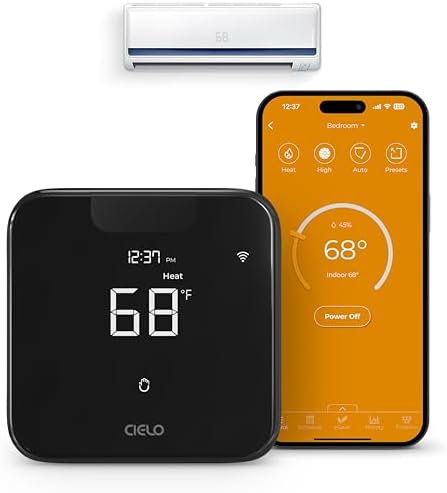
- Product Usage Instructions: Breez Max connects to a 2.4 GHz Wi-Fi network. It is compatible with any mini-split, window …
- Energy Star Certified Smart Thermostat for Room Air Conditioners: Make your mini-split, window, or portable air conditio…
- DIY Easy Set-Up: With an auto-detection algorithm for universal compatibility, Cielo Breez Max digital thermostat for mi…
How Fujitsu positions itself
Fujitsu sits in the mid-to-upper market: not usually the cheapest commodity brand, but commonly priced below the top Mitsubishi models while offering strong efficiency and a broad mix of indoor styles. That positioning makes Fujitsu attractive to homeowners who want energy savings and quiet indoor units without paying the very top premium.
How to choose a heat pump
Choosing a heat pump is still a three-part decision: sizing, performance (efficiency & cold-weather capability), and installation quality/warranty.
1. Size it properly (don’t guess by room size alone).
Mini-split capacity is rated in BTUs (9k, 12k, 18k, etc.). A rough rule of thumb is 20–40 BTU per square foot depending on insulation, windows, and climate, but the only reliable method is a Manual J heat load or an installer-performed room evaluation. Oversizing causes short cycles and comfort/noise problems; undersizing leaves you cold on the coldest days. Use a pro for a Manual J.
2. Read SEER / HSPF / Cold-climate ratings.
SEER measures cooling efficiency; HSPF measures heating efficiency for heat pumps. Higher numbers → lower running costs. Fujitsu’s AIRSTAGE/modern Halcyon lines include models with very high SEER numbers (some high-end AIRSTAGE SKUs advertise SEERs well into the 20s–30s for certain configs), while typical widely-sold wall-mounts sit in the mid- to high-teens to low-20s SEER range and HSPF figures commonly approach double-digits on select models. Check the AHRI or manufacturer spec sheet for the exact certified SEER/HSPF for the specific model and configuration you buy.
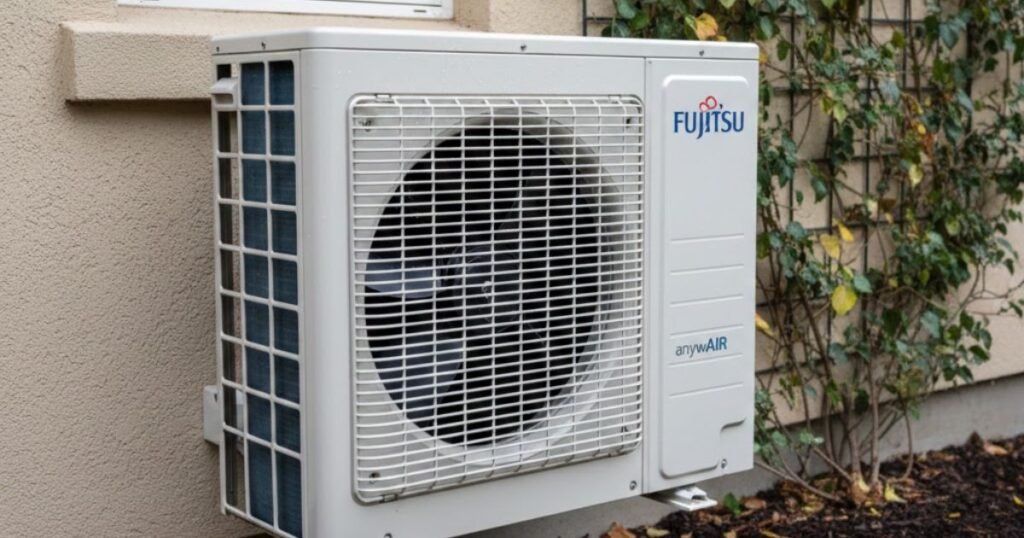
3. Cold-weather performance (don’t assume all heat pumps are equal).
If you live in cold climates, look for units with rated heating performance down to at least 5°F or lower, and check the heat output at low ambient temperatures (some Fujitsu ducted/AIRSTAGE combos perform very well compared with many competitors). Independent reviews and the AHRI directory can confirm certified low-temperature performance. Fine Home Building and other trade outlets have noted good low-temperature heating capacity on Fujitsu ducted models in hands-on comparisons.
4. Warranty & installer network.
Check what’s covered (parts, compressor, labor) and for how long. Warranty terms can vary by model and by whether an authorized dealer did the install. Also confirm local installer experience and whether they are factory-authorized installer skill matters more than brand for long-term reliability. Recent installer reports raise the stakes on choosing experienced local dealers.
5. Other practical checklist items:
Confirm electrical requirements (some outdoor units need 208/230V single-phase), line-set length limits (affects outdoor unit placement), whether the model uses R-32 vs R-410A refrigerant (future service considerations), and filter/indoor-unit serviceability.
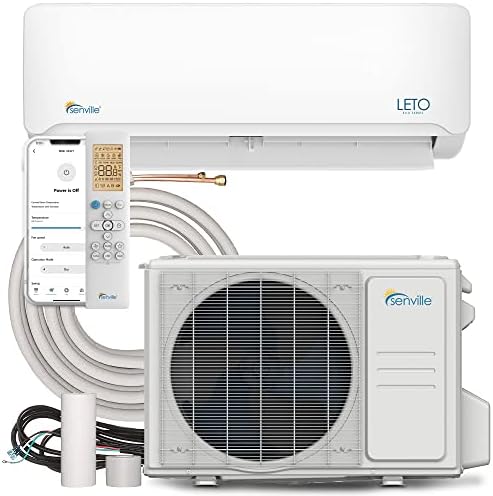
Stop Overpaying for Comfort. Save on your energy bills with 20.8 SEER2 efficiency. Check the Senville LETO, Below-
READ MORE: Air to Water Heat Pump — Complete 2026 Buyer’s Guide (costs, brands, pros & cons)
In-depth reviews of representative Fujitsu models
Below I pick four representative Fujitsu choices you’ll commonly see in U.S. retail/installer quotes: a small single-zone 9k, a mid 12k/18k, a multi-zone option, and a cold-climate performer. Specs and recommended use cases come from manufacturer submittals and current retailer listings; check AHRI or the specific product submittal for the exact rated SEER/HSPF for the SKU you’re quoted.
1) Fujitsu 9,000-BTU single-zone wall mount (example: ASUH09 / 09LZAS1 family) — small rooms & additions
Specs & positioning: Typical single-zone 9k Fujitsu wall units (AIRSTAGE/ASU variants) are rated from roughly 9,000 BTU cooling capacity with SEERs varying by family many contemporary wall models advertise SEERs from high-teens into the 30s on the latest premium SKUs (SEER2 ratings differ by test standard). HSPF values for residential wall units commonly range around 9–11 HSPF on higher trims. Look for ENERGY STAR-qualified SKUs if efficiency is a priority.
Pros: Very quiet indoor operation, compact profile, accurate temperature control, and generally good efficiency for single rooms. Retail prices for quality Fujitsu single-zone kits commonly appear in the roughly $1,200–$2,200 bracket for equipment only (9k to 12k) depending on model and current inventory.
Cons: Single-zone installed cost can be sensitive to installer hourly rates and site complications (line set length, wall penetrations). Warranties vary and some contractors report warranty service friction. Get the authorized-dealer warranty terms in writing.
Best use case: Finished bonus rooms, master bedroom additions, granny-suite or garage conversions where quiet, efficient heating and cooling are priorities.
2) Fujitsu mid-size 12k/18k (common choices) — main living zones & larger rooms
Specs & positioning: 12k and 18k wall units and compact ducted indoor variants are plentiful in Fujitsu’s line. Expect mid-to-high teens-to-low-20s SEER on common trims and HSPF in the high-8 to 11 range on higher-efficiency models. These sizes are the workhorses for most typical rooms and 1,000–1,200 ft² open plan spaces (use Manual J to confirm).
Pros: Good balance of capacity and efficiency; widely available SKUs. Many retail listings show the 12k–18k equipment-only price band in the $1,400–$2,500 range depending on features and refrigerant spec.
Cons: Noise and cycling can show up if improperly sized. For larger spaces, multi-zone or ducted solutions may be better. Installation complexity and labor often drive total installed price more than the equipment cost.
Best use case: Primary living rooms, kitchens with open plans, and homes replacing window units or baseboard heat in a main living area.
Pro Power, DIY Simple. Get the comfort you deserve without the complicated setup. Check MRCOOL Below-

3) Multi-zone Fujitsu systems (AIRSTAGE multi & VRF) — whole-home or multi-room heat pumps
Specs & positioning: Fujitsu’s multi-zone outdoor units can connect multiple indoor units (2–8 indoor heads depending on outdoor model) and are often used for whole-house or multiroom retrofits where ductwork isn’t desired. These systems can achieve very high combined SEERs on some configurations and are available up to several tons of capacity. Manufacturer submittals list multi-zone capacities and certified AHRI configurations always verify the exact zone mix you plan to install.
Pros: Scalability and mix-and-match indoor styles. Often lower total ductless cost per room when multiple zones are installed at once.
Cons: Higher installed complexity and potential for more expensive service calls. Multi-zone refrigerant line complexity can increase leak risk if not professionally installed. Some contractors report quality control and spare-parts logistics issues in recent years; insist on an experienced, authorized installer and clear warranty handling.
Best use case: Renovations that need several independent zones, small multiroom conversions, or replacing old forced-air systems where partial ductless adoption is preferred.
4) Cold-climate Fujitsu models / ducted heat pumps — colder northern climates
Specs & positioning: Certain Fujitsu ducted and higher-end AIRSTAGE models have been singled out for good heating capacity at low outdoor temps in third-party field comparisons. When properly matched and installed, these ducted Fujitsu models can deliver useful heat down into single-digit F conditions while maintaining efficiency. For cold climates, check manufacturer low-ambient performance curves and AHRI certificates for rated capacity at 5°F or lower.
Pros: Strong low-temp heat output on some ducted Fujitsu options; flexibility to combine with existing ducts in retrofit scenarios.
Cons: Ducted mini-split installations are more complex and can be costlier than wall-mount single zones. Verify installer experience with Fujitsu ducted models.
Best use case: Cold-climate primary heat for smaller homes or efficient retrofits where a heat pump will supplement/replace backup electric or hydronic heat.
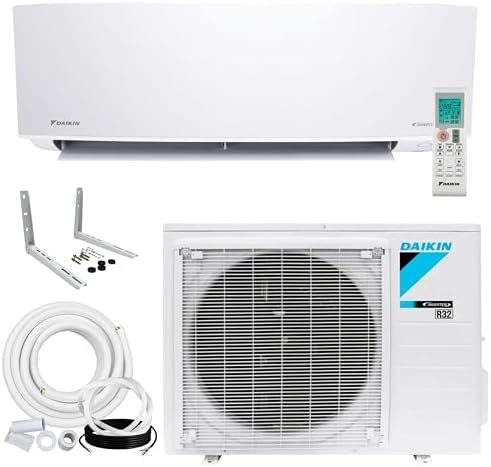
One Click. One Box. Total Comfort. Get the Daikin Entra plus the Maxwell all-inclusive install kit in one go. Check the Complete Bundle- Below-
READ MORE: Heat Pump Installation Cost in 2026 (Real Prices, Examples & Savings)
Comparison table: Fujitsu vs Mitsubishi vs Daikin vs LG vs Carrier
Note: I used manufacturer specs and recent U.S. retail/market guides to confirm ranges below; check your exact model’s spec sheet and installer quote for firm numbers. Citations below the table support the ranges shown.
| Brand (example lines) | Typical unit-only price (single-zone, US retail) | Typical installed price range (single-zone, US) | Typical SEER / HSPF range | Notable strengths | Best for |
| Fujitsu (Halcyon, AIRSTAGE) | $1,200–$2,800 (example units: 9k–24k) | $2,000–$7,000 installed (single-zone) (depends on model & labor). | ~16–23 SEER / HSPF up to ~10–11 (model dependent) | Quiet, efficient, strong ductless lineup | Energy-conscious homeowners, smaller additions. |
| Mitsubishi Electric | $800–$3,000 (retail examples) | $3,800–$6,800 installed (single-zone typical ranges seen in market guides). | High SEER options (very competitive) | Industry leader, wide installer network | Cold-climate, high-end installs. |
| Daikin | $1,300–$2,500 (retail examples) | $2,000–$7,000 installed (varies by model/zone) | Very high SEER models available | Strong warranty options, wide model range | Homeowners wanting broad product choice. |
| LG | $1,300–$4,000 (single-zone retail examples) | $2,000–$7,000 installed | Competitive SEER, good smart features | Good value, smart features, quieter indoor units | Buyers wanting smart features / good value. |
| Carrier | Varies widely — central & ducted heat pumps $1,500+ | Central heat pump installs commonly $6,000–$15,000+ depending on system. | Wide range across product lines | National brand, dealer network | Whole-house ducted replacements. |
(Table data compiled from manufacturer product pages, retail listings, and U.S. installed cost guides.)
20 SEER2 Efficiency Meets 115V Convenience. Save on your utility bills without upgrading your electrical panel. See Costway Heat Pump Below-

Special Mention: Check This Budget Friendly Beast-
1. DELLA Vario Series 12000 BTU Mini Split Air Conditioner: See Price & Details Here
2. Klimaire 12,000 BTU 20.8 SEER2 Ductless Mini-Split Inverter Air Conditioner Heat Pump System: See Price & Details Here
3. Confortotal 12000 BTU Mini Split Air Conditioner and Heat Pump: See Price & Details Here
4. Nexaro 12000BTU Mini Split Air Conditioner Heat Pump: See Price & Details Here
5. Uhome 12000 BTU Portable Air Conditioner with Heater up to 400 Sq. Ft: See Price & Details Here
Pros & cons of Fujitsu Heat Pump
Fujitsu (general — company-wide)
Pros
- Strong ductless product lineup with multiple indoor styles and high nominal efficiency on AIRSTAGE/Halcyon SKUs.
- Quiet indoor units and good controls on many models.
- Competitive mid-market pricing vs premium offers from competitors.
Cons
- In recent years some contractors reported increased field failures and quality control issues on specific models/production runs — this has led a few installers to change their brand mix. That makes installer selection and warranty handling extra important.
- Repair labor and refrigerant costs are not usually covered by parts warranties confirm labor coverage before you buy. (Warranty fine print varies.)
Per-model pros/cons
- 9k wall mount: + quiet, efficient; − installed cost sensitivity to site constraints.
- 12k/18k mid models: + good balance of capacity/efficiency; − requires proper sizing.
- Multi-zone AIRSTAGE: + scalable; − more complex to service.
- Ducted/cold-climate models: + better low-temp capacity; − higher install cost and complexity.
READ MORE: Central Heating: Cost, Types & Buyer’s Guide for U.S. Homeowners
Costs & real price examples
Below are three real, dated price examples (equipment-only and installed ranges) gathered from current U.S. retail listings and cost guides (dates shown). Prices fluctuate by region, dealer, and inventory; use these for budgeting and then request local quotes.
- GotDuctless — Fujitsu 9,000 BTU ASUH09KMAS kit (R-32 Altair 700 listing): equipment price shown around $2,055 (retail listing) (price displayed on retailer page). (Retail listing checked Feb 2026).
- Fujitsu / Ferguson product listing — Halcyon 9,000 BTU SKU (product page exists, price varies by dealer): Ferguson lists the Halcyon 9k product (dealer product page, availability varies); dealer quotes commonly place similar Halcyon kits in the $1,200–$2,200 equipment range depending on features. (Catalog pages viewed Feb 2026).
- Installer/market guides — installed single-zone ranges: national cost guides from HomeAdvisor and Angi show single-zone mini-split installs commonly in the $1,500–$6,800 range depending on complexity, with many single-zone Fujitsu installs landing between $2,000–$7,000 as noted in retailer/installer market data (guides updated 2025–2026). For multi-zone and whole-home projects expect $6k–$20k+.
How I use these numbers for budgeting: start with the equipment quote (shop for a sealed system kit with the outdoor and indoor head included), then add labor (contractor labor + travel + mounting hardware + electrical hookup — HomeAdvisor lists labor ranges that commonly add $300–$2,000 depending on the job for single-zone), permits and optional extras (condensate pumps, line-set concealment, new circuit breaker) and round up for contingencies.
Installation & running costs
Common installation add-ons:
- Line set & refrigerant charging (if longer than precharge length, additional refrigerant cost),
- Condensate drains & pumps for basement or basement-adjacent installs,
- 30A/40A dedicated circuit or panel upgrade if your panel lacks spare capacity,
- Mounting brackets, roof curb or pad, and sometimes running refrigerant through walls or soffits (labor hours add up).
Typical labor breakdown:
- Simple single-zone installs: often quoted as $600–$2,500 labor depending on accessibility and local wages. Permits may add $200–$500. More complex penetrations, long line-sets, or multiple indoor heads increase labor quickly. Use three local bids
Running costs & payback:
- A modern Fujitsu mini-split with SEER ~18–23 and HSPF ~9–11 will run significantly cheaper than resistive electric heat and usually beat old window A/Cs in efficiency. Payback windows depend on your prior system, energy prices, and usage patterns common owner reports and case studies show paybacks from 3–12 years depending on whether you replace electric resistance or an older forced-air system. For example, a GreenBuildingAdvisor homeowner documented payback scenarios where a mini-split paid itself back over roughly a decade depending on usage. Always run a local energy-cost calculation.
Common problems & reliability — what owners should watch for
Field issues seen in the market:
Some independent installers and a handful of contractor shops have reported quality control/boxes-arriving-defective issues on certain Fujitsu production runs (reported in 2023–2025), which pushed a few shops to pause or reduce Fujitsu installs in favor of alternatives. That’s not a universal verdict many homeowners have trouble-free systems but it increases the importance of buying through a reputable local dealer and documenting warranty coverage.
Common failure modes (across brands, Fujitsu included):
Refrigerant leaks (installation or factory seam issues), control board failures, and fan motor problems. Compressor failures are rarer but expensive; check compressor warranty terms. Warranties typically cover parts and compressors for a stated period; labor coverage is often shorter or conditional. Use AHRI/retailer documentation to confirm.
Maintenance tips:
Annual or biennial preventive checks by a trained technician (clean coils, check electrical connections, verify refrigerant charge), keep filters clean, and watch for abnormal noises or loss of capacity. Keep purchase and install paperwork together for warranty claims.
READ MORE: 3-Ton Heat Pump: Cost, Sizing & Best Models
Fujitsu Heat Pump who should buy
Fujitsu remains a strong option for homeowners seeking quiet, efficient ductless systems with a broad set of indoor styles and solid mid-market pricing. If you value quiet indoor units, strong mid-range efficiency, and a good selection of ductless and ducted options, Fujitsu should be on your shortlist. However, because some contractors reported quality control concerns in recent years, do not buy blind: insist on a factory-authorized installer, review the specific model’s AHRI/Manufacturer spec sheet, confirm labor and parts warranty terms in writing, and get multiple local quotes. If you live in severe cold and want top-end cold-climate performance with the largest installer network, also compare Mitsubishi and Daikin options as well.
5 FAQs
How much does a Fujitsu heat pump cost to install?
A single-zone Fujitsu mini-split unit typically lists retail between $1,200–$2,800 (equipment only); installed single-zone costs usually fall in the $2,000–$7,000 band depending on labor, site complexity and local prices. Multi-zone installs cost significantly more. Always request three local quotes.
Are Fujitsu mini-splits reliable?
Many owners report years of trouble-free operation and Fujitsu has strong efficiency claims, but some contractors reported increased defects on particular model runs in recent years. Reliability varies by installer quality and model prioritize an authorized dealer and read warranty terms.
How does Fujitsu compare to Mitsubishi or Daikin?
Fujitsu competes well on price and efficiency but Mitsubishi is often the market leader for installer depth and cold-climate hyper-heat models, while Daikin offers broad product ranges and warranty options. Compare AHRI certs, local installer experience, and exact model SEER/HSPF before deciding.
What warranty does Fujitsu offer?
Warranty terms vary by model and region; Fujitsu generally offers parts and compressor warranties (length depends on model and whether installed by authorized dealer). Labor coverage and exact durations vary get the warranty contract from your dealer. Confirm in writing.
Is a Fujitsu heat pump good for cold climates?
Yes — some Fujitsu ducted and AIRSTAGE models maintain usable heat at low outdoor temps and have been preferred by some contractors for low-temp capacity. Check model-specific low-ambient performance curves and AHRI ratings for certified capacity at low temperatures.