Turning on your faucet only to watch brown, yellow, reddish, or rust-colored water spill into your sink can be an alarming experience. Whether you are trying to fill a bathtub for your kids, wash dishes, or jump into a morning shower, discolored water instantly raises red flags about the safety and cleanliness of your home’s plumbing system.
As a residential plumbing technician with years of hands-on field experience, I can tell you that rusty hot water is one of the most common service calls homeowners make. When property owners encounter rusty hot water from a water heater, their immediate fear is often that the tank is about to burst, flooding their basement or utility room. While severe tank corrosion is certainly a possibility, discolored water does not always mean you need to buy a brand-new appliance right away.
In this comprehensive, expert-backed guide, we will break down why your hot water looks rusty, how to troubleshoot the source of the problem step-by-step, what DIY maintenance steps are safe to perform, how much repairs or replacements typically cost, and when it is time to invest in a new water heater. Lets deep dive into “Rusty Water From Hot Water Heater: Causes, Fixes & Replacement”
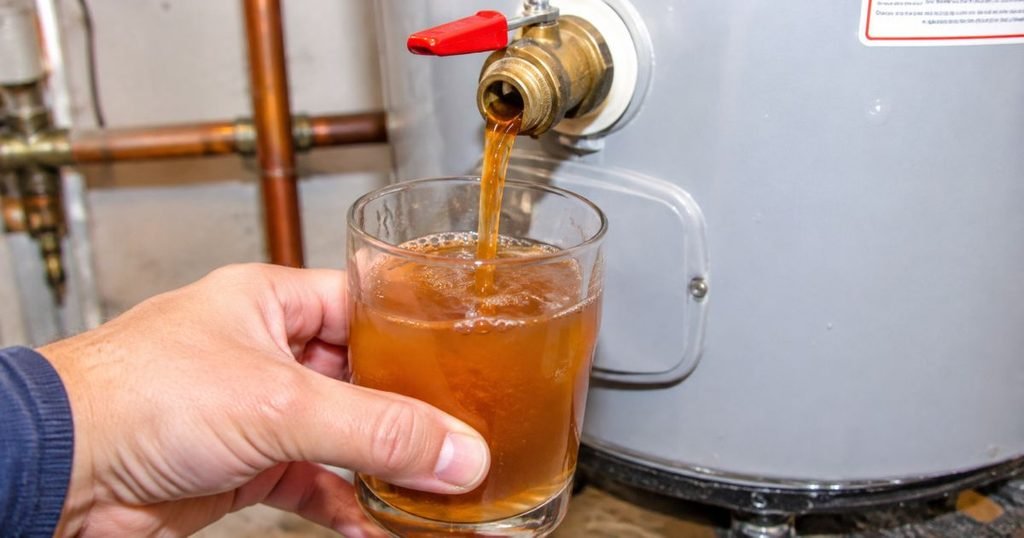
Why Is My Hot Water Coming Out Rusty?
When water comes out of your tap looking like liquid rust or weak tea, it means iron or oxidized steel particles are suspended in the fluid. However, pinpointing where those particles originate requires understanding how your home’s plumbing and water heating ecosystem operates.
Hot water is more chemically active than cold water. As water temperatures rise, chemical reactions accelerate, and minerals become more corrosive to metal surfaces. Several primary factors can cause brown water coming from hot water heater systems:
- Internal Tank Corrosion: Traditional storage tank water heaters feature a heavy steel tank designed to hold dozens of gallons of water under pressure. Over time, the protective internal lining can break down, exposing bare steel to hot water and oxygen, which leads to rust.
- Deteriorating Anode Rod: Every modern storage water heater contains a sacrificial anode rod, a metal rod made of magnesium, aluminum, or zinc designed to attract corrosive elements so they attack the rod instead of the steel tank walls. Once this rod is completely depleted, the tank itself begins to rust.
- Sediment and Mineral Accumulation: Hard water minerals, sand, and fine dirt particles settle at the bottom of the tank over time. When these minerals interact with heat and minor corrosion, they can discolor the water.
- Corroded Hot Water Supply Pipes: Sometimes the water heater is completely innocent. Older galvanized steel supply pipes inside the walls or ceiling can rust from the inside out, specifically staining the hot water line due to thermal expansion.
- Aging Plumbing Connections and Fittings: Brass, iron, or steel nipples, dielectric unions, and valves connected directly to the water heater can corrode and leach rust into the outgoing hot water stream.
- Municipal Water Supply Disturbances: Local utility maintenance, water main breaks, or fire hydrant flushing can stir up mineral deposits in public water mains, temporarily sending discolored water into homes.
- Iron-Rich Well Water: Homeowners relying on private wells often deal with dissolved ferrous iron. When heated inside a water heater, this iron oxidizes into solid particles, turning water rusty or reddish-brown.
Before spending money on unneeded plumbing repairs or rushing into a premature appliance replacement, taking the time to properly diagnose the root cause is essential.
READ MORE: Why Is My Hot Water Brown But Cold Water Is Clear? Causes, Risks & Fixes
How to Tell Whether the Rusty Water Is Coming From Your Water Heater
Before you grab a wrench or call a contractor, you need to isolate the source of the rust. Plumbers use a systematic elimination process to determine whether the water heater is truly the culprit or if another plumbing component is to blame.
Step-by-Step Diagnostic Checklist
- Compare Hot Water With Cold Water: Go to the nearest sink, turn on the cold water valve, and let it run into a clean white container. Then, do the same with the hot water valve.
- If only the hot water is rusty and the cold water is crystal clear, the issue is almost certainly localized to your water heater or the hot water distribution pipes.
- If both hot and cold water are rusty, the issue originates further upstream in your main water service line, municipal supply, or private well.
- Check Multiple Faucets Around the House: Test faucets on different floors and in different rooms (e.g., kitchen sink, upstairs bathroom shower, laundry room).
- If only one bathroom sink produces rusty water, the problem is likely isolated to that specific faucet aerator, supply line, or local fixture.
- If every hot water tap in the house delivers rust-colored hot water, the issue is centralized at the water heater or the main hot water trunk line.
- Observe How Long the Discoloration Lasts: Let the hot water run continuously for two to three minutes.
- Does the water run clear after a short flush? That usually points to minor sediment buildup or localized stagnation in infrequently used pipes.
- Does the rusty color persist indefinitely no matter how long you let it run? This strongly suggests active internal corrosion or a deteriorating tank.
- Talk to Your Neighbors: If you live in a neighborhood with municipal water, ask your neighbors if they are experiencing similar water discoloration. If they are, a local water main flush or utility work is likely responsible.
Quick Troubleshooting Reference Table
| What You Notice | Possible Cause | Recommended Next Step |
| Hot water is rusty, but cold water is clear | Water heater tank or hot water supply pipes | Inspect anode rod, flush tank, or check hot water lines |
| Both hot and cold water are rusty | Main water supply, well system, or whole-house pipe corrosion | Check municipal utility alerts or test well filtration |
| Only one faucet produces rusty water | Local fixture, corroded braided supply line, or aerator | Clean aerator, replace flexible supply connector |
| Rusty water appears suddenly after utility work | Temporary municipal water main disturbance | Let taps run for 5–10 minutes to clear lines |
| Rusty water persists throughout the house | Severe tank corrosion or widespread galvanized pipe decay | Professional plumber evaluation for repair or replacement |
READ MORE: Why Does My Hot Water Have a Metallic Taste? Causes, Tests & Fixes
7 Common Causes of Rusty Water From a Hot Water Heater
To understand your plumbing system better, let’s examine the seven most frequent causes of discolored hot water in greater detail.
1. Corrosion Inside the Water Heater Tank
Traditional tank-style water heaters are constructed from heavy-gauge carbon steel. Because bare steel rusts quickly when exposed to water and oxygen, manufacturers line the interior of the tank with a specialized porcelain enamel or glass coating. Over years of thermal expansion and contraction, micro-fissures can develop in this glass lining. Once water reaches the exposed steel substrate, oxidation begins. As the bare metal corrodes, it releases microscopic rust flakes into the water column, creating rusty water from hot water tap fixtures throughout your home.
2. A Worn-Out or Deteriorating Anode Rod
Often called the “sacrificial lamb” of the water heater, the anode rod is a long metal core (typically steel wire wrapped in aluminum, magnesium, or zinc) screwed into the top of the tank. Electrolysis in the water causes corrosive minerals to attack the anode rod instead of the tank walls. Over a span of 3 to 5 years (depending on water chemistry), the anode rod completely sacrifices itself and dissolves. Once the rod is depleted, corrosive elements immediately turn their attention to the unprotected steel tank, quickly resulting in rust, leaks, and tank failure.
3. Sediment and Mineral Buildup
Hard water contains dissolved minerals like calcium, magnesium, and various forms of iron. When water is heated inside the tank, these minerals precipitate out of the solution and settle at the bottom of the tank as a layer of sediment. Over time, this layer thickens. If the sediment contains iron compounds, or if minor bottom-tank corrosion occurs underneath the insulating blanket of sediment, it can discolor the bottom layer of water. While sediment is primarily a nuisance that reduces heating efficiency and causes rumbling noises, it can significantly contribute to water discoloration.
4. Rusty Hot Water Pipes
Homes built before the 1970s frequently utilized galvanized steel pipes for plumbing distribution. Over decades of service, the zinc coating on the inside of these pipes erodes away, exposing the underlying steel to water. This creates progressive internal rust accumulation. Because hot water accelerates chemical reactions and pipe expansion, rusty water heater pipes or galvanized hot water lines often shed reddish-brown flakes every time a tap is opened.
5. Aging Water Heater Components and Connections
Sometimes the water heater tank and internal pipes are in pristine condition, but the external fittings are failing. Water heaters connect to home plumbing via inlet and outlet nipples, dielectric unions, shut-off valves, and flexible copper or stainless steel connectors. If iron or steel components were used improperly without correct dielectric isolation, galvanic corrosion occurs where dissimilar metals meet. This localized corrosion can leach rust directly into the hot water stream right as it leaves the tank.
6. Municipal Water Supply Problems
City water treatment plants maintain extensive infrastructure, including iron water mains. Over time, rust and mineral scales coat the interior of municipal pipes. When a nearby water main breaks, firefighters open hydrants, or utility crews perform scheduled valve maintenance, sudden pressure surges and flow reversals dislodge these mineral deposits. This discolored water enters your home service line and is drawn into your water heater tank, where it can linger for days if the tank is not flushed.
7. Iron-Rich Well Water
Private well systems in many parts of the United States pump water directly from underground aquifers containing high concentrations of dissolved ferrous iron. While clear when first pumped, this iron reacts with oxygen and heat inside the water heater tank, converting into ferric iron (solid rust particles). This turns the hot water a cloudy yellow, orange, or dark brown. Well water iron requires specialized whole-house water filtration systems, such as iron filters, water softeners, or aeration systems, rather than simply replacing the water heater.
Is Rusty Hot Water Dangerous to Drink, Cook With, or Bathe In?
A common question homeowners ask is: Can I still use my water if it looks rusty? The short answer is: You should avoid drinking, cooking with, or washing delicate laundry in visibly discolored hot water until you identify the cause.
Health and Safety Considerations
- Iron is an Essential Nutrient: In small amounts, dietary iron is necessary for human health. The aesthetic appearance of rust (iron oxide) in water is generally non-toxic in trace quantities.
- The Contamination Risk: Discolored water caused by pipe or tank corrosion may also contain elevated levels of heavy metals, such as lead (from older solder joints) or copper, along with bacterial biofilms that can thrive in stagnant sediment layers.
- Skin and Hair Effects: Bathing in heavily rusted water can dry out skin, discolor blonde or chemically treated hair, and stain porcelain tubs and white clothing during laundry cycles.
- When to Test: If the rusty appearance persists after flushing your lines, or if you suspect well-water contamination, contact a certified local water testing laboratory to analyze a sample for heavy metals, bacteria, and mineral content.
READ MORE: How to Increase Hot Water Pressure in the Whole House
How to Fix Rusty Water From A Hot Water Heater
Resolving discolored hot water requires a methodical, step-by-step approach. Here is how professional technicians diagnose and fix the issue.
Step 1: Determine Whether the Problem Affects Hot Water Only
As discussed earlier, run side-by-side samples of cold and hot water. If cold water is pristine and hot water is rusty, you have successfully isolated the problem to the water heater or the hot water distribution network.
Step 2: Check Whether the Discoloration Is Temporary
If you experienced recent plumbing work on your street or inside your home, open multiple hot water faucets wide and let them run for 5 to 10 minutes. If the water clears up, the issue was a temporary sediment disturbance that has now flushed out of the system.
Step 3: Inspect the Water Heater Anode Rod
If persistent rust is present, the anode rod is often the primary suspect. Locate the top of your water heater, remove the insulation flap, and check the anode access port. If an inspection reveals that the steel core wire of the rod is exposed or the rod is completely dissolved, replacing it with a new OEM (Original Equipment Manufacturer) or powered anode rod can stop active tank corrosion in its tracks.
Step 4: Flush the Water Heater Tank
Accumulated sediment and loose rust flakes at the bottom of the tank can be cleared out through routine flushing.
- Turn off power to electric heaters at the breaker box or switch gas control valves to the “Pilot” or “Off” position.
- Attach a standard garden hose to the bottom drain valve and run the other end to a safe floor drain or outdoor discharge point.
- Open the drain valve and a nearby hot water tap to allow air into the system.
- Let the water run until it flows clear.
- Note: If your water heater is more than 8–10 years old and has never been flushed, the plastic drain valve may be stuck or brittle, or opening it might dislodge a heavy scale that prevents the valve from sealing shut again. Proceed with caution.
Step 5: Inspect the Hot Water Pipes
If flushing the tank does not resolve the issue, inspect accessible piping near the water heater. If you notice heavy flaking, exterior rust weeping around threaded joints, or old galvanized steel pipes feeding the hot water outlets, a licensed plumber will need to cut out and replace those compromised sections with modern PEX or copper piping.
Step 6: Test the Water if Necessary
If you are on a private well or suspect chemical contamination beyond normal rust, invest in a professional water quality test kit. This ensures you install the correct filtration equipment (such as a water softener or iron filter) rather than wasting money guessing at solutions.
How to Flush a Hot Water Heater Safely
Flushing your water heater tank annually is a fantastic preventive maintenance practice. If you choose to perform this task yourself, follow these steps carefully to ensure safety and prevent property damage.
Safe DIY Tank Flushing Procedure
- Identify Your Water Heater Type: Confirm whether you have a standard gas storage tank, an electric storage tank, or a tankless unit. Tankless units require descaling kits rather than traditional tank flushes.
- Read Manufacturer Instructions: Review the specific operating manual for your tank brand (e.g., Rheem, A. O. Smith, Bradford White) for safety warnings.
- Shut Down the Heating System:
- For Electric Units: Turn off the dedicated circuit breaker in your electrical panel. Never drain an electric water heater while energized, or the upper and lower heating elements will burn out instantly.
- For Gas Units: Turn the gas control valve knob from “ON” to the “PILOT” or “OFF” position.
- Allow Water to Cool: Turn off the water heater at least 1 to 2 hours before flushing so the water temperature drops to a safe, manageable level, preventing severe scalding risks.
- Shut Off the Cold Water Supply: Locate the cold water shut-off valve on top of the water heater and turn it clockwise to the closed position.
- Connect a Garden Hose: Attach a heavy-duty garden hose securely to the brass drain valve at the base of the tank. Route the discharge end to a floor drain, sump pump basin, or outside driveway.
- Open a Hot Water Faucet: Open the nearest indoor hot water tap (such as a laundry sink) to break the vacuum inside the pipes and allow the tank to drain freely.
- Open the Drain Valve and Flush: Open the tank’s drain valve. Let the water run out, taking note of sediment and rust flakes. Once the water runs clear, briefly open the cold water supply valve for 30 seconds with the drain open to blast out remaining bottom debris. Close the drain valve securely.
- Refill and Purge Air: Keep the indoor hot water faucet open. Open the cold water supply valve to fill the tank completely. Once water flows steadily out of the indoor tap without sputtering (meaning all trapped air has escaped), turn off the faucet. Crucial: Verify that the tank is 100% full of water before restoring power or turning the gas control valve back to “ON.”
Safety Warning: If you encounter a stuck drain valve, a leaking tank body, or are uncomfortable dealing with gas or electrical hookups, stop immediately and call a licensed professional plumber. Forcing a stuck valve can snap plastic threads and cause an uncontrollable indoor flood.
READ MORE: Hot Water Runs Out Too Fast — Fixes, Costs & When to Replace
When Should You Replace a Rusty Water Heater?
Not every rusty water problem means death for your appliance, but rust is the universal harbinger of tank failure. You should seriously consider replacing your water heater if you notice any of the following warning signs:
- Persistent Rusty Hot Water: If you have flushed the tank and replaced the anode rod, but rusty water continues to flow within 24 to 48 hours, the inner steel tank walls are actively deteriorating.
- A Leaking or Compromised Storage Tank: If water is actively weeping, pooling, or dripping from the steel body of the tank itself (rather than from a loose overhead pipe fitting or temperature-pressure relief valve), the tank has ruptured. A leaking water heater cannot be repaired and must be replaced immediately.
- Visible Rust on Exterior Tank Body or Seams: Heavy blistering, corrosion bubbles, or rust streaks appearing on the outer metal jacket of the tank indicate advanced internal degradation.
- Age Exceeding 10 to 12 Years: Most standard residential storage water heaters have a designed service life of 8 to 12 years. If a rusty water issue occurs on an aging unit, investing in replacement is far more cost-effective than attempting temporary band-aid repairs.
- Unusual Noises Paired With Discoloration: Loud popping, rumbling, or banging noises combined with rusty water mean heavy scale has baked onto the bottom of the tank, accelerating metal fatigue and structural failure.
How Much Does It Cost to Fix Rusty Water From a Water Heater?
Repair and replacement costs vary widely depending on whether you can solve the issue with simple maintenance or if you need a brand-new installation. Below are typical estimated US cost ranges for various interventions:
Cost Breakdown Table
| Service or Repair Type | Typical Estimated US Cost Range | Primary Cost Factors | When Necessary |
| Professional Tank Flush | $150 – $300 | Local labor rates, accessibility | Heavy sediment and mild mineral discoloration |
| Anode Rod Replacement | $200 – $400 | Labor time, rod type (powered vs standard) | Depleted anode rod causing early tank rust |
| Pipe or Fitting Repair | $150 – $500 | Extent of corroded galvanized pipe or unions | Leaking or corroded external plumbing connections |
| Water Quality Testing | $100 – $300 | Basic mineral panel vs comprehensive lab test | Unclear water source or suspected well contamination |
| Whole-House Iron Filter | $1,000 – $3,000 | System capacity, backwash valve type, installation complexity | Severe iron-rich well water |
| Traditional Tank Replacement | $1,200 – $3,500 | Tank capacity (40/50 gal), code upgrades, labor | Corroded, leaking tank past its useful lifespan |
| Tankless Water Heater Upgrade | $2,500 – $5,500 | Gas line sizing, venting changes, electrical work | Homeowner preference for energy efficiency and endless hot water |
Note: These figures represent approximate US averages. Actual pricing varies based on geographic region, contractor overhead, local building codes, and emergency service call fees.
READ MORE: Best Heat Pump Hot Water System— Buyer’s Guide
How to Prevent Rusty Water From Your Water Heater
An ounce of prevention is worth a gallon of clean water. You can significantly extend the lifespan of your water heating equipment and prevent rust by practicing proactive home maintenance:
- Inspect and Replace Anode Rods Regularly: Check your anode rod every 2 to 3 years. Replacing a $40 anode rod on schedule can easily add 5 to 8 years to your water heater’s life.
- Flush Your Tank Annually: Flush out accumulated sediment once a year to prevent mineral build-up from trapping heat and accelerating bottom-tank corrosion.
- Install a Whole-House Water Softener: If your home suffers from hard water, a quality water softener reduces mineral precipitation inside the water heater tank.
- Monitor Water Pressure: Install a thermal expansion tank and check your home’s pressure reducing valve (PRV). Excess pressure (over 80 psi) stresses tank welds and plumbing fittings.
- Promptly Address Small Leaks: Fix weeping pipe fittings or dripping valves immediately to prevent galvanic corrosion from spreading to the water heater tank body.
Rusty Water From Gas vs. Electric Water Heaters
Many homeowners wonder if the type of water heater changes the nature of rusty water issues. While gas and electric storage water heaters operate on different energy sources, their internal hydraulic and tank structures are remarkably similar.
Gas vs. Electric Comparison Table
| Feature / Consideration | Gas Storage Water Heaters | Electric Storage Water Heaters |
| Tank Construction | Steel tank with glass-lining and central flue tube | Steel tank with glass-lining and dual heating elements |
| Tank Corrosion Vulnerability | High risk over time; combustion flue adds thermal stress | High risk over time; lower element port gaskets can corrode |
| Anode Rod Protection | Required; usually accessed under top utility cap | Required; often located beneath top outlet nipple or access plate |
| Sediment Accumulation | High risk; direct burner heat at bottom bakes sediment | High risk; lower heating element buried in sediment layer |
| Maintenance Needs | Annual flushing, burner cleaning, venting check | Annual flushing, element inspection, breaker check |
| Common Cause of Rust | Degraded glass lining or exhausted anode rod | Depleted anode rod or lower element flange gasket decay |
Both gas and electric storage tanks are equally vulnerable to internal tank corrosion if the sacrificial anode rod is neglected.
When to Call a Professional Plumber
While homeowners can handle basic visual inspections and routine flushing, certain scenarios demand immediate professional intervention:
- Persistent Discoloration: If rust continues to flow after you have performed basic troubleshooting and flushing.
- Active Leaking: Any sign of water pooling around the base of the tank or weeping from tank seams.
- Stuck or Broken Valves: If the drain valve or water shut-off valve will not turn or starts leaking when manipulated.
- Gas and Electrical Hazards: Issues involving gas control valves, pilot lights, electrical wiring, or 240V breaker panels require certified technician expertise.
- Code Compliance: If local regulations require licensed installation, earthquake strapping, or thermal expansion tanks for replacement projects.
Frequently Asked Questions
Why is my hot water rusty but my cold water is clear?
When only your hot water is rusty while cold water runs clear, the issue is isolated to your water heater tank or the hot water plumbing lines. Because hot water accelerates chemical reactions and pipe expansion, it stirs up sediment or causes corroded steel tank walls and galvanized pipes to leach rust into your taps. Cold water bypasses the water heater entirely, remaining unaffected by interior tank wear.
Can a rusty water heater be fixed without replacing it?
Yes, depending on the root cause. If the rusty water is caused by loose sediment accumulation or a depleted sacrificial anode rod, flushing the tank and replacing the anode rod can completely clear up the water. However, if the rusty water stems from active structural corrosion of the bare steel tank walls, no repair can reverse the damage, and replacement is necessary.
Is it safe to shower in rusty hot water?
While occasional contact with mild rust (iron oxide) in water is generally non-toxic, you should avoid drinking, cooking with, or bathing in heavily discolored water. Rusty water can dry out skin, stain clothing and fixtures, and potentially harbor heavy metals or bacterial biofilms if the tank or pipes are severely deteriorated. It is best to investigate and resolve the issue before regular use.
How do I get rid of brown water coming from my hot water heater?
To clear brown water, start by flushing the water heater tank completely to remove built-up sediment and loose mineral flakes. If flushing fails, inspect the anode rod and replace it if it is heavily depleted. If the water discoloration persists despite these steps, the tank is likely suffering from internal corrosion and will need to be replaced by a licensed plumbing professional.
Does rusty water mean my water heater needs to be replaced?
Not always. While rusty water is a classic warning sign of water heater aging and deterioration, it can also be caused by a worn-out anode rod, heavy sediment accumulation, or corroded external plumbing pipes. You should test your water, check the anode rod, and flush the tank first. If these steps do not fix the issue or if the tank shows signs of external leaking, replacement is required.
Final Thoughts
Encountering rusty water coming from your hot water heater can be stressful, but it serves as an important early warning system for your home’s plumbing health. By comparing hot and cold water supplies, checking for sediment, inspecting your sacrificial anode rod, and performing routine maintenance, you can often resolve the issue or catch failing equipment before a catastrophic leak occurs.
Remember that discolored water does not automatically mean you need to buy a brand-new water heater today, but persistent rust combined with an aging tank should never be ignored. If you are uncomfortable performing maintenance tasks, notice active leaks, or cannot pinpoint the source of discoloration, reach out to a trusted, licensed local plumbing professional to evaluate your system safely and keep your household running smoothly.
Disclaimer: This article provides general educational information about residential plumbing systems and water heaters. It is not a substitute for professional in-person plumbing inspection, professional water quality testing, or manufacturer-certified repair services.
Sources and Further Reading
- US Environmental Protection Agency (EPA) – Drinking Water Standards and Health Advisories
- Centers for Disease Control and Prevention (CDC) – Private Ground Water Wells and Water Quality Guidelines
- Manufacturer Technical Documentation and Installation Manuals (Rheem, A. O. Smith, Bradford White)
- Uniform Plumbing Code (UPC) and International Residential Code (IRC) Standards

