Slow drains, funky smells, and grease build-up are part of life in most homes. But increasingly, people are skipping the harsh chemical gels and turning to enzyme (biological) drain cleaners gentler formulas that use enzymes and bacteria to digest organic gunk instead of burning through it. This long-form guide explains what enzyme cleaners are, how they work (plain English), when to use them vs. caustic cleaners, safe usage steps, and short product snapshots with retail prices (typical, checked Feb, 2026). You’ll also get a compact comparison table, pros & cons, a buyer checklist, a maintenance schedule, and five SEO FAQs ready for on-page use. Lets deep dive into “Safe Enzyme Drain Cleaners — The Eco-Friendly Way to Keep Drains Clear”
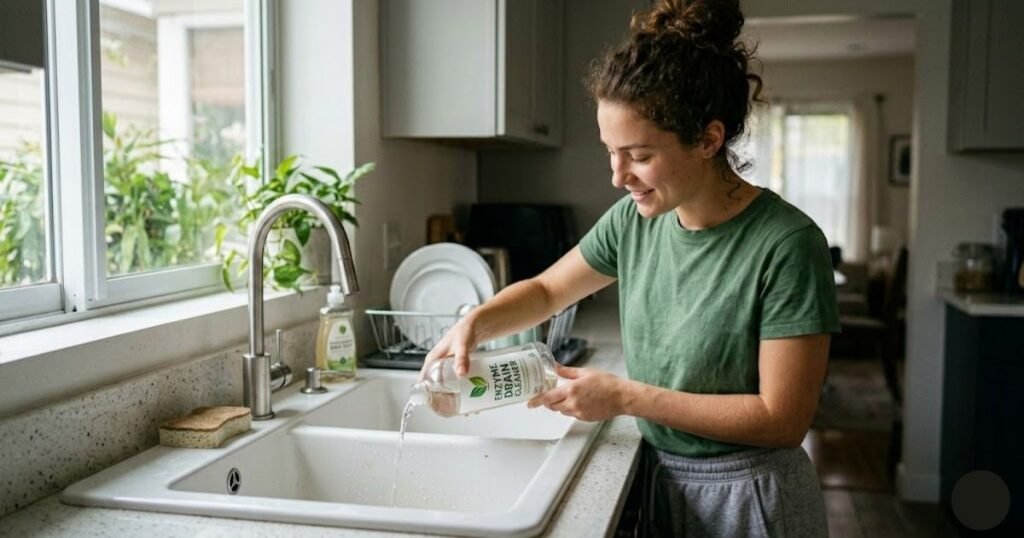
What is an enzyme drain cleaner?
An enzyme drain cleaner is a biological cleaning product that contains enzymes, biological catalysts and often harmless bacteria (probiotics) that break down organic materials like food, grease, soap scum, and hair. Instead of relying on strong lye or oxidizers, enzymes target the molecules that make up organic clogs and convert them into water-soluble byproducts that can flow away.
Get this Cleaner at Discount here-
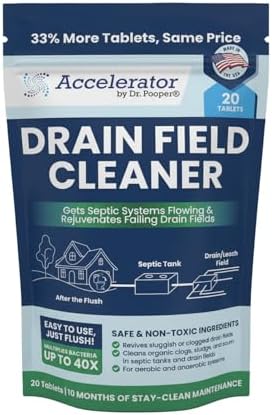
- 33% MORE VALUE, SAME GREAT PRICE ► Now get 20 powerful septic tablets for 10 months of complete system maintenance; Our …
- DESTROYS CLOGS & ORGANIC SLUDGE ► Patented bio-accelerator formula multiplies natural bacteria up to 40X, creating a sup…
- ELIMINATES FOUL SEPTIC ODORS FAST ► Don’t let embarrassing sewage smells invade your home; Our commercial-strength table…
Important distinction:
- Enzymatic / biological cleaners use enzymes (and sometimes live bacteria) to digest organic matter over time.
- Chemical (caustic/oxidizing) cleaners (e.g., lye/sodium hydroxide, sulfuric acid, or high-oxidizers) react quickly to dissolve or burn blockages but are corrosive and hazardous.
- Some products are marketed as “biological” but check labels for enzyme activity, pH, and septic-safe claims.
Plumbing and consumer-safety resources recommend enzyme-based options as maintenance and septic-friendly alternatives to caustic openers especially when you want to avoid damaging old pipes or harming septic bacteria.
READ MORE: Best drain snake for home use
How enzyme cleaners work
Enzymes are specialized proteins that speed up specific chemical reactions. In drain cleaners, common enzyme types include:
- Lipases — break down fats and grease.
- Proteases — digest proteins (food scraps, biological film).
- Amylases — digest starches and carbohydrates.
When you add an enzyme cleaner to a drain and allow time (often hours or overnight), those enzymes latch onto organic deposits, breaking long molecules into smaller, water-soluble pieces. Many enzyme products include probiotic bacteria that continue the work by producing more enzymes over time, making these products effective as preventative maintenance.
Key tradeoffs: enzymes are gentle and safe for most plumbing and septic systems, but they need time and favorable conditions (moderate temperatures, not extreme hot water right away) to work so they’re slower than chemical openers.
When enzyme cleaners are the right choice
Use enzyme cleaners when:
- You want monthly or preventive maintenance (kitchen sink, bathroom drains).
- You have grease buildup from cooking — enzymes that target fats (lipases) are ideal.
- Your home uses a septic system — enzymes generally won’t kill the beneficial bacteria septic systems rely on (unlike caustic chemicals).
- You’re deodorizing a garbage disposal or sink trap (many enzyme products also deodorize).
When not to use enzyme cleaners:
- Full mechanical blockages (toilet or main-line blockages caused by toys, diapers, or a huge hairball) — these require a snake or professional service.
- Root intrusion, mineral scale, or heavy mineral deposits — enzymes don’t dissolve mineral scale; mechanical or professional chemical/physical methods are needed.
- Immediate emergency unclogging — enzymes take time (often overnight to several days).
Plumbers and trade technicians commonly recommend enzyme products for maintenance, not as emergency openers. If the drain is fully stopped, start with manual tools (plunger, closet auger/snakes) and call a pro if needed.
READ MORE: High Pressure Hydro Jetting for Kitchen Drains: Costs, Benefits & When to Use It
Top Safe Enzyme Drain Cleaners
The following evaluations represent the leading biological drain maintenance products available to U.S. consumers as of February, 2026. These snapshots emphasize performance, safety profiles, and accurate retail pricing.
1. Green Gobbler
Green Gobbler’s “Ultimate Main Drain Opener” is a widely available, non-caustic liquid for main lines and sinks. Good things: designed for grease/paper/hair, marketed as safe for pipes & septic, sold in large 64-oz bottles (stick and liquid formats available). Typical retail price: $31.73 (64 fl oz).
Get Discount Here-

2. Bioda
Bioda Multi-Purpose Probiotic Enzyme Cleaner is a versatile, multi-use gallon product that deodorizes and digests organic stains and drain buildup. Good things: household and pet-stain uses, deodorizing probiotics, sold in 1-gal sizes for maintenance. Typical retail price: ~$35.99 (1 gal).
Get Discount here-

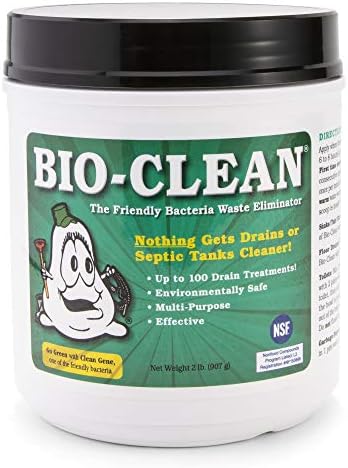
3. Bio-Clean
Bio-Clean is a pro-grade enzyme/bacterial powder with a long track record among plumbers and grease-trap services. Good things: proven performance, available in packets or pails for repeat treatments, often used for septic maintenance. Typical retail price: $57.45 (small pack) — ranges up to $64.95 from the maker for larger pails.
Get Discount here-
4. Zep
Zep Drain Defense (ZLDC648) is an enzymatic powder sold in an 18-oz tub aimed at monthly maintenance. Good things: low single-treatment cost and a recognized facility brand. Typical retail price: ~$15–$18 for an 18-oz tub.
Get Discount here-

- For use in: sinks, garbage disposals, tub/shower drains, RVs and grease traps
- ENZYME BASED FORMULA: Breaks down drain-clogging elements
- SAFE FOR: PVC and most other septic systems. Use monthly to prevent clogs, slow drains & restore flow
5. SANI 360
SANI 360° Sani Sticks are simple, pre-measured sticks that sit in drains and slowly release enzymes and deodorizer. Good things: easy to use, great for deodorizing and monthly maintenance (disposal and sink use). Typical retail price: ~$24.99 for a multi-stick pack.
Get Discount here-

- POWERFUL DRAIN-CLEANER, ODOR-ELIMINATOR STICKS: Sani Sticks are formulated with a powerful blend of enzymes to help prev…
- EASY MONTHLY DRAIN MAINTENANCE FOR DRAIN ODORS: Drop 1 Sani Stick a month in the drain (depending on the frequency of dr…
- CONCENTRATED-ENZYME DRAIN CLEANER: Sani Sticks drain cleaners and deodorizers are ideal for home and commercial use. Eac…
6. MRS. MEYER’S
MRS. MEYER’S Probiotic Drain Maintenance Liquid — a consumer-friendly probiotic liquid for disposals and drains in pleasant scents. Good things: widely available, nice scents, USDA biobased claims on some items. Typical retail price: $18.99–$21.98 (32 fl oz).
Get Discount here-

7. Amazon Commercial
Amazon Commercial Multi-Purpose Enzyme Cleaner — contractor-sized enzyme cleaner sold in gallon sizes. Good things: large sizes for maintenance-heavy homes and better cost-per-ounce. Typical retail price: ~$39.98 for 1 gal.
Get Discount here-
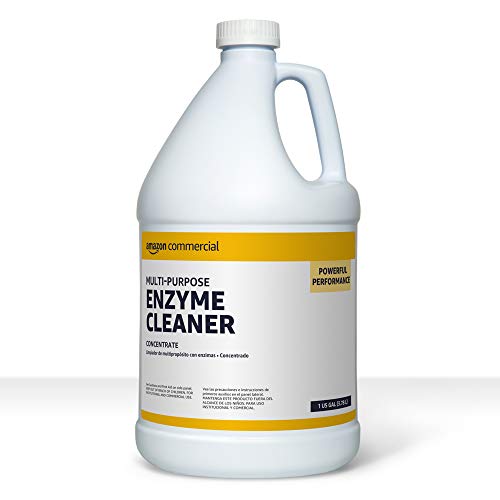
- 1 gallon bottle of multi-purpose enzyme cleaning solution for a wide variety of surfaces and environments
- Breaks up complex organic proteins, pet smells and stains, hair, grease, oils, and more for effective results
- Ideal for commercial properties, retail, and hospitality
8. Drano
Drano Max Build Up Remover (commercial preventive formula) — note: Drano is better known for caustic gels, but the “Build Up Remover” is marketed as a preventive product that can be left overnight. Good things: widely available and inexpensive; read label carefully because many Drano lines are chemical. Typical retail price: ~$14.74–$20 (60 oz).
Get Discount Here-

Enzyme Drain Cleaner Compact Comparison Table
| Product | Best for | Format | Scent | Typical price (as of Feb 27, 2026) | Septic-safe? |
| Green Gobbler | Main line, grease | Liquid / sticks | Unscented/neutral | $23.73 (64 oz). | Yes (label claims). |
| Bioda | Multi-use, deodorizing | Liquid (1 gal) | Varies | ~$25.99 (1 gal). | Yes (enzyme/probiotic). |
| Bio-Clean | Pro / septic maintenance | Powder | Neutral | $47.45 (small pack) — seller variations. | Yes (designed for septic). |
| Zep Drain Defense | Monthly maintenance | Powder (18 oz) | Neutral | ~$12–$18 (18 oz). | Yes (label/company info). |
| SANI 360 Sani Sticks | Deodorize & maintain | Stick (monthly) | Light scents/unscented | ~$14.99 per pack. | Yes (marketing says safe). |
| MRS. MEYER’S | Disposal & scent | Liquid (32 oz) | Lemon, lavender, etc. | $14.99–$21.98 (32 oz). | Generally yes (probiotic label). |
| AmazonCommercial | Contractor / large homes | Liquid (1 gal) | Neutral | ~$29.98 (1 gal) listing. | Yes (enzyme/probiotic). |
| Drano Max Build Up Remover | Preventive buildup (read label) | Liquid (60 oz) | Citrus | ~$14.74–$20.55 (60 oz). | Check label (some Drano products are chemical). |
READ MORE: CCTV Drain Inspection to Find Underground Sewer Blockage — Costs, Process & Fixes
Step-by-step: How to Use Enzyme Drain Cleaners Safely and Effectively
- Read the label. Different products have different concentrations and instructions.
- Prep the area. Remove visible debris from the drain opening and run a small amount of water to ensure the liquid contacts the clog material.
- Dose as directed. For powders, pour the recommended amount into the drain. For liquids or sticks, follow the package dose.
- Let it sit — often overnight. Enzymes need time. Many products advise leaving the formula for 6–8 hours or overnight.
- Flush with warm (not boiling) water after treatment. Wait until the enzymes have done their work before pouring very hot water; extreme heat can denature enzymes and reduce effectiveness.
- Frequency: For maintenance, a monthly dose in kitchen drains is common. For odour control, sticks are often left in place and replaced monthly.
- Safety: Enzyme cleaners are non-corrosive, but still keep them away from children and pets and store as labeled. Wear gloves if you have sensitive skin; don’t mix enzyme products with caustic cleaners; chemicals can kill living bacteria and denature enzymes, and mixing chemicals can be dangerous.
Why not mix with caustics? Strong acids or bases will denature enzymes (destroy their structure), rendering the biological action useless and chemical reactions between different cleaners can create toxic fumes or heated reactions.
Enzyme Drain Cleaner Pros & Cons
Pros
- Non-corrosive and gentler on older pipes.
- Septic-system friendly (most enzyme products).
- Safer around children and pets than lye/acid cleaners.
- Good for preventive maintenance and deodorizing.
- Some products offer pleasant scents or neutral odor control.
Cons
- Slower — may take overnight or multiple treatments.
- Not effective on roots, mineral scale, or hard mechanical clogs.
- Requires repeat use for persistent buildup.
- Can be more expensive per treatment than a single-use caustic gel for emergency unclogs.
READ MORE: How Much Does a Plumber Cost to Unclog a Drain?
How to choose the right product
- Match format to need: sticks for deodorizing, powders for regular maintenance, liquids for grease-laden kitchen drains.
- Check active ingredients: lipase/protease/amylase listed? That indicates targeted activity.
- Look for septic-safe labeling if you have a septic system.
- Consider package size vs. consumption frequency: gallon sizes are cost-effective if you plan monthly maintenance.
- Check retailer price & reviews for real-world performance.
- For disposals: pick products that explicitly state disposal/gasquet usage.
DIY tips & sample maintenance schedule
- Weekly: Run warm water down kitchen sink after daily use. Avoid pouring fats/oils down the drain.
- Monthly: Use an enzyme product (liquid or powder) in kitchen drains; consider a Sani Stick for bathroom drains/disposals.
- Quarterly: Inspect P-traps (remove & clean if you’re comfortable).
- When to escalate: If enzyme treatment and plunging don’t clear a slow drain in 24–48 hours, use a hand auger (snake) or call a plumber.
If a clog persists despite enzyme treatment, a mechanical snake or professional hydro-jetting (for tough main-line grease) is the correct next step, not more chemicals.
Quick buyer’s guide box
- Need something to leave in the drain monthly? Try a stick (SANI 360).
- Want a one-time deep maintenance? Use a powder/probiotic like Bio-Clean or Zep on a scheduled night and let sit overnight.
- Have a septic tank? Prioritize enzyme/probiotic labels; avoid lye/acid formulas.
FAQs
Are enzyme drain cleaners safe for septic systems?
Yes — most enzyme-based cleaners are marketed as septic-safe because they do not kill beneficial bacteria in septic tanks the way caustic chemicals can. For septic systems, enzyme maintenance is preferred to harsh chemical openers. Always confirm the manufacturer’s septic-safe claim on the label.
Do enzyme drain cleaners work on grease?
Yes — enzyme cleaners with lipase are formulated to break down fats and grease. They often work best left overnight and may need repeat treatments for heavy buildup. For very thick, solidified grease, mechanical cleaning may be required.
How often should I use an enzyme drain cleaner?
For preventive maintenance, monthly use in kitchen drains is common. For odor control or disposals, sticks or weekly light dosing may be used. Heavy-use kitchens may benefit from more frequent maintenance — but don’t over-apply; enzymes need time to work.
Enzyme drain cleaner vs. chemical: which is better?
If you want a fast emergency fix, a chemical opener works faster but carries risks (corrosive damage, hazardous handling, septic harm). If you want safe maintenance, septic safety, and non-corrosive cleaning, enzyme cleaners are better. The right choice depends on urgency and the clog type.
Can I use enzyme cleaners in my garbage disposal?
Yes — many enzyme products are labeled safe for garbage disposals. For best results, apply per label, run cold water to help rinse, and avoid pouring hot oil/fats into the disposal. Use disposables and enzyme sticks designed for disposals if you want continuous deodorizing.
Final notes
Enzyme drain cleaners aren’t magic, but they’re an excellent, eco-minded choice for routine maintenance and odor control especially if you have a septic system or older plumbing you’d rather not expose to harsh chemicals. For stubborn clogs, combine sensible DIY steps (plunge, snake) with enzymatic maintenance and if a problem keeps returning, call a licensed plumber.

