You just jumped in the shower on a chilly Monday morning. The water starts out perfectly warm. You’re lathering up, feeling great, and then—BAM. A five-second blast of icy water hits you right in the back. You jump away, shivering, and just as you’re about to yell for help, the water turns hot again.
If this sounds familiar, you aren’t alone. You are experiencing the dreaded “cold water sandwich.”
While tankless water heaters are amazing for providing endless hot water and saving space, they have this one specific quirk that can drive homeowners crazy. The good news? You don’t have to live with it. Learning how to fix cold water sandwich on tankless heater systems is often easier than you think, ranging from simple habit changes to small hardware upgrades.
In this guide, we’re going to break down exactly why this happens, how to troubleshoot it yourself, and when it’s time to call in a pro to finish the job. Lets deep dive into “How to Fix Cold Water Sandwich on a Tankless Heater: DIY Solutions That Actually Work”
READ MORE: Why My Tankless Water Heater Shuts Off During Shower — Fixes & Costs
What Is a Cold Water Sandwich?
To fix the problem, you first have to understand what it actually is. In the world of plumbing, a “cold water sandwich” describes a specific sequence of water temperatures that occurs when you turn a hot water tap on, off, and then back on again in a short window of time.
It usually feels like this:
- Hot Water: You get the warm water that was already sitting in the pipes.
- Sudden Cold Burst: A “sandwich” of cold water that hasn’t been heated yet flows through.
- Hot Water Again: The heater kicks back in, and you get a steady stream of hot water for the rest of your shower.
It’s called a “sandwich” because that cold burst is trapped between two sections of hot water. While it feels like your heater is broken, major brands like Rinnai and Noritz actually describe this as a normal physical characteristic of how some tankless units operate. It’s not necessarily a “defect,” but it is definitely an annoyance.
READ MORE: How to Clean Sediment from a Water Heater

Cold Water Sandwich Why It Happens
Why does a high-tech machine like a tankless heater let cold water through? It mostly comes down to physics and timing. Unlike a traditional tank that keeps 50 gallons of water hot and ready at all times, a tankless unit heats water “on-demand.”
Here are the most common reasons you’re dealing with a tankless heater cold water burst:
1. The Normal Cycling Process
When you turn off your hot water faucet, the flow sensor in the tankless unit tells the computer to shut off the burners. The water remaining inside the heater’s heat exchanger stays hot for a little while. However, if you turn the water back on 30 seconds later, the heater has to realize water is moving again, spark the igniter, and get the flame going. During those few seconds of “thinking” and “lighting,” cold water is flowing through the unit and into your pipes.
2. Long Pipe Runs
If your bathroom is on the opposite side of the house from the water heater, you have a lot of “dead space” in your pipes. When you turn off the shower, the hot water sits in those pipes and starts to cool down. If you turn it back on quickly, you get the hot water near the shower head, followed by the cold water that just left the heater while it was trying to ignite.
3. Low Flow Rates
Tankless heaters need a certain amount of water flow to “trip” the sensor and turn on the burners. This is usually around 0.5 gallons per minute (GPM). If you have a very eco-friendly, low-flow showerhead or if your faucet is only turned on halfway, the heater might flicker on and off, leading to a tankless shower cold water issue.
4. Back-to-Back Shower Use
If one person finishes a shower and another jumps in immediately after, the system is in a constant state of cycling. This is the prime time for a cold water sandwich to occur because the pipes are already full of hot water, but the heater is currently in a “shutdown” or “restart” phase.
5. Dirty Inlet Filters
Every tankless unit has a small screen or filter where the cold water enters. Over time, sediment, sand, and scale can clog this screen. If the flow is restricted, the heater might struggle to sense the water movement accurately, causing it to delay the ignition.
6. Water Pressure Changes
If someone flushes a toilet or the washing machine starts while you’re in the shower, the water pressure in your home drops. This sudden change can cause the flow sensor in the tankless unit to “stutter,” briefly turning off the burner before realizing it needs to stay on.
READ MORE: Best Tankless Water Heater 2026 — Top Picks, Costs & Buyer’s Guide
How to Fix Cold Water Sandwich on a Tankless Heater: DIY Solutions That Actually Work
If you are tired of the morning wake-up call you didn’t ask for, here are the most effective ways to stop cold water sandwich issues. We’ve categorized these from simple “behavioral” fixes to more technical solutions.
1. Let the Water Run (The “Wait and See” Method)
The simplest (and cheapest) fix is to change how you use your fixtures. If you know your heater has a 5-to-10-second delay, try turning the shower on and letting it run for a full minute before stepping in. This ensures that the “slug” of cold water has already passed through the pipes and the heater is fully up to temperature.
2. Check and Clean the Inlet Filter
This is a great DIY task for any homeowner.
- Turn off the water supply to the heater.
- Locate the cold water inlet (usually at the bottom).
- Find the filter plug, unscrew it, and pull out the mesh screen.
- Rinse it under a tap to remove any grit or white scale buildup.
Put it back in and turn the water on.
- Better flow means the heater can react faster to your demand for hot water.
3. Confirm Fixture Flow Rates
If your showerhead is “ultra-low flow” (like 1.0 or 1.5 GPM), it might not be drawing enough water to keep the heater’s burner consistently engaged. Try removing the flow restrictor from your showerhead or replacing it with a standard 2.5 GPM model. This provides a “stronger” signal to the heater to stay on.
4. Add a Recirculation System
This is widely considered the “Gold Standard” for a tankless water heater recirculation fix. A recirculation pump keeps hot water moving through your pipes even when the faucets are off. This means the water in the lines never gets a chance to get cold. Many modern units from Noritz or Rinnai actually have these pumps built-in, but you can also add an external kit to older models.
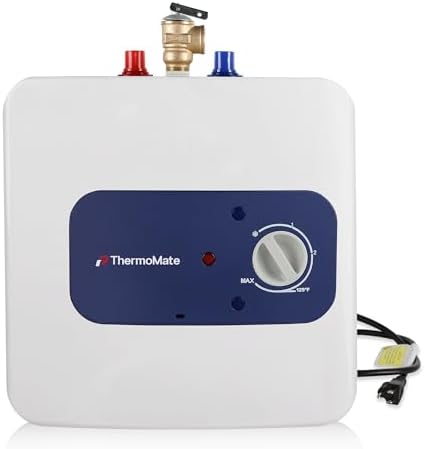
5. Install a Small Buffer Tank
A buffer tank is a tiny (usually 1 to 5 gallon) traditional water heater tank installed right after the tankless unit. It acts as a “storage” space for hot water. When you turn on the tap, the hot water comes from the buffer tank first. This gives the tankless unit plenty of time to ignite and get up to temperature without you ever feeling that cold gap. As Noritz notes in their technical guides, a buffer tank is one of the most effective ways to alleviate a cold water sandwich in systems that weren’t originally designed with recirculation.
6. Check for Improper Check Valves
Sometimes, cold water can “bleed” into the hot water line through a faulty mixing valve in a shower or a broken check valve in a recirculation loop. If you have a “crossover” issue, no amount of heater maintenance will fix it. You’ll need to inspect the valves at your fixtures to ensure cold water isn’t sneaking into the hot side.
READ MORE: How to Flush a Tankless Water Heater (Step-by-Step Guide)

Best Long-Term Fixes
Some solutions are quick. Others are better for the long run.
- Best for a small, mild issue: clean the inlet filter, check fixture flow, and let the hot water run briefly before showering. These are simple, low-cost first steps.
- Best for long pipe runs: a recirculation system is often the strongest fix because it reduces the time needed to clear cool water from the line.
- Best for frequent cycling: a buffer tank may help in some setups, especially when the unit’s on/off pattern is the main problem. Noritz says this is an optional way to alleviate the issue in some systems.
- Best for homes with pressure or install problems: have a plumber inspect the system. If the heater is undersized, the piping is wrong, or a valve is interfering, the fix needs a real diagnosis.
For many homes, the sweet spot is a mix of maintenance and one bigger upgrade. That is often the most realistic answer to a recurring tankless water heater recirculation fix problem.
| Solution | Best For… | Difficulty |
| Recirculation Pump | Instant hot water everywhere; saving water. | Moderate to High |
| Buffer Tank | Smoothing out temperature swings in a single bathroom. | Moderate |
| Cleaning Filters | Maintaining consistent flow and sensor accuracy. | Easy (DIY) |
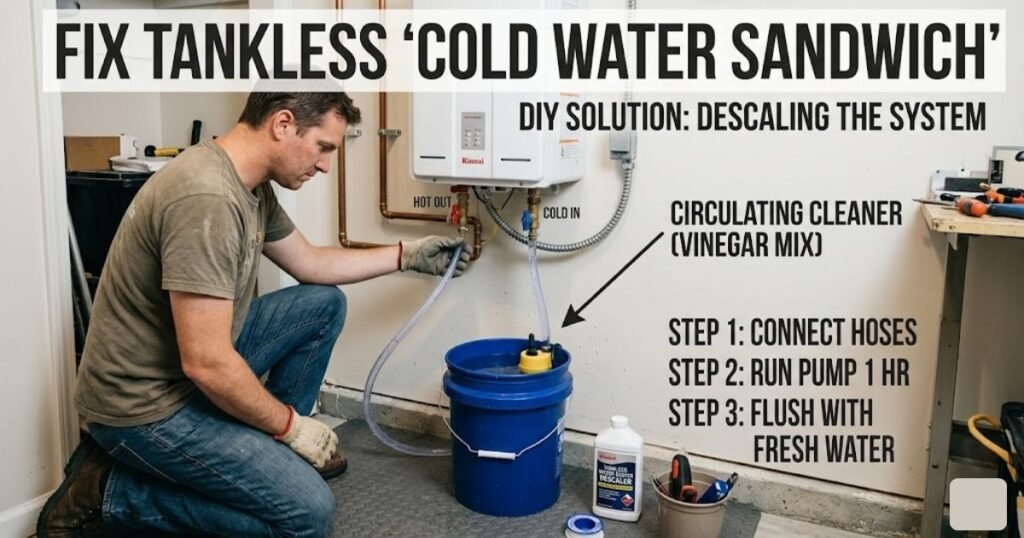
| Descaling | Restoring efficiency in hard water areas. | Easy (DIY) |
READ MORE: Hard Water Impact on Water Heater Lifespan — Signs, Fixes, and Costs

Real Price Examples
Fixing a cold water sandwich doesn’t have to cost thousands of dollars. Depending on the route you take, you can find parts at local hardware stores like Home Depot or Lowe’s. Here are some real-world price examples to help you budget:
- Rheem Timer-Based Recirculation Pump Kit: Roughly $289.43 at online. This is a great “all-in-one” solution for homes that don’t have a dedicated return line.
- Watts Hot Water Recirculation System: Usually around $269.00 at online. This system is famous for being DIY-friendly and installs under your furthest sink.
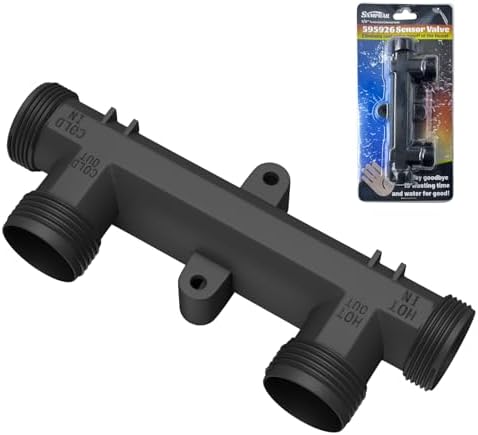
- Watts Sensor Valve Kit: About $83.33 at online. If you already have a pump but need an extra valve for a second bathroom, this is your price point.
- Rheem Brass Service Valves for Tankless Heaters: You can find these in kit listings for about $62.46. These are essential if you want to be able to clean and flush your unit easily.
- Tankless Descaler Kit: Pricing often shows up around $155 (based on Home Depot review contexts). This usually includes a pump, hoses, and the descaling solution.
Note: These prices are estimates based on current market trends and can vary significantly based on your specific location, the brand of your heater, and any labor costs if you hire a plumber.
READ MORE: Best Whole House Water Softener System for Home (2026) — Top Picks & Buyer’s Guide

When to Call a Plumber
While cleaning a filter or buying a recirculation kit at Home Depot is something many DIYers can handle, some issues require a professional. You should stop troubleshooting and call a licensed plumber if you notice the following:
- Repeated Temperature Swings: If the water goes from hot to cold to hot and then back to cold while the water is still running, you might have a failing flow sensor or a cracked heat exchanger.
- Weak Flow: If you have great pressure on the cold side but the hot side is just a trickle, you likely have a major internal blockage.
- Strange Noises: If your tankless unit sounds like it’s “knocking” or “rumbling” when it fires up, that’s often a sign of heavy scale buildup that needs a professional-grade flush.
- Frequent Shutdowns: If the unit displays “Error Codes” and shuts down completely during your shower, there is an internal component failure or a venting issue.
- No Improvement After Maintenance: If you’ve cleaned the filters and descaled the unit but the cold water sandwich is still making you miserable, you likely need a custom-engineered solution like a buffer tank or a specific valve adjustment.
FAQs
Why does my tankless water heater give a cold water sandwich?
It happens because the heater takes a few seconds to detect water flow and ignite the burners. During this “ignition lag,” unheated water flows into the pipes. If you turn a faucet off and then quickly back on, that gap of unheated water gets trapped between the hot water already in the pipes and the new hot water the heater is creating.
How do I stop cold water sandwich on a tankless heater?
The most effective ways to stop it are installing a small buffer tank (which stores a little bit of hot water to bridge the gap) or adding a recirculation pump. On a basic level, you can also reduce the effect by cleaning your inlet filters and ensuring your showerheads have a high enough flow rate to keep the burner engaged.
Will a recirculation pump fix cold water sandwich?
Yes, in most cases. A recirculation pump keeps hot water constantly moving through your plumbing. Because the water in the pipes is always hot and the heater stays “primed,” the gap where cold water would normally enter the line is virtually eliminated.
Is a cold water sandwich normal on tankless water heaters?
To an extent, yes. Many manufacturers like Rinnai and Noritz acknowledge this behavior. It is a byproduct of how “on-demand” heating works. However, while it is “normal” from a mechanical perspective, it can be mitigated or eliminated with the right system design and accessories.
How much does it cost to fix a tankless water heater cold water sandwich?
If it’s a DIY filter cleaning, it costs $0. If you buy a recirculation kit, expect to pay between $250 and $300 for parts. If you hire a professional plumber to install a buffer tank and perform a full system flush, you could spend anywhere from $500 to $1,200 depending on your local labor rates.
Conclusion
The cold water sandwich is one of those annoying modern problems that comes with the territory of “on-demand” technology. It’s a bit like the “lag” you might experience on a video call frustrating, but usually a result of how the system is trying to be efficient.
If you’re currently shivering in the shower, remember that you have options. Start with the easy stuff: clean that inlet filter and try letting the water run for an extra 30 seconds. If that doesn’t do the trick, investing in a recirculation system or a buffer tank can transform your morning routine from a game of “temperature roulette” into the relaxing experience it’s supposed to be.

