High efficiency heat pump systems have become one of the smartest ways to heat and cool a home because they move heat instead of creating it from fuel. ENERGY STAR notes that an efficient air-source heat pump can deliver up to three times more heat energy to a home than the electricity it uses, and it can also handle summer cooling. For many U.S. homeowners, that means better comfort, lower energy use, and one system doing double duty all year long.
This guide breaks down the best high efficiency heat pump systems in plain English, with a focus on what matters in real life: comfort, quiet operation, cold-weather performance, installation style, and long-term value. It also includes a practical comparison table, buying advice, homeowner tips, and FAQs so you can compare options with confidence. Lets deep dive into “Best High Efficiency Heat Pump Systems: Top Picks, Review & Comparison”
READ MORE: Ultra Quietest Heat Pump for Your Home: Review, Comparison & Cost
What Makes a Heat Pump “High Efficiency”?
Don’t let HVAC jargon overwhelm you. To shop like an expert, you only need to understand these four core concepts:
1. SEER2 and HSPF2 Ratings
The Department of Energy uses these updated metrics to grade real-world efficiency. Higher numbers mean lower utility bills:
- SEER2 (Cooling): Measures summer efficiency. Standard units hover around 14–16, while high-efficiency models soar past 20 to 24 SEER2.
- HSPF2 (Heating): Measures winter efficiency. Anything 9 or higher is exceptionally efficient at slashing heating costs compared to traditional electric or baseboard heat.
2. Inverter (Variable-Speed) Technology
Traditional heat pumps operate like a light switch—they are either 100% on at full blast or completely off, which wastes energy and causes annoying temperature swings. Premium systems use variable-speed compressors that act like cruise control. They adjust their output precisely, often running continuously at just 25% capacity. This sips electricity, runs much quieter, and keeps your indoor temperature perfectly steady.
3. Cold-Climate Performance
The myth that heat pumps fail in freezing weather is officially busted. Today’s best cold-climate models use advanced engineering to extract heat from outdoor air even when temperatures plunge to -13°F or lower, completely eliminating the need for expensive, inefficient backup heat strips.
4. Precision Sizing and Installation
Even the best heat pump will underperform if it isn’t sized correctly for your specific home. A qualified installer must perform a Manual J Load Calculation based on your square footage, insulation, and windows.
- Oversized units cycle on and off too fast, which ruins efficiency and leaves your home humid.
- Undersized units will run constantly and struggle to keep you comfortable on extreme weather days.
READ MORE: Best Heat Pump Brands Comparison, Reviews, and Buying Guide

Best High Efficiency Heat Pump Systems:
To cut through the marketing noise, we analyzed the top systems on the market based on real-world reliability, technology, noise levels, and overall value. Here are the top 5 high-efficiency heat pump systems available today.
1. Carrier Infinity 24 (with Greenspeed® Intelligence)
- Efficiency: Up to 24 SEER2 / 10.5 HSPF2
- Technology: Greenspeed® Variable-Speed Inverter
- Sound Level: As low as 51 dB
- Short Overview: The pinnacle of traditional ducted split systems, pairing a variable-speed compressor with smart software to make microscopic, real-time comfort adjustments.
- Main Strengths: Elite cooling efficiency (24 SEER2); adaptive communication with your indoor thermostat; superior summer dehumidification without over-cooling.
- Possible Drawbacks: High upfront equipment and installation costs; requires Carrier’s proprietary Infinity System Control thermostat to unlock full benefits.
- Best For & Climate: Long-term homeowners with existing ducted systems in warm or mixed climates who prioritize absolute humidity control and whisper-quiet operation (as low as 51 dB).
2. Lennox Dave Lennox Signature Collection (SL25XPV)
- Efficiency: Up to 24 SEER2 / 11.8 HSPF2
- Technology: Precise Comfort® Variable Capacity
- Sound Level: As low as 58 dB
- Short Overview: The industry leader in raw efficiency, engineered to aggressively lower utility bills and minimize your home’s carbon footprint.
- Main Strengths: Unmatched heating efficiency (11.8 HSPF2); adjusts capacity in tiny 1% increments; pairs directly with solar panels to run on clean energy.
- Possible Drawbacks: Highly engineered components require strict, professional maintenance; proprietary parts can occasionally face regional availability delays.
- Best For & Climate: Eco-conscious buyers facing high electric rates in cold or mixed climates who want maximum possible winter energy savings.
READ MORE: Best MRCOOL Mini Split Air Conditioners and Heat Pumps: Review & Comparison
3. Mitsubishi Electric Hyper-Heating H2i® Series
- Efficiency: Up to 28+ SEER2 (Model Dependent)
- Technology: H2i® Cold-Climate Inverter
- Layout: Ducted & Ductless Heat Pump Options
- Short Overview: The gold standard for ductless mini-splits and cold-weather performance, built to keep your home warm during brutal winter freezes.
- Main Strengths: Maintains 100% heating capacity down to 5°F (and operates efficiently down to -13°F); hyper-flexible ducted or ductless configurations; independent multi-room zoning.
- Possible Drawbacks: Requires wall- or ceiling-mounted indoor units (if choosing ductless); designing a multi-zone system requires a highly specialized installer.
- Best For & Climate: Homeowners in extreme cold climates, homes without existing ductwork, or older renovations. Indoor air handlers run near-silently (often below 20 dB).
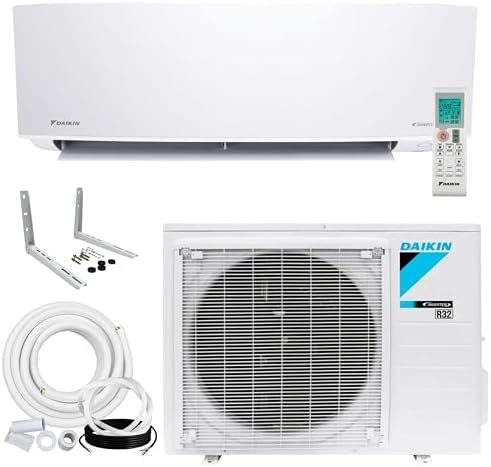
4. Daikin Fit (Enhanced Series)
- Efficiency: Up to 18 SEER2 / 10 HSPF2
- Design: Side-Discharge, Compact Footprint
- Warranty: 12-Year Parts & Unit Replacement Limited Warranty
- Short Overview: A compact, suitcase-thin “side-discharge” system designed to bring premium variable-speed inverter efficiency to homes with limited outdoor space.
- Main Strengths: Space-saving footprint perfect for narrow side yards; industry-leading 12-year unit replacement warranty; brings inverter tech to a lower price point.
- Possible Drawbacks: Lower peak cooling efficiency (maxes out around 18 SEER2); requires the proprietary Daikin One+ smart thermostat.
- Best For & Climate: Urban homeowners, townhouses, or tight lots in temperate, southern, or mixed climates looking for great value and space savings.
READ MORE: Small Room Window Air Conditioner: Best 2026 Picks, Comparison, & Buying Guide
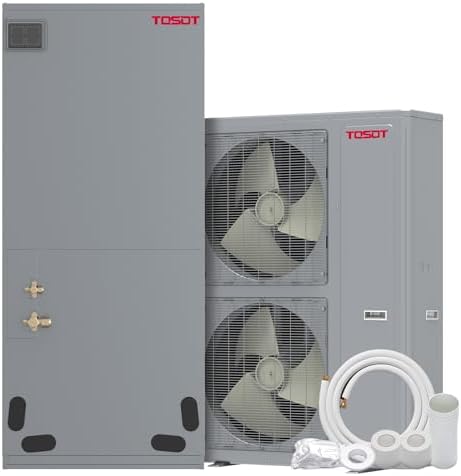
5. Bosch Inverter Ducted Split (IDS) Premium Connected
- Efficiency: Up to 20 SEER2 / 10.5 HSPF2
- Compatibility: Universal 24V Thermostat Support
- Smart Features: Wireless Diagnostics & Monitoring
- Short Overview: A highly smart, self-modulating inverter system that provides premium variable-speed comfort without forcing you into a closed brand ecosystem.
- Main Strengths: Universal compatibility—works with your existing Nest, Ecobee, or standard 24V thermostat; auto-adjusts compressor speed independently; built-in Wi-Fi for remote tech diagnostics.
- Possible Drawbacks: Designed primarily as a central ducted system (fewer multi-zone options); some local HVAC techs may be less familiar with the brand.
- Best For & Climate: Value-conscious buyers in mixed and moderately cold climates who want premium inverter performance while keeping their preferred smart home setup.
High Efficiency Heat Pump Systems Comparison
To help you visualize how these systems stack up against one another, let’s take a side-by-side look at their core specifications, design strengths, and ideal target audience.
| Brand & Model | System Style | Efficiency Highlights | Cold-Climate Capability | Noise Profile | Ideal Homeowner | Overall Value |
| Carrier Infinity 24 | Central Ducted | Up to 24 SEER2 / 10.5 HSPF2 | Good (Down to ~10°F) | Ultra-Quiet (51 dB) | Long-term homeowners prioritizing low noise & perfect humidity control. | Premium investment with excellent operational savings. |
| Lennox SL25XPV | Central Ducted | Up to 24 SEER2 / 11.8 HSPF2 | Excellent (High HSPF2) | Quiet (58 dB) | Green energy enthusiasts who want max efficiency and solar integration. | Top-tier pricing, but yields maximum possible monthly utility savings. |
| Mitsubishi H2i® Series | Ducted & Ductless Options | Up to 28+ SEER2 (Ductless) | Superior (100% capacity at 5°F) | Near-Silent (Indoor <20 dB) | Homeowners in extreme cold zones or homes lacking traditional ducts. | High upfront cost for multi-zone, but completely replaces fossil fuels. |
| Daikin Fit | Slim Side-Discharge | Up to 18 SEER2 / 10 HSPF2 | Moderate (Standard Winters) | Very Quiet (Horizontal Airflow) | Urban homes with small yards or strict space limitations. | Exceptional value; pairs premium inverter tech with a modest price. |
| Bosch IDS Premium | Central Ducted | Up to 20 SEER2 / 10.5 HSPF2 | Great (Solid low-temp output) | Quiet & Smooth Modulation | Tech-friendly buyers who want to keep their Nest/Ecobee thermostats. | Best balance of premium inverter tech, universal compatibility, and price. |
READ MORE: Air to Water Heat Pump — Complete 2026 Buyer’s Guide (costs, brands, pros & cons)
Which System Is Best for Different Homeowners?
Every home is different, and no single system is perfect for every situation. Let’s break down which of these models fits best based on your specific priorities.
Best Overall: Bosch IDS Premium Connected
For the vast majority of American homeowners with existing ductwork, the Bosch IDS Premium offers the perfect intersection of price, modern technology, and flexibility. Its ability to deliver true variable-speed inverter comfort without forcing you into an expensive, proprietary ecosystem makes it an incredibly practical and rewarding upgrade.
Best for Cold Climates: Mitsubishi Electric Hyper-Heating H2i®
If you live in a northern state where winter temperatures regularly dive below freezing, Mitsubishi is the undisputed king. Its ability to maintain its full heating output at 5°F without relying on expensive backup heat strips ensures your home stays warm and cozy during the darkest days of winter.
Best for Quiet Operation: Carrier Infinity 24
If your outdoor HVAC unit sits right outside a bedroom window or next to a backyard patio, noise matters. The Carrier Infinity 24’s ultra-low 51-decibel operating volume is so quiet that you can stand right next to it and carry on a normal whisper.
Best for Ducted Homes: Lennox Signature Collection SL25XPV
If your home has a well-insulated, robust central duct network and you want to extract every single ounce of efficiency out of it, the Lennox SL25XPV’s staggering 11.8 HSPF2 heating efficiency makes it an incredible investment for lowering your monthly energy use.
Best for Flexible Installation & Small Spaces: Daikin Fit
If you live in a modern townhouse, have a tight side yard, or simply don’t want a massive metal cube ruining your backyard landscaping, the Daikin Fit’s suitcase-thin, side-discharge profile provides a smart, space-saving solution without sacrificing comfort.
Best for Long-Term Value: Daikin Fit & Bosch IDS Premium
Both of these systems deliver the core benefits of high-efficiency variable-speed technology at a price point that allows you to break even on your investment much faster than the ultra-premium tier models.
READ MORE: Solar Powered Heat Pump Cost: USA Homeowner Guide to Savings

High Efficiency heat Pump Buying Guide:
Investing in a new heating and cooling system is a major decision. To ensure you make an informed choice that you will be happy with for the next 15 to 20 years, keep these crucial factors in mind as you shop:
- Home Size and Layout: The square footage, number of stories, and layout of your home dictate the required capacity of your system. A large, sprawling ranch style home has vastly different airflow needs than a compact two-story home.
- Your Local Climate Zone: Homeowners in deep southern states should prioritize a system with a sky-high SEER2 rating and great dehumidification. Homeowners in northern regions should look past SEER2 and focus almost entirely on high HSPF2 ratings and low-temperature heating performance.
- Ducted vs. Ductless Infrastructure: If your home already has great, leak-free ductwork, a central ducted heat pump is usually the easiest path forward. If your home relies on old boiler radiators or baseboard heat, a ductless mini-split system will save you from the massive expense and mess of tearing open walls to install new ducts.
- Upfront Budget and Financing: High efficiency systems cost more upfront than basic, old-fashioned single-stage systems. Look for local HVAC dealers offering low-interest or 0% financing options to help spread out the cost while you immediately reap the rewards of lower utility bills.
- Federal Tax Credits and Local Rebates: Thanks to the Energy Efficient Home Improvement Credit (Section 25C) under the Inflation Reduction Act, U.S. homeowners can claim a federal tax credit of up to $2,000 for qualified high-efficiency heat pumps. Additionally, many local electric utility companies offer instant cash-back rebates worth hundreds or even thousands of dollars. Always ask your installer for a list of qualifying models before buying!
- Warranty Coverage: Look for brands that offer at least a 10-year parts warranty. Remember that most manufacturer warranties require you to register the equipment online within 60 or 90 days of installation, so don’t let that paperwork sit on your kitchen counter!
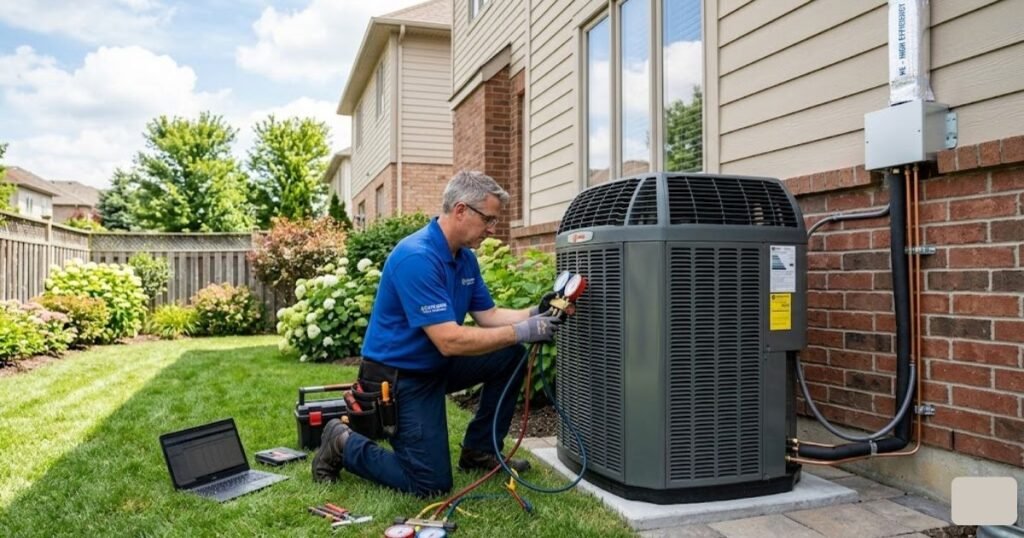
- The Quality of the Installer: This is the single most critical factor. A poorly installed premium heat pump will break down constantly and run inefficiently. Choose a licensed, insured contractor with excellent local reviews, certified technicians (such as NATE certification), and extensive experience specifically dealing with variable-speed inverter equipment.
- Future Maintenance Needs: High-efficiency systems are advanced electronic machines. Ensure you are comfortable signing up for a regular bi-annual maintenance plan to keep the outdoor coils clean, clear out condensate drains, and ensure the system runs at peak performance.
READ MORE: Is a Google Nest Thermostat Worth It? Review, Comparison & Buyer Guide
Real-World Tips for Getting the Best Performance
Once your shiny new high efficiency system is installed, there are several simple things you can do as a homeowner to ensure it operates at peak efficiency and delivers maximum savings:
The “Set It and Forget It” Golden Rule
If you grew up with a traditional gas furnace, you were probably taught to turn your thermostat down by 5 to 10 degrees when you left for work or went to sleep to save money.
With an inverter heat pump, doing this actually wastes energy.
Inverter systems are designed to ramp up slowly and run continuously at ultra-low speeds to maintain a steady temperature. If you drop the temperature drastically while you are gone, the system will have to kick into high gear at maximum capacity to catch up when you return, burning through extra power. Pick a comfortable temperature and leave it alone!
- Keep Your Air Filters Fresh: A clogged, dusty air filter chokes your system’s airflow. This forces the variable-speed motor to work much harder, spiking your electric bill and putting unnecessary wear and tear on components. Check your filters monthly and replace them at least every 90 days.
- Seal and Insulate Your Ductwork: If your home has leaky, uninsulated ducts running through a scorching attic or freezing crawlspace, you could be losing up to 30% of your conditioned air before it ever reaches your living spaces. Have an expert seal your duct joints with mastic or specialized foil tape.
- Keep the Outdoor Unit Clear: Walk outside occasionally and ensure that autumn leaves, tall weeds, overgrown bushes, or winter snowbanks aren’t crowding your outdoor unit. The system needs ample, unrestricted airflow around all sides to exchange heat efficiently.
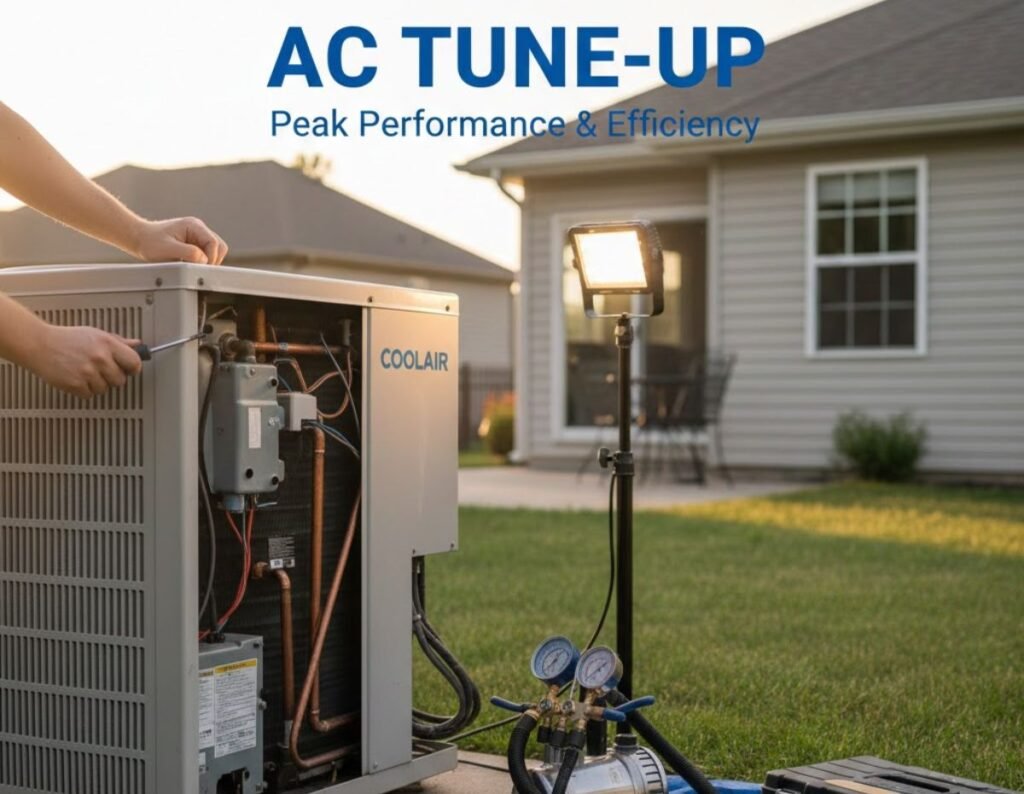
- Schedule Annual Professional Tune-Ups: Have a professional technician service your system twice a year—once in the spring before the cooling season, and once in the fall before the heating season. They can check refrigerant levels, clean the coils, inspect electrical connections, and catch minor issues before they turn into costly breakdowns.
Frequently Asked Questions
What is the most efficient heat pump for a home?
Ductless mini-splits are the most efficient overall, with brands like Mitsubishi and Daikin exceeding 28 to 30 SEER2. For traditional central ducted homes, premium models like the Lennox SL25XPV and Carrier Infinity 24 lead the market with ratings up to 24 SEER2.
Are high efficiency heat pumps worth it?
Yes. While they have a higher upfront cost, they quickly pay for themselves through significantly lower monthly power bills, quieter operation, and precise climate control. You can also offset the cost with the $2,000 federal tax credit and local utility rebates.
What heat pump works best in cold weather?
Systems featuring specialized cold-climate inverter technology perform best. The Mitsubishi Hyper-Heating H2i® series is an industry benchmark, maintaining 100% heating capacity down to 5°F and operating reliably down to -13°F without relying on expensive backup heat strips.
How long does a high efficiency heat pump last?
A well-maintained system typically lasts between 15 and 20 years. Because variable-speed inverter compressors ramp up and down smoothly instead of constantly blasting on and off, they experience much less mechanical wear and tear over time.
Which brand makes the quietest heat pump?
Carrier and Mitsubishi offer some of the quietest performance. The Carrier Infinity 24 runs as low as 51 decibels outdoors, while Mitsubishi’s indoor ductless wall units operate near-silently at under 20 decibels—quieter than a whisper.
Conclusion
Upgrading your home to a high efficiency heat pump system is one of the smartest, most impactful investments you can make as a modern homeowner. By moving away from old-fashioned, single-stage heating and cooling and embracing modern variable-speed inverter technology, you can protect your household from volatile energy prices while enjoying a level of quiet, consistent indoor comfort you never thought possible.