Dealing with an aging heating and cooling system can be a stressful and costly ordeal for any homeowner. Whether your current air conditioner is blowing warm air on the hottest day of summer, your furnace is making alarming clanking noises, or your monthly utility bills have spiked inexplicably, replacing your HVAC equipment is a major investment. When researching reliable heating and cooling equipment without paying top-tier flagship prices, many American homeowners encounter Heil HVAC as a strong mid-range contender.
In this comprehensive guide, you will learn everything you need to know about Heil HVAC systems, including product offerings, energy efficiency ratings, warranty details, estimated 2026 installation costs, and how Heil stacks up against major competitors like Carrier, Goodman, and Rheem. By understanding the advantages, drawbacks, and practical purchasing considerations, you can approach your next home improvement project with confidence. Lets deep dive into “Heil HVAC Guide: Costs, Reviews, Pros & Cons”
What Is Heil HVAC?
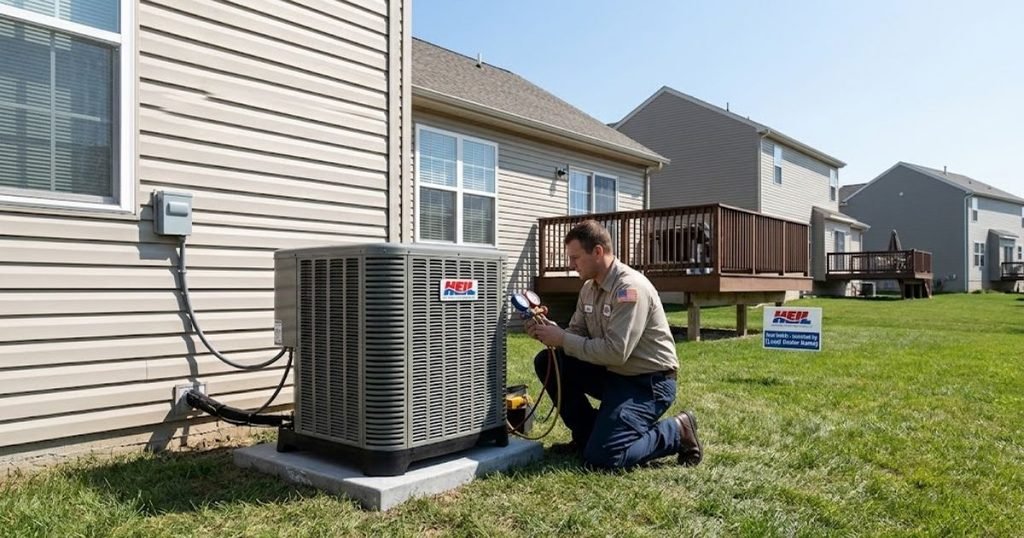
Heil is a well-established residential and commercial heating, ventilation, and air conditioning brand with a history dating back to the mid-20th century. Originally founded as a manufacturing company in Milwaukee, Wisconsin, the Heil brand has evolved significantly over the decades. Today, Heil is part of International Comfort Products (ICP), which operates as a subsidiary of Carrier Global Corporation, one of the largest and most prominent HVAC manufacturers in the world.
Corporate Relationship and Manufacturing
Because Heil is manufactured under the ICP umbrella alongside sister brands like Tempstar, Comfortmaker, and Arcoaire, many Heil units share engineering platforms, components, and manufacturing facilities with Carrier systems. However, industry experts note that shared corporate parentage does not mean every model is identical. While Heil equipment benefits from the robust engineering research and quality control standards of Carrier Global Corporation, Heil systems are typically marketed as a more budget-friendly or value-oriented alternative.
Product Offerings and Market Positioning
Heil offers a broad catalog of residential heating and cooling equipment designed to fit various home sizes, climate zones, and household budgets. Their product lineup includes central air conditioners, gas furnaces, heat pumps, packaged systems, air handlers, and indoor air quality accessories. The brand is generally positioned in the mid-range market segment, appealing to homeowners who want dependable comfort, modern energy efficiency, and strong warranty protection without paying premium flagship prices.
The Importance of Proper Sizing and Installation
No matter how reputable a brand name might be, an HVAC system is only as good as its installation. Choosing equipment based solely on brand reputation is a common pitfall. A poorly sized system or substandard installation will lead to uneven temperatures, premature component failure, and inflated utility bills. Selecting a licensed local contractor to perform a proper Manual J load calculation is essential for maximizing the lifespan and efficiency of any Heil HVAC system.
READ MORE: Tempstar Furnace Review: Models, Prices & Efficiency
What HVAC Products Does Heil Offer?
Heil organizes its equipment into distinct product tiers, most notably the premium Ion Series (featuring advanced technology, quiet operation, and smart thermostat compatibility) and the budget-friendly Performance Series (delivering reliable, cost-effective comfort).
Heil Air Conditioners
Heil central air conditioners are designed to keep homes cool and comfortable during sweltering summer months.
- Single-Stage Models: These operate at 100% capacity whenever they turn on, offering a reliable and economical cooling solution for moderate climates.
- Two-Stage Models: These operate on high capacity during peak heat and drop to a lower, energy-saving stage during milder weather, providing superior humidity control and more even temperatures.
- Variable-Capacity Models: Part of the high-end Ion Series, these units adjust their output in small increments to match exact cooling demands, achieving high SEER2 efficiency ratings (up to 19.0 SEER2) and exceptionally quiet operation.
Heil Gas Furnaces
Heil gas furnaces provide reliable winter heating across various climate zones in the United States.
- Efficiency Ratings (AFUE): Heil offers furnaces ranging from standard 80% Annual Fuel Utilization Efficiency (AFUE) models up to high-efficiency condensing models reaching up to 98% AFUE. An 80% AFUE furnace vents exhaust through a traditional metal chimney and is often chosen for milder winter regions or retrofit situations where venting changes are difficult. High-efficiency condensing furnaces extract extra heat from exhaust gases, venting through PVC pipes directly out of a sidewall, which significantly reduces fuel waste in colder climates.
- Operating Stages: Homeowners can choose from single-stage, two-stage, and modulating gas valves, paired with multi-speed or variable-speed blower motors that enhance comfort and quiet airflow.
Heil Heat Pumps
Heat pumps provide both heating and cooling by transferring heat between the indoors and outdoors, making them an increasingly popular all-electric choice across many parts of the U.S.
- Performance and Efficiency: Heil heat pumps range from standard efficiency units to advanced variable-speed models (such as the Ion Series heat pumps) offering high SEER2 cooling and impressive HSPF2 heating efficiency.
- Cold-Weather Operation: Modern Heil heat pumps feature improved low-ambient performance, delivering effective heating even when outdoor temperatures drop, though homes in extreme northern climates often pair them with a gas furnace in a dual-fuel setup.
Other Heil HVAC Equipment
In addition to split-system air conditioners and furnaces, Heil offers packaged systems (combining heating and cooling in a single outdoor cabinet), fan coils, indoor evaporator coils, ductless mini-split systems, and advanced communicating wall controls like the Ion System Control. Availability of specific accessories and specialized models can vary by region and local distributor inventory.
READ MORE: Lennox Heat Pump Review: Prices, Pros, Cons & Comparison
Heil HVAC Reviews: Is the Brand Any Good?
When evaluating Heil HVAC reviews, homeowners and industry experts generally view the brand as a dependable, high-value alternative to premium market leaders.
- Build Quality and Construction: Because Heil units are manufactured by ICP under Carrier Global Corporation, they utilize durable components, corrosion-resistant coils, and sturdy cabinet designs engineered to withstand harsh weather conditions.
- Energy Efficiency and Comfort: With options ranging from standard single-stage units to whisper-quiet variable-speed systems, Heil equipment can achieve high SEER2 and AFUE ratings, helping households reduce their carbon footprint and electricity consumption.
- Noise Levels: High-end Ion models are engineered for exceptionally quiet operation—sometimes operating as low as 55 to 57 decibels, which is quieter than a normal conversation.
- Warranty Support: Heil stands out for offering competitive warranties, including their notable No Hassle Replacement limited warranty on qualifying upper-tier models.
- Dealer Network and Parts Availability: Because Heil shares parts compatibility with Carrier, replacement parts are widely accessible to certified HVAC technicians across the United States. However, local dealer availability can vary depending on your specific state and municipality.
Long-term satisfaction ultimately depends on proper equipment matching, professional installation quality, and regular annual maintenance rather than brand name alone.
Heil HVAC Pros and Cons
| Potential Advantages | Potential Disadvantages |
| Competitive pricing and strong overall value compared to flagship brands. | Total installation cost varies significantly depending on the contractor and region. |
| Broad product selection spanning budget-friendly and high-efficiency tiers. | Premium features and variable-speed technology are restricted to upper-tier models. |
| Excellent warranty options, including qualifying replacement guarantees. | Standard parts warranties require timely online equipment registration. |
| Shared engineering and parts lineage with Carrier systems. | Local dealer service network and contractor availability vary by location. |
| Quiet sound levels and smart-home compatibility on Ion series units. | Higher-efficiency units require a larger initial capital investment. |
READ MORE: Best High Efficiency Gas Furnace: Review, Cost & Comparison
Heil HVAC Cost
Budgeting for a new heating and cooling system requires understanding equipment costs versus total installed costs. Buying a bare unit online does not account for necessary labor, permits, electrical work, and duct modifications. Estimated installed costs for Heil equipment in the United States include:
- Central Air Conditioner Replacement: A complete installed Heil air conditioner system typically ranges from $3,000 to $9,000, depending on the tonnage, efficiency rating (SEER2), and whether you select a Performance or Ion series model.
- Gas Furnace Replacement: Installing a new Heil gas furnace generally ranges from $3,000 to $7,500, with high-efficiency 95%+ AFUE modulating models sitting at the higher end of the spectrum.
- Heat Pump Installation: A Heil heat pump system installation typically ranges from $4,000 to $10,000+, influenced by climate requirements and system capacity.
- Complete System Replacement (Furnace + AC or Heat Pump): Replacing both indoor and outdoor units simultaneously usually ranges from $6,500 to $14,000+ installed.
- Optional Upgrades: Smart thermostats, indoor air quality purifiers, UV lamps, and minor ductwork repairs can add $300 to $2,500 to the total project cost.
Key Factors Influencing Final Cost
- Home Size and Heating/Cooling Load: Larger homes require higher-tonnage equipment (e.g., 4 or 5 tons).
- Technology Tier: Single-stage systems cost less upfront, whereas variable-speed systems command higher initial prices but offer lower operating costs.
- Infrastructure Requirements: Upgrading old electrical panels, replacing deteriorated refrigerant lines, or modifying complex ductwork will increase labor costs.
- Local Labor Rates: Contractor pricing varies substantially between metropolitan areas and rural regions.
Homeowners should always obtain at least three itemized written quotes from licensed local HVAC contractors to compare equipment specifications, labor warranties, and total project scopes.
Energy Efficiency Explained
Understanding HVAC efficiency ratings helps homeowners estimate long-term utility savings:
- SEER2 (Seasonal Energy Efficiency Ratio 2): Measures the cooling efficiency of air conditioners and heat pumps under updated testing protocols. Higher SEER2 ratings indicate lower electricity consumption during cooling seasons.
- HSPF2 (Heating Seasonal Performance Factor 2): Evaluates the heating efficiency of heat pumps. Higher numbers signify greater electrical efficiency during colder months.
- AFUE (Annual Fuel Utilization Efficiency): Expresses the percentage of fuel converted into usable heat for gas furnaces. An 80% AFUE furnace converts 80% of natural gas into heat, while 20% escapes through the flue.
While high-efficiency equipment reduces monthly utility bills, homeowners must weigh the higher upfront equipment cost against their local utility rates and climate. Homes in mild climates may not recoup the extra cost of top-tier variable-speed units as quickly as homes in extreme southern or northern climates. Additionally, proper insulation, tight windows, and sealed ductwork play an equally critical role in overall energy efficiency.
READ MORE: Furnace Replacement Cost in USA
Heil HVAC Warranty: What Should Homeowners Know?
Heil provides competitive warranty coverage for registered equipment, making warranty protection a notable selling point for the brand.
- Standard Parts Limited Warranty: Most Heil HVAC equipment comes with a 10-year parts limited warranty provided the equipment is registered online within 90 days of installation. If left unregistered, the parts warranty typically defaults to 5 years under state laws.
- No Hassle Replacement Limited Warranty: On select high-end Ion series air conditioners, heat pumps, and furnaces, Heil offers a one-time replacement unit if a major critical component (such as the compressor, heat exchanger, or evaporator coil) fails due to a manufacturing defect within the designated replacement period (typically 5 to 10 years depending on the model tier).
- Heat Exchanger Coverage: Premium gas furnaces often feature a 20-year or lifetime limited warranty on the heat exchanger.
- Exclusions and Labor: Manufacturer warranties cover parts only and do not cover labor costs, refrigerant charges, diagnostic fees, or service call charges unless a separate labor warranty was purchased through your installing contractor. Regular annual maintenance by a licensed professional is typically required to keep warranty validation intact.
Installation and Maintenance
Proper installation and routine upkeep are vital for ensuring your Heil system operates safely and efficiently throughout its lifespan.
Professional Installation Essentials
- Manual J Load Calculation: A qualified technician must calculate your home’s exact heating and cooling load based on square footage, insulation, window placement, and local climate.
- Refrigerant Charging and Airflow Balancing: Incorrect refrigerant charge or restricted airflow drastically reduces system efficiency and can permanently damage compressors.
- Electrical and Venting Safety: Gas lines, electrical circuits, and high-efficiency PVC venting must comply strictly with local building codes.
Homeowner Maintenance Checklist
- Filter Inspection: Check your air filter monthly. Clean or replace standard 1-inch filters every 1 to 3 months.
- Outdoor Coil Clearance: Keep the outdoor condensing unit free of tall grass, fallen leaves, shrubbery, and cottonwood debris, maintaining at least two feet of clearance around the cabinet.
- Unobstructed Vents: Ensure indoor supply registers and return air grilles are never blocked by furniture or rugs.
- Professional Tune-Ups: Schedule a professional spring AC check-up and autumn furnace inspection to catch minor issues before they turn into costly breakdowns. Never attempt to service electrical wiring, gas connections, or sealed refrigerant lines yourself.
Heil vs. Carrier vs. Goodman vs. Rheem
Comparing HVAC brands helps clarify where Heil fits in the broader market landscape.
| Comparison Factor | Heil | Carrier | Goodman | Rheem |
| General Market Positioning | Mid-range value | Premium flagship | Budget-friendly entry | Reliable mid-range |
| Equipment Selection | Comprehensive residential tiers | Extensive high-end options | Broad value-driven lineup | Solid residential lineup |
| Efficiency Options | Up to 19+ SEER2 | Up to 24+ SEER2 | Up to 24.5 SEER2 | Up to 20.5+ SEER2 |
| Warranty Considerations | 10-year parts + No Hassle replacement | 10-year standard parts | 10-year parts + unit replacement on select models | 10-year registered parts |
| Typical Installed Cost | Moderate (3,000–9,000+) | Higher (3,000–15,000+) | Lower (2,800–7,500+) | Moderate (3,000–8,500+) |
| Dealer and Service Access | Local independent dealer network | Extensive authorized dealer network | Widely available contractors | Widespread contractor network |
| Best Purchasing Consideration | Homeowners wanting Carrier-backed tech at a lower price. | Buyers seeking top-tier quietness and smart features. | Budget-conscious homeowners looking for affordable replacement parts. | Reliable performance and straightforward maintenance. |
READ MORE: Best Honeywell Thermostat Models: Buyer’s Guide & Comparison
Is Heil HVAC Worth Buying?
For the vast majority of American homeowners, Heil HVAC equipment is well worth considering.
- Who Should Buy Heil: Homeowners looking for dependable central heating and cooling, solid energy efficiency, and strong warranty protection without paying the inflated marketing overhead of premier luxury brands will find Heil to be an exceptional value. It is especially attractive for buyers who obtain competitive quotes from reputable local independent dealers.
- Who Should Compare Other Options: Homeowners who prioritize absolute whisper-quiet luxury features, those living in regions without certified local Heil service technicians, or households requiring specialized commercial-grade engineering should explore alternative brands.
Ultimately, your choice should be driven by the quality of the local contractor proposing the installation, the accuracy of the system sizing, and the comprehensiveness of the written warranty rather than brand name recognition alone.
Five Frequently Asked Questions
Is Heil HVAC a good brand?
Yes, Heil is widely regarded as a solid mid-range HVAC brand. Because Heil is manufactured by International Comfort Products (ICP) a subsidiary of Carrier Global Corporation—its units share much of the same engineering, build quality, and parts availability as Carrier equipment, but typically at a more approachable price point.
How much does a Heil HVAC system cost?
The total installed cost for a Heil air conditioner or furnace typically ranges from $3,000 to $9,000, while a complete heating and cooling system replacement ranges from $6,500 to $14,000+. Exact pricing depends on your home’s square footage, equipment efficiency (SEER2/AFUE), chosen model tier, and local labor rates.
Who manufactures Heil HVAC systems?
Heil HVAC systems are manufactured by International Comfort Products (ICP), which is a wholly owned operating unit of Carrier Global Corporation. This corporate relationship ensures rigorous quality control and widespread availability of replacement parts across the United States.
How long does a Heil HVAC system last?
With proper annual maintenance and timely filter replacements, a well-maintained Heil air conditioner or heat pump typically lasts between 15 and 20 years, while Heil gas furnaces can often operate reliably for 15 to 25 years depending on climate intensity and usage.
What is the warranty on Heil air conditioners and furnaces?
Most Heil equipment offers a 10-year parts limited warranty when registered online within 90 days of installation. Furthermore, select premium Ion series models include Heil’s signature No Hassle Replacement limited warranty, which provides a one-time replacement unit if a major core component fails within the qualifying coverage period.
Homeowner Buying Checklist and Final Recommendation
Before signing an installation contract with an HVAC contractor, review this practical checklist to protect your investment:
- Exact Model Numbers: Ensure specific indoor and outdoor equipment model numbers are explicitly written on your quote.
- Capacity and Efficiency: Verify that the proposed tonnage matches a professional load calculation and meets desired SEER2 or AFUE ratings.
- Written Installation Scope: Confirm all labor, electrical wiring, pad placement, permit fees, and old equipment removal are detailed in writing.
- Warranty Documentation: Clarify both manufacturer parts coverage and the contractor’s labor warranty.
- Product Registration: Confirm who is responsible for submitting online equipment registration to secure the full 10-year parts warranty.
- Rebates and Financing: Ask about available federal energy efficiency tax credits, state utility rebates, and promotional financing terms.
Final Recommendation
Replacing your home heating and cooling system is a significant milestone. By partnering with a qualified local contractor, requesting itemized comparative estimates, and selecting a reliable system tailored to your climate, investing in a Heil HVAC setup delivers long-term comfort, energy savings, and peace of mind.
Sources and Editorial Disclaimer
- Primary Sources: Official Heil HVAC Product Specifications, International Comfort Products (ICP) Technical Documentation, Carrier Global Corporation Corporate Overview, ENERGY STAR Equipment Guidelines, and U.S. Department of Energy Efficiency Standards.
- Disclaimer: Pricing figures, energy efficiency ratings, and warranty terms cited in this article are estimates based on current industry research for informational purposes only. Actual installation costs and equipment availability vary significantly by geographic region, contractor pricing, and home-specific structural requirements. Homeowners should consult licensed local professionals for official, itemized quotes.