Here is the most important truth you need to know right away: a sewage smell in a bathroom is never just an annoying odor—it is a warning sign from your plumbing system. Quick answer: Bathrooms typically smell like sewage because sewer gases are escaping from your drainage pipes into your living space, usually due to a dried-out water trap, a blocked plumbing vent, a damaged wax ring under the toilet, or a hidden pipe leak. Masking this odor with a spray does nothing to solve the underlying problem, which can expose your home to unpleasant gases and potentially hazardous conditions if left unaddressed.
In this comprehensive guide, written from the perspective of an experienced residential plumbing expert, you will learn how residential drainage systems work. Explore the eight most common reasons your bathroom smells like sewage. Follow a practical diagnostic guide to pinpoint the source, discover step-by-step troubleshooting fixes, understand the health and safety risks of sewer gas, and know exactly when it is time to call a licensed professional plumber. Lets deep dive into “Sewage Smell in Bathroom: Causes, Fixes & When to Call a Plumber”
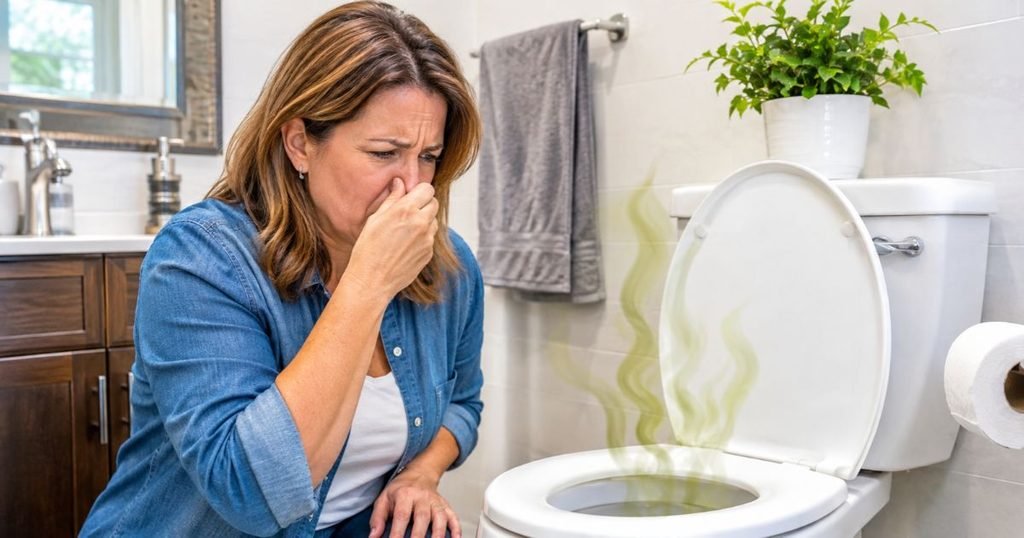
Why Does My Bathroom Smell Like Sewage?
To understand why your bathroom smells like sewage, you first need to understand how a typical American residential plumbing system is designed to keep your home safe and sanitary. Every fixture in your bathroom, your sink, toilet, bathtub, shower, and floor drain is connected to a complex network of waste pipes that carry wastewater out of your home and into a municipal sewer system or a private septic tank.
While you want wastewater to leave your home easily, you definitely do not want the harsh, toxic gases from the sewer mains entering your living areas. This is where two critical plumbing components come into play: P-traps and plumbing vent pipes.
Every drain features a curved section of pipe directly beneath or inside the fixture known as a P-trap. Because of its downward bend, this trap always holds a small amount of standing water. This water acts as an airtight physical barrier that blocks sewer gases from rising up through the drain opening and into your bathroom.
Furthermore, your plumbing system relies on vent pipes that extend up through your roof. These vent pipes equalize air pressure in the plumbing lines to ensure smooth drainage while safely channeling sewer gases out and away from your roofline, high above your living spaces.
When you notice a sewage odor in your bathroom, it means something has compromised this protective system. Either a water barrier has evaporated or disappeared, a seal has broken, a pipe has cracked, or a vent has become blocked, allowing those uninvited sewer gases to bleed directly into your indoor air.
READ MORE: Why Does My Laundry Room Smell Like Sewage Gas?
8 Common Causes of Sewage Smell in Bathroom
1. Dry P-Trap or Floor Drain
- How it works: The water barrier inside a P-trap is your home’s frontline defense against sewer gas. Whenever you run a sink, take a shower, or flush a toilet, fresh water replenishes this trap.
- The problem: In guest bathrooms, basement bathrooms, or rarely used walk-in showers and floor drains, the standing water inside the P-trap can easily evaporate over several weeks of disuse. Once that water barrier disappears completely, an open highway is created straight from the sewer lines into your bathroom.
- Troubleshooting: Pour a bucket of water down any infrequently used shower drains or floor drains to instantly replenish the water seal and block escaping gases.
2. Clogged Bathroom Drain
- How it works: Bathroom drains deal with a constant influx of hair, soap scum, body oils, skin cells, toothpaste, and hair conditioner residue on a daily basis.
- The problem: Over time, this organic debris accumulates along the interior walls of the waste pipes, forming a thick, decomposing sludge. As bacteria break down this trapped organic matter inside a damp, dark pipe, it produces foul-smelling gases that mimic the scent of raw sewage.
- Signs and cleaning: You may notice slow-draining water alongside a persistent sour or sulfuric odor. Safe cleaning options include flushing the drain with boiling water, using a mechanical hair snake to pull out clogs, or applying a mixture of baking soda and vinegar followed by hot water flushing. Avoid harsh chemical drain cleaners, as they can damage older pipes and create dangerous chemical reactions.
3. Damaged or Worn Toilet Wax Ring
- How it works: Every standard toilet sits atop a closet flange bolted to the floor. Between the porcelain toilet bowl and this flange sits a thick wax ring that creates a 100% waterproof and airtight seal.
- The problem: If a toilet rocks slightly when you sit on it, or if the floor settles over time, the wax ring can compress, crack, or break. When this seal fails, sewer gases escaping from the main drain pipe leak out around the base of the toilet instead of venting safely outside.
- Warning signs: A distinct sewage smell near the toilet base (especially noticeable when walking into the room), slight wobbling when shifting weight on the toilet, or minor water moisture pooling around the floor tiles. Replacing a wax ring requires lifting the toilet, cleaning the old wax, and installing a new seal.
4. Plumbing Vent Pipe Problems
- How it works: Plumbing vent stacks run vertically through your home’s interior walls and exit out through the roof, allowing air to enter the system so wastewater flows smoothly without creating a vacuum.
- The problem: Because these vent pipes terminate on the roof, they are vulnerable to outdoor blockages. Leaves, twigs, bird nests, tennis balls, or accumulated ice and snow can plug the vent opening entirely.
- Symptoms: When a vent is blocked, flushing a toilet or emptying a bathtub can pull air from nearby P-traps, sucking the water dry and allowing sewer gas to enter. You may also hear gurgling sounds in your sinks or toilets when water drains elsewhere. Safety note: Never climb onto a slippery or steep roof to inspect vent pipes yourself; always hire a qualified professional.
5. Biofilm and Bacteria Inside Drains
- How it works: Bathrooms are humid, warm environments that encourage rapid microbial growth.
- The problem: A pink or dark slimy substance known as biofilm frequently lines sink drains, overflow channels, and the undersides of stopper assemblies. While technically distinct from raw sewer gas, decomposing bacteria within this biofilm generate strong organic odors that closely resemble sewage.
- Recommendations: Unscrew and clean out the sink stopper (pop-up assembly) regularly, scrub inside the drain opening with a long-handled bottle brush, and wipe down internal surfaces with a mild disinfectant solution.
6. Damaged Sewer Line or Drainpipe
- How it works: Hidden behind your bathroom walls and underneath your subflooring or concrete slab lies a network of ABS, PVC, or cast-iron drainpipes.
- The problem: Older cast-iron pipes can rust through and develop pinhole leaks or cracks over decades of service, while PVC pipes can crack due to shifting foundations or poor installation. If a drainpipe or vent pipe inside a wall cracks, sewer gases will seep directly into your wall cavities and fill your bathroom.
- Signs: Persistent, heavy sewer smells that do not go away despite cleaning traps or toilets, frequently backed-up fixtures, or damp patches on walls and ceilings near plumbing lines.
7. Loose or Improperly Installed Plumbing Connections
- How it works: Underneath your bathroom vanity, slip-joint nuts, washers, and tailpieces connect the sink drain to the P-trap and wall stub-out.
- The problem: If a slip nut works loose over time due to cabinet vibrations or items bumping against the plumbing under the sink, tiny gaps can form. Furthermore, DIY remodeling or sloppy initial plumbing installation without proper trap fittings or sanitary tees can leave pathways for gas leaks.
- Fix: Check under the vanity sink with a flashlight and tighten any loose slip-joint nuts by hand (or gently with pliers if needed, taking care not to crack plastic fittings).
8. Septic System Problems (Where Applicable)
- How it works: Homes located in rural or suburban areas outside municipal sewer coverage rely on private septic tanks and drain fields to process household waste.
- The problem: A failing septic tank, a saturated drain field, a blocked septic vent, or a full tank that requires pumping can cause sewage gases to back up through household vents and plumbing fixtures.
- Signs: Slow drainage across multiple fixtures throughout the house, soggy patches or foul odors outside in your yard near the septic tank, and gurgling toilets. Contact a licensed septic professional for inspection and pumping.
READ MORE: Main Sewage Line Clogged: Signs, Causes & Solutions
How to Find Where the Sewer Smell Is Coming From
Pinpointing the exact source of an unpleasant odor in a bathroom requires a methodical, detective-like approach. Because air currents can carry odors, the smell may seem strongest in the middle of the room even when its true source is localized. Use this diagnostic guide to isolate the problem:
- Sewer smell coming from the shower drain: If the odor vanishes after running the shower for a minute, you are dealing with a dry P-trap. If running water does not help, hair and soap scum buildup inside the drain line is likely generating bacterial odors.
- Sewage odor around the toilet: Kneel down near the base of the toilet and sniff closely. If the smell is concentrated right where the porcelain meets the floor—especially if the toilet rocks slightly—your wax ring seal has failed.
- Bathroom sink drain smells like sewage: Lean over the sink basin or check inside the vanity cabinet. A dirty overflow hole or a grimy P-trap is usually the culprit here.
- Sewer smell coming from a floor drain: Common in laundry rooms or basement-adjacent bathrooms. These traps dry out very quickly because they receive very little wastewater input.
- Odor that becomes stronger after flushing: If the smell intensifies immediately after flushing the toilet, it strongly indicates that sewer gas is escaping through a broken wax ring, a loose toilet flange, or a cracked vent pipe that depressurizes when waste drops down the stack.
- Sewer smell throughout the entire bathroom: If the whole room smells uniformly like a sewer regardless of which fixture you inspect, you are likely dealing with a blocked roof vent stack, a major plumbing leak inside a wall cavity, or an overloaded septic system.
Diagnostic Comparison Table
| Where the Smell Comes From | Possible Cause | What to Check |
| Shower drain | Dry P-trap or organic buildup | Check if standing water is present in the trap; look for hair clogs. |
| Toilet base | Failed toilet seal (wax ring) | Check for wobbling, moisture, or odor concentrated at floor level. |
| Bathroom sink | Drain slime, biofilm, or trap issue | Inspect the stopper, overflow channel, and vanity P-trap connections. |
| Floor drain | Evaporated water trap seal | Verify whether the trap contains standing water by looking inside the drain grate. |
| Entire bathroom | Blocked roof vent or damaged pipe | Check for multiple slow drains, gurgling sounds, or roof obstructions. |
Note: These symptoms serve as valuable diagnostic clues rather than definitive final diagnoses. Complex issues often require professional testing.
How to Get Rid of Sewage Smell in Bathroom: 7 Practical Fixes
1. Refill Dry P-Traps
For infrequently used guest bathrooms, laundry rooms, or basement showers, simply run water through every faucet, showerhead, and floor drain for at least 60 seconds. This simple step restores the protective water seal and immediately blocks rising gases. For floor drains that dry out repeatedly, consider pouring a tablespoon of mineral oil on top of the water in the trap; mineral oil evaporates much slower than water, extending the life of the seal.
2. Clean Bathroom Drains
Remove hair and gunk manually using a plastic drain snake or zip-it tool. Follow up by pouring a mixture of half a cup of baking soda down the drain, followed by half a cup of white vinegar. Let it fizz for 15 minutes to break down organic buildup, then flush thoroughly with plenty of hot tap water.
3. Clean the Sink Overflow Opening
Many homeowners overlook the small overflow hole near the top of the bathroom sink basin. Water frequently splashes into this opening during handwashing, where it stagnates and breeds smelly bacteria. Pour a diluted bleach solution or specialized antibacterial drain cleaner down the overflow hole using a small funnel, let it sit, and rinse with hot water.
4. Inspect the Toilet Base
If your toilet wobbles or smells at the base, it must be unseated, cleaned, and reinstalled with a brand-new wax ring and closet bolts. While handy homeowners can tackle this DIY project, renting or buying a new wax ring and working carefully with porcelain fixtures is recommended. If you notice structural rotting in the subfloor around the toilet flange due to long-term leaks, call a professional contractor or plumber immediately.
5. Check for Drainage and Venting Problems
If multiple fixtures drain sluggishly or gurgle when flushed, your main plumbing vent or drain line is likely obstructed. Inspect your attic or roofline visually from the ground with binoculars to see if leaves or debris are visibly blocking the vent pipe opening. Never attempt to clear roof vents if it requires climbing onto a wet, steep, or dangerous roof.
6. Address Septic System Warning Signs
If you have a septic system and notice sewage odors both inside the bathroom and outdoors across your property, alongside slow-draining sinks, do not attempt DIY repairs. Contact a licensed septic service contractor to inspect tank levels, check baffle integrity, and pump the tank if necessary.
7. Schedule a Professional Plumbing Inspection
When basic troubleshooting fails to eliminate a persistent sewage odor, call a licensed plumber. Professional plumbers utilize advanced diagnostic tools such as high-resolution sewer camera inspections to look inside hidden drain lines, and smoke testing—pumping non-toxic, pressurized smoke through your plumbing system to pinpoint invisible cracks, loose fittings, or disconnected vent pipes behind walls.
Homeowner Maintenance vs. Professional Repair: Simple tasks like pouring water into a dry trap, clearing a hair clog, or cleaning a sink stopper are safe DIY maintenance. However, replacing cracked drainpipes, repairing main sewer lines, fixing roof vent stacks, or overhauling septic systems require the specialized licensing, insurance, and equipment of a professional plumber.
READ MORE: What to Do When Sewage Backs Up: Emergency Steps & Cleanup
Is Sewer Gas in the Bathroom Dangerous?
Treating the presence of sewer gas with seriousness and caution is essential for protecting your family’s health and safety. Raw sewer gas is a complex mixture of vapors and gases generated by the breakdown of organic waste inside municipal sewers and septic systems.
While its composition varies depending on temperature, waste type, and distance from treatment plants, sewer gas commonly contains:
- Hydrogen sulfide (H2S): Known for its unmistakable, pungent rotten-egg odor.
- Methane (CH4): A flammable, colorless, and odorless gas.
- Carbon dioxide (CO2) and ammonia (NH3).
Health and Safety Considerations
In typical residential scenarios where a minor plumbing defect allows a mild sewer smell into a bathroom, the concentration of toxic gases is usually low enough that it causes acute irritation rather than severe poisoning. Low-level exposure to hydrogen sulfide can cause headaches, eye irritation, nausea, dizziness, and fatigue. However, long-term exposure or higher concentrations in confined, poorly ventilated spaces can lead to respiratory distress and more serious health effects.
Crucial Safety Rules for Homeowners:
- Never attempt to identify gas concentrations by smelling them. While hydrogen sulfide smells like rotten eggs at low concentrations, olfactory fatigue sets in quickly meaning your nose adapts after a few minutes, and you can no longer smell it even though dangerous levels are present.
- Avoid flames, smoking, and electrical light switches if you suspect a flammable gas hazard (such as a methane leak combined with natural gas lines).
- Leave the area immediately if you encounter an overwhelming, heavy, or suffocating sewage odor, or if anyone in your household experiences unexplained dizziness, headaches, or nausea. Seek fresh air and contact emergency services or a qualified utility professional if gas leaks are suspected.
- Do not ignore persistent odors. Even if the immediate danger of explosion or toxicity is low in a well-ventilated home, living with chronic sewer gas exposure is unhealthy and indicates a failing plumbing barrier that requires prompt correction.
When Should You Call a Professional Plumber?
While DIY troubleshooting can successfully resolve minor issues like a dry P-trap or a mild hair clog, there are clear tipping points where attempting to fix the problem yourself becomes impractical or risky. You should call a licensed professional plumber immediately if you encounter any of the following warning signs:
- Persistent sewer smells that do not go away after cleaning all drains, refilling P-traps, and checking the toilet seal.
- Sewage backing up into your shower stall, bathtub, or basement floor drains—this represents a severe health hazard and a blocked main sewer line.
- Multiple slow or gurgling drains throughout the house, which indicates a blockage in the main stack or sewer lateral.
- Water pooling or leaking continuously around the toilet base, pointing toward subfloor damage or severe flange failure.
- Repeated sewer odors returning across the home despite previous minor repairs.
- Suspected broken sewer lines under your concrete slab or yard, or disconnected vent pipes inside wall cavities.
Relying repeatedly on harsh chemical drain cleaners to mask or blast away clogs only degrades your pipes further. Professional plumbing diagnosis saves you time, prevents costly property damage, and ensures your home’s sanitation system complies with local building codes.
READ MORE: CCTV Drain Inspection to Find Underground Sewer Blockage — Costs, Process & Fixes
How Much Does It Cost to Fix a Sewage Smell in the Bathroom?
Understanding the financial aspect of plumbing repairs helps you budget appropriately. Because plumbing labor rates, geographic locations, and the severity of underlying problems vary widely across the United States, repair costs are best understood through estimated price ranges.
Estimated Cost Breakdown for Common Bathroom Odor Repairs
| Repair Service | Estimated US Cost Range | What It Involves |
| Drain Cleaning / Snaking | $150 – $350 | Clearing hair, grease, and organic buildup from sink or shower drain lines. |
| Toilet Wax Ring Replacement | $100 – $250 | Lifting the toilet, cleaning the flange, and installing a new wax seal and bolts. |
| P-Trap Repair or Replacement | $150 – $400 | Replacing faulty, cracked, or improperly installed slip-joint PVC trap assemblies. |
| Plumbing Vent Pipe Clearing | $150 – $350 | Removing roof-level blockages such as debris, leaves, or animal nests. |
| Sewer Camera Inspection | $250 – $500 | Running a specialized fiber-optic camera through drain lines to identify cracks or roots. |
| Main Sewer Line Repair | $1,500 – $4,000+ | Excavating or trenchless repairing of damaged main sewer lines outside or beneath the home. |
| Septic System Inspection / Pumping | $300 – $700 | Assessing tank capacity, baffles, and pumping accumulated solids. |
Key Cost Factors
Final plumbing expenses depend on several variables:
- Geographic Location: Labor rates are significantly higher in major metropolitan areas with high costs of living compared to rural communities.
- Accessibility: Pipes hidden behind finished walls, beneath concrete slabs, or in tight crawlspaces require more labor and time to access than exposed vanity plumbing.
- Severity of Damage: A simple wax ring replacement is inexpensive, whereas a collapsed cast-iron sewer line beneath a foundation requires extensive excavation.
- Permits and Code Upgrades: Major sewer line replacements often require local municipal permits and adherence to current residential plumbing codes.
READ MORE: Tree roots in sewer line — removal & repair cost
How to Prevent Sewer Smell in Bathroom
Preventing future sewage odors is much easier and less stressful than troubleshooting them after they arise. Incorporate these proactive maintenance habits into your home care routine:
- Run water regularly: Make it a habit to run water in guest bathrooms, basement showers, and floor drains every few weeks to keep P-trap water seals fresh and prevent evaporation.
- Clean drains periodically: Flush bathroom drains monthly with natural mixtures of baking soda and hot water to discourage bacterial biofilm accumulation.
- Use drain hair catchers: Install mesh hair screens over your shower and bathtub drains to trap hair and debris before they enter and coat your plumbing lines.
- Monitor your toilet base: Periodically check your toilet for stability. If it rocks even slightly when pushed, tighten the floor bolts or replace the wax ring before sewer gas begins leaking.
- Address slow drainage early: Never ignore a slowly draining sink or shower. Clear minor clogs immediately with a plunger or snake before they harden into severe blockages.
- Schedule annual plumbing checkups: Have a licensed plumber inspect your home’s plumbing system, water heater, and main sewer line periodically, especially in older homes with aging cast-iron pipes.
- Maintain septic systems: If your home relies on a septic tank, have it inspected and pumped every 3 to 5 years according to local health department recommendations.
Frequently Asked Questions
Why does my bathroom smell like sewage all of a sudden?
A sudden sewage smell usually indicates that a critical plumbing barrier has failed overnight. The most common culprit is a dry P-trap in a shower or floor drain where the standing water has completely evaporated. Another frequent cause is a newly cracked toilet wax ring seal or a blockage in your roof’s plumbing vent pipe that pulled water out of your sink traps when another fixture was used elsewhere in the house.
How do I get rid of sewer smell in my bathroom?
Start by running water down all sinks, showers, and floor drains for at least 60 seconds to refill dry P-traps. Clean visible hair and organic buildup out of your drain lines using a plastic hair snake and a mixture of baking soda and hot water. Check the base of your toilet for wobbling or moisture. If these basic DIY maintenance steps do not eliminate the odor within 24 hours, contact a licensed plumber.
Why does my shower drain smell like sewage?
Shower drains frequently smell like sewage due to hair, soap scum, and body oils accumulating inside the drain pipe, creating a foul-smelling bacterial biofilm. Alternatively, if the shower is rarely used, the water inside the underground P-trap may have dried up, allowing sewer gases to rise directly through the shower drain grate into your bathroom without obstruction.
Is sewer gas in a bathroom dangerous?
Yes, persistent sewer gas exposure can be hazardous. Sewer gas contains hydrogen sulfide which smells like rotten eggs along with methane and carbon dioxide. Low-level exposure causes headaches, dizziness, and nausea.
Why does my bathroom smell like sewage even when everything is clean?
If your bathroom is spotless and you still notice a heavy sewage odor, the problem is likely hidden inside your plumbing infrastructure. Potential causes include a cracked drainpipe or vent stack hidden behind a wall cavity, a deteriorated cast-iron pipe beneath the floor, a roof vent blockage, or an overloaded septic tank. These issues require professional diagnostic tools like smoke testing or sewer camera inspections.
Final Thoughts
Dealing with a sewage smell in bathroom spaces is an unwelcome chore, but it is one you should tackle promptly. As we have explored, whether the root cause is a simple dry P-trap, a grimy hair clog, a worn-out toilet wax ring, or a blocked roof vent, sewer odors are your home’s early warning system telling you that protective plumbing barriers have failed.
Remember that masking the odor with air fresheners only hides the symptom while leaving the underlying plumbing defect intact. By following systematic troubleshooting steps, maintaining your fixtures regularly, and knowing when to call a licensed plumbing professional, you can ensure your bathroom remains fresh, safe, and sanitary. If basic maintenance does not resolve the issue, do not hesitate to reach out to a qualified local plumber to diagnose and repair your plumbing system correctly.
Sources & References
- United States Environmental Protection Agency (EPA): Indoor Air Quality and Residential Plumbing Guidelines.
- Centers for Disease Control and Prevention (CDC): Public Health Guidance on Sewer Gas Exposure and Hydrogen Sulfide.
- Occupational Safety and Health Administration (OSHA): Hazard Information Bulletin on Sewer Gas Characteristics.
- International Association of Plumbing and Mechanical Officials (IAPMO): Uniform Plumbing Code Standards for Residential Drainage and Venting Systems.
Disclaimer: This article is intended for informational and educational purposes for American homeowners. Plumbing codes, municipal regulations, and structural conditions vary significantly by state, county, and municipality. Always consult a licensed local plumber or certified contractor for major plumbing repairs, structural modifications, or persistent safety concerns.

