When your air conditioner stops cooling in the middle of summer or your furnace dies during a freezing night, the first thing you’re likely to Google is “HVAC near me.” It’s not just a search it’s a lifeline. Finding a reliable local HVAC service can mean the difference between a quick, affordable fix and days of discomfort.
With the growing demand for energy-efficient homes and smart climate systems, HVAC services have become more than just repair work they’re essential for maintaining comfort, health, and energy savings. Whether you live in a bustling city or a quiet suburb, local HVAC experts ensure your home remains at the perfect temperature year-round. Lets deep dive into “Emergency HVAC Service Near Me | Local HVAC Repair & Installation Services”
But here’s the catch: not all HVAC companies are the same. Some promise quick service but charge sky-high rates, while others may lack proper certifications. That’s why understanding how to find and choose the right HVAC company near you is so crucial.
In this guide, we’ll explore everything you need to know from what HVAC actually means to how to pick the most reliable service provider in your area.
READ MORE: Best AC Technician Near Me | Licensed & Insured
Understanding What HVAC Really Means
HVAC stands for Heating, Ventilation, and Air Conditioning, and it’s the system responsible for keeping your indoor environment comfortable and breathable. Think of it as the lungs and heart of your home it circulates clean air, maintains the right temperature, and filters out pollutants.
The Components of HVAC Systems
- Heating: Usually involves furnaces or heat pumps that keep your home warm during winter.
- Ventilation: Ensures air circulation, controlling humidity and filtering dust or allergens.
- Air Conditioning: Keeps your living spaces cool and dry during the summer months.
Each component plays a vital role, and when one fails, it can affect the entire system’s performance. That’s why finding local HVAC services that can handle all three aspects efficiently is key.
Why Every Home Needs HVAC Services
Even the most advanced HVAC systems need regular maintenance. Dust build-up, clogged filters, or minor electrical faults can drastically reduce efficiency. By having a dependable “HVAC near me” contact, you can prevent small issues from turning into expensive replacements.
How to Find Reliable HVAC Services Near You
Finding the best HVAC company in your area isn’t just about who’s closest it’s about who’s qualified and trustworthy.
Using Local Search Tools Effectively
Start by typing “HVAC near me” into Google Maps or Yelp. You’ll get a list of nearby companies, complete with customer reviews, ratings, and contact details. Look for businesses with verified listings, professional websites, and consistent branding.
Reading Reviews and Ratings
Customer feedback speaks volumes. Prioritize companies with ratings above 4.5 stars and read through both positive and negative comments. Pay attention to reviews mentioning punctuality, transparency, and follow-up services these are hallmarks of a reliable HVAC contractor.
READ MORE: Emergency Heat Pump Repair: Signs, Costs & What to Do
Common HVAC Services You Might Need
When you contact a local HVAC company, they usually offer a range of services to cover every possible scenario.
HVAC Installation
Whether you’re moving into a new home or upgrading an outdated system, installation is one of the biggest HVAC investments. Local technicians can recommend the right size and type of system based on your home’s layout and energy needs.
HVAC Repair
From refrigerant leaks to broken thermostats, HVAC repairs can vary in complexity. A reputable local company will diagnose the problem accurately and provide upfront estimates before starting any work.
HVAC Maintenance and Tune-Ups
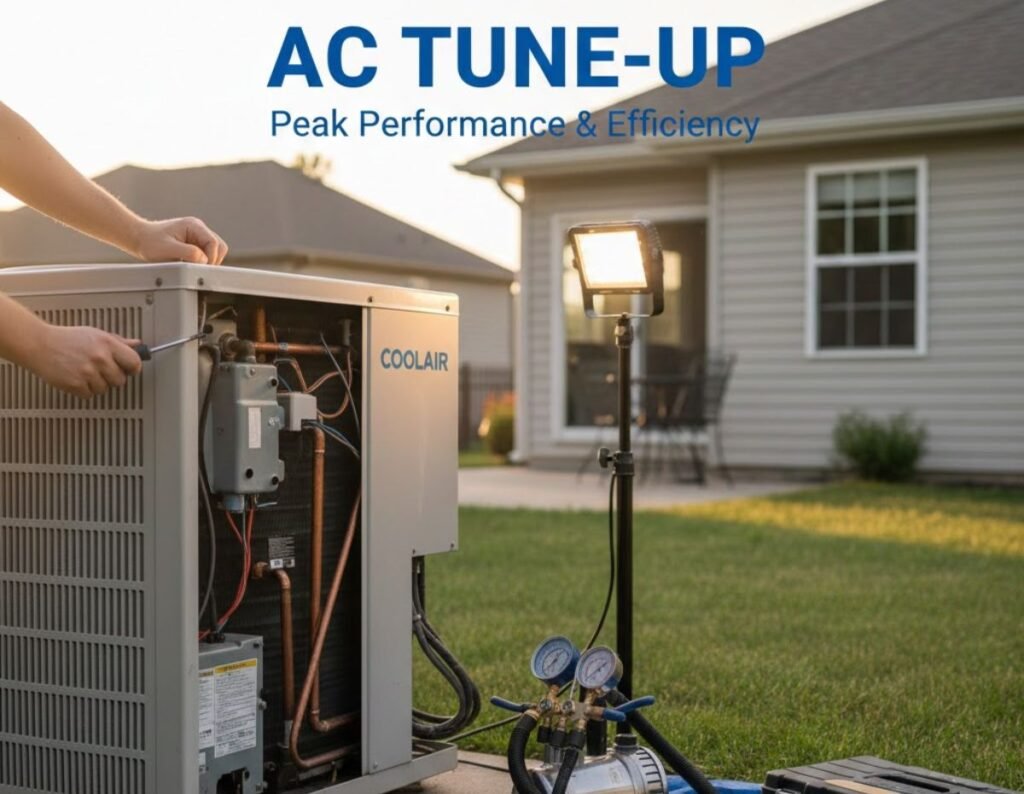
Preventative maintenance is often overlooked but essential. Regular inspections help keep systems efficient, prevent costly repairs, and extend their lifespan. Many HVAC companies offer annual service contracts that include seasonal tune-ups.
Signs You Need an HVAC Technician Right Away
It’s tempting to ignore small problems, but with HVAC systems, that’s rarely a good idea.
Strange Noises or Odors
Grinding, banging, or hissing noises could indicate loose parts, refrigerant leaks, or motor issues. Unusual smells like a musty or burning scent might mean mold growth or electrical faults.
Poor Airflow or Uneven Temperatures
If some rooms are freezing while others are sweltering, your system could have blocked ducts or failing components. Local HVAC experts can quickly identify and fix these airflow issues.
READ MORE: AC Tune-Up Service Near Me | Affordable Air Conditioner Maintenance & Inspection
Benefits of Hiring Local HVAC Professionals
Choosing a local HVAC company near you offers more than just convenience it can actually save you money, time, and frustration in the long run.
Faster Response Time
When your heater breaks down during a snowstorm or your AC quits in 90-degree weather, you don’t have time to wait for a technician from two towns away. Local companies can typically respond faster since they’re already operating within your area. This means you’ll get service on the same day, sometimes within just a few hours.
Local Knowledge and Experience
Local technicians understand the specific climate challenges and housing structures in your region. For example, if you live in a humid coastal area, they’ll know how to handle salt corrosion in AC coils. In colder regions, they’re familiar with insulation issues and heating demands. This kind of localized knowledge ensures your HVAC system performs at its best all year round.
Supporting Community Businesses
By hiring a nearby HVAC service, you’re also supporting local jobs and keeping money within your community. Many small HVAC companies pride themselves on building long-term relationships with clients—meaning you’ll often receive more personalized attention and care.
How to Choose the Best HVAC Company Near You
With so many options, it can be overwhelming to choose the right HVAC service provider. But by following a few practical steps, you can make sure you hire the best one for your needs.
Licensing, Certification, and Insurance
Always check if the company holds valid licenses and certifications. In the U.S., HVAC technicians often require certifications like EPA 608 or NATE (North American Technician Excellence). These ensure that the technician has the knowledge and skills to handle refrigerants safely and perform professional-grade work. Insurance is equally important it protects you from liability in case of accidents during the service.
Transparent Pricing and Estimates
Reputable HVAC companies will always provide written estimates before starting any work. Be cautious of businesses that give vague quotes or demand upfront payments without inspection. A transparent company will break down costs for labor, parts, and additional services clearly.
Customer Service and Warranties
Great customer service goes beyond fixing the issue it’s about how they treat you. The best HVAC companies follow up after repairs, honor warranties, and provide clear communication throughout the process.
READ MORE: Heat Pump Not Cooling? Causes, Fixes & Homeowner Troubleshooting
Average Cost of HVAC Services Near Me
Before hiring an HVAC professional, it helps to understand the typical costs involved. Prices can vary depending on the size of your system, the type of service, and your location.
Installation Costs
- Central AC installation: $3,000–$7,000
- Furnace installation: $2,500–$6,500
- Heat pump installation: $4,000–$8,000
These are average estimates, and costs can increase if ductwork needs replacement or upgrades.
Repair and Maintenance Costs
- Minor repairs (filters, thermostat): $100–$300
- Major component replacement (compressor, coils): $500–$2,000
- Annual maintenance and tune-ups: $150–$400
Factors That Affect Pricing
Several factors influence the cost of HVAC services:
- Brand and model of equipment
- Local labor rates
- Accessibility of the system
- Emergency service calls (after-hours rates)
To get the best deal, compare quotes from at least three local providers.
READ MORE: Heat Pump vs AC: Which Is Better for U.S. Homeowners?
The Importance of Regular HVAC Maintenance
Think of HVAC maintenance like changing the oil in your car it keeps everything running smoothly and prevents bigger problems down the road.
Extending Equipment Lifespan
Routine maintenance helps catch issues early. A simple inspection can reveal problems like clogged filters, low refrigerant levels, or worn-out belts. Fixing these small issues before they escalate can add years to your HVAC system’s life.
Improving Energy Efficiency
When filters are clean and parts are lubricated, your system doesn’t have to work as hard. That means lower energy bills and reduced environmental impact.
Ensuring Healthy Indoor Air Quality
During maintenance visits, technicians clean ducts and vents, removing dust, pollen, and mold spores that could affect your family’s health.
Most experts recommend scheduling professional maintenance twice a year once in spring (for AC) and once in fall (for heating systems).
Energy Efficiency and Modern HVAC Systems
If your HVAC unit is over ten years old, upgrading to a modern, energy-efficient system could save you a fortune in utility bills.
Smart Thermostats and Energy Savings
Smart thermostats like Google Nest or Ecobee learn your daily habits and automatically adjust temperatures to optimize comfort and efficiency. You can even control them from your smartphone, making energy management easy and convenient.
Upgrading to Energy-Star Rated Units
HVAC systems with the Energy Star label meet strict efficiency standards set by the U.S. Environmental Protection Agency (EPA). They consume less power, reduce greenhouse gas emissions, and can qualify you for rebates or tax credits.
Long-Term Financial Benefits
While high-efficiency units may have a higher upfront cost, they quickly pay for themselves through reduced energy bills and fewer repairs.
READ MORE: Heat Pump vs AC: Which Is Better for U.S. Homeowners?
How Seasonal Changes Affect Your HVAC System
Your HVAC system works differently in summer and winter, and seasonal changes can put varying demands on it.
Preparing for Summer Heat
Before summer hits, make sure your AC system is ready. Clean or replace filters, check refrigerant levels, and clear debris from outdoor units. Scheduling a pre-summer tune-up helps prevent unexpected breakdowns when you need cooling most.
Winter Efficiency Tips
In winter, focus on insulation and sealing air leaks. Ensure vents and ducts are clean and unobstructed for even heating. Also, reverse ceiling fans to push warm air downwards it’s a simple hack that can make your home feel cozier while saving energy.
DIY Tips Before Calling an HVAC Technician
Sometimes, a small issue can make your HVAC system act up and before you rush to call a technician, there are a few quick checks you can do yourself. These simple DIY tips can save you time and money while ensuring your system is working efficiently.
Checking Air Filters
One of the most common causes of HVAC problems is a dirty air filter. A clogged filter restricts airflow, forcing your system to work harder and use more energy. This can lead to higher electricity bills and uneven room temperatures.
- Quick Fix: Turn off your HVAC system, remove the filter, and hold it up to the light. If light doesn’t pass through easily, it’s time to replace it. Filters are inexpensive and should be changed every 1–3 months depending on your environment.
Inspecting Thermostats
Your thermostat acts as the brain of your HVAC system. If your home feels too hot or too cold despite your settings, the thermostat might be the issue.
- DIY Tip: Check the batteries and make sure it’s set to the correct mode (heat or cool). Also, clean around it dust can affect its sensors.
If you have an older thermostat, consider upgrading to a programmable or smart one for better efficiency.
Checking Circuit Breakers and Vents
Before assuming your HVAC unit has failed, check your circuit breaker panel. Sometimes, tripped breakers can stop your system from running. Also, ensure all air vents are open and not blocked by furniture or curtains restricted airflow can make your HVAC work harder than necessary.
Doing these basic checks before calling an HVAC technician might solve minor issues on your own. However, if the problem persists, don’t hesitate to call a professional it’s always safer than experimenting with complex components.
READ MORE: Heat Pump Running but Not Cooling: Causes, Fixes & When to Call a Pro
Emergency HVAC Services: What to Expect
HVAC emergencies always seem to happen at the worst times late at night, during a storm, or on a holiday weekend. That’s when having a reliable 24/7 HVAC service near you becomes a lifesaver.
24/7 Assistance
Many local HVAC companies now offer round-the-clock emergency services. Whether it’s a furnace that’s gone cold or an AC leaking water, technicians can arrive quickly to diagnose and stabilize the issue.
Temporary Fixes and Safety Precautions
In some cases, technicians will apply temporary fixes to restore comfort until a full repair can be done. For instance, if a part needs to be ordered, they might provide a short-term workaround. They’ll also ensure there’s no safety hazard like gas leaks or electrical risks before leaving your home.
What You Can Do While Waiting
- Turn off your system to prevent further damage.
- Keep doors and windows closed to maintain temperature.
- Use portable fans or heaters safely for temporary relief.
Emergency services may cost more, but when temperatures become unbearable, it’s worth every penny.
READ MORE: How Many Watts Does a Water Heater Use?
Choosing Between HVAC Repair or Replacement
At some point, every homeowner faces the big decision should you repair your old HVAC system or replace it with a new one? Knowing when to make the switch can save you from wasting money on constant repairs.
Signs It’s Time for a New System
- Your system is more than 10–15 years old
- Frequent repairs and increasing utility bills
- Uneven cooling or heating across your home
- Strange noises or persistent odors
If you find yourself calling technicians several times a year, it’s likely more cost-effective to invest in a new, efficient unit.
Cost-Benefit Analysis
While replacement can seem expensive upfront, modern systems are much more energy-efficient. The money you save on lower energy bills often offsets the installation cost within a few years. Plus, new units come with warranties and improved air quality features.
Professional Assessment
Before making a decision, get an evaluation from a trusted local HVAC company. They’ll inspect your current system, estimate repair costs, and help you compare them to replacement options.
Future Trends in the HVAC Industry
The HVAC industry is evolving rapidly with new technologies focused on sustainability, comfort, and smart automation. If you’re planning to upgrade or install a system soon, it’s worth knowing where the future is headed.
Green HVAC Technologies
The future of heating and cooling is all about reducing environmental impact. Many manufacturers are developing eco-friendly refrigerants, solar-powered HVAC units, and systems with higher SEER (Seasonal Energy Efficiency Ratio) ratings. These innovations not only help the planet but also reduce long-term energy expenses.
Smart and Automated Systems
Modern HVAC systems are integrating with home automation technologies. Imagine controlling your home’s temperature, humidity, and air quality right from your smartphone or even through voice commands. AI-driven systems can also predict usage patterns, adjust settings automatically, and send maintenance alerts.
Sustainability Meets Comfort
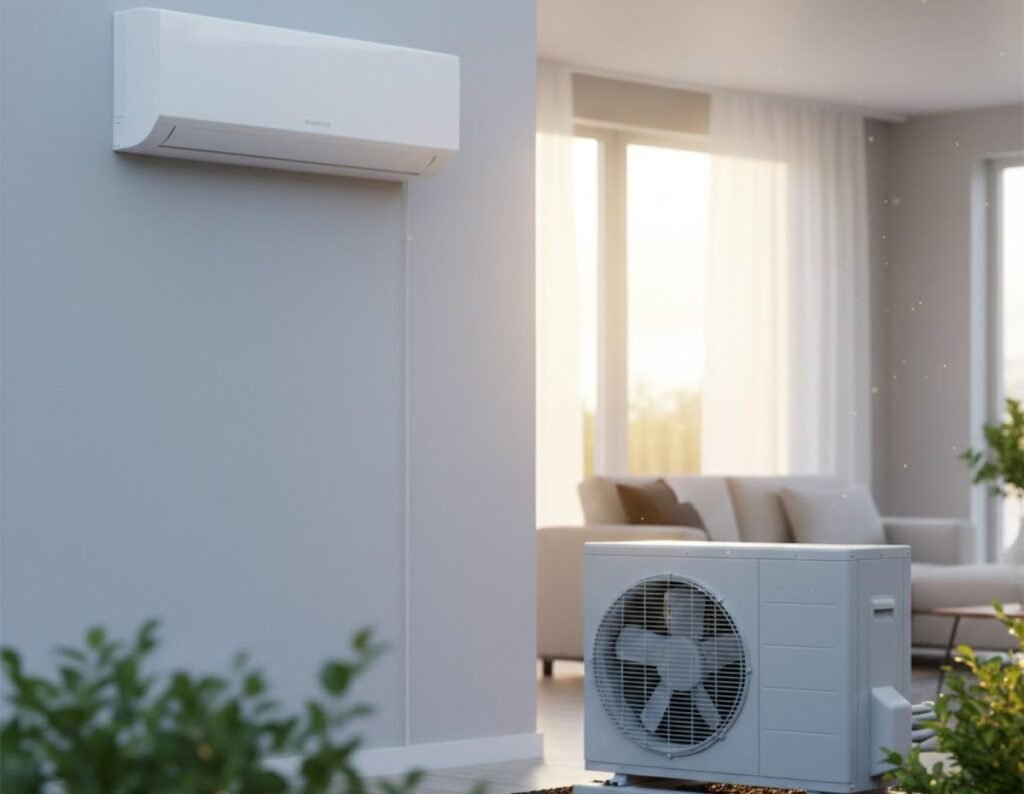
With government incentives for energy-efficient upgrades, more homeowners are switching to geothermal systems, ductless mini-splits, and heat recovery ventilators. These systems not only save money but also provide superior air quality and consistent comfort throughout the year.
Conclusion:
Searching for “HVAC near me” is more than just finding someone to fix your AC it’s about choosing a reliable partner for your home’s comfort and safety. The right HVAC company provides consistent service, expert advice, and long-term peace of mind.
By focusing on certifications, reviews, transparent pricing, and local expertise, you can find professionals who will keep your system running smoothly year after year. Regular maintenance, smart upgrades, and energy-efficient choices all play a role in making your home a comfortable, cost-effective, and sustainable place to live.
So, next time your HVAC acts up, don’t panic just follow the tips above, reach out to a trusted local expert, and keep your home perfectly cozy, no matter the season.
FAQs
How often should I service my HVAC system?
At least twice a year—once before summer and once before winter. Regular servicing ensures efficiency and prevents major breakdowns.
How long do HVAC systems typically last?
Most systems last between 10 and 15 years, depending on usage and maintenance.
What’s the best way to find reliable HVAC services near me?
Use Google Maps, Yelp, or local directories to compare reviews, ratings, and certifications before hiring.
Is it worth upgrading to an energy-efficient HVAC system?
Absolutely. Energy-efficient systems reduce utility costs and often qualify for rebates or tax credits.
Can I fix HVAC issues myself?
You can perform simple tasks like replacing filters or checking thermostats. But for complex repairs, always call a licensed professional.
Pingback: Best Mini Split Air Conditioners: Comparison, Top Picks & Buying Guide - Plumbing Guider