Shopping for an air conditioner at Home Depot? Good choice for many homeowners but not every situation. This guide walks you through what Home Depot sells, how to pick the right type and size for your house, what installation options look like (DIY, Home Depot installation, or independent pros), realistic cost ranges, warranty and refrigerant rules, and a practical checklist to finish the job with confidence.

Quick takeaways
- Best-for: budget window units and portable ACs, widely available mini-splits, and homeowners who want a one-stop buy + install experience.
- Cost snapshot: window unit (unit only) $100–$700; portable $200–$800; ductless mini-split (unit only) $1,000–$5,000+ per zone; central AC replacement installed $3,500–$11,000+ depending on size and region. (Ranges vary widely by home and region.)
- Pros: convenient shopping, national brands, bundled installation option, in-store pickup, and financing.
- Cons: limited custom engineering for complex ductwork, regional permitting and code nuances still fall on homeowner to confirm, and some higher-end or bespoke HVAC services are better handled by local specialists.
- Quick decision path: Measure → choose type → check warranty & SEER/EER → confirm install quote and permits → book.
Comparison: Home Depot vs Lowe’s vs Costco vs Walmart vs Local HVAC Contractors
| Feature / Topic | Home Depot | Lowe’s | Costco | Walmart | Local HVAC Contractors |
| Product assortment | Full range: window units, portable ACs, ductless mini-splits, central split systems, heat pumps, packaged units. | Very similar range: window/portable, mini-splits, central systems, heat pumps. | Select AC units (often portable & window; limited central AO); seasonal stock. | Mostly window & portable units; fewer larger systems. | Can source any system brand/model (flexible to homeowner needs). |
| Installation options | Home Services installation available (bundled packages); equipment-only purchases ok. | Lowe’s Home Services installation; equipment only also possible. | Installation typically not provided through Costco itself; third-party referrals sometimes offered. | No professional HVAC installation service through Walmart. | Primary offering; full installation, permits, custom sizing, and service. |
| Brand selection | Major national brands + some exclusive SKUs and Home Depot–specific packages. | Major brands + Lowe’s exclusives; similar national portfolio. | Major brand window/portable models when in stock; central/mini-split availability limited. | Popular budget window/portable brands; fewer premium options. | Any brand available — plumber/HVAC can recommend and install products that fit home needs. |
| Price & promotions | Competitive pricing; frequent financing, seasonal sales, price match + extended plans. | Competitive with Home Depot; occasional different promo cycles. | Often competitive unit pricing for seasonal models; limited year-round HVAC offerings. | Often lowest MSRP on basic units; limited depth. | Pricing varies by contractor & region; often higher labor costs but customized scope. |
| Installation cost transparency | Quote provided; bundled packages; may include permits (confirm). | Similar bundled install quotes; permits/fees vary by installer/region. | No direct installation pricing; third-party service cost varies widely. | No installation service; homeowner must find contractor. | Provides detailed itemized pricing, permits, code compliance included. |
| Warranty & protection plans | Manufacturer warranty; Home Depot extended/protection plans available. | Manufacturer warranty; Lowe’s protection plans available. | Standard manufacturer warranties; extended warranties via third-party plans. | Manufacturer warranty; limited/no extended protection. | Manufacturer warranty honored; contractor often adds workmanship guarantee. |
| Service & maintenance | Tune-ups/repair services available through Home Services; parts sold in store. | Similar service/maintenance offerings. | No in-house long-term service plans; third-party referrals. | Parts/filters available; no service plans. | Full service/maintenance plans, priority service, and repair. |
| Ease of shopping (general) | Strong online + physical store, knowledgeable staff, installation coordination. | Equivalent omnichannel experience; in-store and online. | Online + warehouse deals; less HVAC staff expertise. | Easy for basic units; limited HVAC guidance at store level. | Personalized consultations; requires homeowner to contact and schedule. |
| Best for… | One-stop buy + install, national availability, bundled solutions. | Similar one-stop convenience with competitive local pricing. | Seasonal budget units (window/portable) where price is key. | Budget desktop/window units and basic needs. | Custom whole-house solutions, complex installs, expert sizing & permits. |
| Watch out / cons | Quality and responsiveness can vary by local subcontractor; always get a written scope. | Same subcontractor variable quality; read fine print on protection plans. | Limited stock and selection seasonally; central units often unavailable. | Low SKU depth on larger systems; no install support. | Usually higher labor costs and longer scheduling; homeowner must vet contractor. |
READ MORE: Air Conditioning Companies — Compare, Costs & How to Choose
What kinds of air conditioners does Home Depot sell?
Home Depot carries the full spectrum most homeowners need:
- Window air conditioners. Inexpensive, easy to install (fits typical double-hung windows), best for single rooms, garages, or small home offices. Pros: low upfront cost, no contractor needed. Cons: blocks window, less efficient than ducted systems, noise and limited longevity. Typical capacities run 5,000–18,000 BTU.
Tip: For bedrooms, aim for a model with quiet operation and an ECO or sleep mode. - Portable air conditioners. Freestanding units with an exhaust hose out the window. They work when you don’t want a permanent window unit but are generally less efficient and take up floor space. Good short-term option.
- Ductless mini-splits (heat pump-based). One outdoor compressor and one or more indoor heads that blow cool (or warm) air. Great for room additions, basements, or homes without ductwork. They offer zoned control and typically higher SEER ratings than window units, making them efficient long-term investments. Installation requires a certified installer; Home Depot sells many single- and multi-zone systems.
- Central air conditioners (split systems). The classic whole-house option: an outdoor condenser/compressor and an indoor evaporator coil (often paired with a furnace or air handler). These serve whole-house cooling through ductwork and are available in many efficiency tiers (SEER/SEER2 ratings). They’re typically the priciest option up front but can be most cost-effective for full-home cooling.
- Packaged units. All components in one outdoor cabinet (roof or ground). Less common for single-family homes but used in certain installations or commercial/light-residential settings.
- Heat pumps. Many modern central systems are heat pumps, giving both cooling and efficient heating. In milder climates, a heat pump can replace a furnace + AC setup.
For each type, Home Depot generally stocks both DIY-friendly plug-and-play models (window/portable) and pro-grade equipment (mini-splits and central systems) where professional install is expected. Home Depot also offers HVAC installation services and free in-home consultations for replacements and installs.
Watch out: Some higher-SEER and heat-pump equipment must be matched to specific indoor coils/air handlers for warranty coverage don’t mix-and-match components without confirming compatibility. Pro tip: Keep manufacturer model numbers handy when comparing quotes.
How to choose the right type for your home
Choosing the right system is a mixture of house facts and lifestyle priorities:
Basic sizing rules (simple explanation)
- Square footage rule of thumb: Rough starting point ~20–30 BTU per square foot in temperate climates. (So a 1,000 sq ft area ≈ 20,000–30,000 BTU.) This is a raw estimate do not rely on it for final purchase.
- Factors that change the math: ceiling height, sun exposure, number of occupants, insulation level, number and type of windows, local climate, and whether rooms are open-plan.
- When to call a pro: If you’re buying a central system, replacing a condenser and evaporator coil, have significant ductwork, or own a multi-story house ask for a Manual J load calculation from a licensed HVAC contractor. Manual J sizing ensures you don’t buy an oversized or undersized system (both cause comfort and efficiency problems).
Tip: Oversized central units cycle on/off too quickly, reducing efficiency and dehumidification that’s a common mistake.
Energy efficiency basics — SEER, SEER2, and EER
- SEER (Seasonal Energy Efficiency Ratio) measures seasonal cooling output per unit of electricity; higher numbers = better efficiency. Recent changes transitioned to SEER2 and HSPF2 test procedures and region-based minimums effective in 2023 and after meaning new product labels and slightly different numerical values than older SEER numbers. Check the unit’s current label and regional minimums when comparing models.
- EER (Energy Efficiency Ratio) is a steady-state efficiency metric (often used for window units or to compare performance at a specific condition).
- What it means for your bill: A higher SEER/SEER2 unit will usually cost more up front but save on electricity over the lifetime of the unit. Balance expected runtime, electricity rates, and how long you’ll keep the system.
Watch out: New test standards (SEER2) can make older published SEER numbers non-comparable; always check the current label and manufacturer specs.
READ MORE: New HVAC System Cost — What It Really Costs to Replace Your Heating & Cooling
Practical decision paths
- Small budget / single room: Window or portable unit.
- Room addition / no ductwork: Ductless mini-split (one indoor head per room) consider pro install.
- Whole-home cooling or existing ductwork in good shape: Central AC or heat pump. Get at least 2–3 detailed quotes and insist on a Manual J load and a written scope.
- Historic homes or odd layouts: Local HVAC specialists who can custom-design ductwork or alternative solutions are usually better than a big-box standard install.
Buying at Home Depot — what to expect
In-store vs. online shopping
- Online product pages let you compare specs, read reviews, and check local stock or delivery options.
- In-store you can see physical size, packaging, and ask staff questions. Many stores offer in-store pickup for boxed models. For large equipment (mini-splits or central units), stores will usually process purchases but arrange professional installation separately. Home Depot’s Home Services handles installs through vetted contractors.
Tip: If model dimensions matter (fits through a basement access or side yard), measure doorways and pathways before buying.
Brands typically available
Big-box retailers like Home Depot stock major national brands and some store-branded or exclusive SKU lines. Expect names familiar in residential HVAC: manufacturers of window units and portable ACs, plus major brands for split systems and mini-splits. If brand-specific service/support is important, confirm the brand’s local dealer and warranty process before you buy.
Warranties and extended protection plans
- Manufacturer’s warranty is your primary protection (compressor, parts, limited labor varies). Read the fine print: some warranties require professional installation by a certified contractor and registration with the manufacturer within a set window to remain valid.
- Home Depot’s protection plans (extended warranties or protection plans) are an additional option at checkout they vary by product and region. Evaluate whether the plan covers labor, replacement, or only parts. For expensive central systems, a good installation warranty and a strong manufacturer compressor warranty matter most.
Watch out: Cheap extended plans that only cover cosmetic damage or exclude major component failure are rarely worth the money. Ask for specifics in writing.
Installation options & costs
Three main routes: DIY, Home Depot professional install, or independent contractor.
DIY (when it’s realistic)
- Good for: window units, portable ACs, some through-the-wall installs if you’re comfortable cutting openings and sealing properly.
- Not recommended for: refrigerant-containing work (mini-splits, central compressors), coil swaps, or any change that requires refrigerant charging federal law requires certified technicians for refrigerant handling. (See EPA Section 608.)
Pro tip: Follow manufacturer instructions exactly and keep receipts and model numbers for warranty registration.
Home Depot professional install (Home Services)
- What they offer: Home Depot coordinates in-home consultations, system sizing, and turnkey installation packages (equipment + labor). They advertise customer satisfaction guarantees and post-install support. Many homeowners appreciate the convenience of buying and scheduling in one place.
- Pros: One-stop shopping, bundled warranty/guarantee options, standardized processes.
- Cons: You should still vet the scope, ask about subcontractors, and get the mechanical/permit details in writing (who pulls permits, who is responsible for code compliance, and whether the quoted work includes new ductwork, electrical upgrades, or pad/condenser placement).
READ MORE: Ducted Air Conditioning: Complete Guide for U.S. Homeowners
Independent licensed HVAC contractor
- Pros: Potentially more customizable solutions, local expertise, possibly better pricing or more flexible scheduling for complicated jobs. Local contractors can produce a Manual J, coordinate permits, and handle non-standard ductwork or efficiency upgrades.
- Cons: You’ll manage more of the buying/coordination and should check references, licenses, and insurance.
Typical cost ranges (ballpark)
- Window units (installed by homeowner): $100–$700 (unit only).
- Portable units: $200–$800 (unit only).
- Ductless mini-split: Unit only $1,000–$5,000+ per zone; installed $1,500–$7,000+ per zone depending on complexity.
- Central AC replacement (complete system): $3,500–$11,000+ typical nationwide ballpark for standard installations; complex installs with new ductwork or electrical upgrades can exceed this. Estimates from industry sources show averages near $5,000–$7,500 for many typical 2–3 ton replacements. (Regional labor, supply, and regulation shifts affect pricing.)
Watch out: Recent regulatory changes and supply-chain cost shifts have pushed prices higher in some regions; always get multiple quotes and a written breakdown.
Permits, refrigerant handling, and code
- Permits: Many jurisdictions require permits for central-system replacement, especially when condensers, refrigerant lines, electrical, or ductwork work is performed. Confirm who pulls permits in writing.
- Refrigerant law: Under U.S. federal law, technicians who maintain or repair systems that could release regulated refrigerants must hold EPA Section 608 certification. Homeowners cannot legally handle refrigerant. Ask any installer to show credentials for refrigerant work.
Maintenance, service, and troubleshooting
Basic homeowner maintenance (what you can do)
- Change or clean filters every 1–3 months depending on filter type and household dust/pets.
- Keep outdoor condenser clear — remove debris, trim plants to allow airflow.
- Check condensate drain for clogging — slow drains can cause water damage.
- Vacuum vents and registers and ensure furniture doesn’t block airflow.
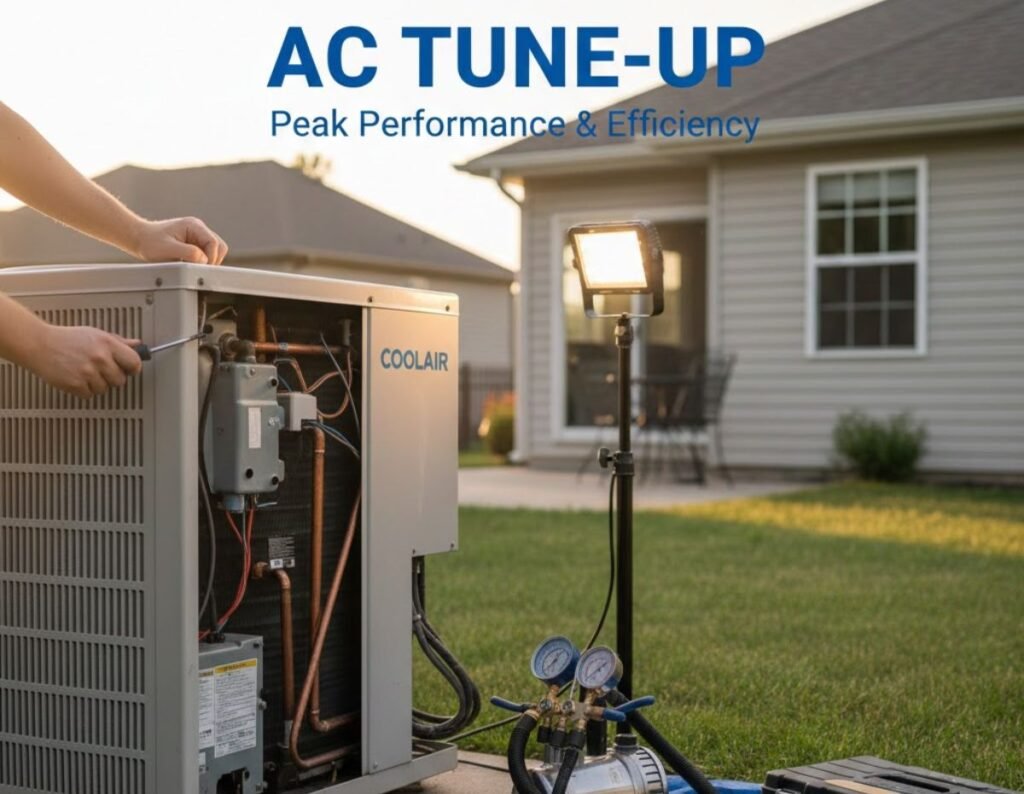
- Seasonal checklist: spring tune-up before summer (clean coils, check refrigerant pressures, test thermostat), fall check for heat pumps.
Tip: A well-maintained system uses less electricity and avoids premature compressor failure.
When to call a pro
- System not cooling, making unusual noises, leaking refrigerant (hissing/chemical smell), or when the outdoor compressor doesn’t start.
- For refrigerant leaks, coil replacements, or compressor failures — licensed HVAC techs with EPA certification are required for repair.
When NOT to buy at Home Depot
- Large, complex central-system projects that require extensive ductwork redesign, zoning with multiple dampers, or custom engineering. Local specialty contractors often provide tailored design and installation.
- Historic or nonstandard homes where custom fabrication, unusual access, or special code considerations exist. Big-box installations are built around standard scopes; uncommon jobs can incur change orders.
- High-end customized comfort systems (e.g., whole-house dehumidification integrated with advanced controls, geothermal, or specialist ducted heat pumps) you’ll want a contractor with project-specific experience.
Watch out: If a quoted installation looks “too cheap” compared to multiple estimates, dig into what’s excluded (permits, pad/concrete, electrical work, disconnect/reconnect fees, or disposal of old equipment).
READ MORE: Goodman AC Unit Review: Performance, Costs & Which Model to Buy
Final verdict: Should you buy an AC at Home Depot?
Yes for plug-and-play units, many ductless mini-split packages, and homeowners who want the convenience of bundled equipment + install. Consider local HVAC specialists for complex whole-house replacements, significant ductwork, historic/custom homes, or when you want a detailed Manual J and bespoke solutions. Use Home Depot when the convenience, brands offered, and bundled guarantees match your needs but always get at least one independent quote for central-system work.
FAQs
1. Is buying an air conditioner from Home Depot a good idea?
Yes, buying an air conditioner from Home Depot is a good option for many U.S. homeowners, especially for window units, portable ACs, ductless mini-splits, and standard central AC replacements. Home Depot offers competitive pricing, well-known brands, financing options, and optional professional installation. However, for complex HVAC projects or custom ductwork, a local HVAC contractor may be a better fit.
2. Does Home Depot offer air conditioner installation services?
Yes, Home Depot offers professional air conditioner installation through its Home Services program. Installation is available for central air conditioners, heat pumps, and ductless mini-split systems. Installations are performed by licensed local HVAC contractors, and the service often includes permits, old unit removal, and basic setup—though homeowners should always confirm what’s included in writing.
3. How much does an air conditioner cost at Home Depot?
Air conditioner prices at Home Depot vary by type and size. Window AC units typically cost between $100 and $700, portable units range from $200 to $800, ductless mini-splits often start around $1,000 (unit only), and a fully installed central air conditioner can range from $3,500 to $10,000 or more, depending on home size, efficiency level, and location.
4. What AC brands does Home Depot sell?
Home Depot sells air conditioners from several major HVAC brands, including Goodman, Carrier, American Standard, and other nationally recognized manufacturers, depending on location and product type. Brand availability may vary by store and region, and some models are exclusive to Home Depot or offered only through professional installation programs.
5. Can I install a Home Depot air conditioner myself?
You can install some Home Depot air conditioners yourself, such as window units and portable ACs, as long as you follow manufacturer instructions. However, central air conditioners and ductless mini-split systems require professional installation due to refrigerant handling laws, electrical work, and permit requirements. Improper installation can void warranties and cause safety or performance issues.