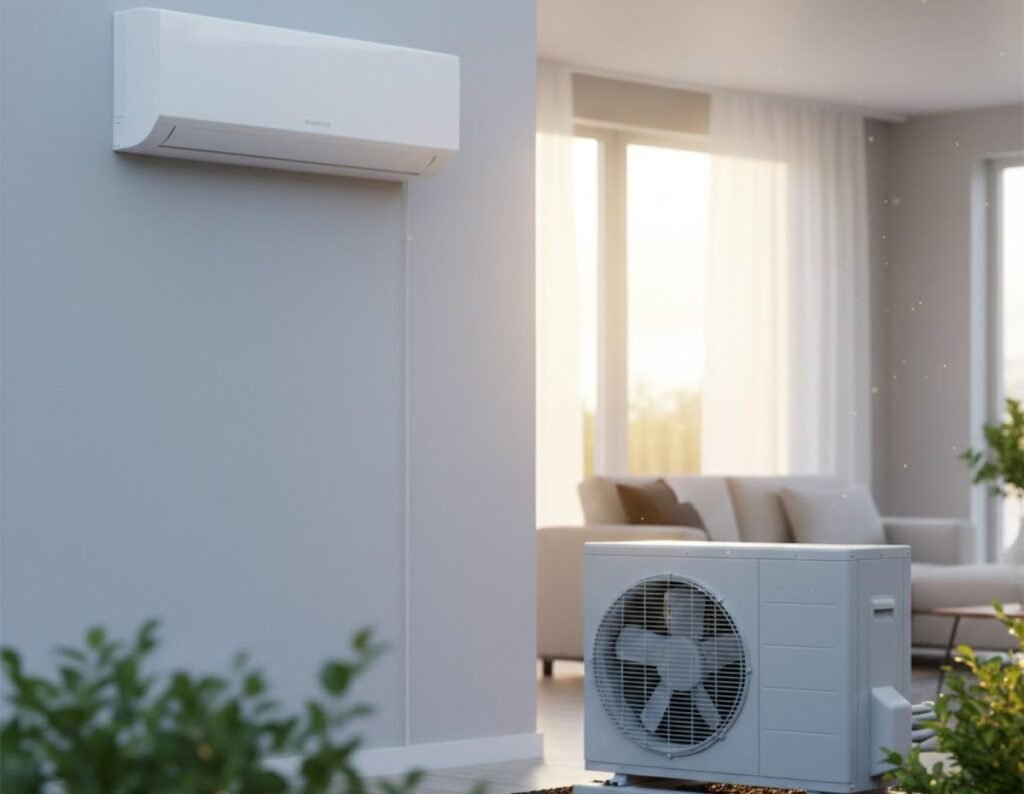
Mini split air conditioners have become one of the most popular cooling and heating solutions for homeowners, renters, and business owners. Unlike old-school window units or traditional central AC systems that require tons of ductwork, a mini split offers a modern, flexible, and energy-efficient way to keep your space perfectly comfortable all year long. Think of it as the “smartphone” of air conditioning—sleek, quiet, efficient, and packed with features that older systems simply can’t match.
One reason mini splits are booming in popularity is that they solve multiple problems at once. Have a hot bedroom your central AC can’t reach? A garage that feels like a sauna? A basement that always stays cold? A mini split handles all of that without needing messy ducts or expensive home modifications. They’re also incredibly quiet—so quiet, in fact, that many people forget they’re even running. And because they operate using inverter technology, they adjust their output automatically, saving energy instead of turning on and off like a traditional AC. Lets deep dive into “Best Mini Split Air Conditioners: Comparison, Top Picks & Buying Guide”
In this guide, you’ll discover everything you need to know before buying a mini split: how it works, costs, installation, best brands, sizing charts, maintenance tips, and more. By the end, you’ll know exactly which type fits your home and how to get the best performance from your system. Ready to dive in? Let’s get started.
READ MORE: Carrier Heat Pump Reviews — Models, Costs, Pros & Cons
How a Mini Split Air Conditioner Works:
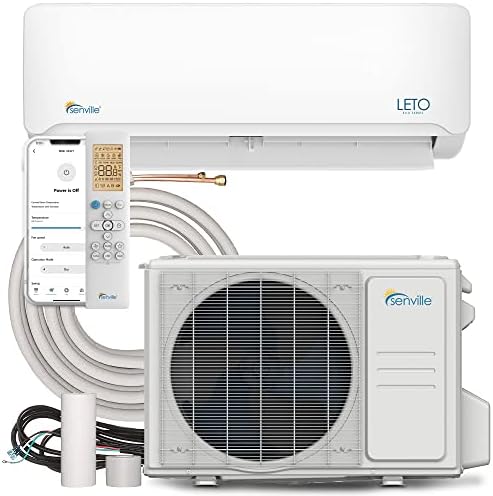
A mini split air conditioner is a ductless HVAC system that provides targeted heating and cooling by transferring heat between an indoor and outdoor unit. Unlike central air, it uses thin refrigerant lines instead of bulky ductwork, making it an ideal solution for modern efficiency and flexible installation.
The Role of Inverter Technology
The “brain” of a mini split is its inverter technology. While traditional units operate on an “all-or-nothing” cycle, mini splits constantly adjust their motor speed.
- Energy Savings: Avoids the power spikes of frequent on/off cycling.
- Consistent Comfort: Maintains a precise temperature without “hot and cold” swings.
- Quiet Operation: Runs at lower speeds for whisper-quiet performance.
4 Essential Components
- Indoor Air Handler: Absorbs heat from your room and distributes conditioned air.
- Outdoor Compressor/Condenser: Releases absorbed heat outside (or pulls it in during winter).
- Refrigerant Lines: Small copper tubes that connect the two units through a 3-inch hole in the wall.
- Smart Controller: Allows for precise temperature and zone management via remote or app.
Why Choose a Mini Split?
- Easy Installation: Perfect for older homes, additions, or garages where ductwork is impractical.
- Zoned Cooling: Cool only the rooms you are using to slash electricity bills.
- High Efficiency: Eliminates the energy loss typically associated with leaky or uninsulated ducts.
READ MORE: Weil‑McLain Boiler Reviews— Models, Costs, Pros & Cons

Types of Mini Split Air Conditioners
Mini split systems offer versatile, energy-efficient climate control tailored to your space and budget. Here is a quick breakdown of the most popular options:
1. Single-Zone Systems (Targeted Comfort)
The most affordable and efficient choice for single rooms.
- Best For: Bedrooms, home offices, garages, or sunrooms.
- Key Advantage: Provides dedicated cooling/heating without blocking windows or requiring bulky ductwork.
2. Multi-Zone Systems (Whole-Home Control)
Connect one outdoor compressor to 2–8 indoor units for customized comfort throughout the house.
- Best For: Multi-story homes or large families with different temperature preferences.
- Key Advantage: Independent thermostats for every room—stop fighting over the temperature!
3. Indoor Unit Styles
Customize your aesthetics with various installation options:
- Wall-Mounted: The most common and cost-effective.
- Ceiling Cassette: Sits flush with the ceiling for a sleek, discreet look.
- Floor-Mounted: Ideal for attics or rooms with limited wall space.
- Concealed Duct: Offers nearly invisible climate control.
4. Mini Split Heat Pumps (Year-Round Efficiency)
Modern heat pump mini splits provide both heating and cooling. High-performance models operate efficiently even in freezing temperatures, eliminating the need for expensive gas furnaces or baseboard heaters.
Benefits of Mini Split Air Conditioners
Mini-splits are rapidly replacing central AC and window units by offering a more efficient, customizable approach to home comfort. Here is why they are a superior choice:
- Year-Round Versatility: Most models function as heat pumps, providing both eco-friendly heating and cooling in a single system.
- Maximum Efficiency: Inverter technology reduces energy consumption, often cutting cooling costs by 30–50%.
- Ductless Design: By eliminating ducts, you avoid the 25% energy loss common in traditional systems and bypass messy, expensive renovations.
- Precision Zone Control: Each room has its own thermostat, allowing for personalized comfort and zero wasted energy on empty rooms.
- Whisper-Quiet: Operating as low as 19 decibels, they are significantly quieter than bulky central units or window boxes.
READ MORE: Goodman Heat Pump Review | Efficiency, Cost, Pros & Cons

Comparison Table Between Mini Split AC vs Window AC vs Central AC vs Portable AC
| Feature | Mini Split (Ductless) | Window AC | Central AC | Portable AC |
| Best For | Single rooms or zoned cooling | Small rooms/Apartments | Whole-house cooling | Renters / Temporary use |
| Installation | Professional (Requires small wall hole) | DIY (Fits in window frame) | Professional (Requires ductwork) | DIY (Vent hose to window) |
| Energy Efficiency | Very High (Up to 30+ SEER) | Low to Moderate | Moderate to High | Low |
| Noise Level | Ultra-Quiet | Loud / Hum | Quiet (Indoor) / Loud (Outdoor) | Loud / Very Loud |
| Lifespan | 12–15 Years | 8–10 Years | 15–20 Years | 5–10 Years |
| Upfront Cost | Moderate to High ($2,000+) | Low ($150 – $600) | High ($5,000 – $10,000+) | Low to Moderate ($300 – $700) |
READ MORE: Air to Water Heat Pump — Complete Buyer’s Guide (costs, brands, pros & cons)
Mini Split Air Conditioners Installation Requirements
Installing a mini-split is simpler than central AC, but “simple” doesn’t mean “slap it on the wall and hope.” To ensure your system actually chills without the headaches, focus on these four pillars:
Drainage: That moisture has to go somewhere. Plan a clear, downward path for condensate to prevent indoor leaks and mold growth.
Smart Placement: Mount the indoor unit high for unobstructed airflow. Place the outdoor condenser on a level, ventilated surface—suffocating it leads to higher bills and a shorter lifespan.
Power Needs: Small units often run on standard 110V, but larger multi-zone systems usually require 220–240V. Don’t DIY the electrical; a dedicated breaker and stable connection are non-negotiable for safety.
The “Pro” Factor: Refrigerant lines are finicky. One kink or bad seal can kill your compressor. While DIY kits exist, a licensed HVAC tech ensures the system is vacuum-sealed and charged correctly.

Costs of Mini Split AC Systems
Mini-splits might have a higher “sticker price” than a window unit, but they win the long game through efficiency and comfort. Here is the breakdown of what you can expect to pay and save.
Estimated Costs
| System Type | Equipment Cost | Installation Cost |
| Single-Zone | $800 – $2,500 | $1,000 – $2,000 |
| Multi-Zone | $3,000 – $10,000 | $2,500 – $6,000+ |
Note: Complex setups (new electrical lines or long refrigerant runs) will push installation toward the higher end.
Ongoing Savings & Maintenance
Install vs. Central Air: While more expensive than a portable unit, mini-splits are generally cheaper and less invasive than installing brand-new ductwork.
Energy Efficiency: Thanks to inverter technology, you’ll likely see 30–50% savings on your monthly energy bills.
Maintenance: Simple and affordable. Expect to spend $100–$300 per year on professional servicing and filter cleanings.
READ MORE: Fujitsu Heat Pump Reviews: Models, Costs & Real-World Pros & Cons
Efficiency Ratings Explained
When shopping for a mini split air conditioner, you’ll notice efficiency ratings like SEER, HSPF, and EER. These numbers are extremely important because they determine how much energy the system will use—and how much money you’ll save over time.
SEER (Seasonal Energy Efficiency Ratio) measures cooling efficiency over a typical season. The higher the SEER, the better the system is at cooling while using less electricity. Most mini splits range between 18 and 30 SEER, with high-end models reaching even higher. As a general rule, anything above 20 SEER is considered highly efficient.
HSPF (Heating Seasonal Performance Factor) applies to mini splits with heat pump functionality. This rating tells you how efficient the system is at heating. Higher HSPF means lower heating bills, especially in colder climates. Good systems typically fall between 9 and 12 HSPF.
EER (Energy Efficiency Ratio) measures cooling efficiency at a specific outdoor temperature—usually 95°F. While SEER is more helpful overall, EER is useful if you live in very hot climates where temperatures stay high for extended periods.
Understanding these ratings helps you pick a system that balances cost and performance. A unit with a higher SEER might be more expensive upfront, but it will often pay for itself through lower electricity bills. For homeowners planning long-term usage, choosing a high-efficiency mini split is almost always worth it.
READ MORE: HVAC Near Me
Choosing the Right Size (BTU Guide)
Selecting the correct size mini split—measured in BTUs (British Thermal Units)—is essential for achieving comfortable cooling and heating without wasting energy. Many people make the mistake of thinking “bigger is better,” but an oversized system cools the room too quickly, shuts off prematurely, and leaves behind humidity. On the other hand, an undersized system runs constantly, struggling to reach the desired temperature and increasing energy costs. The goal is balance: a system that’s just right for the size and layout of your space.
As a general rule of thumb, most rooms need 20–25 BTUs per square foot. For example, a 400-square-foot room typically requires an 8,000–10,000 BTU mini split. However, several factors can influence the final size. High ceilings, poor insulation, sun exposure, large windows, and heavy electronics all increase the cooling load. Rooms like kitchens also need more BTUs because appliances generate heat.
Here’s a simple sizing guide to help you get started:
| Room Size (sq. ft.) | Recommended BTUs |
| 150–250 | 6,000–9,000 |
| 300–400 | 9,000–12,000 |
| 450–550 | 12,000–18,000 |
| 600–800 | 18,000–24,000 |
| 1,000–1,200 | 24,000–30,000 |
For multi-zone systems, each room gets its own indoor unit, sized individually, while the outdoor unit is chosen based on total load. It’s always wise to have an HVAC professional confirm the final sizing to ensure accurate performance. A properly sized mini split will cool faster, run quieter, use less energy, and maintain consistent comfort all year long.
READ MORE: Best Cold Climate Heat Pump Review: Top Picks & Buying Guide
Best Brands and Models
The mini split market is full of reputable brands, but a few consistently stand out for durability, performance, and reliability. Mitsubishi Electric is widely regarded as the gold standard. Their systems offer exceptional efficiency, whisper-quiet operation, and advanced features like hyper-heating technology that works even in freezing temperatures. They’re pricier, but many homeowners believe the quality is unmatched.
Daikin is another top-tier brand known for innovation and long-lasting systems. Daikin operates one of the largest HVAC manufacturing networks in the world, offering models that balance affordability and efficiency. Their mini splits often come with excellent warranties, making them a safe long-term investment.
LG brings modern design and smart home features into the mini split world. Their Art Cool lineup includes sleek, aesthetically pleasing indoor units that blend into décor more than traditional designs. LG also offers strong Wi-Fi integration and user-friendly apps for remote control.
Gree, a global HVAC leader, offers reliable and affordable systems that perform well without breaking the bank. They’re a popular choice for homeowners who want quality on a lower budget. Pioneer is another well-known budget brand, especially for DIY enthusiasts. While not as advanced as Mitsubishi or Daikin, Pioneer systems are dependable and ideal for small homes, rental units, or garages.
Choosing the right brand depends on your budget, climate, installation requirements, and desired features. But if you prioritize longevity and highest efficiency, Mitsubishi and Daikin are hard to beat.
Maintenance Tips
Mini split air conditioners require far less maintenance than central systems, but regular care keeps them running efficiently and helps prevent costly repairs. One of the simplest yet most important tasks is cleaning the air filters. Because the indoor units circulate air directly in the room, the filters collect dust and debris quickly. Cleaning them every 2–4 weeks improves airflow, reduces energy consumption, and enhances indoor air quality.
The outdoor unit also needs attention. Leaves, dirt, and debris can accumulate around the condenser, restricting airflow. Keeping at least two feet of clearance around the unit ensures better performance and prevents overheating. It’s also a good idea to inspect the refrigerant lines a few times a year to ensure insulation is intact and free from damage.
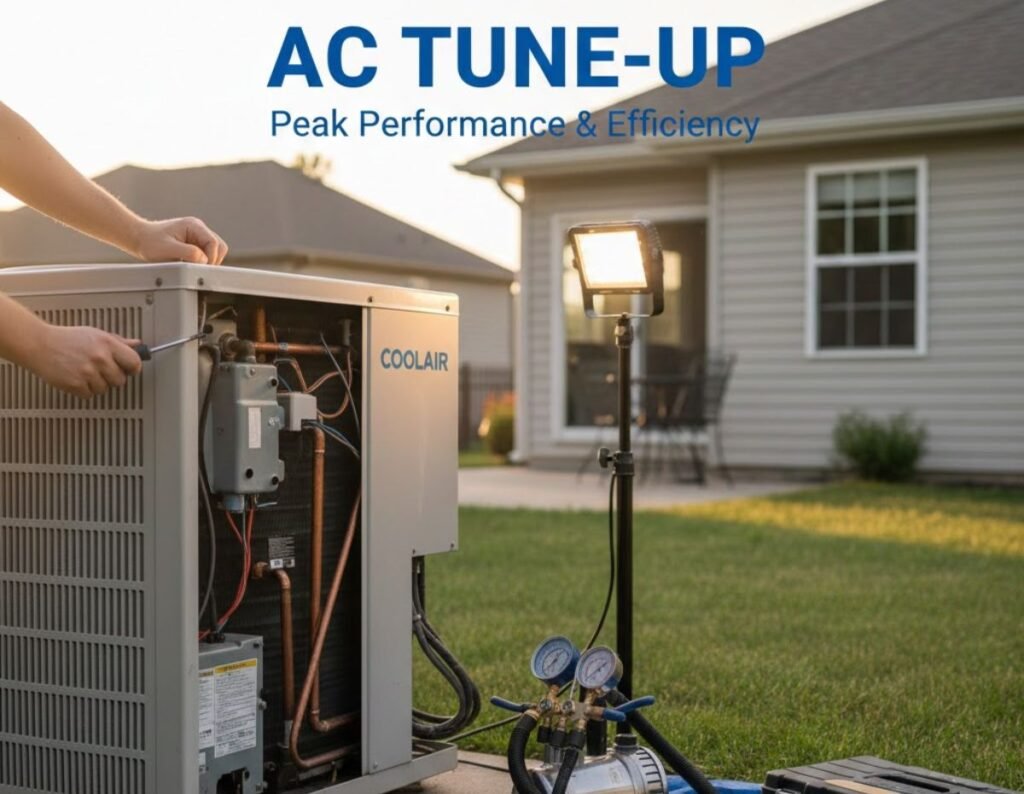
Professional servicing is recommended once a year. A technician will check refrigerant levels, inspect electrical components, clean coils, and ensure everything runs smoothly. This yearly tune-up extends the system’s lifespan and prevents minor issues from becoming major problems.
Lastly, pay attention to any unusual noises or smells. A slight humming is normal, but rattling, grinding, or burning smells indicate something needs repair. Addressing issues early prevents more expensive fixes later. With proper maintenance, a mini split system can last 12–20 years or longer.
READ MORE: Heat Pump vs AC: Which Is Better for U.S. Homeowners?
Common Problems and Troubleshooting
Mini split systems are reliable, but like any appliance, they can encounter occasional issues. One common complaint is that the system isn’t cooling. This often happens due to dirty filters, blocked outdoor units, or low refrigerant levels. Cleaning the filters or removing debris usually solves the problem. If not, a professional should check the refrigerant.
Water leaking from the indoor unit is another frequent issue. This usually means the condensate drain is clogged or installed incorrectly. A quick cleaning often resolves the leak, but persistent issues may require an HVAC technician to inspect the drainage system.
Strange noises, such as rattling or buzzing, may indicate loose screws, debris in the fan, or worn-out components. These issues are usually minor if addressed early. Error codes displayed on the unit can also help diagnose problems. Most mini split brands have their own code system, which you can find in the user manual.
Remote control issues are often solved by replacing batteries or ensuring the unit’s line-of-sight sensor isn’t blocked. If the system doesn’t respond to remote commands, resetting power sometimes helps.
Most mini split problems have simple solutions, but when in doubt, calling a professional is the safest choice.
Smart Features and Modern Advancements
Modern mini split air conditioners aren’t just cooling machines—they’re smart home devices designed to make comfort easier, more efficient, and more personalized. Many models now come with built-in Wi-Fi, allowing you to control temperature settings directly from your smartphone. Whether you’re on the couch, at work, or on vacation, you can adjust your mini split from anywhere. This makes it easy to save energy by turning the system off when you’re not home and turning it back on right before you return.
Some systems also integrate with smart home platforms like Google Home, Amazon Alexa, and Apple HomeKit, letting you use voice commands to control the temperature. Imagine saying, “Alexa, cool the living room to 72 degrees,” and your mini split instantly responds. It’s convenient, modern, and great for families that love automated living.
Energy monitoring is another standout feature. Many advanced mini splits provide real-time data showing how much electricity the system uses. This helps you understand your energy consumption and find ways to reduce it. Sleep modes and eco modes are also common, allowing the system to automatically reduce power at night or during periods of low activity. These seemingly small adjustments make a big difference in long-term energy savings.
Some brands even offer AI-powered temperature control. These systems learn your habits—like what temperature you prefer in the morning versus evening—and automatically adjust tools to match your routine. Others come with humidity control, auto defrost, and advanced filtration systems that remove allergens, dust, and bacteria from the air.
Mini split technology continues to evolve rapidly, giving homeowners smarter, quieter, and more efficient comfort solutions every year.
READ MORE: Wall-Mount Air Conditioners: The Smart Guide for U.S. Homeowners
Mini Split AC for Different Spaces
One of the best things about mini split air conditioners is their versatility. They can cool or heat almost any type of space, even places where traditional HVAC systems struggle. For apartments, mini splits offer quiet, efficient comfort without taking up window space or requiring major renovations. Landlords love them because they increase property value and lower electricity costs for tenants.
In garages and workshops, mini splits are game changers. These areas often lack ductwork and have large doors that let in heat. A well-sized mini split provides consistent temperature control, making the space usable year-round—perfect for hobbyists, mechanics, or anyone working on home projects.
Mini splits are also ideal for bedrooms, where quiet operation is essential. With noise levels as low as 19 decibels, they’re quieter than a whisper, making them perfect for light sleepers or children’s rooms. They offer precise temperature control, ensuring the room never gets too hot or too cold at night.
In larger homes, multi-zone mini splits offer whole-home comfort while allowing each room to have its own temperature setting. No more wasting energy cooling empty rooms or arguing over the thermostat. Every family member can have their own climate zone.
For commercial spaces, mini splits work well in offices, salons, yoga studios, and small shops. Their quiet performance and clean aesthetics help maintain a professional environment. Plus, zones can be configured to suit different needs—like keeping a server room cooler than the main office.
Whether it’s a small room, a large home, or a business, mini splits adapt effortlessly, providing comfort exactly where you need it.
Final Buying Guide Checklist
Before purchasing a mini split air conditioner, it’s important to take a moment and evaluate your specific needs. Use this checklist to simplify your decision:
- Determine the room size and calculate the required BTUs. Oversized or undersized units reduce efficiency.
- Set your budget, including installation costs. Mini splits vary widely in price.
- Choose a brand known for reliability, efficiency, and strong warranties.
- Select the number of zones you need—single-room or multi-room.
- Check the SEER and HSPF ratings to ensure long-term efficiency and energy savings.
- Consider your climate. If you live in a cold region, look for a heat pump model with low-temperature performance.
- Decide on indoor unit style—wall-mounted, ceiling cassette, or floor-mounted.
- Check electrical requirements to avoid surprises during installation.
- Look for smart features like Wi-Fi control, voice commands, or energy monitoring.
- Plan professional installation, unless you’re choosing a DIY-ready system.
Following this checklist ensures you get a system that delivers comfort, efficiency, and long-term value.
Conclusion
A mini split air conditioner is one of the smartest investments you can make for your home or business. It offers unmatched energy efficiency, quiet performance, flexible installation options, and customizable comfort that far outshines traditional HVAC systems. Whether you’re cooling a single room, upgrading your entire house, or enhancing a commercial space, a mini split delivers reliable performance that adapts to your lifestyle.
From choosing the right size to understanding efficiency ratings and exploring modern smart features, you now have everything you need to make an informed decision. With proper installation and simple maintenance, a good mini split system will keep your space perfectly comfortable for over a decade—while saving you money every single month.
FAQs
How long does a mini split air conditioner last?
Most mini splits last 12–20 years, depending on usage, maintenance, and brand quality.
Can I install a mini split myself?
Some DIY kits exist, but professional installation is recommended to ensure proper refrigerant handling and system longevity.
Do mini splits work in cold climates?
Yes. Many heat pump mini splits work effectively even in temperatures as low as -13°F (-25°C).
How often should I clean the filters?
Clean the indoor unit filters every 2–4 weeks to maintain efficiency and air quality.
Are mini splits expensive to run?
Not at all. Mini splits are one of the most energy-efficient cooling and heating systems available, often saving homeowners 30–50% on energy bills.

Pingback: Wall-Mount Air Conditioners (2026): The Smart Guide for U.S. Homeowners - Plumbing Guider