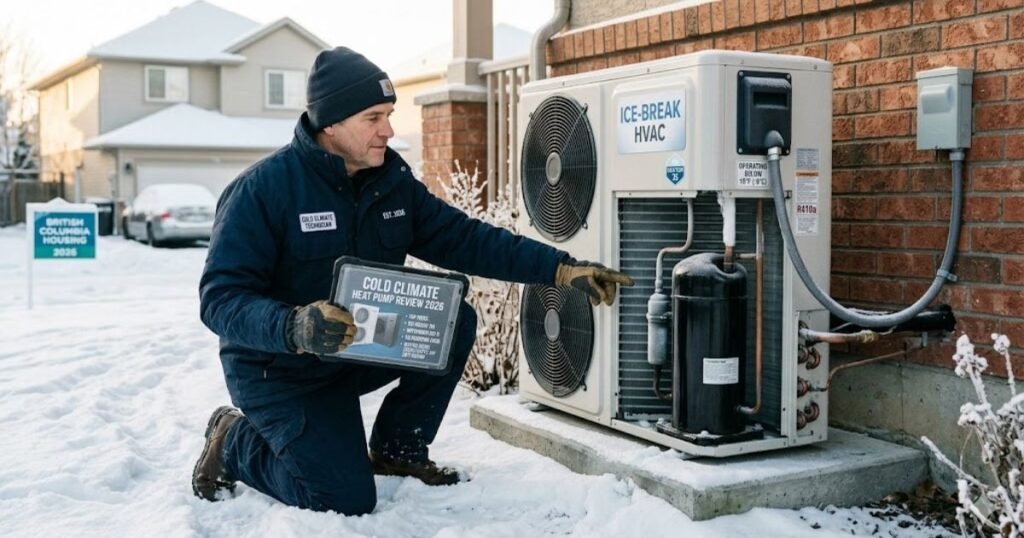
A cold climate heat pump is made to do the same job a regular heat pump does, but better in winter. It pulls heat from outdoor air and moves it inside instead of creating heat by burning fuel. That is why heat pumps can be efficient in many climates. Cold-climate models are built to keep doing that work when the temperature drops hard.
That matters because a lot of homeowners want one system that can handle heating and cooling without relying only on a furnace. In colder regions, the question is not just “does it work?” It is “does it still work well when it is freezing outside?” The best cold climate models are designed for that exact problem. Lets deep dive into “Best Cold Climate Heat Pump Review 2026: Top Picks & Buying Guide”
READ MORE: Carrier Heat Pump Reviews (2026) — Models, Costs, Pros & Cons

What Exactly Is a Cold Climate Heat Pump?
Think of a standard heat pump like a professional athlete who is great at summer sports but hates the cold. A standard unit works well until it gets to about 35°F. After that, it loses its “strength” and struggles to find heat in the outdoor air.
A cold climate heat pump (ccASHP) is the winter Olympian version.
These systems are specifically engineered to pull heat out of the air even when it feels bone-chillingly cold outside. Even at 0°F, there is still heat energy in the air. A cold climate unit is designed with larger coils and smarter compressors that can grab that heat and move it inside.
How it differs from a “standard” unit:
- Performance: A standard unit stops being efficient around freezing. A cold climate unit can often provide 100% of its heating capacity down to 5°F or even -10°F.
- Hardware: They use specialized “Inverter” compressors (more on that below) and often have “basepan heaters” to prevent ice from building up on the outdoor unit.
- The Goal: It’s designed to be your primary heat source, not just a backup for the fall and spring.

How Cold Climate Heat Pumps Work
You don’t need to be an engineer to understand this. At its simplest, a heat pump is a heat mover, not a heat maker.
A furnace burns gas or oil to create heat. A heat pump uses electricity to pump refrigerant through a loop. This refrigerant absorbs heat from the outside air and “dumps” it inside your home. In the summer, it just runs in reverse to act as an air conditioner.
The Secret Sauce: Inverter Technology
Most old-school HVAC systems are either “on” or “off.” Think of it like a light switch. When the house gets cold, the furnace kicks on at 100% power. When it’s warm enough, it shuts off.
Cold climate heat pumps use Inverter-driven compressors.
- This is more like a dimmer switch.
- The system can run at 10%, 50%, or 100% capacity.
- In the winter, the inverter allows the pump to “rev up” to a higher speed to squeeze every bit of heat out of the freezing air.
Modulating Output
Because the system can modulate (change its speed), it stays on for longer periods at a lower power level. This keeps your home at a very steady temperature. You won’t get those “cold spots” or the loud thump of a furnace starting up in the middle of the night. It also means the unit is incredibly efficient, which is why your electric bill doesn’t skyrocket even when it’s freezing.
READ MORE: Weil‑McLain Boiler Reviews (2026) — Models, Costs, Pros & Cons

Best Cold Climate Heat Pumps to Consider
Choosing a brand can feel overwhelming. To make it easier, we’ve narrowed it down to five heavy hitters that are proven to handle U.S. winters.
1. Mitsubishi MUZ-FX09NLHZ-U1
This model is part of the legendary Hyper-Heating (H2i) family. Mitsubishi was one of the first brands to really crack the code on sub-zero heating, and they remain the gold standard for many installers.
- Who it is best for: Homeowners in the “Toughest” climates (think Vermont, Buffalo, or Minneapolis) who need a single-zone solution for a bedroom or a small addition.
- What stands out: It provides 100% heating capacity down to -10°F. It will keep running all the way down to -22°F. That is incredible performance that most other units can’t touch.
- One limitation: It is a premium product. You are going to pay more for that “Mitsubishi” name and the specialized H2i technology compared to entry-level brands.
- Why choose it: Reliability. If you live somewhere where a heating failure is a genuine emergency, this is the unit you want.
2. Daikin RXP24AVJU9 Aurora
Daikin is a global giant, and their Aurora series is built specifically for North American winters. This 2-ton unit is a powerhouse for larger rooms or open-concept living areas.
- Who it is best for: People who want a mix of high performance and one of the best warranties in the business.
- What stands out: The Aurora line is famous for its quiet operation. It also maintains high efficiency even when it’s well below freezing. It’s designed to provide heat down to -13°F.
- One limitation: The outdoor unit is quite large. You’ll need a good amount of clearance on the side of your house for proper airflow.
- Why choose it: Daikin offers a 12-year parts warranty when registered, which gives you a lot of peace of mind for a long-term investment.
3. Bosch BOVA-60MTB-M19E IDS Ultra
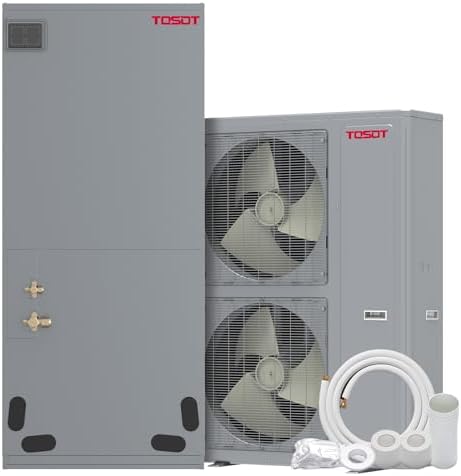
This isn’t your standard wall-mounted unit. The Bosch IDS Ultra is a “ducted” system. It connects to the air vents you already have in your house.
- Who it is best for: Homeowners looking to replace a whole-home central furnace without tearing out their ductwork.
- What stands out: It uses Enhanced Vapor Injection (EVI) technology. This is like a “turbocharger” for your heat pump, helping it stay powerful when the temperature drops. It hits 100% capacity at 5°F.
- One limitation: Because it is a 5-ton unit, it requires a lot of power and professional ductwork inspection to ensure it can move enough air.
- Why choose it: It’s one of the few central systems that can truly go toe-to-toe with a gas furnace in terms of warmth and air volume.
READ MORE: Goodman Heat Pump Review 2026 | Efficiency, Cost, Pros & Cons
4. Fujitsu AOUH12KZAH1 Orion XLTH
Fujitsu’s Orion XLTH (Extra Low Temperature Heating) series is built for the “Great North.” This 12,000 BTU model is a favorite for home offices and master suites.
- Who it is best for: Coastal or humid cold climates where ice buildup on the unit is a constant battle.
- What stands out: It features a built-in basepan heater that prevents the “ice block” effect. It is rated to provide heat down to -15°F.
- One limitation: The “Orion” styling is a bit more industrial than some of the sleeker models from competitors.
- Why choose it: It is a “set it and forget it” machine. It handles defrost cycles very intelligently, so you don’t get blasts of cold air while it’s clearing ice off itself.
5. Carrier Infinity 37MGHAQ24DA3
Carrier is an American staple, and their Infinity High-Heat line is their top-tier offering for cold weather.
- Who it is best for: Tech-savvy homeowners who want a “smart home” integrated system that is incredibly efficient.
- What stands out: It boasts a SEER2 rating of up to 25, making it one of the most efficient air conditioners on the list. For heating, it maintains 100% capacity at 5°F.
- One limitation: To get the best results, you really need to use Carrier’s proprietary Infinity wall controller, which adds to the cost.
- Why choose it: It’s a “multi-zone” unit. This means you can hook up several indoor heads to one outdoor unit, heating multiple rooms independently.

Heat Pump Comparison: Mitsubishi vs Daikin vs Bosch vs Carrier vs Fujitsu
| Brand/Model | Type of System | Cold-Weather Performance | Current Price (Unit Only) | Best For |
| Mitsubishi MUZ-FX09NLHZ | Ductless (1-Zone) | 100% Heat @ -10°F | ~$2,200 | Extreme Cold/Reliability |
| Daikin RXP24AVJU9 Aurora | Ductless (1-Zone) | Heat down to -13°F | ~$3,200 | Warranty & Quietness |
| Bosch IDS Ultra | Ducted Central | 100% Heat @ 5°F | ~$6,500 | Whole-Home Retrofits |
| Fujitsu Orion XLTH | Ductless (1-Zone) | Heat down to -15°F | ~$1,600 | Humid/Icy Climates |
| Carrier Infinity High-Heat | Multi-Zone | 100% Heat @ 5°F | ~$4,000 | Multiple Rooms/Efficiency |
READ MORE: Air to Water Heat Pump — Complete 2026 Buyer’s Guide (costs, brands, pros & cons)
Cold Climate Heat Pump Price:
When you look at prices online, you’ll see numbers like $2,000 or $4,000. It is very important to understand what those numbers mean.
Most online listings are for the outdoor unit (condenser) only.
To have a working system, you need the outdoor unit, the indoor unit (the “head” or air handler), the copper lines, the electrical wiring, and most importantly the labor.
Price Breakdown Examples:
- Equipment Only: For a high-quality cold climate outdoor unit, expect to pay $1,500 to $7,000 depending on the size (tonnage).
- Full System (No Labor): Adding the indoor unit and install kit usually adds $1,000 to $2,500.
- Professional Installation: In 2026, the average cost for a professional to install a single-zone cold climate mini-split is roughly $4,500 to $7,000. For a whole-home ducted system, you might see quotes between $12,000 and $22,000.
Why the variation? If your electrical panel needs an upgrade to handle the new 240V circuit, that adds cost. If the installer has to run lines through a three-story brick wall, that adds cost. Always get at least three quotes from local pros!
Pros and Cons of Cold Climate Heat Pumps
Is it all sunshine and rainbows? Not quite. Here is the honest truth about making the switch.
The Pros
- Efficiency: They are often 300% to 400% efficient. For every 1 unit of electricity you put in, you get 3 to 4 units of heat out.
- Comfort: Because they run almost constantly at low speeds, you don’t get the “hot and cold” swings of a furnace.
- Two-for-One: You get world-class air conditioning in the summer for free.
- Safety: No burning of fossil fuels inside the house. No risk of carbon monoxide from the heating unit.
The Cons
- Upfront Cost: They cost more than a standard heat pump or a basic gas furnace.
- Defrost Cycles: Occasionally, the unit has to stop heating for a few minutes to melt ice off the outdoor coils.
- Air Temperature: The air coming out of the vents is “warm” (around 90-100°F), not “hot” (120-140°F) like a furnace. Some people miss that blast of scorching air.
- Electricity Rates: If you live somewhere with very high electricity costs and very cheap natural gas, the monthly savings might be smaller.
READ MORE: What Size Heat Pump Do I Need? Homeowner Sizing Guide
How to Choose the Right One
Don’t just click “buy” on the most expensive model. Here is a quick guide to making a smart choice.
1. Check Your Climate Zone
If you live in North Carolina, you might not need the -22°F capability of the Mitsubishi Hyper-Heat. A standard “cold-weather” unit might save you $1,000. But if you’re in Michigan? Go for the most robust unit you can find.
2. Home Size (The “Manual J”)
HVAC is not “one size fits all.” A system that is too big will turn on and off too much (short-cycling), which wears it out. A system that is too small won’t keep you warm. A good installer will perform a Manual J calculation to see exactly how many BTUs your home needs based on your insulation and windows.
3. Ducted vs. Ductless
- Ducted: Best if you already have vents and want the whole house at one temperature.
- Ductless (Mini-Split): Best for homes with baseboard heat or for “zoning” (keeping the bedroom cool and the living room warm).
4. Rebates and Tax Credits
As of 2026, the Inflation Reduction Act and various state programs are still offering big incentives. You can often get a federal tax credit of up to $2,000 for a qualified heat pump. Some states offer instant rebates of $4,000 to $8,000 based on your income. Check with your utility company before you buy!
5. Do You Need Backup Heat?
In most parts of the U.S., a modern cold climate heat pump is enough. However, if you live in a place where it hits -30°F, or if your home is very old and drafty, you might want to keep your old furnace as a “backup” or install “electric heat strips” in the unit for those extreme nights.
READ MORE: Best Heat Pump Air Conditioner Review | Costs, Benefits & Value
Common Mistakes to Avoid
- Buying Based on Sticker Price Alone: A cheap heat pump that isn’t rated for cold weather will cost you a fortune in “emergency electric heat” when it hits 20°F.
- Skipping the Professional Installer: These systems use high-pressure refrigerant. If there is a tiny leak, the system won’t heat. You need a pro with the right tools to seal the lines.
- Forgetting the Snow: If you mount your heat pump on the ground in a snowy area, it will get buried. Always mount it on a “snow stand” or a wall bracket at least 12-24 inches off the ground.
- Ignoring the HSPF2 Rating: SEER2 is for cooling. HSPF2 is for heating efficiency. Look for an HSPF2 of 9.0 or higher if you want to save money on winter bills.
Simple Maintenance Tips
You don’t need a degree to keep these things running.
- Clean the Filters: In ductless units, pop the front panel and wash the plastic filters every month. It takes two minutes and saves a lot of energy.
- Clear the Area: Make sure leaves, tall grass, or snow drifts aren’t blocking the outdoor unit. It needs to “breathe” to pull in heat.
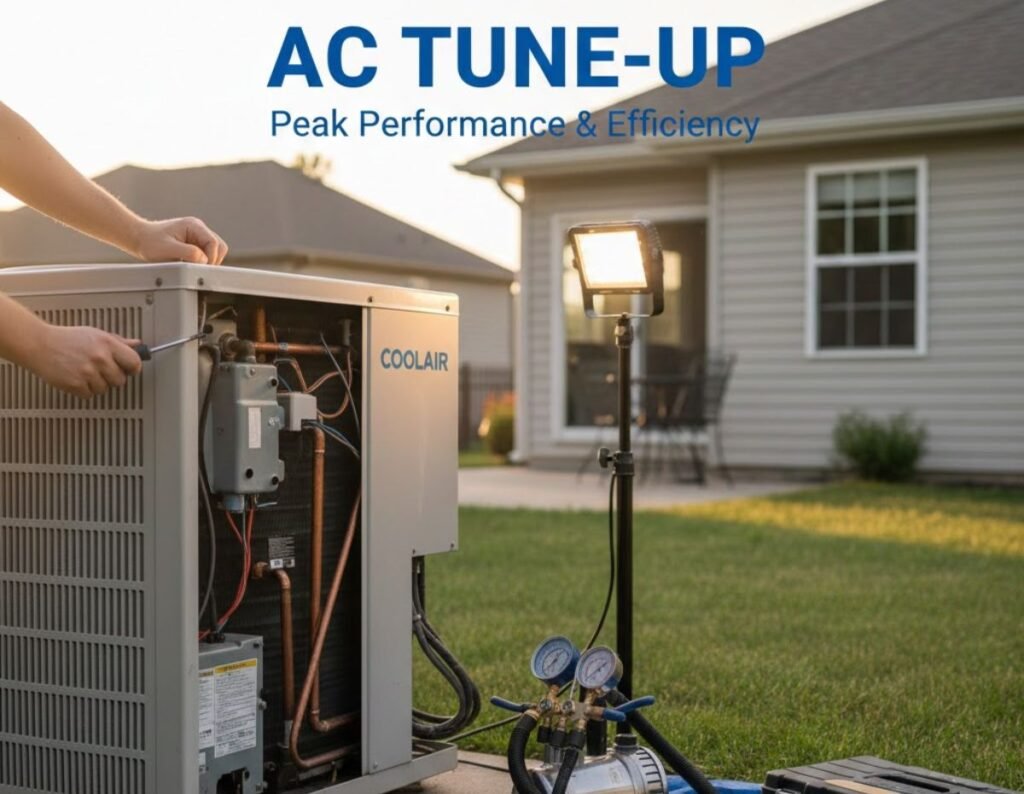
- Annual Check-up: Have a pro come out once a year to check the refrigerant levels and clean the outdoor coils. It’s like an oil change for your house.
READ MORE: Lennox Heat Pump Review: 2026 Prices, Pros, Cons & Comparison
FAQ Section
Do cold climate heat pumps work in freezing weather?
Yes, modern units are built for the freeze. Unlike old models, these use advanced compressors and refrigerants to pull heat from sub-zero air. Many keep full power at 5°F and work down to -22°F. They stay much more efficient than electric baseboards, even when it’s biting cold outside.
What temperature is too cold for a heat pump?
Standard pumps struggle around 25°F, but cold-weather models keep going. Most work down to -13°F, and some even hit -25°F. Efficiency drops in extreme lows, so if your area stays below -20°F for weeks, a “dual fuel” backup furnace is a smart move for total peace of mind.
Are cold climate heat pumps worth it for homeowners?
Yes, especially if you currently use oil, propane, or electric baseboards. The upfront cost is higher, but the long-term energy savings are huge. Plus, you get great AC in the summer. With 2026 tax credits and rebates, most homeowners see the system pay for itself within five to seven years.
How much does a cold climate heat pump cost?
Expect to pay $5,000 to $15,000 for single zones and $12,000 to $25,000 for whole-home ducted systems. Prices vary by unit size and install difficulty. Remember, this covers both heating and cooling. Local utility rebates and federal tax credits can often slash your final bill by several thousand dollars.
Should I keep a backup heat source?
It depends on your home. Modern, insulated houses usually don’t need one. However, if you live in an old, drafty home in an extreme climate, a backup is a safe bet. Many folks choose a “hybrid” setup that uses a furnace only when temperatures hit record-breaking, sub-zero lows.
The Bottom Line
Cold climate heat pumps are no longer a “niche” technology. They are a proven, powerful way to keep your home cozy while lowering your carbon footprint and your monthly bills.
If you are ready to buy, start by choosing a brand with a strong reputation like Mitsubishi, Daikin, or Bosch. Make sure you get a professional load calculation for your home, and don’t forget to claim those 2026 tax credits.
Pingback: Home Depot Air Conditioners: Best Units, Prices, and Buying Guide - Plumbing Guider
Pingback: Best Central Air Conditioner: Comparison, Prices & Buying Guide - Plumbing Guider