If you are a homeowner stepping into the world of major home renovations, thinking about an HVAC upgrade can feel overwhelming. Balancing family comfort with your household budget isn’t easy especially when faced with confusing acronyms, shifting energy standards, and wide price ranges. If you are tracking down the real-world central heat pump installation cost, you have probably found plenty of vague estimates or high-pressure sales pitches online.
We want to change that. This guide offers a clear, practical, and highly transparent breakdown of what it actually costs to install a central heat pump system in the United States.
Upgrading your home’s climate controls is rarely as simple as buying an appliance off a retail floor. Your final heat pump installation cost depends on several overlapping factors: the physical footprint of your house, the efficiency tier you choose, the health of your existing ductwork, local labor charges, and even the local weather.
Whether you are a first-time buyer looking to cut down your reliance on fossil fuels or a family seeking a central HVAC replacement for an old, failing air conditioner and furnace combo, we are here to walk you through it step by step. Let’s dive into the details so you can make an informed, confident choice for your home. Lets deep dive into “Central Heat Pump Installation Cost: 2026 Homeowner Price Guide”
READ MORE: Ultra Quietest Heat Pump for Your Home: Review, Comparison & Cost
What Is a Central Heat Pump?
Before we look at itemized receipts and project estimates, let’s clarify what a central heat pump actually is and how it keeps your living spaces comfortable.
Despite what the name implies, a heat pump does not actually generate heat through combustion the way a classic gas or oil furnace does. Instead, it acts as a heat transporter. It uses a specialized closed loop of refrigerant and electricity to pull thermal energy from one environment and discharge it into another.
Heating and Cooling: A Two-Way Street
The magic of a central heat pump lies in its reversing valve.
- In the Summer: The system acts exactly like a traditional central air conditioner. It absorbs the unwanted warmth from inside your rooms and sends it outdoors, leaving behind crisp, cool air.
- In the Winter: The process flips entirely. Even when it feels freezing outside, the outdoor ambient air still contains a significant amount of thermal energy. The outdoor unit extracts this heat, compresses the refrigerant to raise its temperature further, and pumps it inside to your central air handler.
Central Heat Pumps vs. Furnaces and ACs
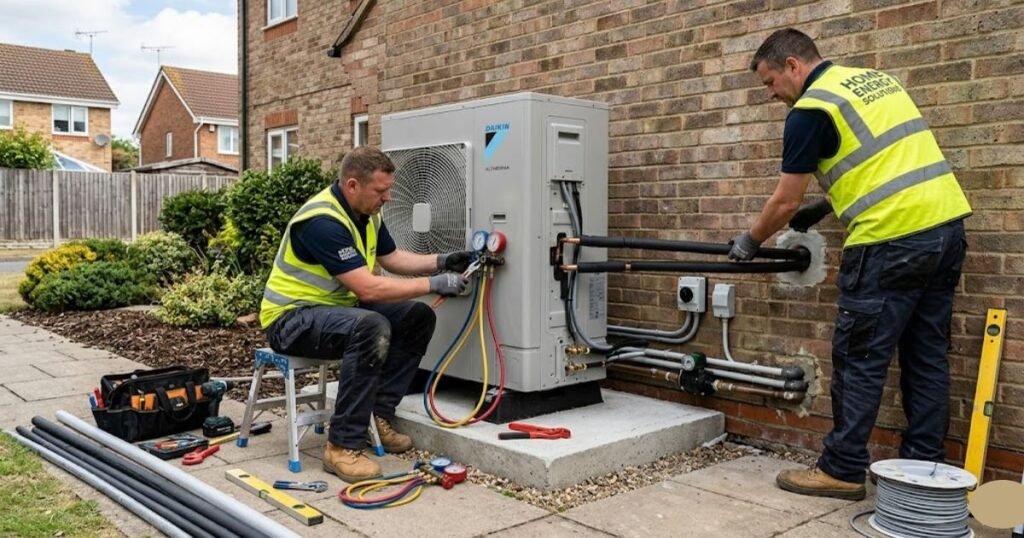
A conventional setup requires two entirely separate appliances: a furnace for winter heat and an air conditioner for summer cooling. A ducted heat pump system handles both tasks seamlessly within a single unified infrastructure. It links directly to your existing home ductwork, utilizing a heavy-duty outdoor compressor and an indoor air handler to distribute air evenly across every room.
U.S. homeowners increasingly choose these setups because they deliver unmatched energy efficiency. Traditional electric baseboard heaters or old-school furnaces can require high energy inputs to create heat. In contrast, a well-matched heat pump can transfer up to three to four times more energy than it consumes in electricity. This translates to steady, reliable comfort and lower monthly utility bills all year round.
READ MORE: Best Heat Pump Brands Comparison, Reviews, and Buying Guide
Average Central Heat Pump Installation Cost in the U.S.
When looking at the central heat pump cost, you will encounter a wide price spectrum across the country. Nationally, most homeowners spend between $8,000 and $15,000 for a full, professional installation.
To help you get a clear sense of where your specific project might land, let’s break down the typical national price distributions by tier and system type:
Basic Systems ($6,000 – $9,000)
- These installations typically feature single-stage compressors with a standard efficiency baseline (around 14 to 15 SEER2).
- Ideal for moderate climates where winters are mild, or for smaller spaces with minimal heating loads.
- This price range assumes your home has clean, properly sized, and structurally sound ductwork ready for immediate hookup.
Mid-Range Systems ($9,000 – $14,500)
- This is the sweet spot for the average American household. These setups generally include two-stage or entry-level variable-speed compressors with efficiency ratings between 16 and 18 SEER2.
- They provide superior humidity management, run more quietly, and adapt smoothly to shifting outdoor temperatures.
- This budget often covers minor duct modifications, electrical line adjustments, and a smart, programmable thermostat.
High-Efficiency & Cold-Climate Systems ($14,500 – $25,000+)
- These premium installations feature fully variable-capacity inverter compressors reaching 20+ SEER2.
- They include advanced, cold-climate engineering designed to pull heat from outdoor air even when temperatures drop well below 0°F, eliminating the need for backup fossil-fuel heat.
- This price bracket frequently includes extensive infrastructure adjustments, such as major electrical panel remediation or duct overhauls.
READ MORE: Best MRCOOL Mini Split Air Conditioners and Heat Pumps: Review & Comparison
What Affects the Total Installation Price?
Several important factors determine the total home heat pump installation cost.
1. Home Size
Larger homes require:
- Larger systems
- More airflow capacity
- Additional labor
A small home may only need a 2-ton system, while larger homes may require 4- or 5-ton systems.
2. System Size and Capacity
Proper sizing matters for:
- Comfort
- Efficiency
- Equipment lifespan
An oversized or undersized heat pump can create performance problems and higher energy bills.
3. Energy Efficiency Rating
Higher-efficiency systems cost more upfront but may reduce long-term operating costs.
Efficiency ratings often include:
- SEER2
- HSPF2
Premium high-efficiency systems generally:
- Cost more initially
- Deliver lower monthly utility bills
4. Brand and Model Choice
Well-known HVAC brands may offer:
- Longer warranties
- Better efficiency
- More advanced technology
Premium systems typically cost more than entry-level equipment.
READ MORE: Carrier Heat Pump Reviews (2026) — Models, Costs, Pros & Cons
5. Ductwork Repair or Replacement
Damaged or leaky ducts can:
- Waste energy
- Reduce airflow
- Increase installation cost
Common ductwork expenses include:
- Sealing leaks
- Replacing damaged sections
- Full duct replacement
6. Electrical Upgrades
Some homes need:
- New breakers
- Panel upgrades
- Wiring improvements
Older electrical systems can increase project costs.
7. Labor Rates by Region
Installation labor varies by:
- State
- Local demand
- Cost of living
- Contractor experience
Urban areas often have higher labor costs than rural areas.
8. Permits and Inspection Fees
Many municipalities require:
- HVAC permits
- Electrical permits
- Final inspections
These costs are usually included in contractor estimates.
9. Old System Removal
Removing an older HVAC system may involve:
- Refrigerant handling
- Furnace disposal
- AC unit removal
This can add several hundred dollars to the total project.
READ MORE: Small Room Window Air Conditioner: Best 2026 Picks, Comparison, & Buying Guide
10. Thermostat Upgrades
Many homeowners also install:
- Smart thermostats
- Wi-Fi controls
- Zoned temperature systems
These upgrades improve convenience but add cost.
11. Indoor Air Quality Add-Ons
Optional accessories may include:
- Whole-home air purifiers
- Humidifiers
- UV lights
- Advanced filtration systems
These are not required but may improve comfort and air quality.
Central Heat Pump Cost Breakdown
To give you a better look at where your money goes, let’s break down a typical new heat pump installation budget. The table below illustrates the approximate percentage and cost allocation for a standard $12,000 residential project:
| Expense Category | Description | Typical Cost Range | Budget Percentage |
| Core Equipment & Hardware | Condenser unit, indoor air handler, copper lines, refrigerant, and mounting pad. | $5,000 – $8,500 | 50% – 60% |
| Professional Labor | System positioning, specialized brazing, system evacuation, and final testing. | $2,500 – $5,000 | 25% – 35% |
| Duct Adjustments & Sealing | Minor modifications to the plenum, sealing connections, and balancing airflow. | $600 – $2,000 | 5% – 15% |
| Electrical Upgrades | Running new 240V circuits, disconnect boxes, or minor panel enhancements. | $500 – $1,800 | 5% – 10% |
| Permits, Testing & Disposal | Local municipal filing fees, duct leakage tests, and eco-friendly removal of old gear. | $300 – $800 | 3% – 5% |
READ MORE: 8 Best DREO Smart Tower Fans 2026: Review & Comparison
Central Heat Pump Installation Cost by Home Size
While an HVAC professional will use a detailed calculation method called a Manual J Load Calculation to determine your exact system requirements, evaluating your project by home square footage is a great way to map out an initial budget.
The table below provides a practical look at the relationship between home size, equipment capacity, and the average cost to install a heat pump:
| Home Square Footage | Required Capacity (Tons) | Average Installed Cost Range |
| 1,000 – 1,400 sq. ft. | 1.5 – 2.0 Tons | $6,500 – $9,500 |
| 1,500 – 1,900 sq. ft. | 2.5 – 3.0 Tons | $8,500 – $13,000 |
| 2,000 – 2,500 sq. ft. | 3.5 – 4.0 Tons | $11,000 – $16,500 |
| 2,600 – 3,500+ sq. ft. | 5.0 Tons (or Split Systems) | $14,000 – $24,000+ |
A Quick Reminder on Sizing: Square footage is only part of the story. A well-insulated home with modern double-pane windows in a temperate zone like Florida will require a much smaller system than an uninsulated, older house with high ceilings in New England, even if they have the exact same square footage.
Do You Need New Ductwork?
Homeowners often ask if they can connect a modern heat pump to their existing duct network. In most cases, the answer is yes—but there are a few important exceptions to keep in mind.
Heat pumps tend to move a higher volume of air at cooler temperatures than standard gas furnaces, which blast low volumes of intensely hot air. Because of this, the design and health of your ducts directly impact your comfort and system efficiency.
Signs Your Ductwork Needs Attention
- Uneven Temperatures: Some rooms feel like iceboxes while others are uncomfortably warm.
- Visible Gaps or Loose Tape: Whistling sounds or air leaks coming from exposed sections in your attic or crawlspace.
- Excess Dust Near Vents: Indicates that unconditioned air from your attic or walls is being drawn into the system.
If your duct system is older and uninsulated, adding duct sealing or replacing crimped flexible paths can add $1,500 to $4,000 to your upfront expenses. However, fixing these issues prevents your new system from working too hard, helps lower your energy bills, and protects your equipment from early breakdowns.
READ MORE: Best ecobee Smart Thermostat Review: Essential vs Enhanced vs Premium
Heat Pump Installation vs. Replacement
It is helpful to understand the difference between retrofitting a system for the first time and performing a standard equipment swap. This distinction can significantly impact your total project costs.
Straightforward Replacement
- Reuses healthy ducts, line sets, and electrical pathways.
- Results in a lower overall cost and a much shorter installation time.
Full Fresh Retrofit
- Requires installing entirely new high-voltage wiring and a complete duct design.
- Involves a higher upfront investment due to major structural changes.
Straightforward Equipment Replacement
If you already have a ducted heat pump or a central air conditioner with a furnace, a heat pump replacement cost project is usually very straightforward. The contractor can often reuse the existing electrical wiring pathways, structural mounting platforms, and well-maintained duct trunks. This keeps your labor costs down and allows the team to complete the job in one or two days.
Full Retrofit and Conversion
If your home currently uses baseboard heaters, radiant radiators, or old wall units, you are looking at a brand-new system installation. This requires building an entirely new structural footprint, installing fresh duct systems behind your drywall, and adding complex high-voltage electrical lines. This type of project requires more time and labor, which will push your budget toward the higher end of the national cost scale.
READ MORE: Air to Water Heat Pump — Complete 2026 Buyer’s Guide (costs, brands, pros & cons)
How to Save Money on Installation
Investing in a major home upgrade doesn’t mean you have to pay top dollar without looking for ways to save. You can optimize your expenses while still ensuring a high-quality installation by using a few practical strategies:
- Get at Least Three Detailed Quotes: Avoid working with the first contractor who visits your home. Compare written, line-item estimates from several licensed pros to find the best balance of price, experience, and warranty coverage.
- Schedule Your Installation During the Off-Season: HVAC companies are busiest during the peak summer heat and mid-winter freezes. If you book your project during the spring or fall, you can often take advantage of seasonal discounts and enjoy more flexible scheduling.
- Size Your System Accurately: Make sure your installer performs a complete calculation rather than relying on a rough guess based on square footage. An oversized unit costs more upfront and runs less efficiently.
- Seal and Insulate Your Home First: Spending a few hundred dollars on simple weatherstripping and attic insulation can reduce your home’s total heating load. This might allow you to buy a smaller, more affordable heat pump system.
Central Heat Pump Rebates, Tax Credits, and Financing
You don’t have to carry the financial weight of a new HVAC system all on your own. There are several modern incentives designed to make clean energy upgrades much more affordable for American families.
Federal Tax Incentives
Under Section 25C of the Energy Efficient Home Improvement Credit, U.S. taxpayers can claim a direct federal tax credit of up to 30% of the total cost for qualified heat pump installations, with a maximum credit of $2,000 per year.
State and Utility Rebates
Many local electric utility companies offer direct cash-back incentives ranging from $500 to $3,000 when you switch from fossil-fuel systems or old baseboard heaters to high-efficiency electric heat pumps. Additionally, state-administered programs provide point-of-sale discounts and specialized energy efficiency rebates based on household income levels.
Flexible HVAC Financing Options
If you prefer not to pay the entire cost upfront, most reputable HVAC companies offer flexible heat pump financing programs. These include low-interest monthly payment plans, institutional green energy loans, or promotional terms like “no interest if paid in full within 12 months.” These options make it easy to fit your upgrade smoothly into your monthly household budget.
READ MORE: Solar Powered Heat Pump Cost: USA Homeowner Guide to Savings
Signs You Should Replace Your Old System
It can be tough to know whether you should fix your current unit one more time or invest in a full system replacement. If you are trying to decide, look out for these clear warning signs that your old equipment is reaching the end of its useful life:
- Your System Is More Than 12 to 15 Years Old: Modern air conditioners and heat pumps lose efficiency as they age, and finding replacement parts becomes harder over time.
- Frequent and Costly Repair Invoices: If you are spending hundreds of dollars every year to keep your system running, those quick fixes are costing you more than an upgrade would.
- Your Energy Bills Are Steadily Rising: If your monthly utility bills are going up even though your energy use hasn’t changed, your system is working too hard to keep up.
- Uneven Comfort and Drafts: If some rooms feel like saunas while others remain freezing, your equipment is losing its ability to distribute air evenly.
- Loud Clunking or Grinding Noises: Strange noises coming from your outdoor condenser or indoor air handler point to serious internal mechanical issues.
Is a Central Heat Pump Worth the Cost?
While the upfront cost of a new heat pump system is undeniably significant, looking at the long-term benefits reveals a highly practical return on your investment. For most American families, making the switch pays off in several key ways:
Year-Round Convenience
You no longer have to manage and maintain two separate systems. A single heat pump handles both your summer cooling and winter heating needs, simplifying your annual home maintenance.
Monthly Energy Savings
By moving thermal energy rather than burning fossil fuels, a heat pump can significantly lower your monthly heating and cooling costs, especially if you are upgrading from old electric baseboard heaters or an inefficient oil furnace.
Better Air Quality and Consistent Comfort
Modern central air handlers feature variable-speed fans that run at a low, steady whisper. This provides continuous air filtration, balances indoor humidity levels, and eliminates the sudden temperature swings common with older systems.
Increased Home Value
A modern, energy-efficient HVAC system is a major selling point for future buyers. Installing a new system helps protect your home’s equity and enhances its long-term market appeal.
FAQs
How much does central heat pump installation cost in the U.S.?
For most standard homes with existing ductwork, the total cost ranges between $8,000 and $15,000. Basic entry-level units start around $6,000, while advanced variable-speed systems designed for cold climates can reach $18,000 to $25,000 or more.
What factors affect the cost of a central heat pump installation?
Your total price is driven by system capacity (tonnage), energy efficiency levels (SEER2 and HSPF2 ratings), the structural condition of your ductwork, necessary electrical panel upgrades, regional labor rates, and local municipal permit fees.
Is a central heat pump cheaper to run than a furnace and air conditioner?
Yes, in most regions across the country. Because heat pumps transfer thermal energy instead of burning fuel, they can be up to three to four times more efficient than standard electric heaters and can match or beat the running costs of modern natural gas furnaces.
Do I need new ductwork for a central heat pump?
Not necessarily. If your current duct network is correctly sized, properly insulated, and structurally sound, your installer can connect the new system directly to it. However, if your old ducts have leaks or design issues, you may need minor repairs or sealing to ensure optimal performance.
Are there rebates or tax credits for central heat pump installation?
Absolutely. Homeowners can take advantage of a federal tax credit of up to $2,000 through Section 25C incentives. You may also qualify for additional point-of-sale discounts from state energy programs or cash-back rebates from your local electric utility company.
Conclusion
Upgrading to a new climate control system is a major milestone for any homeowner. While the initial investment might seem daunting at first glance, breaking the project down into clear components, equipment selection, system capacity, and structural prep helps you see exactly where your money goes.
By matching your home’s specific needs with modern efficiency standards, exploring federal tax credits, and choosing a trusted local professional, you can install a system that delivers reliable, year-round comfort without overstretching your budget.
Pingback: Best Whole-House Humidifier for Furnace: Review, Comparison & Installation - Plumbing Guider