Every homeowner knows the sinking feeling of watching wastewater rise in a sink, bathtub, or toilet instead of draining away. What starts as a minor inconvenience can quickly escalate into a catastrophic household problem. When a residential plumbing system fails outside of normal business hours, a standard plunger or off-the-shelf chemical liquid will rarely solve the root issue.
Certain drain blockages demand immediate professional intervention to prevent catastrophic structural damage, electrical hazards, and expensive property restoration. When raw sewage backs up into living spaces, or when multiple fixtures fail simultaneously, waiting until Monday morning is not an option. Professional emergency plumbing services provide the rapid diagnosis and advanced equipment necessary to restore safe sanitation to your home.
Understanding what constitutes a true plumbing emergency, how experts handle severe blockages, and what you should expect from an emergency drain cleaning service helps you make calm, informed decisions when disaster strikes. Lets deep dive into “Emergency Drain Cleaning Service: Expert Guide & Costs”
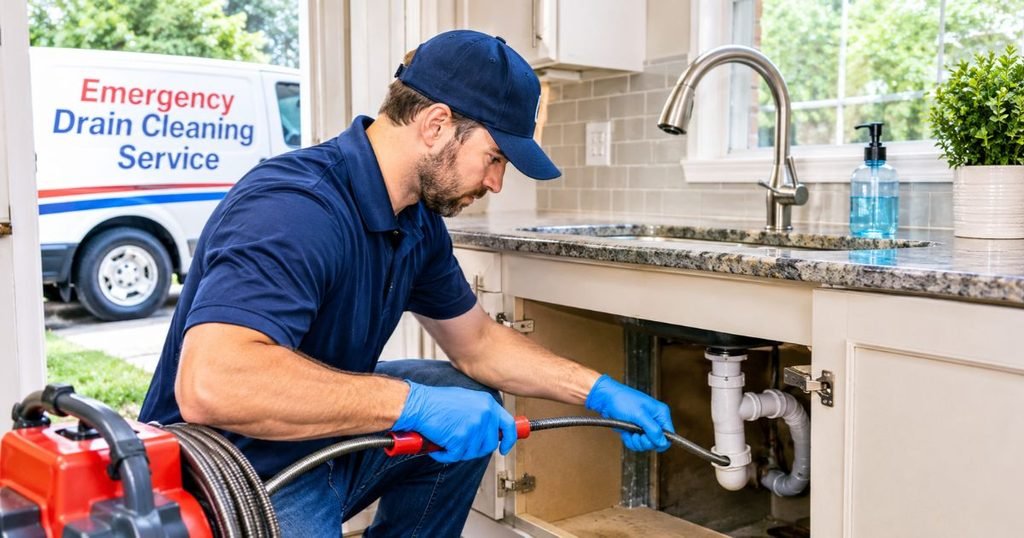
What Is an Emergency Drain Cleaning Service?
An emergency drain cleaning service is a specialized, round-the-clock plumbing intervention designed to clear severe blockages that threaten property safety, sanitation, or structural integrity. Unlike routine drain maintenance scheduled during regular weekday hours, an emergency response prioritizes rapid dispatch, immediate hazard mitigation, and comprehensive root-cause clearance.
Routine drain cleaning typically addresses slow-moving residential drains caused by minor everyday buildup, such as hair in a shower or soap scum in a bathroom basin. By contrast, emergency plumbing services deal with complete main-line stoppages, sewage overflows, and sudden failures that render a home uninhabitable or unsanitary.
Homeowners should request immediate plumbing assistance when water begins backing up through floor drains, toilets overflow uncontrollably, or a foul, unmistakable sewage odor permeates the house. These situations indicate that the main drainage pathway is completely obstructed, trapping wastewater with nowhere else to go except backward into your living spaces.
READ MORE: Safe Enzyme Drain Cleaners — The Eco-Friendly Way to Keep Drains Clear
Signs You Need Emergency Drain Cleaning Immediately
Not every sluggish sink warrants an emergency dispatch call. However, certain warning signs indicate a critical failure within your residential drainage network that requires immediate professional attention:
- Sewage Backing Up into Sinks, Toilets, or Bathtubs: This is the most critical indicator of a major blockage. If flushing a toilet causes water or waste to bubble up in your shower or kitchen sink, your main sewer line is severely compromised.
- Multiple Drains Clogging Simultaneously: When a single fixture blocks, the issue is usually local. When a kitchen sink, bathroom vanity, and laundry drain all back up at once, the problem lies deep within the main branch or sewer stack.
- Water Coming Up Through Basement Floor Drains: Basement floor drain backups are a textbook sign that your main sewer lateral is blocked, forcing municipal or household wastewater out of the lowest opening in the house.
- Toilet Overflowing Repeatedly: If a toilet refuses to flush and overflows despite plunging, or if water rises dangerously high in the bowl without an obvious localized obstruction, the blockage is deeper in the waste pipe.
- Strong Sewage Odors Coming from Drains: Persistent, sulfurous sewer smells indicate that dry traps, cracked vent stacks, or a major blockage is allowing sewer gases to escape into living areas.
- Gurgling Sounds from Multiple Plumbing Facilities: If your sink gurgles when the washing machine drains, or your toilet bubbles when you run the shower, trapped air is being forced through the system by an obstruction.
- Wastewater Overflowing into Living Spaces: Any active overflow of greywater or blackwater onto hardwood floors, carpeting, or drywall requires an immediate emergency service call to limit property damage.
Recognizing these symptoms early allows homeowners to secure a same day drain cleaning service before minor backups turn into major structural disasters.
READ MORE: How to Fix Clogged Drains: DIY vs Professional Repair
Common Causes of Emergency Drain Blockages
Residential drains withstand heavy daily usage, but several stubborn culprits are responsible for emergency plumbing calls across U.S. households:
1. Grease, Cooking Oil, and Food Waste Buildup
Pouring hot cooking oil, fats, and grease down the kitchen sink is a primary trigger for an emergency kitchen sink drain cleaning call. As grease cools inside the pipe, it solidifies, trapping food particles, coffee grounds, and starchy waste until the pipe diameter chokes off completely.
2. Hair and Soap Scum Accumulation
In bathrooms, strands of hair combine with sticky soap scum and body oils to form dense, felt-like mats. Over time, these masses anchor themselves deep within trap bends and branch lines, causing sudden, stubborn clogs.
3. Flushed Wipes and Foreign Objects
Despite marketing labels claiming “flushable,” wet wipes, paper towels, cotton swabs, feminine hygiene products, and children’s toys do not disintegrate like toilet paper. They snag on pipe imperfections, swelling and forming impenetrable dams.
4. Tree Roots Entering Underground Sewer Pipes
Tree roots naturally seek moisture and nutrients. They infiltrate microscopic cracks, loose joints, or porous sections of underground sewer lines, expanding inside the pipe and crushing or blocking the flow completely.
5. Broken, Collapsed, or Damaged Drain Lines
Aging clay, cast iron, or orangeburg pipes deteriorate over decades. Soil shifting, heavy traffic overhead, or ground settling can cause pipes to crack, sag (form “bellies”), or collapse entirely.
6. Mineral Deposits and Scale Buildup
Hard water high in calcium and magnesium leaves crusty mineral deposits inside pipes. In older galvanized steel or cast iron pipes, internal scaling drastically reduces the interior diameter, catching debris and triggering sudden blockages.
7. Excessive Toilet Paper and Non-Flushable Materials
Using excessive amounts of thick, multi-ply toilet paper—especially in older plumbing systems with low-flow toilets or inadequate slope—can easily cause an emergency toilet clog.
8. Main Sewer Line Obstructions
When the main sewer line connecting your home to the municipal main or septic tank becomes blocked by roots, grease, or structural damage, every drop of wastewater generated in the house has nowhere to escape.
9. Improper Pipe Installation
Poor initial plumbing installation, such as insufficient pipe slope, lack of proper venting, or incorrect fittings, creates chronic bottlenecks where debris constantly accumulates.
10. Heavy torrential rainfall and Municipal Sewer Backups
During extreme weather events, municipal sewer mains can become overwhelmed. If municipal water surcharges, it can back up through private service lines into residential basements, causing a major emergency.
While many minor blockages respond well to standard snaking, severe structural damage or collapsed pipes will require extensive plumbing repairs or trenchless sewer replacement rather than standard cleaning.
READ MORE: High Pressure Hydro Jetting for Kitchen Drains: Costs, Benefits & When to Use It
Which Drains Can an Emergency Drain Cleaning Service Fix?
Professional plumbers arrive equipped to tackle blockages across every corner of a residential property.
Emergency Kitchen Sink Drain Cleaning
Kitchen sinks endure heavy loads of grease, soap, food debris, and detergent residue. Plumbers utilize motorized cables or targeted hydro jetting to scour grease buildup from the P-trap, branch lines, and main kitchen stack.
Emergency Bathroom Sink Drain Cleaning
Bathroom lavatory sinks frequently collect hair, toothpaste, and shaving debris. Emergency technicians quickly clear these localized blockages, ensuring the pop-up assemblies and traps are fully cleared.
Emergency Shower and Bathtub Drain Cleaning
Bathtub and shower drains accumulate large volumes of hair and soap sludge. Because these drains often feature integrated drum traps or hard-to-reach piping, professionals use specialized mini-snakes or chemical-free hydro-clearing tools to restore flow without damaging fixtures.
Emergency Toilet Clog Removal
When a severe toilet backup defies standard plunging, an emergency plumber uses professional closet augers (toilet snakes) designed to safely reach through the porcelain trap without scratching or cracking the bowl.
Basement Floor Drain Floor Cleaning
Basement drains are vital safeguards against localized flooding. When a basement floor drain backs up, it signals a mainline issue. Technicians clear the sediment, silt, and tree roots responsible for the restriction.
Laundry Room Drain Cleaning
Washing machines discharge massive volumes of water combined with lint, fabric softener residue, and detergent scum. Professional cleaning clears lint blockages from standpipes and laundry branch lines.
Main Sewer Line Cleaning
The main sewer line is the central artery of your home plumbing. Emergency main sewer line cleaning utilizes heavy-duty mechanical rodding or high-pressure water jetting to clear blockages between the house and the municipal connection or septic tank.
What to Do Before an Emergency Drain Cleaning Plumber Arrives
When faced with a plumbing emergency, homeowner safety and damage mitigation are paramount. Take these practical steps while waiting for your emergency plumber to arrive:
- Stop Using Water Immediately: Cease running faucets, flushing toilets, and operating dishwashers or washing machines to prevent exacerbating the backup.
- Avoid Repeatedly Flushing a Blocked Toilet: Forcing more water into an overflowing bowl will only spill contaminated wastewater onto your floors.
- Keep Children and Pets Away: Establish a strict barrier around affected rooms, particularly if greywater or blackwater has contaminated flooring.
- Exercise Extreme Electrical Caution: Never step in standing water near floor outlets, baseboard heaters, power strips, or plugged-in appliances. Turn off the main electrical breaker to the affected zone if it is safe to access a dry panel.
- Do Not Pour Chemical Drain Cleaners: Avoid commercial caustic chemicals. If they fail to clear the clog, they leave pools of hazardous, skin-burning liquid sitting in the pipe, endangering the plumber when they open the line.
- Do Not Mix Household Cleaners: Mixing bleach with ammonia or acid-based cleaners creates toxic, potentially lethal fumes.
- Contact the Local Public Works Department: If you suspect the blockage originates in the municipal street main rather than your private lateral, call your local utility or sewer department immediately.
- Document Damage Safely: Take clear photographs of property damage from a safe, dry vantage point for homeowner’s insurance documentation.
Safety Note: Exposure to raw sewage (blackwater) carries severe health risks, including exposure to pathogenic bacteria, viruses, and parasites. Never attempt to wade through contaminated water or perform electrical repairs in wet environments without proper personal protective equipment.
READ MORE: CCTV Drain Inspection to Find Underground Sewer Blockage — Costs, Process & Fixes
Professional Emergency Drain Cleaning Methods
Licensed plumbing professionals utilize an array of sophisticated tools to diagnose and resolve severe drainage failures safely and efficiently.
1. Professional Drain Snaking
Drain snaking (also known as cabling or rodding) involves feeding a flexible steel cable with a specialized cutting head down into the pipe. Driven by a motorized drum, the cable rotates through the pipe, slicing through roots, paper blockages, and solid obstructions, and pulling debris back out or pushing it through to the main line.
2. Hydro Jetting
An emergency hydro jetting service uses specialized equipment to pump water through a high-pressure hose at pressures ranging from 1,500 to 4,000 PSI or more. A specialized multi-directional nozzle scours the entire interior circumference of the pipe, obliterating grease, heavy mineral scale, sludge, and tree roots. Plumbers always evaluate pipe material and condition via camera before hydro jetting to ensure fragile, older pipes will not be compromised by the high pressure.
3. Video Camera Drain Inspection
To eliminate guesswork, technicians insert a waterproof fiber-optic camera attached to a push-rod into the drain line. The live video feed reveals the exact nature, severity, and location of the blockage, distinguishing between simple clogs, structural collapses, offset joints, and root intrusion.
4. Main Sewer Line Cleaning
Clearing a main line requires heavy-duty commercial equipment capable of reaching deep into underground lateral pipes. Technicians access the system via outdoor or indoor cleanouts, clearing massive obstructions to restore total home drainage.
5. Mechanical Drain Cleaning
Mechanical cleaning uses heavy rotating blades or chain knockers attached to flexible shafts. This method is exceptionally effective for aggressively scraping away heavy scale, encrusted grease, and stubborn root masses from cast iron and clay pipes.
Each method serves a specific purpose; experienced technicians select the appropriate technique based on pipe integrity, blockage type, and location.
How Does an Emergency Drain Cleaning Service Work?
Knowing what to expect during an emergency service visit helps ease the stress of an unexpected plumbing crisis:
- Initial Emergency Call and Problem Description: You contact a local plumbing dispatch, providing detailed information about the symptoms, affected fixtures, and your home’s layout.
- Assessment of the Reported Problem: The dispatcher evaluates the urgency, checks technician availability, and provides estimated arrival windows and fee structures.
- Arrival and Initial Plumbing Inspection: The licensed technician arrives on-site, inspects the affected areas, and reviews safety protocols with you.
- Identification of the Blockage Location: Using diagnostic tools or cleanout access points, the plumber pinpoints exactly where the restriction resides.
- Selection of an Appropriate Cleaning Method: The plumber outlines the best solution (e.g., snaking, jetting, or camera scoping) and provides an upfront cost estimate.
- Professional Removal of the Obstruction: The technician executes the agreed cleaning method, safely removing the blockage while protecting your interior finishes.
- Drain Flow and System Testing: The plumber runs water through all connected fixtures to verify that flow rates have returned to normal.
- Recommendations for Preventing Future Problems: The technician provides expert guidance on maintenance habits and flags any underlying pipe vulnerabilities discovered during service.
- Explanation of Any Additional Repairs Required: If the camera inspection uncovered a broken pipe or heavy root damage, the plumber outlines options for long-term structural repair.
READ MORE: Best drain snake for home use — buyer’s guide for U.S. homeowners
How Much Does Emergency Drain Cleaning Cost in the USA?
Understanding typical U.S. plumbing costs helps homeowners budget realistically for emergency interventions. National pricing varies based on labor rates, geographic location, and the severity of the crisis.
Emergency Drain Cleaning Cost Estimates (U.S. National Averages)
| Service Type | Estimated Cost Range | What It Covers |
| Basic branch drain clog removal | $150 – $350 | Clearing a single sink, tub, or branch line via accessible cleanout |
| Emergency kitchen sink drain cleaning | $200 – $450 | Removing grease and food buildup from kitchen lines |
| Emergency bathroom drain cleaning | $150 – $300 | Clearing hair and soap scum from lavatory or tub drains |
| Toilet clog removal / Toilet pull | $200 – $400 | Clearing stubborn obstruction, including pulling and resetting the toilet if necessary |
| Main sewer line cleaning | $250 – $800+ | Clearing main lateral lines via cleanout or roof vent |
| Professional drain snaking | $200 – $500 | Standard cable rodding for branch or main lines |
| Emergency hydro jetting service | $350 – $900+ | High-pressure water scouring for heavy grease and roots |
| Sewer camera inspection | $150 – $400 | Fiber-optic scoping of drain or sewer lines |
| After-hours emergency dispatch surcharge | $150 – $300 | Additional trip or call-out fee for nights, weekends, and holidays |
Note: These figures represent national estimates. Actual pricing varies significantly depending on your local market, labor rates, and the complexity of your specific plumbing layout.
Factors Affecting the Final Bill
- Severity and Location of the Blockage: Simple sink clogs cost less than deep main-line blockages.
HomeAdvisor - Time of Service: Calls placed late at night, on weekends, or during national holidays incur emergency dispatch surcharges and higher hourly multipliers.
Platinum Plumber - Accessibility: Lack of accessible cleanouts requires technicians to pull toilets or access roof vents, adding labor time.
Total Underground Construction - Equipment Required: Advanced equipment like high-pressure hydro jetting or electronic camera scoping involves higher operational costs than basic hand snaking.
Drain Cleaning.net - Pipe Damage: If cleaning reveals broken or collapsed pipes, structural repair or excavation will add to the overall project cost.
HomeAdvisor
Emergency Drain Cleaning vs. Regular Drain Cleaning
To avoid unnecessary panic and spending, it helps to distinguish between routine maintenance and true emergency interventions:
| Factor | Emergency Drain Cleaning | Regular Drain Cleaning |
| Primary Purpose | Immediate hazard mitigation, sewage backup resolution, and property protection | Routine maintenance, preventive clearing, and addressing slow-moving drains |
| Typical Problems | Sewage overflows, multiple clogged fixtures, total main-line blockages | Slow draining sinks, mild hair buildup, sluggish tubs |
| Response Urgency | Immediate dispatch (within hours or minutes, 24/7) | Scheduled appointments during normal business hours |
| Appointment Scheduling | Emergency call-out on-demand, nights, weekends, and holidays | Advance booking at homeowner convenience |
| Equipment Used | Heavy-duty rodders, hydro jetters, camera locators, specialized augers | Standard hand snakes, enzymatic cleaners, basic augers |
| Potential Additional Charges | After-hours dispatch fees, premium labor rates, emergency surcharges | Standard flat-rate or hourly pricing without surcharges |
| When Needed | When sewage backs up, living spaces flood, or zero drainage occurs | Periodically every 1–2 years or when drains show early sluggishness |
Not every clogged drain requires an immediate middle-of-the-night emergency appointment. If a single bathroom sink is draining slowly but other fixtures function normally, you can often safely schedule a standard next-day service call.
READ MORE: How to Clean Lint From Washing Machine Drain Hose: Step-by-Step
How to Choose the Best Emergency Drain Cleaning Service Near You
When a plumbing crisis strikes, choosing a trustworthy local professional is critical. Keep these guidelines in mind:
- Verify Licensing and Insurance: Ensure the company holds active state and local plumbing licenses and carries comprehensive liability and worker’s compensation insurance.
- Confirm Genuine 24/7 Availability: Beware of answering services that claim 24/7 operations but cannot dispatch technicians outside normal hours.
- Demand Transparent Pricing: Look for upfront rate structures, clear trip-fee policies, and written estimates before any work begins.
Emergency Plumbing in Bakersfield, CA | All Pro - Inquire About Specialized Equipment: Check whether the company carries both mechanical snakes and hydro jetting units, as well as sewer camera inspection equipment.
- Check Customer Reputation: Read genuine local reviews on independent platforms to gauge reliability, punctuality, and honesty.
- Ask Crucial Questions Before Approving Work:
- What is your emergency dispatch fee, and does it apply toward the repair?
- Are your technicians licensed and insured in our state?
- Will you perform a camera inspection to verify the cause of the backup?
- Red Flags to Avoid: Be highly suspicious of extremely low “bait-and-switch” flat rates (such as $99 drain cleaning), technicians who refuse to provide written estimates, companies that pressure you into expensive unverified repairs, or plumbers who refuse to show you camera footage of reported damage.
Drain Cleaning.net
Can You Prevent Future Drain Emergencies?
While unexpected plumbing failures can happen, proactive maintenance drastically reduces the likelihood of future emergencies:
- Never Pour Grease Down Drains: Collect cooking oil in a container and dispose of it in the trash rather than your kitchen sink.
- Use Quality Drain Strainers: Install fine mesh strainers in sinks, showers, and tubs to catch hair and food particles before they enter the plumbing.
- Never Flush Non-Flushables: Treat your toilet strictly as a receptacle for human waste and toilet paper. Never flush wipes, paper towels, or hygiene items.
- Scrape Plates Before Washing: Dispose of excess food scraps in the trash or compost bin rather than washing them down the kitchen sink.
- Clean Strainers Regularly: Empty and wash drain hair catchers and sink baskets weekly.
- Address Slow Drains Early: Never ignore a sluggish drain. Call a professional for routine cleaning before minor buildup hardens into a total blockage.
- Investigate Recurring Issues: If a drain clogs repeatedly, schedule a professional video camera inspection to identify root intrusion, bellies, or pipe damage.
When Is Emergency Drain Cleaning Not Enough?
In some instances, clearing a blockage is only a temporary fix. Professional cleaning cannot resolve structural pipe failures, including:
- Collapsed Sewer Pipes: Earth movement or aging can crush rigid pipe sections, making cleaning impossible.
- Severely Cracked or Broken Pipes: Brittle cast iron or clay pipes with structural cracks will continue to leak or catch debris.
- Extensive Tree Root Intrusion: If roots have completely destroyed pipe walls, cleaning only opens a temporary channel before roots re-invade.
- Pipe Misalignment and Bellies: Sinking ground can cause sections of pipe to sag, creating pooling areas where debris permanently collects.
- Persistent Municipal Main Failures: If the city street main is backing up repeatedly onto your property, private plumbing work will not solve the municipal defect.
When structural damage is identified via camera inspection, homeowners will need to discuss trenchless pipe repair, spot excavation, or complete sewer line replacement with their plumbing contractor.
Frequently Asked Questions
How much does an emergency drain cleaning service cost?
Emergency drain cleaning typically costs between $150 and $800+, depending on the severity of the clog, the method required (snaking vs. hydro jetting), and whether after-hours emergency dispatch surcharges apply. Always request a clear, upfront estimate before approving any work.
Can I get emergency drain cleaning service 24 hours a day?
Many reputable plumbing companies offer round-the-clock emergency dispatching. However, true 24-hour availability depends on local technician staffing. Always call directly to confirm that an active crew is available to be dispatched to your location.
What should I do if sewage is backing up into my house?
Immediately stop using all water fixtures in the house, keep family members and pets away from contaminated areas, avoid electrical hazards near standing water, and contact a professional emergency plumber immediately. Do not attempt to clean up raw sewage without proper protective gear.
How long does professional emergency drain cleaning take?
Most standard emergency drain cleaning visits take between 1 to 3 hours. The duration depends entirely on the location and stubbornness of the blockage, the accessibility of cleanouts, and whether a video camera inspection is required to diagnose the line.
Is hydro jetting better than drain snaking for emergency clogs?
Neither method is universally “better”—they serve different purposes. Drain snaking is ideal for punching through a quick, single obstruction at a lower cost. Hydro jetting is superior for heavy grease accumulation, severe mineral scale, and extensive tree root infiltration because it scours the entire pipe wall clean, preventing rapid recurrence.
Final Thoughts:
Serious drain blockages and sewage backups are stressful, high-stakes events that demand expert attention. Ignoring warning signs like gurgling pipes, slow drains, or foul odors will only result in more extensive property damage and higher repair bills down the road.
By recognizing the critical signs of plumbing failure, understanding what professional emergency services entail, and partnering with a licensed, reputable local plumber, you can protect your home, ensure sanitary living conditions, and restore peace of mind.
Experiencing a drain backup emergency or overflowing fixtures? Contact a qualified, licensed local emergency plumbing professional immediately for rapid, expert assistance.
Sources & References
- U.S. Environmental Protection Agency (EPA) – Proper Wastewater and Grease Management Guidelines
- State and Local Plumbing Licensing Authorities & Contractor Boards (e.g., CSLB)
- National Home Service Research & Consumer Cost Databases (Angi, HomeAdvisor, Thumbtack 2026 Industry Pricing Reports)
- Professional Plumbing Industry Standards & Trenchless Technology Association Guidelines

