You walk into the bathroom, turn on the shower, and get a weak, disappointing stream of water. Then, somewhere else in the house, someone starts the washing machine or flushes a toilet. Suddenly, your already low shower pressure drops to a trickling drizzle.
If this scenario feels familiar, you are dealing with low water pressure. In American households, poor water pressure is one of the most frustrating daily inconveniences. It turns a quick shower into a slow process, doubles the time it takes to fill a kitchen sink, and makes running multiple water fixtures at the same time nearly impossible.
Installing a water pressure booster pump can fix this issue, restoring strong, consistent flow across every fixture in your home. However, a booster pump isn’t a magic cure for every plumbing problem. Before investing in one, it helps to understand why your pressure is low, how these systems work, and which model fits your specific setup. Lets deep dive into “Best Water Pressure Booster Pump: Review & Costs”
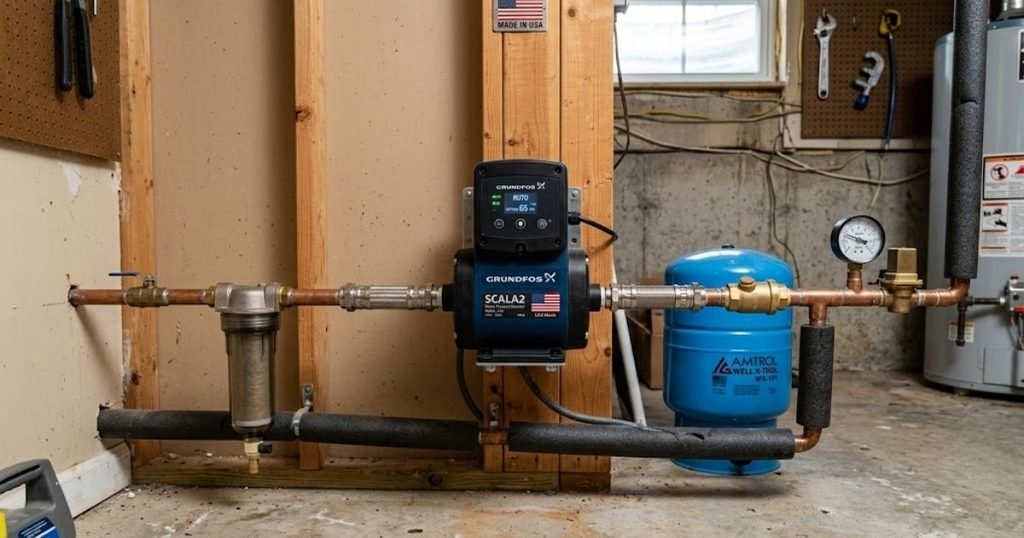
What Is a Water Pressure Booster Pump?
A water pressure booster pump is a mechanical device installed in a home’s main plumbing line. Its primary job is to increase the force (pressure) with which water flows through your pipes and out of your faucets, showers, and appliances.
Think of a booster pump like a supercharger for your plumbing. Water enters the pump from your municipal supply or storage tank, the pump’s internal impeller spins rapidly to add kinetic energy, and the pressurized water is pushed into your house.
To choose the right system, you need to understand two key plumbing concepts:
- PSI (Pounds per Square Inch): This measures water pressure, the physical force pushing water through your pipes.
- GPM (Gallons per Minute): This measures water flow or volume the actual amount of water moving through the pipe in one minute.
The Highway Analogy: Think of PSI as the speed limit on a highway and GPM as the number of lanes. Higher PSI pushes water faster through the pipe, but if your main water line is too small (not enough lanes), you still won’t get enough total volume (GPM) when multiple showers and faucets are running at once.
If your plumbing suffers from low PSI, a booster pump adds that missing push. However, if your municipal water line only supplies 3 GPM, a pump cannot create extra water out of nowhere.
READ MORE: How to Increase Hot Water Pressure in the Whole House
How Does a Water Pressure Booster Pump Work?
Modern residential water pressure pumps operate through a controlled, multi-step process:
- Water Line Entry: Water from your city supply or well storage tank enters the pump’s inlet port.
- Demand Detection: An integrated pressure sensor or flow switch detects when you turn on a faucet or shower.
- Pressure Elevation: The electric motor spins an internal impeller, driving force into the water column.
- Controlled Output: The pressurized water flows into your home’s main distribution lines.
- Shutdown: When you turn off the faucet, the sensors register zero flow/restored pressure and shut the pump off.
Types of Booster Pumps
| Pump Type | Operational Mechanism | Pros | Cons |
| Fixed-Speed | Runs at 100% speed whenever triggered; shuts off when closed. | Lower upfront cost, simple electrical design. | Can cause pressure spikes; less energy-efficient. |
| Variable-Speed (VFD) | Adjusts motor RPM dynamically based on water demand. | Smooth constant pressure, whisper-quiet, highly energy-efficient. | Higher initial purchase price. |
| Automatic | Uses integrated pressure/flow switches to cycle automatically. | Hands-off operation, built-in dry-run protections. | Control boards can be sensitive to power surges. |
| Constant-Pressure | A variable-speed pump designed to keep exact PSI regardless of open taps. | Identical shower pressure even if laundry and irrigation run simultaneously. | Premium price point. |
READ MORE: Best Whole House Water Softener System for Home — Top Picks
Best Water Pressure Booster Pumps for Homeowners
When selecting a residential water pressure booster pump, build quality, sound insulation, and dynamic control determine performance. Below are reviews of five widely considered residential models.
1. Aquastrong Smart 45 Review
The Aquastrong Smart 45 is a compact, variable-speed, all-in-one domestic pressure boosting system designed for residential water supply applications.
Key Technical Specifications
- Voltage: 115V AC
- Motor Technology: Permanent Magnet Variable Speed Inverter Motor
Scribd - Pressure Setting Range: 22 to 80 PSI (Preset at 44 PSI)
aquastrong.co - Max Head / Max Flow: Up to 150 ft (45 m) / ~1,500 GPH (~25 GPM)
- Noise Level: Rated around ~55 to 60 dB(A)
- Protection Features: Integrated dry-run protection, thermal overload, automatic leak detection
Scribd
Design & Real-World Performance
The Smart 45 utilizes a variable-frequency drive (VFD) motor that adjusts its speed based on real-time household demand. When you open a single faucet, the motor runs at a low, quiet RPM. Turn on two additional showers, and the internal inverter instantly ramps up motor speed to maintain constant line pressure.
Its integrated touch-panel display allows users to adjust setpoint pressure in small increments. Built-in dry-run protection prevents motor burnout if municipal supply cuts out unexpectedly.
Pros & Cons
- Pros:
- True constant-pressure output with energy-saving VFD technology.
- Quiet operation compared to traditional fixed-speed cast-iron jet pumps.
- All-in-one housing includes internal check valve, sensor network, and 1-liter pressure tank.
Scribd
- Cons:
- Control electronics require clean power; best installed with a quality surge protector.
- Higher initial cost than basic single-speed transfer pumps.
- Best for: Modern homes needing consistent pressure across multi-fixture households.
- Main Strength: Smooth, quiet variable-speed operation with simple touch-screen adjustments.
- Main Weakness: Digital controls are vulnerable to electrical power surges if not protected.

2. AIDPATH EVO BOOST5 Review
The AIDPATH EVO BOOST5 is an automatic booster pump engineered for homeowners seeking a mid-range solution for low water pressure.
Key Technical Specifications
- Voltage: 115V AC
eBay - Motor Horsepower: Approx. 1.2 HP
eBay - Max Pressure: Rated up to 85 PSI
eBay - Max Flow: Up to 27 GPM
eBay - Port Connections: 1″ NPT standard plumbing connections
- Operation: Automatic flow/pressure sensor start-stop control.
Design & Real-World Performance
The EVO BOOST5 delivers high flow volume, making it suitable for homes with multiple bathrooms and irrigation demands. With its 1.2 HP motor rating, it delivers strong head pressure across higher elevations, like multi-story residential structures.
eBay
It starts automatically when a downstream fixture opens and switches off when flow halts. Its stainless-steel or composite contact components resist internal corrosion.
Always verify exact specs with the manufacturer before purchase, as specifications can vary slightly by production run.
Pros & Cons
- Pros:
- High GPM throughput supports simultaneous shower and appliance use.
- Standard 1″ NPT ports make integration into main lines straightforward.
- Robust motor power handles higher vertical head demands.
- Cons:
- Single-speed operational cycles can produce more audible noise than liquid-cooled VFD units.
- Larger physical footprint requires clear mounting space.
- Best for: Medium-to-large single-family homes with high GPM demand.
- Main Strength: High max flow volume (up to 27 GPM).
- Main Weakness: Standard single-speed operation is louder than VFD models.

3. Gwanzi 800ULTRA Review
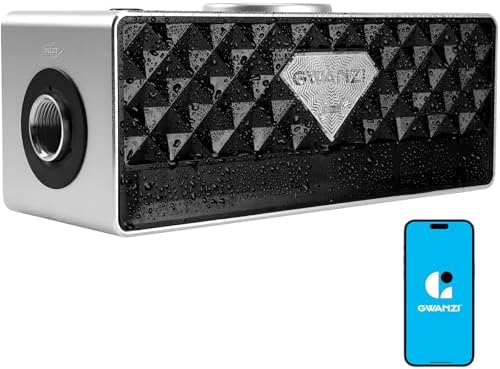
The Gwanzi 800ULTRA is a mid-sized automatic residential pressure booster built for budget-conscious homeowners.
Key Technical Specifications
- Motor Power: ~800W (~1.0 HP class)
- Voltage: 115V / 230V options depending on market regional configuration
- Max Delivery Head: Up to ~130 ft (approx. 40 meters / 55–60 PSI max boost)
- Max Flow Rate: Approx. 14–16 GPM (54 L/min)
- Control Mechanism: Integrated electronic pressure/flow switch
- Protection Rating: IP65 / IP54 outdoor/indoor splash resistance
Design & Real-World Performance
The Gwanzi 800ULTRA uses an integrated electronic control switch that monitors line pressure. When pressure dips due to fixture opening, the 800-watt motor kicks in to restore force across the network. It is compact enough to fit into tight utility closets or mechanical rooms.
While adequate for typical 1- to 2-bathroom homes, its overall flow capacity is lower than industrial-tier units. Homeowners should verify that local municipal inlet pressure combined with the pump’s max head does not exceed home safety limits.
Pros & Cons
- Pros:
- Affordable option for low-pressure municipal connections.
- Compact physical size simplifies installation in tight spaces.
- Includes automatic dry-run prevention functions.
- Cons:
- Lower overall flow output (GPM) can cause slight pressure drops if multiple high-flow taps run together.
- Build materials contain more plastic internal components than high-end commercial pumps.
- Best for: Small to medium 1- to 2-bathroom homes or cabins on a budget.
- Main Strength: Great value for basic single-fixture or small-home pressure boost.
- Main Weakness: Limited flow head for larger homes with simultaneous water usage.
4. Grundfos SCALA1 3-45 Booster Pump Review
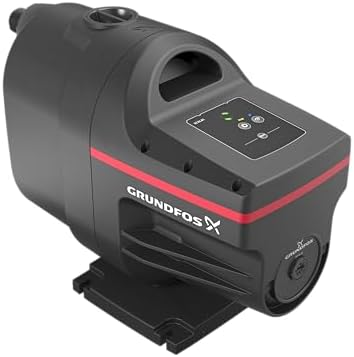
Grundfos is a global leader in pump engineering, and the SCALA1 3-45 represents a robust commercial-grade residential booster pump.
Key Technical Specifications
- Voltage: 115V or 230V options available (check specific model SKU)
US Water Systems - Max Head Range: Up to 144 ft (approx. 62 PSI boost)
- Nominal / Max Flow: 15.8 GPM nominal (Up to 22 GPM max)
- Max System Pressure: 115 PSI
US Water Systems - Max Inlet Pressure: 43 PSI
US Water Systems - Suction Capability: Self-priming up to 26 ft (8 meters)
- Enclosure / Noise: IPX4D rated for outdoor installation; operating noise under 55 dB(A)
Design & Real-World Performance
The SCALA1 3-45 is an all-in-one, self-priming, fully automatic pressure booster built with high-grade composites and stainless-steel components. It features built-in Bluetooth connectivity, allowing homeowners and plumbers to configure settings, adjust calendar schedules, and check fault diagnostics via the Grundfos GO app.
Its outdoor enclosure rating (IPX4D) means it can be installed outside without a dedicated protective housing (where freezing is not an issue). It also includes an advanced dry-run protection system, cycling protection to detect small pipe leaks, and a maximum runtime limiter.
Scribd
Pros & Cons
- Pros:
- Commercial-grade reliability, materials, and long-term durability.
- Bluetooth app controls provide detailed diagnostic and setup capabilities.
- Rated for outdoor installation (IPX4D rating).
- Cons:
- Higher price point than entry-level import pumps.
- Fixed-speed hydraulic motor (though controlled via smart logic) rather than full variable-speed VFD like the SCALA2.
- Best for: Homeowners wanting a reliable, smart-connected pump suitable for indoor or outdoor setup.
- Main Strength: Exceptional build quality, outdoor rating, and smart diagnostic app.
- Main Weakness: Premium price; requires strict adherence to max inlet pressure limits (43 PSI max inlet).
US Water Systems
5. Hanchen Whole House Water Pressure Booster Pump (HT-95-MYF)
The Hanchen HT-95-MYF is an entry-level inline automatic booster pump primarily designed for targeted inline boosting or small domestic supply configurations.
Key Technical Specifications
- Voltage: 115V AC
- Motor Power: ~90W to 120W (varies by specific variant revision)
- Max Head / Boost: Approx. 33 to 40 ft (~15 to 20 PSI added boost)
- Max Flow Rate: Approx. 5 to 8 GPM
- Body Material: Cast iron or brass housing options
- Flow Switch: External magnetic automatic flow switch selector (Auto / Manual / Off)
Design & Real-World Performance
Unlike heavy-duty whole-house VFD pumps, the Hanchen HT-95-MYF is a low-wattage, low-cost inline booster. It is designed for situations where a single shower or small home lacks basic flow, or where water feeds from a low-elevation holding tank.
Because of its modest power, it adds roughly 12–18 PSI to an existing line. It cannot supply high-flow, multi-shower demands simultaneously across a 4-bathroom house, but it works well for small single-fixture pressure boosts.
Pros & Cons
- Pros:
- Extremely affordable and low power consumption.
- Compact, lightweight, and easy to fit in small utility spaces.
- Quiet operation due to low-wattage motor design.
- Cons:
- Not a true whole-house pump for multi-bathroom homes.
- Limited pressure boost (~15–20 PSI max added) and low GPM volume.
- Best for: Small apartments, cabins, or boosting supply to a single shower or water heater.
- Main Strength: Low price and quiet inline operation for minor pressure issues.
- Main Weakness: Lacks the power and flow volume needed for whole-house use in medium-to-large homes.

READ MORE: How to Fix Low Water Pressure: Causes & Easy Solutions
Water Pressure Booster Pump Comparison
The table below provides a quick comparison of specifications across all five reviewed models:
| Feature | Aquastrong Smart 45 | AIDPATH EVO BOOST5 | Gwanzi 800ULTRA | Grundfos SCALA1 3-45 | Hanchen HT-95-MYF |
| Pump Type | Variable-Speed VFD | Automatic Single-Speed | Automatic Single-Speed | Smart Automatic Booster | Low-Power Inline |
| Voltage | 115V AC | 115V AC | 115V / 230V options | 115V or 230V options | 115V AC |
| Max Added Boost / Head | ~80 PSI / 150 ft | ~85 PSI / High Head | ~55 PSI / 130 ft | ~62 PSI / 144 ft | ~15–20 PSI / 35 ft |
| Max Flow Rate | ~25 GPM (1500 GPH) | ~27 GPM | ~15 GPM | ~22 GPM | ~6–8 GPM |
| Variable Speed? | Yes | No | No | No (Smart-Logic Single) | No |
| Self-Priming? | Yes | Yes | Yes | Yes (Up to 26 ft) | No |
| Noise Rating | ~55–60 dB(A) (Very Quiet) | Moderate (~65+ dB) | Moderate (~65+ dB) | <55 dB(A) (Very Quiet) | ~45–50 dB(A) |
| Dry-Run Protection? | Yes | Yes | Yes | Yes | No (Basic Flow Switch) |
| Whole-House Use? | Yes (Ideal) | Yes | Yes (Small-Med Homes) | Yes (Ideal) | No (Single Fixture/Small Cabins) |
| Best For | Constant-pressure precision | High-flow demand | Budget home boost | Premium quality & smart control | Budget single-point boost |
| Main Drawback | Surge-sensitive electronics | Louder motor operation | Plastic internal parts | Premium price tag | Low overall power & flow |
Which Water Pressure Booster Pump Is Best?
There is no single “best” booster pump for every home. The ideal option depends on your household size, budget, and plumbing setup:
- Best Overall for Modern Homes: Aquastrong Smart 45 — Offers variable-speed VFD operation, constant pressure, quiet liquid-cooled performance, and simple digital controls.
- Best Premium & Smart Option: Grundfos SCALA1 3-45 — Premium construction, Bluetooth app diagnostics, and an outdoor-rated enclosure.
- Best High-Flow Performance: AIDPATH EVO BOOST5 — Delivers high max flow (27 GPM) to keep up with large homes running multiple fixtures simultaneously.
- Best Budget Whole-House Option: Gwanzi 800ULTRA — Affordable entry point for small-to-medium single-family homes needing basic pressure elevation.
- Best Low-Power / Single-Point Boost: Hanchen HT-95-MYF — Compact and inexpensive option for boosting pressure at a single dedicated shower or water heater line.
READ MORE: Best Energy-Efficient Tankless Water Heaters
Water Pressure Booster Pump Buying Guide
1. PSI Rating & Total Head
Check your current static incoming PSI with a standard gauge ($10 at home improvement stores). If your home sits at 30 PSI and you want 55 PSI, you need a pump that adds at least 25 PSI under flow conditions. Never adjust total output above 75–80 PSI.
2. GPM (Gallons Per Minute) Capacity
Calculate your peak water usage. If two showers (2.5 GPM each), a washing machine (3 GPM), and a kitchen faucet (2 GPM) run at the same time, you need a pump that supplies at least 10 GPM without dropping pressure.
3. Electrical Requirements (Voltage & Amperage)
Most residential pumps run on standard 115V AC power with a three-prong wall plug. Larger commercial-style or high-horsepower pumps require a dedicated 230V circuit. Check your electrical setup before buying.
4. Variable-Speed (VFD) vs. Single-Speed
- Single-Speed: Motor runs at 100% capacity whenever turned on. Simple and less expensive, but uses more energy and can cause minor pressure fluctuations.
- Variable-Speed (VFD): Motor ramps up or down automatically based on active demand. Maintains smooth, constant pressure across all taps while saving electricity.
5. Essential Safety Protection Features
- Dry-Run Protection: Shuts the pump off automatically if municipal water is cut off, preventing internal impellers from melting due to friction heat.
- Thermal Overload: Turns the motor off if it overheats under heavy loads.
- Leak / Cycling Protection: Detects micro-leaks (like a running toilet) and prevents the pump from rapidly starting and stopping until it damages the motor switch.
6. Sound & Noise Levels
If installing inside a home, living area closet, or near bedrooms, choose a pump rated under 60 dB(A) (like the Aquastrong Smart 45 or Grundfos SCALA1). Traditional air-cooled cast-iron jet pumps can exceed 75 dB, creating an annoying buzz throughout the house when water runs.
How to Install a Water Pressure Booster Pump
Note: Major plumbing modifications and electrical connections must comply with local code requirements. If you are unfamiliar with soldering, copper cutting, or PEX crimping, hire a licensed professional plumber.
1.Shut Off Main Water & Power:Safety Prerequisite.
Locate your main street valve or basement incoming shutoff. Turn it off completely and open the lowest hose bibb or faucet in your house to drain all line pressure.
2.Select & Prepare Installation Location:Accessibility & Drainage.
Choose a clean, dry, non-freezing location close to where the main water line enters the home. Ensure access to a dedicated electrical outlet and a floor drain in case of future maintenance.
3.Plumb the Three-Valve Bypass Loop:Recommended Maintenance Layout.
Install shutoff valves before (inlet) and after (outlet) the pump. Add a tee-fitting line between them with a middle bypass valve. This allows you to isolate the pump for servicing while keeping main water flowing to the house.
4.Install Inlet Check Valve & Pre-Filter:Pump Protection.
Install a high-quality check valve on the suction side to prevent backflow. If your municipal water carries sediment or sand, install a 50-micron pre-filter ahead of the pump inlet to protect internal impellers.
5.Mount & Connect the Pump:Vibration Isolation.
Secure the pump base using rubber vibration isolation pads. Connect incoming and outgoing lines using flexible stainless-steel braided pump connectors or union fittings to absorb motor vibrations and simplify future removal.
6.Prime the Hydraulics & Bleed Air:Prevents Dry Running.
Unscrew the pump’s priming port plug. Fill the internal pump chamber completely with clean water until air bubbles stop rising. Tighten the plug back down firmly.
7.Check for Leaks & Power Up:System Commissioning.
Slowly open the main supply line valve to pressurize the system. Inspect all pipe joints for leaks. Plug the unit into a GFC-protected outlet, configure setpoint PSI, and test multiple taps throughout the home.
READ MORE: How to Fix Low Water Pressure in Your Shower— Step-by-Step DIY Guide
Where Should a Water Pressure Booster Pump Be Installed?
To protect your plumbing and ensure smooth operation, install your booster pump in an optimal location:
- Near the Main Water Entrance: Install downstream of your main shutoff valve and water meter, but before the pipe splits off to feed your water heater, outdoor hose bibbs, and indoor fixtures.
- Inside a Climate-Controlled Space: Basements, mechanical rooms, or utility closets work best. Never allow water inside the pump housing to freeze, as ice expansion will crack the hydraulic casing.
- Near a Floor Drain: If a seal fails or maintenance requires draining, having a drain nearby prevents water damage.
- Away from Living Spaces (If Loud): If using an air-cooled pump, mount it away from bedroom walls to prevent vibration noise.
Can a Booster Pump Increase Pressure in the Whole House?
Yes. A whole-house booster pump installed on the main supply line increases water pressure across every faucet, shower, toilet, hose bibb, and appliance in your home.
However, three key factors affect real-world performance:
- Incoming Water Supply Limits: If the city supply line only feeds 4 GPM into your meter, a booster pump cannot magically push 15 GPM into your home.
- Undersized Interior Pipes: If your home uses old ½-inch copper or PEX trunk lines instead of ¾-inch or 1-inch lines, water flow will remain restricted at distant taps even with higher PSI.
- Pressure Drops Over Distance & Elevation: Water loses approximately 0.433 PSI per vertical foot of climb. Pushing water up to a second- or third-story shower naturally reduces pressure compared to basement fixtures.
How Much Does a Water Pressure Booster Pump Cost?
The total investment for a residential booster pump setup breaks down into equipment, plumbing parts, and professional installation labor:
| Expense Category | Typical Price Range | Key Factors Influencing Cost |
| Pump Equipment | $150 – $950 | Entry inline models (150–250) vs. Smart VFD/Bluetooth models (500–950). |
| Plumbing Valves & Parts | $75 – $200 | Bypass ball valves, copper/PEX fittings, check valves, and flex lines. |
| Sediment Pre-Filter | $40 – $120 | Protects internal impellers from pipe debris and sand. |
| Professional Labor | $300 – $900 | Regional plumbing labor rates, pipe access, and bypass complexity. |
| Electrical Upgrades | $150 – $400 | Installing a dedicated GFCI outlet near the pump if none exists. |
| Total Project Cost | $400 – $2,200+ | DIY basic inline vs. Professionally installed smart VFD whole-house system. |
Common Water Pressure Booster Pump Problems & Troubleshooting
If your booster pump runs poorly, use this quick guide to diagnose and fix common issues:
- Pump Runs Continuously: A running toilet, dripping outdoor faucet, or micro-leak downstream prevents line pressure from reaching the pump cut-off point. Check all fixtures for hidden leaks.
- Rapid Cycling (Turns On and Off Every Second): Usually caused by a waterlogged pressure tank or an improperly adjusted flow switch. Recharge the internal tank bladder air pre-charge.
- Motor Runs, But No Water Flows: The pump lost its prime or air is trapped in the impeller housing. Turn power off, remove the priming plug, refill with water, and re-prime.
- Pump Is Exceptionally Loud or Screeching: Bearings are wearing out, or the pump is cavitating due to a clogged pre-filter on the inlet side. Clean input filters and check water feed flow.
How to Maintain a Water Pressure Booster Pump
Regular maintenance keeps your booster pump running reliably for years:
- Quarterly – Clean Pre-Filters: Flush or replace sediment filter cartridges upstream of the pump to prevent flow restrictions.
- Bi-Annually – Inspect for Slow Leaks: Check pipe unions, check valves, and mechanical shaft seals for tiny water drips or mineral crusting.
- Annually – Check Tank Pressure: Unplug the pump, relieve line water pressure, and check the air pre-charge on the small internal pressure tank using a tire gauge. Set air pressure to 2–3 PSI below your pump’s cut-in setting.
- Before Winter – Freeze Protection: If your pump sits in an unheated garage or outdoor enclosure, drain all water from the casing or wrap it with insulation and heat tape before freezing temperatures arrive.
Pros and Cons of Using a Water Pressure Booster Pump
Consider both the benefits and trade-offs before buying:
Pros
- Superior Shower Performance: Restores strong, invigorating water pressure across all shower heads.
- Simultaneous Fixture Use: Allows running the laundry, dishwasher, and multiple showers at the same time without pressure drops.
- Overcomes Elevation Losses: Delivers consistent water pressure to upper floors in multi-story homes.
- Faster Appliance Fills: Fills deep bathtubs, washing machines, and sinks much quicker.
Cons
- Upfront Cost: Equipment, piping fittings, and potential electrician costs range from $400 to over $2,000.
- Electricity Consumption: Adds a small amount to your monthly electric bill (though variable-speed VFD pumps minimize energy use).
Scribd - Potential Noise: Air-cooled models can create audible motor hum during operation.
- Risk to Weak Plumbing: Adding high PSI to old, corroded plumbing lines can trigger leaks at weak joints.
Do You Actually Need a Water Pressure Booster Pump?
Before purchasing a booster pump, diagnose the root cause of your low water pressure. Installing a pump on a damaged or severely restricted plumbing system can blow out old pipe joints or waste money without solving the real problem.
Common Causes of Low Water Pressure
- Low Municipal Supply Pressure: Your city main supplies under 30–40 PSI to your meter.
- Corroded / Scale-Clogged Pipes: Old galvanized steel pipes fill with mineral scale, restricting internal pipe diameter.
- Partially Closed Valves: Your main shutoff valve or street meter valve is bumped half-closed.
- Faulty Pressure Reducing Valve (PRV): A failing PRV at the main entrance chokes off municipal pressure.
- Clogged Fixtures & Aerators: Mineral buildup inside showerheads or sink aerators.
- Clogged Whole-House Filters: Sediment cartridges left unchanged choke water flow.
- Elevation & Multi-Story Layouts: Pushing water up to second- or third-story bathrooms drains pressure.
When a Booster Pump IS the Right Solution
- Your municipal water supply consistently delivers under 40 PSI to your meter.
- You live in a two-story or three-story house where gravity drains upper-floor shower performance.
- You draw water from a non-pressurized gravity-fed holding tank or cistern.
When a Booster Pump Will NOT Fix the Problem
- Your pipes are clogged solid with galvanized iron corrosion (adding a pump can cause leaks or pipe failure).
- Your house main pipe is severely undersized for your total fixture load.
- Your city supply line supplies high pressure (60+ PSI) but low flow volume (restricted supply).
What Is a Good Water Pressure for a House?
Residential water pressure in the United States typically falls between 40 and 80 PSI.
- Low Pressure (Below 40 PSI): Noticeably weak showers, slow-filling appliances, and poor multi-fixture performance.
- Ideal Pressure (45 to 65 PSI): Strong, comfortable water flow that protects valves, seals, and appliances.
- High Pressure (Above 80 PSI): Dangerous level that can burst washing machine hoses, ruin water heaters, and trigger pipe leaks.
Caution: Never set a variable-speed or constant-pressure booster pump higher than 65–70 PSI. Exceeding 80 PSI violates the Uniform Plumbing Code (UPC) and International Plumbing Code (IPC), and risks damaging your plumbing fixtures and voiding appliance warranties.
Frequently Asked Questions
What is the best water pressure booster pump for a home?
The Aquastrong Smart 45 is a top choice for modern single-family homes due to its variable-speed inverter motor, quiet operation, and built-in dry-run protections. For buyers who prioritize app connectivity and an outdoor-rated enclosure, the Grundfos SCALA1 3-45 is an excellent alternative.
How much does a water pressure booster pump increase PSI?
Most standard residential booster pumps add between 25 and 45 PSI to your incoming line pressure. Modern variable-speed models allow you to dial in an exact household setpoint (typically 50 to 60 PSI) so your pressure stays smooth regardless of incoming municipal fluctuations.
Is a water pressure booster pump worth it?
Yes, if your home receives consistently low pressure (under 40 PSI) from the city or a holding tank. It restores strong shower output and lets you run multiple appliances at once. However, if your low pressure is caused by corroded, scale-clogged pipes, you should address the piping issues before installing a pump.
Can I install a water pressure booster pump myself?
If you have intermediate plumbing skills (cutting pipe, installing union fittings, soldering copper or crimping PEX) and an existing GFC-protected electrical outlet nearby, you can install an all-in-one unit in a few hours. If your setup requires running new electrical lines or modifying main plumbing stacks, hire a licensed plumber.
What size water pressure booster pump do I need?
For a typical 2- to 3-bathroom home, choose a pump rated for 10 to 15 GPM flow and at least 120 to 150 feet of maximum head (60+ PSI boost capability). Larger homes with 4+ bathrooms or high-flow multi-head walk-in showers should choose a high-capacity model rated for 20 to 27 GPM (like the AIDPATH EVO BOOST5).
Final Verdict
Weak water pressure isn’t something you have to live with. A residential water pressure booster pump can transform low, frustrating water flow into a strong, reliable system throughout your whole home.
Before purchasing a pump:
- Diagnose Your Plumbing: Measure your current static PSI at an outdoor hose bibb. Confirm that low pressure isn’t simply caused by a closed main valve, clogged filter, or failing pressure-reducing valve (PRV).
- Size for Both PSI and GPM: Remember that pressure (PSI) creates force, but flow volume (GPM) allows multiple showers and appliances to run together without drops in performance.
- Choose the Right Technology: A variable-speed pump like the Aquastrong Smart 45 delivers smooth, whisper-quiet, constant pressure. For heavy-duty demands or outdoor mounting, consider a commercial-grade option like the Grundfos SCALA1.
Measure your household peak water demand, inspect your main supply line, and choose a model that meets your plumbing requirements to enjoy strong, consistent water pressure every time you turn on a tap.
Sources & Technical References
- Aquastrong Pumps: Smart 45 Inverter Booster Pump Operation & Technical Manual.
Scribd - Grundfos Documentation: SCALA1 3-45 Self-Priming Booster Pump Data Sheet & Installation Guide.
- Plumbing Code References: International Plumbing Code (IPC) & Uniform Plumbing Code (UPC) — Maximum Residential Pressure Settings (Section 604.8).

