Forced air heating remains the most common heating method in U.S. residential construction. It earns its popularity through fast heating cycles, reliable performance, and the unique ability to share ductwork with central air conditioning. However, like any home mechanical system, it comes with specific operational traits, maintenance requirements, and efficiency considerations that every homeowner should know.
In this comprehensive guide, we will break down what forced air heating is, step-by-step mechanics of how it works, the different fuel and equipment types available, major pros and cons, energy efficiency factors, cost expectations, maintenance checklists, and a practical decision framework to help you evaluate your home’s heating needs. Lets deep dive into “Forced Air Heating: How It Works, Pros, Cons, & Cost”
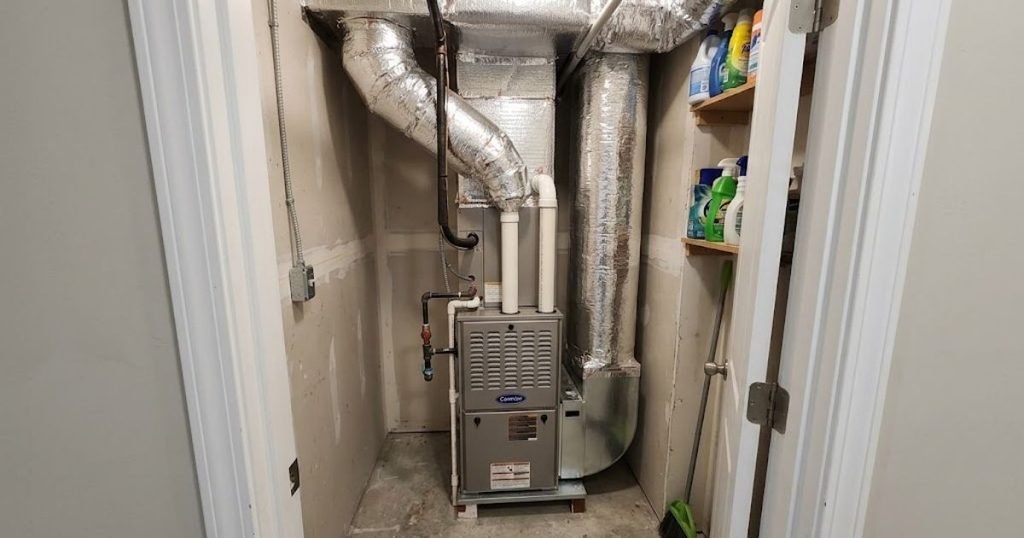
What Is Forced Air Heating?
At its core, forced air heating is a central heating method that uses air as the primary heat-transfer medium. Unlike radiant systems that warm objects and surfaces directly, or baseboard units that rely on natural convection, forced air systems actively push heated air through a network of sheet metal or flexible ducts, delivering it into various rooms via wall, floor, or ceiling registers.
To understand the concept clearly, it helps to separate the distribution method from the heat source. The term “forced air” describes how heat is delivered throughout your home, not what creates the heat. A forced air system can be powered by a natural gas furnace, an oil furnace, an electric resistance furnace, or an electric air-source heat pump.
Key structural elements of a forced air heating setup include:
- The Heating Equipment: A furnace or heat pump that generates or transfers thermal energy.
- The Blower Fan: A motorized blower that forces air across the heat exchanger or indoor coil.
- Ductwork: Sealed channels consisting of supply ducts (which carry warm air to rooms) and return ducts (which pull cooler indoor air back to the equipment).
- Registers and Grilles: Vents outfitted with louvers that regulate airflow into living spaces and pull air back into the return system.
Because forced air systems rely on extensive duct networks, they are frequently engineered to serve dual purposes, acting as the foundation for both forced air heating and cooling by integrating an outdoor air conditioner or heat pump condenser.
READ MORE: Best Natural Gas Boilers for Home Heating: Review & Comparison
How Does a Forced Air Heating System Work?
The operation of a forced air heating system follows a continuous, automated cycle managed by your home thermostat. While equipment configurations vary, the fundamental heating cycle proceeds through distinct mechanical steps:
- The Thermostat Signals a Call for Heat: When the indoor temperature drops below the user-defined setpoint on the thermostat, a low-voltage electrical signal is sent to the heating equipment.
- The Heating Equipment Ignites or Activates: In a gas or oil furnace, burners ignite within a combustion chamber, or electric heating elements energize. In a heat pump, the reversing valve and compressor engage to transfer thermal energy from outdoor air.
- Thermal Energy Transfer: Air from the return ducts passes over a heat exchanger (in furnaces) or an indoor evaporator coil (in heat pumps), absorbing thermal energy.
- The Blower Fan Engages: Once the heat exchanger reaches a predetermined operating temperature, the powerful blower fan activates, pushing the warmed air into the main supply trunk.
- Air Delivery via Supply Ducts: The pressurized warm air travels through insulated supply ducts and rushes out of floor, wall, or ceiling registers into individual rooms.
- Air Return and Recirculation: As warm air enters living areas, it displaces cooler indoor air. This cooler air is drawn into return grilles, passes through an air filter to trap dust and debris, and re-enters the heating unit to be warmed again.
- Cycle Completion: Once the thermostat senses that the indoor temperature has reached the desired setpoint, it cuts the signal, shutting down the burners or heating elements, while the blower fan typically runs for a brief period to clear residual heat from the unit.
Forced Air System Component Breakdown
| Component | What It Does |
| Thermostat | Controls the desired indoor temperature and signals the system when to turn on and off. |
| Furnace or Heat Pump | Supplies heat to the circulating air via combustion, electrical resistance, or refrigerant heat transfer. |
| Blower Fan | Circulates air through the system, overcoming static pressure in the ductwork. |
| Heat Exchanger or Indoor Coil | Transfers thermal energy safely to the air stream without mixing combustion gases with indoor air. |
| Supply Ducts | Carry conditioned, warmed air from the central unit into individual rooms. |
| Return Ducts | Carry cooler indoor air back to the central equipment to be reheated. |
| Air Filter | Captures airborne particles before they enter sensitive mechanical equipment. |
| Registers and Grilles | Allow air to enter or return from rooms, often featuring adjustable louvers for airflow control. |
READ MORE: Carrier Heat Pump Reviews— Models, Costs, Pros & Cons
Types of Forced Air Heating Systems
Forced air systems are versatile because they can utilize several different energy sources and equipment types. Here is a look at the major categories of forced air heating:
1. Natural Gas Forced Air Heating
Natural gas is one of the most common energy sources for forced air heating in regions with established municipal gas lines. Gas furnaces burn natural gas inside a sealed combustion chamber, transferring heat through a metal heat exchanger. Modern high-efficiency gas furnaces feature electronic ignition systems and condensing technology that extracts extra heat from exhaust gases. Because they involve combustion, they require proper venting (PVC or metal flues) to the exterior of the home and functional carbon monoxide detectors.
2. Electric Forced Air Heating
Electric forced air furnaces rely on electric resistance heating strips similar to the coils in a toaster to warm air as it passes through the air handler. While electric furnaces are typically less expensive to purchase and easier to install than gas units, their operating costs depend entirely on local electricity rates. In areas with high electricity costs, electric resistance heating can become expensive to run.
3. Oil-Fired Forced Air Heating
Oil furnaces are more commonly found in older homes in the Northeastern and Midwestern United States where natural gas infrastructure is less accessible. These systems atomize heating oil into a fine mist, ignite it within a combustion chamber, and distribute the resulting heat. Oil-fired systems require an on-site storage tank (either aboveground or buried) and regular professional tuning to maintain optimal combustion efficiency.
4. Heat Pump Forced Air Heating
Air-source heat pumps operate on electricity, but instead of generating heat through resistance, they use refrigeration cycles to absorb heat from the outside air (even in cold weather) and transfer it indoors. Ducted heat pumps utilize standard forced air ductwork and blowers to distribute warmth. In extremely cold climates, many heat pumps incorporate supplemental electric strip heat or pair with a backup gas furnace in a dual-fuel configuration.
Advantages of Forced Air Heating
Homeowners across the United States appreciate forced air heating for several distinct performance and convenience benefits:
- Fast Delivery of Warm Air: Forced air systems can raise indoor temperatures quickly once a heating cycle begins, making them ideal for adjusting temperatures after setback periods.
- Central Air Conditioning Integration: Shared ductwork allows homeowners to use the exact same blower fan and vent network for both winter heating and summer cooling.
- Smart Thermostat Compatibility: Forced air systems integrate seamlessly with modern programmable and smart thermostats, allowing for automated temperature scheduling and energy savings.
- Multiple Fuel Options: Homeowners can choose equipment powered by natural gas, electricity, heating oil, or renewable-adjacent heat pump technology depending on local utility availability.
- Filtration Capabilities: Standard filter slots allow homeowners to install various grades of air filters to capture dust, pollen, and airborne particulates before air is recirculated.
- Familiar Maintenance and Service: Because forced air systems are ubiquitous, finding certified HVAC technicians for annual maintenance, repairs, or replacement parts is straightforward in nearly all U.S. markets.
READ MORE: Portable Heat Pump With AC: Best Portable AC and Heating
Disadvantages of Forced Air Heating
While popular, forced air systems are not without drawbacks. Understanding these potential issues helps homeowners manage expectations and take proactive corrective steps:
- Air Movement and Dust Circulation: The constant flow of air can stir up settled dust, pet dander, and allergens, which can be bothersome for sensitive household members if filtration is neglected.
- Duct Leakage and Energy Waste: According to ENERGY STAR, typical duct systems lose 20% to 30% of the energy put out by the heating and cooling equipment due to leaks, holes, and poor connections in unconditioned spaces like attics or crawlspaces.
- Uneven Temperatures: Poorly designed, unbalanced, or uninsulated ductwork can cause certain rooms to remain significantly colder or warmer than the rest of the house.
- Blower Noise: As air rushes through ducts or blower motors ramp up, mechanical noise can be audible in nearby living areas.
- Filter Maintenance Responsibility: Homeowners must remember to inspect and replace air filters regularly; neglecting this task restricts airflow and strains the blower motor.
- Retrofit Costs: Installing ductwork in a home that previously relied on radiant or baseboard heat can be disruptive and expensive.
- Combustion Safety: Gas and oil furnaces require diligent maintenance, proper venting, and operational carbon monoxide alarms to prevent combustion gas leaks.
Is Forced Air Heating Energy Efficient?
When evaluating the efficiency of forced air heating, it is critical to distinguish between the efficiency of the heat source and the efficiency of the entire distribution system.
- Furnace Efficiency (AFUE): Gas and oil furnaces are rated using Annual Fuel Utilization Efficiency (AFUE). An 80% AFUE furnace converts 80% of the fuel into usable heat, while 20% escapes through the exhaust flue. Modern high-efficiency condensing furnaces achieve AFUE ratings of 90% to 98%.
- Heat Pump Efficiency: Heat pumps are rated using Heating Seasonal Performance Factor (HSPF or HSPF2) and Coefficient of Performance (COP), measuring the ratio of heat delivered to electrical energy consumed.
- Duct Efficiency: Even a 98% AFUE furnace will waste energy if connected to leaky, uninsulated ductwork running through an unheated attic or crawlspace. Sealing and insulating ducts is one of the most effective ways to boost overall system efficiency.
- Home Envelope Performance: Building insulation, double-pane windows, and air sealing directly impact how hard your forced air heating system must work to maintain comfortable temperatures.
- Thermostat Management: Utilizing setbacks (lowering temperatures when away or sleeping) reduces total runtime and lowers overall energy consumption.
Forced Air Heating vs. Radiant Heating vs. Heat Pumps
When comparing home heating options, homeowners often weigh forced air against radiant systems and ductless configurations.
| Feature | Forced Air Furnace | Radiant Heating | Heat Pump (Ducted or Ductless) |
| How Heat Is Delivered | Heated air circulated through ducts. | Heat transferred through floors, panels, or radiators. | Moves heat using refrigerant, commonly via indoor air handlers or ductless heads. |
| Ductwork Required | Usually required. | Usually not required (uses tubing or radiators). | Depends on system design (ducted vs. ductless mini-splits). |
| Central Cooling Compatibility | Often shares ducts with central AC. | Usually needs a separate cooling system or chilled water setup. | Many systems provide both efficient heating and cooling. |
| Air Movement | Uses a blower fan to push air. | Generally does not require forced air for heat distribution. | Varies by design; ducted uses blowers, ductless uses natural convection/fans. |
| Best Fit | Homes with existing or planned ductwork. | Homeowners seeking silent, even radiant comfort. | Homeowners seeking high-efficiency heating and cooling options. |
It is worth noting that a heat pump is not mutually exclusive from forced air; in fact, most ducted air-source heat pumps are forced air systems because they use a blower fan and ductwork to distribute warmed air.
READ MORE: Air to Water Heat Pump — Complete Buyer’s Guide
How Much Does Forced Air Heating Cost?
The cost of installing, replacing, or operating a forced air heating system varies widely based on several key factors:
- Equipment Type and Capacity: Gas furnaces, electric furnaces, oil systems, and heat pumps have vastly different equipment purchase prices. System capacity (measured in BTUs or tons) must match your home’s square footage and heating load.
- Labor Rates and Regional Climate: Contractor labor rates vary by geography, and colder northern climates often require higher-capacity or multi-stage equipment.
- Ductwork Condition: Reusing existing, sound ductwork lowers replacement costs. However, repairing, sealing, or installing brand-new ductwork adds significant material and labor expenses.
- Associated Upgrades: Installing a new gas furnace may require gas line modifications or venting upgrades, while high-efficiency electric systems may necessitate electrical panel upgrades.
- Operating Costs: Monthly utility bills depend heavily on local natural gas and electricity rates, local winter weather severity, equipment efficiency, and house insulation.
For a standard residential equipment replacement (furnace only), fully installed costs typically range from $3,000 to $7,000, while a complete split system replacement (furnace and AC or heat pump) can range from $6,000 to $15,000+. Major ductwork installations in un-ducted homes can add $5,000 to $12,000+. Always obtain multiple itemized quotes from licensed HVAC professionals to compare equipment brands, warranties, and installation scopes.
Forced Air Heating Maintenance Tips for Homeowners
Routine maintenance protects your investment, extends equipment lifespan, and ensures safe operation. Homeowners should follow this practical maintenance checklist:
- Inspect and Replace Air Filters: Check your air filter every 30 to 90 days, replacing it promptly when dirty to maintain optimal airflow and protect the blower motor.
- Keep Vents Unobstructed: Ensure that rugs, furniture, curtains, or stored items do not block supply registers or return grilles.
- Schedule Professional Tune-Ups: Arrange for an annual professional heating inspection—ideally in early fall before peak heating season begins.
- Monitor for Odd Sounds or Odors: Pay attention to unusual rattling, screeching, or burning smells (beyond a brief dusty smell on the first startup of the season).
- Test Safety Alarms: Ensure that smoke detectors and carbon monoxide (CO) alarms are tested monthly and have fresh batteries, especially in homes with combustion equipment.
- Maintain Outdoor Equipment: For heat pump systems, keep the outdoor unit clear of leaves, snow, and debris, maintaining at least two feet of clearance around the housing.
- Understand Duct Cleaning Guidelines: According to U.S. EPA guidance, routine annual duct cleaning is generally unnecessary. Professional duct cleaning should be reserved for specific situations, such as substantial mold growth inside duct surfaces, heavy pest infestation, or excessive debris blockages.
Common Forced Air Heating Problems and Possible Causes
When your heating system acts up, knowing the common culprits can help you communicate effectively with a technician:
| Problem | Possible Cause | Recommended Action |
| System Blows Cold Air | Startup sequence delay, incorrect thermostat setting, or equipment fault. | Check basic thermostat settings and pilot/igniter status; call a technician if unresolved. |
| Some Rooms Are Colder | Duct leakage, airflow imbalance, or insulation issues. | Check that registers are unobstructed and request an airflow assessment. |
| Weak Airflow | Dirty filter, failing blower motor, or duct restriction. | Inspect and replace the air filter; seek professional service if airflow remains weak. |
| System Cycles On and Off Frequently | Thermostat placement, incorrect equipment sizing, or airflow restriction. | Arrange for a professional HVAC diagnosis to check system cycling and limits. |
| Unusual Rattling or Grinding | Loose panels, failing blower bearings, or mechanical wear. | Turn off the equipment immediately if unsafe and arrange for professional service. |
| Unexplained Energy Bill Spikes | Severe weather, rising utility rates, duct leaks, or declining efficiency. | Review energy usage patterns and schedule a professional efficiency inspection. |
Safety Note: Homeowners should never attempt to repair gas valves, modify combustion venting, bypass safety limit switches, or perform high-voltage electrical repairs. If you ever suspect a gas leak or carbon monoxide exposure, evacuate the building immediately and contact emergency services from a safe location.
Is Forced Air Heating Right for Your Home?
Deciding whether forced air heating is the best fit for your property involves weighing your home’s physical layout and comfort goals:
- When Forced Air Is a Great Fit: Your home already features functional ductwork, you want integrated heating and central cooling through a single thermostat, and local HVAC contractors are readily available to service standard ducted equipment.
- When Alternatives Worth Considering: Your home lacks ductwork and retrofitting is cost-prohibitive, you prefer silent radiant floor heating, or you live in a mild climate where ductless mini-split heat pumps offer superior zone control and efficiency.
Evaluating your specific home insulation, climate zone, and infrastructure will guide you toward the ideal comfort solution.
Frequently Asked Questions
What is forced air heating in a house?
Forced air heating is a central heating system that generates heat using a furnace or heat pump, then uses a motorized blower fan and ductwork to distribute warmed air throughout the home via supply registers.
Is forced air heating the same as central heating?
Not exactly. Central heating is a broad category that includes any system heating a home from a central location (including forced air, boilers, and radiant systems). Forced air is simply one specific type of central heating distribution method.
Is forced air heating expensive to run?
Operating costs vary based on your local fuel or electricity prices, winter weather severity, equipment efficiency rating (AFUE or HSPF), home insulation levels, and whether your ductwork leaks into unconditioned spaces.
What is the difference between forced air heating and a heat pump?
Forced air describes how heat is distributed (through air and ducts), while a heat pump describes how heat is generated or transferred (using a refrigeration cycle). Many modern heat pumps are configured as ducted forced air systems.
How often should forced air heating systems be serviced?
Homeowners should check and replace air filters every 1 to 3 months and schedule professional preventative maintenance with a licensed HVAC technician at least once a year before the heating season begins.
Final Thoughts
Forced air heating remains a cornerstone of residential comfort across the United States. By combining fast heating performance, seamless compatibility with central air conditioning, and flexible fuel options, it provides reliable warmth for millions of households. However, maximizing your system’s performance requires paying close attention to regular filter changes, proper equipment sizing, duct sealing, and routine professional tune-ups.
If you are considering replacing an aging heating system, experiencing uneven room temperatures, or noticing a sudden increase in your winter utility bills, schedule an assessment with a licensed, reputable HVAC professional to evaluate your home’s heating needs and explore your equipment options.
Sources & References
- U.S. Department of Energy (DOE): Guidance on furnace efficiency ratings (AFUE), heating system types, and energy conservation.
- ENERGY STAR: Recommendations on duct sealing, home insulation, and high-efficiency HVAC equipment selection.
- U.S. Environmental Protection Agency (EPA): Indoor air quality guidance, ventilation standards, and duct cleaning criteria.
- Consumer Product Safety Commission (CPSC): Heating safety protocols, combustion appliance safety, and carbon monoxide alarm recommendations.