For any American homeowner, this scenario is an absolute nightmare. When you experience a main sewage line clogged in your property, it is not merely an inconvenient plumbing glitch, it is a full-scale household emergency that requires immediate, knowledgeable action.
Your home’s plumbing system relies on a seamless, gravity-fed network designed to carry wastewater safely away from your living spaces and out toward municipal sewer mains or private septic tanks. When that central artery becomes obstructed, wastewater has nowhere to go. Instead of exiting your property, it backs up into the lowest plumbing fixtures in your house, threatening your health, your floors, your walls, and your peace of mind.
In this comprehensive guide written by experienced plumbing professionals, you will learn how the main sewer system operates, how to recognize the early warning signs of trouble, what causes these severe blockages, the differences between a standard clog and a main line failure, safe emergency steps to take, professional cleaning and repair methods, and realistic cost expectations across the United States. Lets deep dive into ‘Main Sewage Line Clogged: Signs, Causes & Solutions”
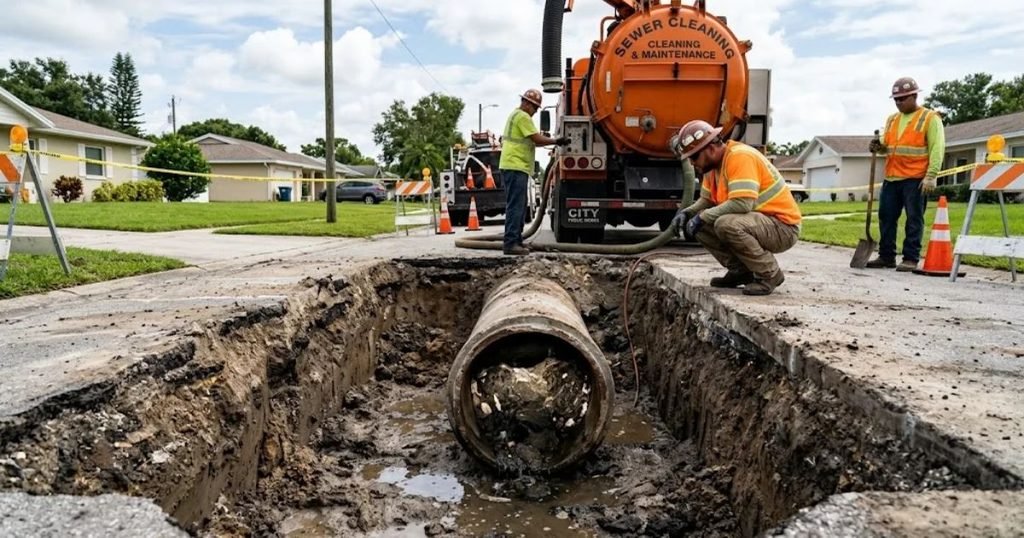
What Is a Main Sewer Line?
To understand why a blockage is so disruptive, it helps to understand how wastewater travels through a residential property. Every sink, shower, bathtub, toilet, washing machine, and dishwasher in your house is connected to a network of smaller drainpipes, often called branch lines. These branch lines converge into a primary vertical stack inside your walls before feeding into the main sewer line.
The main sewer line is the single large underground pipe typically 3 to 4 inches in diameter and made of PVC, cast iron, or clay that collects all household wastewater and carries it away from your foundation.
Municipal Sewers vs. Private Septic Systems
- Municipal Sewer Systems: In most US cities and suburban neighborhoods, the main sewer line exits your foundation and connects directly to the city’s public sewer main running beneath the street. The municipality is generally responsible for the public main, while the homeowner is entirely responsible for the lateral sewer line running from the house to the property line or street connection.
- Private Septic Systems: In rural or semi-rural areas, the main sewer line carries wastewater away from the home directly into an underground septic tank, where solids settle and liquids disperse into a drain field.
Somewhere along this exterior path, most homes feature a sewer cleanout, a short vertical pipe with a threaded cap that provides direct access to the main sewer line for inspection and snaking. Knowing where your cleanout is located can save valuable time during a plumbing emergency.
READ MORE: What to Do When Sewage Backs Up: Emergency Steps & Cleanup
10 Common Signs of a Clogged Main Sewer Line
Because the main sewer line is buried underground or hidden behind walls, you rarely see the problem developing until wastewater begins to rebel. However, your plumbing system will almost always provide clear warnings before a total backup occurs. Here are the 10 most reliable signs of a clogged sewer line:
1. Multiple Drains Backing Up Simultaneously:
If your kitchen sink, guest bathroom shower, and laundry drain all begin backing up or draining sluggishly at the same time, the issue is almost never an isolated trap clog. It points directly to a main sewer line backup.
2. Toilets Bubbling or Gurgling:
When you run the bathroom sink or empty the washing machine, does your toilet bowl bubble? Trapped air forced backward through the sewer system by a blockage escapes through the path of least resistance your toilet trap.
3. Water Backing Up Into Bathtubs or Showers:
Bathtubs and showers sit lower than sinks and toilets in standard multi-story or single-level homes. When a main sewer line backup happens, wastewater naturally rises to the lowest available basin first.
4. Slow Drainage Throughout the House:
If every fixture in your home seems to be draining sluggishly despite individual drain cleanings, grease, scale, or roots are likely narrowing the diameter of your main pipe.
5. Sewage Smells Inside or Outside the Property:
A healthy plumbing system utilizes drain traps and roof vent stacks to safely vent sewer gases above your roofline. If you smell sulfur or raw sewage near floor drains or in your yard, you are experiencing severe sewer line blockage symptoms.
6. Wastewater Coming Out of a Floor Drain:
Basement floor drains or utility room drains are directly tied to the main sewer line. When pressure builds, water or sewage will overflow right onto your basement floor.
7. Toilet Water Rising or Overflowing Unexpectedly:
Flushing one toilet causes water to rise in a completely different toilet or shower stall, indicating a severe bottleneck in the main line.
8. Gurgling Sounds From Plumbing Fixtures:
Hearing persistent gurgling, burbling, or slurping noises when sinks drain or toilets flush means air is trapped in the drainage system by an obstruction.
9. Wet or Unusually Green Patches in the Yard:
If you notice a soggy, sunken, or hyper-lush patch of grass in your yard along the path where your sewer line runs to the street, a broken or leaking pipe is likely fertilizing the lawn from underground.
10. Repeated Blockages Despite Previous Cleaning:
If you clear a kitchen sink or toilet only for the same backup to return a few days later, the root cause resides deeper in the main system.
READ MORE: Why Does My Laundry Room Smell Like Sewage Gas?
What Causes a Main Sewage Line to Get Clogged?
Understanding what enters your pipes helps prevent future disasters. Main sewer lines endure decades of heavy use, weathering shifting soils, invasive vegetation, and improper disposal habits. The most common culprits include:
- Tree Roots in Sewer Line: Tree and large shrub roots naturally seek out moisture and nutrients. Even tiny micro-cracks or loose joints in older clay or cast-iron sewer pipes allow water vapor to escape, drawing roots inside where they grow, mat together, and catch toilet paper and debris.
- Grease, Cooking Oil, and Fat Buildup: Pouring bacon grease, cooking oil, or food fats down the kitchen sink is a primary cause of stubborn clogs. Liquid grease cools inside underground pipes, solidifying into a rock-hard layer that narrows pipe walls over time.
- Inappropriate Flushed Materials: Disposable wipes (even those marketed as “flushable”), paper towels, cotton balls, feminine hygiene products, dental floss, and baby wipes do not disintegrate the way toilet paper does. They catch on pipe imperfections and form impenetrable dams.
- Excessive Toilet Paper Accumulation: Using thick, multi-ply toilet paper in large quantities especially in low-flow toilets can overwhelm older or horizontally sloped drainage pipes.
- Foreign Objects: Children flushing toys, jewelry, bottle caps, or washcloths can instantly halt wastewater flow in a main line.
- Aging, Cracked, or Collapsed Pipes: Older homes featuring cast-iron or orangeburg pipes eventually rust, corrole, or disintegrate. Clay tiles can crack under heavy vehicle traffic or shifting soil.
- Pipe Bellies and Sagging: Soil erosion beneath a pipe can cause a section to sink (known as a “belly”). Wastewater and solids pool in this dip instead of flowing downhill, creating recurring blockages.
Main Sewer Line Clog vs. Regular Drain Clog:
Homeowners often confuse a localized drain clog with a main line obstruction. Misdiagnosing the issue leads to wasted time and ineffective solutions like pouring chemical drain openers down every sink.
| Feature | Regular Drain Clog | Main Sewer Line Clog |
| Affected Fixtures | Single fixture (e.g., one sink or one tub). | Multiple fixtures throughout the house. |
| Typical Symptoms | Slow draining or complete blockage in one specific basin. | Simultaneous backups, gurgling toilets, tub overflow. |
| Common Causes | Hair, soap scum, food scraps, grease in a local P-trap. | Tree roots, structural pipe damage, massive grease buildup, foreign objects. |
| Severity | Low to moderate; easily resolved locally. | High; emergency risk of property damage and contamination. |
| Possible DIY Solutions | Plunging, hand auger (snake), removing and cleaning the P-trap. | Very limited; safe DIY is mostly restricted to stopping fixture use and calling a pro. |
| Professional Service | Optional; usually handled by homeowners or basic handymen. | Essential; requires licensed plumbers with specialized diagnostic and clearing gear. |
READ MORE: Sewer Line Camera Inspection Cost
What to Do Immediately When Your Main Sewer Line Is Clogged
When raw sewage begins backing up into your living space, panic is natural, but calm, methodical action minimizes damage. Follow this emergency troubleshooting checklist:
- Stop Using All Plumbing Fixtures: Immediately cease running sinks, taking showers, washing clothes, and flushing toilets. Every gallon of water you add will only emerge inside your home through the lowest drains.
- Keep Family Members and Pets Away: Raw sewage contains harmful bacteria, viruses, and pathogens (such as E. coli). Keep children and pets away from affected rooms and contaminated surfaces.
- Avoid Flushing Toilets to Test the Line: Do not attempt to “see if it’s cleared” by flushing again. This guarantees an indoor overflow.
- Locate the Sewer Cleanout: If it is safe and accessible without wading through sewage, locate your outdoor sewer cleanout cap.
- Do Not Open a Pressurized Cleanout Carelessly: If the cleanout cap is bulging or water is hissing out, do not unscrew it fully. Trapped pressure can spray raw wastewater into your face and home. If unsure, call an emergency sewer line plumber.
- Contact a Qualified Emergency Plumber: Reach out to a licensed local plumbing professional who offers emergency dispatch and specialized sewer-clearing equipment.
- Document Visible Damage: Take clear photographs and videos of any structural damage or ruined flooring for your insurance provider before cleanup begins.
Can You Unclog a Main Sewer Line Yourself?
Many homeowners naturally hope to tackle plumbing issues independently to save money. However, a true clogged main sewer line is generally beyond the scope of standard DIY toolkits.
- What You Can Safely Do: You can check whether the issue affects multiple fixtures, locate your outdoor cleanout, and inspect your main water meter to ensure you don’t have a concurrent water supply leak.
- Why Ordinary Plungers Fail: Cup plungers and flange plungers are designed to create pressure differentials in small P-traps and toilet bowls. They lack the reach and force required to dislodge a 50-foot obstruction deep in an underground lateral pipe.
- The Dangers of Chemical Drain Cleaners: Pouring harsh caustic chemicals down a sink when you have a main line clog is dangerous. If the chemicals fail to dissolve the blockage, they sit in the pipe. If a plumber has to snake the line later, those caustic liquids can splash back, causing severe chemical burns to skin, eyes, and lungs.
- Risks of Consumer Drain Snakes: Renting a standard 25-foot hand-crank snake from a hardware store will rarely reach a main line clog located 60 or 80 feet out in the yard. Furthermore, inexperienced operators can twist metal augers into knots inside fragile or root-damaged pipes, turning a minor blockage into a catastrophic pipe puncture requiring excavation.
READ MORE: Cost to Replace Toilet Flange: Price & DIY Guide
How Do Professional Plumbers Unclog a Main Sewer Line?
Professional plumbers approach main line obstructions with industrial-grade diagnostic tools and heavy-duty machinery. Here is the step-by-step professional process:
- Initial Plumbing Assessment: The plumber evaluates which fixtures are backing up and asks about the history of your home’s plumbing.
- Locating and Evaluating the Cleanout: The technician accesses the exterior cleanout to gauge system venting and flow.
- Sewer Camera Inspection: When appropriate, a waterproof fiber-optic camera is pushed through the pipe to visually inspect the interior condition, pinpointing the exact depth, distance, and nature of the obstruction (e.g., tree roots in sewer line, offset joints, or grease accumulation).
- Identifying Blockage Cause and Location: Precise locators on camera heads tell the plumber exactly where to dig if a repair is required.
- Selecting an Appropriate Clearing Method: The technician chooses between mechanical snaking, hydro jetting, or root cutting.
- Removing the Blockage: The obstruction is systematically broken apart and flushed toward the municipal main.
- Rechecking Drainage: The plumber runs water through multiple household fixtures to verify that free-flowing drainage has been fully restored.
- Recommending Repairs: If the camera inspection revealed cracked, collapsed, or severely bellied pipes, the plumber discusses long-term solutions like main sewer line repair.
Professional Clearing Methods Explained
- Sewer Drain Snaking (Augering): Heavy-duty motorized cable machines fitted with specialized cutting blades rotate through the pipe, boring through tree roots, grease masses, and paper blockages.
- Hydro Jetting Sewer Line: A high-pressure water jetting machine blasts water at pressures ranging from 1,500 to 4,000 PSI through specialized nozzles. This scours pipe walls clean of grease, scale, and stubborn sludge, restoring pipes to near-original inner diameters. Note: Hydro jetting may not be recommended for extremely fragile, crumbling Orangeburg or severely cracked clay pipes until structural repairs are made.
- Mechanical Root Removal: Specialized root-cutting blade attachments shear woody vegetation clean from pipe walls during snaking or jetting.
- Trenchless Sewer Repair: Modern trenchless techniques such as epoxy pipe lining (Cured-in-Place Pipe) and pipe bursting allow plumbers to rehabilitate or replace damaged underground sewer lines from access pits without trenching up your entire lawn or driveway.
How Much Does It Cost to Unclog a Main Sewer Line in the USA?
Cost transparency is crucial when hiring home-service professionals. Prices vary depending on your geographic region, labor rates, and the severity of the problem. Below are typical US price ranges for standard sewer services:
| Plumbing Service | Typical US Cost Range |
| Main sewer line snaking | $200 – $650 |
| Sewer camera inspection | $250 – $600 |
| Hydro jetting sewer line | $400 – $1,200 |
| Tree root removal | $300 – $800 |
| Main sewer line repair (spot repair) | $1,500 – $4,500 |
| Full main sewer line replacement | $4,000 – $12,000+ |
Factors Affecting the Final Price
- Geographic Location: Homeowners in high-cost-of-living metropolitan areas (e.g., New York, San Francisco, Chicago) typically pay higher labor rates than those in rural or suburban areas.
- Severity and Location of Blockage: A simple grease clog near the cleanout is faster and cheaper to clear than a massive root intrusion located beneath a concrete driveway or sidewalk.
- Pipe Material and Condition: Working with modern PVC is straightforward, whereas delicately navigating brittle 80-year-old cast iron or clay pipe requires extra care.
- Accessibility: If plumbers cannot easily locate or access your cleanout, extra labor may be required to dig an access point.
- Emergency Fees: Calling a plumber on a holiday, weekend, or late at night typically incurs higher emergency dispatch rates.
Disclaimer: These figures represent national averages and estimates. Actual quotes will vary depending on your specific property, municipal regulations, and local plumbing contractor pricing.
READ MORE: Cost to Replace Toilet Wax Ring
When Should You Call an Emergency Sewer Line Plumber?
Certain situations demand immediate professional intervention rather than waiting for regular business hours:
- Raw Sewage Backing Up Into Living Areas: Standing wastewater in tubs, showers, or living spaces creates an immediate public health hazard.
- Multiple Fixtures Overflowing Simultaneously: When toilets, showers, and sinks all reject water at once, your main line is completely blocked.
- Persistent Foul Odors Combined with Drainage Failure: Strong sewage smells paired with sluggish drains indicate a breached or venting pipe under your home.
- Suspected Collapsed Sewer Pipes: If your yard caves in or sinks near your sewer lateral path, call an emergency professional immediately.
- Chronic Recurrent Backups: If a clog returns within days of being cleared, a deeper structural defect requires professional diagnostic imaging.
How to Prevent Future Main Sewer Line Clogs
Preventative maintenance saves thousands of dollars in emergency plumbing bills. Incorporate these habits into your household routine:
- Practice Smart Kitchen Habits: Never pour cooking oil, bacon grease, coffee grounds, or starchy foods (like rice and pasta) down your kitchen sink. Wipe greasy pans with paper towels before washing.
- Flush Only the “Three Ps”: Flush only human waste and toilet paper. Treat your toilet like a throne, not a trash can.
- Abandon “Flushable” Wipes: Even wipes labeled flushable do not break down rapidly in sewer lines. Toss them in the wastebasket.
- Smart Landscaping: Avoid planting large trees with aggressive root systems (like willows, maples, and poplars) near your underground sewer lateral path.
- Schedule Periodic Inspections: If your home is over 40 years old and surrounded by mature trees, schedule a preventative sewer line inspection every few years.
- Address Minor Slow Drains Early: If a single bathroom sink begins draining slowly, clear it immediately with a safe enzyme cleaner or hand snake before it contributes to a main line backup.
Does Homeowners Insurance Cover a Clogged Main Sewer Line?
A common question among property owners is whether insurance pays for plumbing failures. The short answer is: Standard homeowners insurance generally does not cover routine maintenance, wear and tear, or clearing an ordinary clog.
- Routine Cleaning & Maintenance: Clearing grease, tree roots, or normal debris is considered standard home upkeep and is the financial responsibility of the homeowner.
- Sudden Accidental Damage: If a pipe suddenly bursts due to ground shifting or freezes and causes interior water damage, your policy may cover the resulting water cleanup and structural drying, though often not the pipe repair itself.
- Sewer Backup Endorsements: Many standard policies exclude sewer backups by default. Homeowners can often purchase an affordable “Water Backup and Sump Overflow” endorsement to cover damage caused by backed-up drains.
- Service Line Coverage: Several insurers now offer optional service line coverage riders that help pay for the excavation and repair of underground water and sewer pipes damaged by wear, rust, or root intrusion.
Review your policy documents and speak directly with your insurance agent to understand your exact coverage limitations.
Frequently Asked Questions
What are the first signs of a clogged main sewer line?
The earliest warning signs typically include gurgling sounds from toilet bowls when sinks drain, slow-moving water across multiple household fixtures, and minor wastewater bubbling up in basement floor drains or lower shower pans.
How do you unclog a main sewer line without a cleanout?
If your home lacks an accessible outdoor cleanout, professional plumbers must either access the main line by pulling a toilet off its floor flange or utilize specialized roof vent access points to run cleaning cables and inspection cameras safely.
Can a clogged main sewer line cause multiple toilets to back up?
Yes. Because all toilets converge into the main sewer drainage stack before leaving the home, a blockage in the main line will restrict wastewater flow, causing multiple toilets to gurgle, bubble, or overflow when fixtures are used.
How much does it cost to unclog a main sewer line?
Standard professional snaking typically costs between $200 and $650, while advanced hydro jetting or intensive root removal ranges from $300 to $1,200 depending on the severity and accessibility of the blockage.
How long does it take a plumber to clear a main sewer line clog?
Most standard main line clogs can be diagnosed and cleared by an experienced professional using mechanical snaking or hydro jetting within 1 to 3 hours, provided there is no severe structural collapse requiring excavation.
Conclusion:
Dealing with a main sewage line clogged in your home is stressful, but understanding the warning signs, knowing the common triggers, and taking prompt, safe action can prevent extensive property damage. Remember that multiple slow drains, gurgling toilets, and wastewater backups are red flags indicating a central system failure rather than a minor fixture glitch.
Stop using your plumbing fixtures immediately, keep family members away from contaminated areas, and avoid relying on harsh chemical drain cleaners or unproven DIY methods. When faced with a serious backup, partnering with a licensed, experienced plumbing professional equipped with modern diagnostic cameras and hydro-jetting technology is the safest way to restore your home’s sanitation and protect your investment.
If you suspect a developing blockage or are experiencing slow drains throughout your home, don’t wait for a total overflow—arrange a professional sewer inspection today to keep your plumbing flowing smoothly.
Disclaimer
This article is provided for general informational and educational purposes only and does not substitute for an on-site professional plumbing inspection, diagnosis, or repair by a licensed plumber.
Sources and Further Reading
- US Environmental Protection Agency (EPA) – Septic and Sewer Systems Guide
- Centers for Disease Control and Prevention (CDC) – Sanitation and Health Guidelines
- International Association of Plumbing and Mechanical Officials (IAPMO)
- National Association of Home Builders (NAHB) Plumbing Standards

