When electricity and moisture come into contact, the results can be dangerous. Ground-Fault Circuit Interrupter (GFCI) outlets are essential safety devices designed to protect people from severe electrical shocks by instantly cutting power when an imbalance in the electrical current is detected. Whether you are upgrading an older home, preparing a property for sale, or renovating a kitchen or bathroom, understanding the cost to install GFCI outlet equipment is a key part of your budgeting process.
Homeowners frequently wonder whether they can tackle this project as a weekend DIY task or if hiring a professional is necessary. Prices vary depending on whether you are simply swapping an existing worn receptacle or running brand-new wiring to an unprotectable area. This guide breaks down the typical GFCI outlet installation cost, factors influencing pricing, labor rates, device types, and what to expect when working with a licensed electrician. Lets deep dive into “Cost to Install GFCI Outlet: 2026 Pricing Guide”
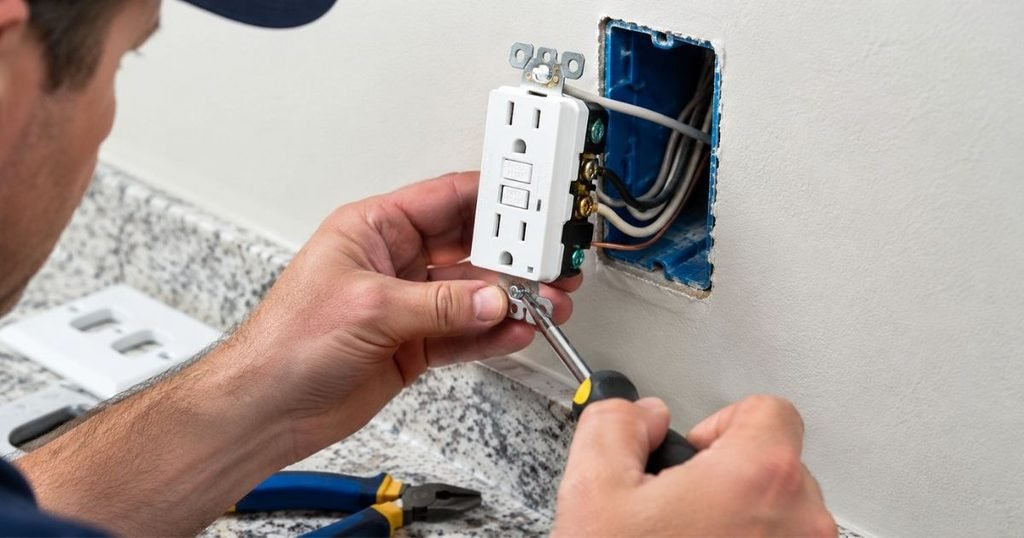
How Much Does It Cost to Install a GFCI Outlet?
The average GFCI outlet cost with labor typically ranges between $150 and $350 per outlet when hired out to a professional electrician. However, the final price depends heavily on the specific scope of work. Replacing an existing two-slot or ungrounded receptacle with a new GFCI is a straightforward swap that leans toward the lower end of the pricing spectrum, while installing a brand-new outlet where no wiring previously existed can push costs higher.
National averages provide a useful baseline, but local labor rates, service call minimums, and home wiring conditions will ultimately dictate your exact quote.
READ MORE: Why Does My Circuit Breaker Keep Tripping? Causes & Safe Fixes
GFCI Installation and Replacement Cost Breakdown
| Project Type | Estimated Installed Cost (Range) | Description |
| Replace an existing standard outlet with a GFCI | $125 – $250 | Swapping a standard receptacle where wiring and a box are already present. |
| Replace an existing GFCI outlet | $100 – $200 | Removing a failed, older GFCI unit and installing a modern replacement. |
| Install a new GFCI outlet in an existing wall | $250 – $450 | Running new cable from a nearby power source, cutting drywall, and installing a new box. |
| Install an outdoor GFCI outlet | $200 – $500+ | Weather-resistant device, weatherproof box and cover, exterior wall penetration, and sealing. |
| Install several GFCI outlets during one visit | $100 – $200 per additional unit | Economy of scale when an electrician performs multiple receptacle upgrades during a single service call. |
| Install a GFCI circuit breaker instead | $250 – $600 | Panel-level protection covering an entire circuit rather than individual locations. |
National averages differ among estimating services because some contractors factor trip fees into individual item prices, while others bill an hourly rate plus a separate diagnostic fee. Local electrician quotes may fall outside these published ranges based on regional labor markets and specific home requirements.
GFCI Outlet Cost by Type
Not all electrical receptacles are identical. Selecting the appropriate device ensures compatibility with your home’s wiring, meets current safety codes, and provides long-term reliability.
1. Standard 15-Amp GFCI Outlet
The standard 15-amp GFCI receptacle is the most common device found in residential properties. It is designed for standard household circuits operating at 120 volts and is typically found in bedrooms, living rooms, and general-purpose areas where moisture protection is required nearby. The device-only cost ranges from $15 to $25, while total installed costs average $125 to $250.
2. 20-Amp GFCI Outlet
A 20-amp GFCI receptacle features a small T-slot on one side to accommodate heavy-duty appliance plugs. These are required in kitchens, laundry rooms, and garages where high-draw appliances operate. Homeowners should never select amperage based on appearance alone; the outlet must match the circuit wiring and breaker rating. The device-only price runs $20 to $35, with installed costs ranging from $150 to $300.
3. Weather-Resistant Outdoor GFCI Outlet
Exterior locations require specialized hardware. Weather-resistant (WR) GFCI outlets are built with corrosion-resistant internal components and UV-stabilized plastics to withstand temperature swings, rain, and humidity. These must always be paired with a heavy-duty “in-use” weatherproof cover (bubble cover). Device costs range from $25 to $45, and because of exterior wall penetration and weatherproofing labor, the outdoor GFCI outlet installation cost typically ranges from $200 to $500.
4. Tamper-Resistant, Smart, and Specialty GFCI Outlets
Modern building codes require tamper-resistant (TR) shutters built into standard outlets to prevent children from inserting foreign objects. Specialty options also include smart GFCI outlets that integrate with home automation or feature audible alarms, as well as combination GFCI/USB receptacles. Device prices for these specialty items range from $30 to $70+, increasing overall material expenses.
| Device Type | Device-Only Cost | Primary Intended Application | Additional Installation Considerations |
| 15-Amp Standard | $15 – $25 | General residential areas, bathrooms | Must match existing 15A wiring and breaker. |
| 20-Amp Heavy Duty | $20 – $35 | Kitchens, laundry rooms, garages | Required for 20A dedicated or heavy-load circuits. |
| Weather-Resistant (WR) | $25 – $45 | Patios, decks, exterior walls | Requires a weatherproof “in-use” cover and exterior sealing. |
| Tamper-Resistant (TR) | $20 – $35 | Family homes, children’s rooms | Built-in safety shutters block foreign objects. |
| Smart / Specialty | $40 – $75+ | Automation setups, specialized utility spaces | May require compatible apps or deeper electrical boxes. |
READ MORE: Electrical Breaker Box Installation: Costs & Permits
GFCI Outlet Installation Labor Cost
Understanding how electricians structure their pricing helps demystify the final bill. The GFCI outlet installation labor cost is rarely billed at a flat device rate alone; instead, it incorporates several standard service overheads.
Hourly Rates and Service Call Minimums
Most residential electricians charge an hourly rate ranging from $75 to $150 per hour, alongside a standard service call or trip fee of $75 to $200. This trip fee covers travel time, initial diagnostics, and truck stock. Because of this minimum charge, having a single GFCI outlet replaced can feel disproportionately expensive on an hourly basis. To maximize value, many homeowners bundle multiple electrical tasks such as installing ceiling fans, replacing light switches, or upgrading several outlets into a single visit.
Time Required for Installation
- Straightforward Replacement: A qualified electrician can typically replace an existing receptacle with a GFCI in 15 to 30 minutes, assuming the wiring is modern, clean, and correctly configured.
- New Installation: Running a new cable, cutting drywall, installing an old-work electrical box, and connecting to a power source can take 1 to 2 hours per location.
Factors Influencing Labor Time
Inaccessible wiring, cramped electrical boxes, lack of an equipment grounding conductor in older homes, or unexpected wiring faults discovered during testing will extend labor time. A quick physical swap can turn into a complex troubleshooting job if previous DIY modifications or loose wire nuts are uncovered behind the wall.
Cost to Replace a GFCI Outlet vs. Install a New One
It is helpful to distinguish between replacing an existing GFCI and installing an entirely new one in a location where none previously existed.
Replacing a compatible existing receptacle is faster, cleaner, and less expensive. The wiring, electrical box, and cable routing are already established. The electrician simply powers down the circuit, pulls out the old device, verifies line and load connections, attaches the new GFCI, and tests it.
Conversely, installing a new outlet involves opening drywall, mounting a secure electrical box, running NM-cable (Romex) back to an existing junction box or the main breaker panel, and patching the wall afterward (drywall repair is rarely included in an electrician’s quote). This structural work explains why a new installation costs significantly more than a simple replacement.
GFCI Outlet Installation Cost by Location
The room or area where the installation takes place directly influences project complexity and pricing.
Bathroom GFCI Outlet Installation Cost
Bathrooms are primary zones for moisture and water exposure. A bathroom GFCI outlet installation cost typically ranges from $125 to $275 for a replacement, or up to $400 if new wiring must be pulled from an adjacent room. Older bathrooms may feature ungrounded two-slot receptacles that require careful evaluation to ensure compliance with current safety codes.
Kitchen GFCI Outlet Installation Cost
Kitchen countertops require multiple 20-amp GFCI protected circuits located near sinks, coffee makers, and countertop appliances. A kitchen GFCI outlet installation cost generally runs between $150 and $300 per location. Electricians must navigate tile, backsplashes, and dense appliance wiring configurations, which can add minor labor overhead.
Garage and Basement GFCI Outlet Installation Cost
Unfinished basements, crawl spaces, and garages present damp environments where GFCI protection is strictly mandated. Because these areas often feature exposed wiring, surface-mounted conduit, or older electrical panels, installation costs range from $150 to $350. Working in damp or unconditioned spaces also requires weather-rated or ruggedized boxes.
Outdoor GFCI Outlet Installation Cost
Exterior installations require drilling through exterior brick, siding, or stucco, installing weatherproof gaskets, running conduit if surface-mounted, and utilizing weather-resistant devices. This complexity pushes the outdoor GFCI outlet installation cost to between $200 and $500+ per location.
READ MORE: Electrical Fuse Box vs. Circuit Breaker: Safety & Cost
What Factors Affect the Cost to Install a GFCI Outlet?
When requesting quotes, several variables will influence the final estimate provided by your contractor:
- Existing Wiring Condition: Damaged, brittle, or aluminum wiring requires special pigtailed connectors or remediation before a GFCI can be safely installed.
- Installation Location: Hard-to-reach areas, high ceilings, cramped crawl spaces, or finished exterior masonry increase labor time.
- Number of Outlets: Electricians frequently offer volume discounts when upgrading multiple devices during the same service call.
- Distance from Power Source: For new installations, longer cable runs from the electrical panel or nearest junction box increase material and labor expenses.
- Electrical Panel Condition: If your breaker panel lacks physical space, is outdated (such as obsolete split-bus or recalled brands), or requires a dedicated breaker upgrade, costs will rise.
- Permits and Inspection Fees: Local municipal requirements for new electrical work can add permit and filing fees ranging from $50 to $150.
Does Installing One GFCI Outlet Protect Other Outlets?
A common point of confusion among homeowners is whether every single outlet in a room needs its own expensive GFCI device. The answer is no, provided the wiring is configured correctly.
A single GFCI receptacle features two sets of screw terminals: LINE (incoming power from the breaker) and LOAD (outgoing power to downstream receptacles). When an electrician wires standard receptacles “downstream” from the LOAD terminals of a properly installed GFCI receptacle, that single device provides ground-fault protection to all the standard outlets further along that same circuit branch.
This method saves money on hardware, but it requires careful testing to ensure downstream outlets are correctly protected and labeled. Homeowners should ask their electrician if an existing device can protect downstream locations before purchasing multiple specialized units. Do not attempt to reconfigure daisy-chained circuits without professional electrical knowledge.
READ MORE: Best Portable Solar Power Generators Kit: Review, Comparison & Buying Guide
GFCI Outlet vs. GFCI Circuit Breaker: Which Costs Less?
When protecting an entire circuit or multiple problem areas, homeowners can choose between installing individual GFCI receptacles or a single GFCI circuit breaker at the main electrical panel.
| Feature | GFCI Receptacle | GFCI Circuit Breaker |
| Device Cost | $15 – $45 | $50 – $150+ |
| Installation Labor | Low to moderate ($100 – $250) | Moderate to high (requires panel work) |
| Scope of Protection | Single location plus downstream outlets | Entire circuit connected to that breaker |
| Panel Compatibility | Universal (fits any standard box) | Must match the specific brand and age of your electrical panel |
| Reset Accessibility | Located at the wall outlet | Located at the main breaker panel (often in the garage or basement) |
While a GFCI breaker protects every outlet on a circuit simultaneously, the breaker hardware is more expensive, and working inside an energized electrical panel carries severe safety risks that demand a licensed professional. Receptacles offer the advantage of easy, accessible testing and resetting right where you plug in your devices.
Do You Need a Permit to Install a GFCI Outlet?
Permit requirements vary depending on your local authority having jurisdiction (AHJ), municipal building codes, and the exact scope of your project.
- Straightforward Replacement: In many municipalities, swapping an existing receptacle with a new GFCI device as routine maintenance does not require a formal permit.
- New Installations or Circuit Extensions: Running brand-new wiring, adding new electrical boxes, or installing circuits from the breaker panel almost always requires a permit and a subsequent electrical inspection to ensure compliance with the National Electrical Code (NEC).
Always check with your local building department or ask your licensed electrician whether a permit is required for your specific project scope.
Where Are GFCI Outlets Required in a Home?
The National Electrical Code (NEC) has steadily expanded GFCI protection requirements over the decades to safeguard homeowners from electrical shock. Current codes mandate GFCI protection in areas where water and electrical current are in close proximity, including:
- Bathrooms: All 125-volt through 250-volt receptacles.
- Kitchens: All countertop receptacles serving food preparation surfaces.
- Garages and Accessory Buildings: All general-purpose receptacles.
- Basements and Crawl Spaces: Unfinished areas and damp spaces.
- Outdoor Spaces: All exterior receptacles.
- Laundry Areas: Receptacles located within six feet of washing machines, sinks, or utility basins.
If your home was built decades ago, it may not meet current safety standards. A licensed electrician can evaluate your home’s electrical layout and recommend necessary upgrades.
Can You Install a GFCI Outlet Yourself?
While replacing a standard outlet might seem like a simple DIY project, electrical work carries inherent risks of severe shock, electrocution, and electrical fires.
A DIY installation requires correctly identifying hot, neutral, and ground wires, distinguishing between LINE and LOAD terminals on the GFCI device, and ensuring the circuit is fully de-energized before touching any wires. Making a mistake with line and load connections can leave downstream outlets unprotected without the homeowner realizing it.
When to hire a professional: You should always hire a licensed, qualified electrician if you are working with older wiring, ungrounded circuits, unfamiliar panel configurations, outdoor installations, or if you suspect underlying electrical faults. Never attempt to work on energized electrical equipment.
READ MORE: Outlet Installation: Costs, Types & When to Hire a Pro
How to Save Money on GFCI Outlet Installation
If you want to manage your home improvement budget effectively while ensuring electrical safety, consider these practical strategies:
- Request Itemized Quotes: Obtain written estimates from at least two or three licensed electricians to compare labor rates and service call fees.
- Bundle Electrical Projects: Combine your GFCI installation with other minor electrical repairs so you only pay the trip fee once.
- Clarify Inclusions: Confirm whether the quoted price covers the device, hardware, labor, cleanup, and any permit fees.
- Address Root Causes: If an outlet keeps tripping, do not simply swap the device repeatedly. Have an electrician diagnose the underlying circuit fault to prevent repeat service calls.
- Focus on Quality: Avoid purchasing the cheapest unbranded devices online; choose reputable, UL-listed electrical hardware that offers reliable safety performance.
Example GFCI Outlet Installation Estimates
To help you visualize potential expenses, here are three realistic, illustrative sample scenarios. These are not guaranteed quotes or national averages, but practical examples based on typical residential project scopes.
Scenario 1: Replacing One Existing Bathroom Receptacle
- Scope: Swap an old, worn two-slot receptacle in a bathroom with a new 15-amp GFCI outlet. Wiring and box are in good condition.
- Device & Materials: $20
- Labor & Service Call Fee: $125
- Permit Fee: $0 (routine replacement)
- Estimated Total: $145
Scenario 2: Installing a New Outdoor GFCI Outlet
- Scope: Run a new weather-resistant GFCI outlet on an exterior patio wall, including drilling through brick, mounting an exterior box, and installing an in-use cover.
- Device & Materials: $55
- Labor & Service Call Fee: $275
- Permit / Inspection Fee: $50
- Estimated Total: $380
Scenario 3: Multiple Outlet Upgrades (Kitchen and Garage)
- Scope: Replace three older receptacles across the kitchen and garage with modern 20-amp tamper-resistant GFCI outlets during a single service visit.
- Device & Materials: $90
- Labor & Service Call Fee (Volume Rate): $320
- Permit Fee: $0
- Estimated Total: $410
How to Choose the Right Electrician for GFCI Installation
Hiring a reliable professional ensures your electrical upgrades comply with local building codes and protect your household safely. Evaluate potential contractors using the following criteria:
- Licensing and Insurance: Verify that the electrician holds a valid state or local electrical contractor license and carries active liability and workers’ compensation insurance.
- Transparent Estimates: Look for contractors who provide clear, itemized written estimates detailing device costs, labor charges, and scope of work.
- Warranty and Guarantees: Inquire whether the electrician offers a workmanship warranty on their installation labor.
- Questions to Ask Before Starting:
- Does your quote include troubleshooting if unexpected wiring issues are found?
- Will this installation provide downstream protection to other outlets on the circuit?
- Are permits and post-installation inspections included in this estimate?
Frequently Asked Questions
How much does it cost to install a GFCI outlet?
The total installed cost typically ranges from $150 to $350 per outlet. Replacing an existing receptacle is generally more affordable ($125 to $250), while running new wiring in an unserved location costs more ($250 to $450+).
How much does an electrician charge to replace a GFCI outlet?
Electricians usually charge an hourly rate of $75 to $150, combined with a service call trip fee of $75 to $200. For a standard outlet swap that takes less than an hour, the final invoice typically ranges between $125 and $250 including the device.
Is it cheaper to install a GFCI outlet or a GFCI breaker?
Installing an individual GFCI receptacle is usually less expensive upfront in terms of hardware and labor. A GFCI circuit breaker provides panel-level protection for an entire circuit but involves higher device costs and requires professional panel work.
How much does it cost to install an outdoor GFCI outlet?
An outdoor GFCI outlet installation typically costs between $200 and $500. The price reflects specialized weather-resistant devices, heavy-duty in-use covers, exterior wall penetrations, sealing, and potential conduit runs.
Can I replace a regular outlet with a GFCI outlet myself?
While some experienced homeowners swap receptacles independently, electrical work carries serious shock and fire risks if miswired. Incorrectly connecting line and load terminals can leave downstream outlets unprotected. Professional installation is strongly recommended for safety and code compliance.
Final Thoughts
Investing in GFCI outlet protection is one of the most effective ways to safeguard your home and family against electrical shock hazards in moisture-prone areas. While the cheapest estimate might seem appealing initially, prioritizing proper equipment selection, code compliance, and professional craftsmanship delivers superior long-term value and peace of mind.
If you are planning electrical upgrades in your home, reach out to a licensed, qualified residential electrician in your area to request an itemized quote, verify your home’s wiring condition, and ensure all installations meet applicable local codes.
Sources and Further Reading
- Electrical Safety Foundation International (ESFI): GFCI Safety Guidelines and Residential Electrical Safety Statistics.
- National Fire Protection Association (NFPA): National Electrical Code (NEC) standards regarding ground-fault circuit interrupter protection in residential buildings.
- U.S. Consumer Product Safety Commission (CPSC): Home Electrical Safety Publications and Receptacle Replacement Guidance.
- Home Improvement Cost Research Publications: National residential contractor labor rate benchmarks and regional material cost surveys.
Disclaimer: Electrical safety is critical. This article is for informational and educational purposes only and does not constitute professional electrical engineering advice. Working with home electrical systems involves inherent risks of severe shock, electrocution, and fire. If you observe burning odors, sparking, unusual heat, or repeated breaker trips, immediately keep away from the affected equipment and contact a qualified, licensed electrician or emergency services.

Pingback: GFCI vs. AFCI: Differences, Uses, Costs, and Safety - Plumbing Guider