Finding the right smart thermostat can feel like a chore. You probably know the big names like Nest or ecobee. But if you have a specific heating setup like underfloor heating or a boiler you might have heard of Heatmiser.
Heatmiser is a UK-based brand that has built a massive reputation for precision heating control. While they are a “newer” name to some U.S. homeowners, they offer some of the most robust zoning features on the market.
This guide breaks down what Heatmiser offers, how it stacks up against U.S. favorites, and whether it belongs in your home. Lets deep dive into “Heatmiser Thermostat Review & U.S. Buying Guide (2026)”
READ MORE: Best Honeywell Thermostat Models (2026): Buyer’s Guide & Comparison

What are Heatmiser Thermostats?
Heatmiser specializes in smart heating controls. Unlike some brands that try to do everything, Heatmiser focuses on making sure your home stays at the exact temperature you want.
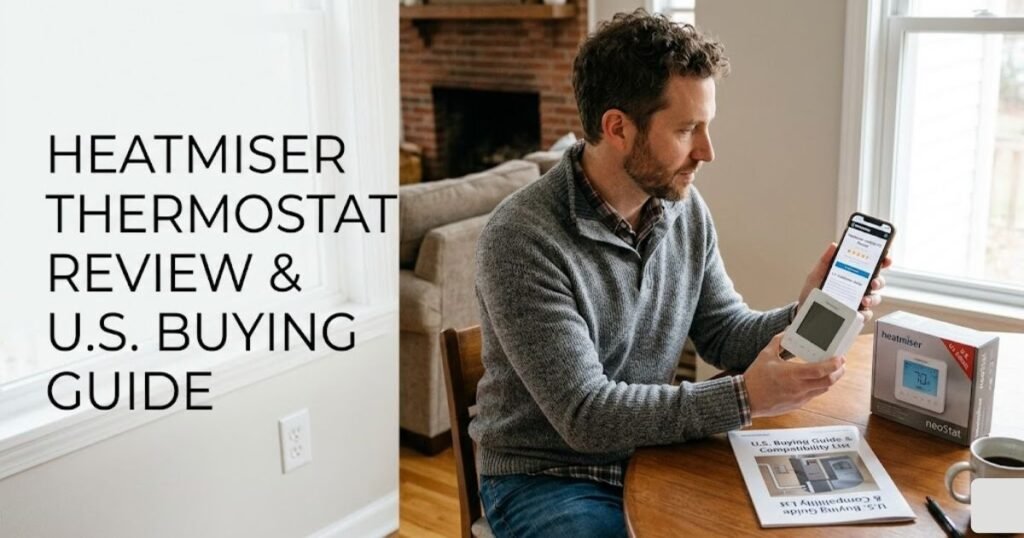
Their flagship line is the Neo system. This includes the neoStat (wired) and the neoAir (wireless). These devices are designed to work together through a central “brain” called the neoHub.
In the U.S., most thermostats are designed for “forced-air” systems. That is where a furnace blows hot air through vents. Heatmiser, however, excels at hydronic heating. If you have radiators or heated floors, Heatmiser was built specifically for you.
How Heatmiser Thermostats Work
Most U.S. smart thermostats are “all-in-one” units. You buy one, hook it to the wall, and connect it to Wi-Fi. Heatmiser works a bit differently.
The Mesh Network
The Neo system uses a mesh network. Each powered thermostat acts as a signal repeater. This means the more thermostats you have, the stronger the connection becomes. This is a lifesaver for large homes where Wi-Fi might not reach every corner of the basement or second floor.
The neoHub
To get smart features like smartphone control or Alexa integration, you need the neoHub. This plugs into your router. It talks to the thermostats using a low-frequency signal. This keeps your Wi-Fi from getting bogged down by dozens of smart devices.
Multi-Zone Logic
This is where Heatmiser shines. Most U.S. homes have one or two zones. Heatmiser is designed for homes with many zones. You can have a different thermostat in every single room, all controlled from one app.
READ MORE: Best Programmable Thermostats (2026) | Top Rated Reviews

Who is a Heatmiser Thermostat Best For?
Not every home needs a Heatmiser. Here is who should consider one:
- Homeowners with Underfloor Heating: Heatmiser is arguably the king of radiant floor control. They have specific settings to prevent your floors from overheating.
- People with Large, Multi-Zone Homes: If you want 10 different rooms to have 10 different temperatures, this system is built for that.
- Smart Home Enthusiasts: If you use Apple HomeKit, Google Home, or Alexa, Heatmiser fits right in.
- Renovators: If you are tearing out floors or putting in a new heating system, it is the perfect time to install Heatmiser wiring.
Best Features and Smart-Home Support
Heatmiser might be “heating-first,” but it is definitely a “smart” brand. Here is what you get:
1. Apple HomeKit, Alexa, and Google Home
This is a “Big Three” winner. Many European brands struggle with HomeKit, but Heatmiser supports it fully. You can tell Siri to “turn up the heat in the kitchen,” and it just works.
2. Geofencing
The app knows when you leave the house. It can automatically turn the heat down to save money. When you get within a few miles of home, it kicks back on. You never have to walk into a cold house.
3. “Hold” and “Holiday” Modes
If you are having a party, you can set a “Hold” for a few hours. If you are going to Hawaii for a week, “Holiday” mode keeps the pipes from freezing without wasting energy.
4. Aesthetics
The neoStat is sleek. It has a glass-fronted look that sits flush against the wall. It looks more like a high-end light switch than a bulky plastic box.
Heatmiser Thermostat Cost Breakdown
When looking at Heatmiser, you have to account for the exchange rate and shipping if buying from international sellers, though many U.S. specialty HVAC retailers now stock them.
Here is a snapshot of current pricing for Heatmiser and its main U.S. competitors:
- Heatmiser neoStat V3: around £69.99 (approx. $88.00)
- Heatmiser neoAir V3: around £61.59 (approx. $78.00)
- Google Nest Thermostat: $99.99
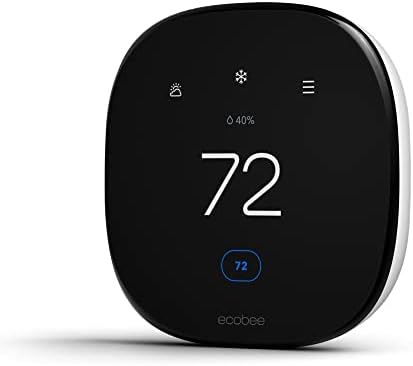
- ecobee Smart Thermostat Essential: $139.99
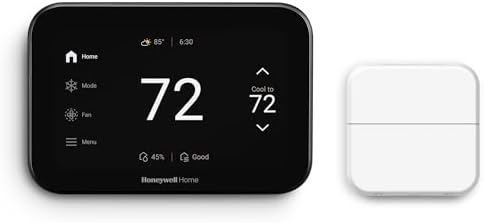
- Honeywell Home T5: $99.99
Note: Prices vary by seller and model. Always check for the latest deals. Remember that for Heatmiser, you will likely also need a neoHub, which usually costs around £120 ($150).
READ MORE: How to Test a Water Heater Thermostat — Easy DIY Guide
Heatmiser vs. Honeywell vs. Google Nest vs. Ecobee vs. Sensi
How does Heatmiser compare to the brands you see at Home Depot or Lowe’s? Use this table to see the differences at a glance.
| Brand / Model | Best for | Smart-home support | Approx. current price | Main strength | Main drawback |
| Heatmiser neoStat / neoAir | Multi-zone & Underfloor heat | HomeKit, Alexa, Google | $80 – $90 (+ Hub) | Precise zoning control | Needs a hub for smart features |
| Google Nest Thermostat | Simplicity & Budget | Google Home, Alexa | $99.99 | Easy to use / AI learning | No native HomeKit support |
| ecobee Smart Thermostat | Comfort & Sensors | HomeKit, Alexa, Google | $139.99 | Remote room sensors | Can be pricey for many zones |
| Honeywell Home T5 | Reliability | Alexa, Google, HomeKit | $99.99 | Simple, rugged design | Not the “prettiest” app |
| Sensi Smart Thermostat | Easy DIY Install | Alexa, Google, HomeKit | $85.00 | Works with no C-wire (most) | Very basic interface |

Pros and Cons of Heatmiser Thermostat
Every device has its trade-offs. Here is the honest truth about Heatmiser for a U.S. audience.
Pros
- Advanced Control: You get much deeper settings for heating cycles than a standard Nest.
- Strong Mesh Network: Great for big houses with thick walls where Wi-Fi fails.
- HomeKit Compatible: A rare find for European-style heating controllers.
- Design: Modern, slim, and attractive on the wall.
- Zoning: Built from the ground up for homes with multiple thermostats.
Cons
- Market Presence: Less familiar to U.S. HVAC techs. You might have to explain it to your local plumber.
- Availability: Harder to find in local hardware stores compared to Honeywell or Nest.
- Setup Complexity: Managing a Hub and multiple zones is more complex than a single-unit install.
- Voltage Differences: You must ensure you are buying the correct model for your system’s voltage (e.g., 24v vs 230v).
READ MORE: Heat Pump vs AC: Which Is Better for U.S. Homeowners?
Heatmiser Thermostat Installation, Wiring, and When to Call a Pro
This is the most important section for U.S. buyers. Pay attention to your wiring.
The Voltage Gap
Most U.S. HVAC systems use 24V (low voltage). Many European systems use 230V (mains voltage). Heatmiser makes models for both, but you must be careful.
- If you buy a 230V neoStat and hook it to a 24V U.S. furnace, it won’t work.
- If you have a hydronic (water-based) system, you might have line voltage.
The C-Wire Requirement
Like most smart thermostats, the wired neoStat needs power. In the U.S., we call this the C-wire (Common wire). If you are replacing an old “dumb” thermostat that only has two wires, you might need to pull new wire or use the wireless neoAir version.
When to Call a Pro
If you see thick wires and wire nuts (like a light switch), you are dealing with high voltage. Stop. Call an electrician. If you have a complex boiler with five different zones, call an HVAC pro who understands “zone valves.”
If you are just swapping a standard 24V thermostat and you have a C-wire, a confident DIYer can handle it.
Energy Savings and Comfort Control
The whole point of a smart thermostat is to save money without being cold. Heatmiser does this through Optimum Start.
What is Optimum Start?
Most thermostats turn on at the time you tell them to. If you want it warm at 7:00 AM, it starts heating at 7:00 AM. That means you are cold until 7:30 AM.
Heatmiser learns how long your house takes to warm up. If it’s a freezing day, it might start at 6:00 AM. If it’s a mild day, it might start at 6:45 AM. You are always warm exactly when you want to be.
Better Zoning = Better Savings
In a typical U.S. home, if you want the bedroom warm, you have to heat the whole house. With Heatmiser’s multi-zone focus, you can keep the guest rooms at 60°F while the master bedroom stays at 70°F. This can shave 10-20% off your heating bill.
READ MORE: How to Increase Hot Water Pressure in the Whole House
Who Should Buy a Heatmiser Thermostat?
The “Go For It” Group
If you are building a custom home with radiant floor heating, Heatmiser is a top-tier choice. It is also perfect for homeowners who love the Apple ecosystem and want a sleek, modern look that doesn’t look like a “gadget.”
The “Think Twice” Group
If you have a standard U.S. apartment or a small house with one central furnace and AC unit, a Google Nest or ecobee is probably easier. Those brands are designed for the “one-stat” American setup. They are also easier to find at the store if a part breaks.
The “Tech Enthusiast”
If you want total control and like tinkering with mesh networks and smart home hubs, Heatmiser is incredibly rewarding. It offers a level of “set it and forget it” logic that many cheaper brands lack.
FAQ
What is a Heatmiser thermostat used for?
Heatmiser thermostats are primarily used to control heating systems, especially underfloor heating and multi-zone radiator systems. They allow you to set specific temperatures for different rooms in your house through a single app.
Is Heatmiser thermostat compatible with Google Home and Alexa?
Yes. The Heatmiser Neo system works natively with Google Home, Amazon Alexa, and Apple HomeKit. You will need the neoHub to enable these smart features.
How much does a Heatmiser thermostat cost?
A single neoStat usually costs around $80 to $90 (£69.99). However, you also need to factor in the cost of the neoHub (around $150) to use the smart features and the app.
Do you need a hub for a Heatmiser thermostat?
For the basic thermostat function, you do not need a hub. However, to use the smartphone app, Alexa, Google Home, or geofencing, the neoHub is required.
Is a Heatmiser thermostat worth it for U.S. homeowners?
It is worth it if you have a hydronic heating system or multiple zones. If you have a standard central air/heat system, U.S. brands like Nest or ecobee may be easier to install and support.
Conclusion
The Heatmiser thermostat is a powerful, stylish tool for the right home. While it requires a bit more planning than a “plug-and-play” Nest, the rewards are worth it. You get professional-grade zoning, beautiful hardware, and a system that actually understands how to heat a home efficiently.
Before you buy, check your wiring and your heating type. If you have pipes full of hot water running through your floors or walls, Heatmiser might just be the best upgrade you ever make for your home comfort.


Pingback: Honeywell Thermostat Not Turning On Heat? Causes, Fixes & Troubleshooting Guide - Plumbing Guider