Energy bills keep climbing, and that old water heater rumbling in your basement isn’t getting any younger. Maybe you’re renovating a bathroom, building a new home, or just tired of running out of hot water halfway through laundry day. Whatever brought you here, you’ve probably landed on two names: tankless water heater and combi boiler.
Picking the wrong one isn’t a small mistake. Between equipment, labor, venting, and gas or electrical upgrades, a bad match can cost you thousands of dollars in wasted installation work or leave you with a system that can’t keep up with your family’s needs.
This guide breaks down the real differences between a tankless water heater vs combi boiler, using current U.S. installation trends, ENERGY STAR efficiency standards, and manufacturer data. By the end, you’ll know how each system works, what it costs to buy and run, how long it lasts, and which one actually fits your home. Lets deep dive into “Tankless Water Heater vs. Combi Boiler: Which Is Right for You?”
READ MORE: Best Tankless Water Heater — Top Picks, Costs & Buyer’s Guide
What Is a Tankless Water Heater?
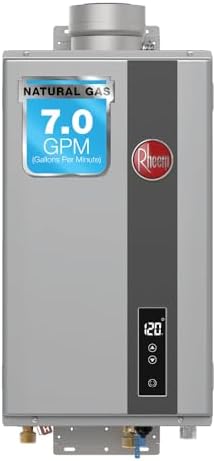
A tankless water heater also called an on-demand or instantaneous water heater heats water only when you turn on a faucet or start the shower. There’s no storage tank sitting around keeping 40 or 50 gallons hot all day. Instead, cold water runs through a heat exchanger, gets heated in seconds, and comes out the other end ready to use.
This “heat it as you go” approach is the whole point of a tankless water heater for home use. You’re not paying to keep a tank of water hot at 2 a.m. when nobody’s using it. That standby energy loss is one of the biggest sources of waste in a traditional tank system.
Tankless units come in two main types:
- Gas tankless water heaters – Use natural gas or propane and a burner to heat water fast. They handle higher flow rates and work well for larger households.
- Electric tankless water heaters – Use heating elements instead of a flame. They’re simpler to install but need serious electrical capacity, which is why they’re more common in smaller homes or single-point applications like a remote bathroom.
Major components include:
- A flow sensor that detects when water starts moving
- A heat exchanger that transfers heat to the water
- A burner (gas models) or electric heating elements
- A digital control board for temperature settings
- Venting (for gas models) to safely remove exhaust
Most quality gas tankless units are rated to last 15 to 20+ years, according to plumbing industry sources, especially with annual descaling in areas with hard water. That’s noticeably longer than a typical tank water heater, which often needs replacing after 8 to 12 years.
What Is a Combi Boiler?
A combi boiler short for combination boiler is a single appliance that does two jobs most homes handle with separate equipment. It provides domestic hot water (for showers, sinks, and dishwashers) and it also powers your home’s space heating through a hydronic system.
Unlike a standard boiler paired with a tank, a combi boiler heats water on demand for both jobs, without a separate storage tank. That’s a big reason many modern U.S. homeowners in colder states are drawn to it: one box, mounted on a wall, replacing what used to take a furnace, a tank, and extra floor space.
Combi boilers work with several types of hydronic heating, including:
- Radiant floor heating – Warm water circulates through tubing under the floor, a favorite in new construction and remodels.
- Baseboard heating – Water flows through baseboard units along exterior walls.
- Radiators – The classic hydronic setup, especially common in older Northeast and Midwest homes.
Modern combi boilers almost always use condensing technology, which captures extra heat from exhaust gases that older boilers simply vented outside. That’s the difference between a boiler running in the 80% efficiency range and one hitting 95% or higher AFUE.
Homeowners in cold climates often prefer combi boilers because hydronic heat tends to feel more even than forced air, and pairing it with on-demand hot water means fewer appliances to install, service, and eventually replace.
READ MORE: Weil‑McLain Boiler Reviews — Models, Costs, Pros & Cons
Key Difference Between Tankless Water Heater and Combi Boiler
| Category | Tankless Water Heater | Combi Boiler |
| Primary purpose | Domestic hot water only | Hot water + home space heating |
| Water heating | Yes, on demand | Yes, on demand |
| Home heating | No | Yes (hydronic) |
| Installation complexity | Moderate | High |
| Fuel type | Natural gas, propane, or electric | Natural gas or propane (mostly) |
| Efficiency | UEF 0.82–0.96+ | AFUE 90–98.5% |
| Typical lifespan | 15–20+ years | 10–15 years (up to ~20 with top care) |
| Maintenance | Annual descaling, filter cleaning | Annual full-system service |
| Space requirements | Small, wall-mounted | Small to moderate, wall-mounted |
| Best use case | Homes with forced-air HVAC | Homes with radiant floors, radiators, or baseboards |
| Initial investment | Lower | Higher |
| Operating costs | Generally lower | Can be efficient but varies with heating load |
| Flow rate | Limited by unit’s GPM rating | Similar GPM limits, shared with heating demand |
| Hot water delivery | Fast, endless while running | Fast, endless, but shares capacity with heating |
| Climate suitability | Good in all climates for water only | Excellent in cold climates needing whole-home heat |

- ✅ Simultaneous domestic hot water and heating
- ✅ Superior temperature stability for domestic hot water
- ✅ Noritz accessory
How Each System Works
Tankless Water Heater
When you pull the handle on your master bathroom shower, a sequence occurs:
- Detection: Cold water rushes into the bottom intake pipe of the tankless unit. The internal flow sensor spins, signaling the master control board that hot water is required.
- Ignition: The internal fan spins up to vent air, and the gas valve opens. An electronic spark ignites the gas burner, or electric relays activate heavy-duty coils.
- Heat Transfer: Cold water snakes through the narrow, coiled copper or stainless-steel channels of the heat exchanger. The raging flame heats the outer walls of these pipes, warming the water instantly as it moves.
- Modulation: If you turn on a second sink faucet, the flow sensor spins faster. The control board automatically increases the gas flame or wattage to keep the water temperature steady.
Combi Boiler
A combi boiler operates using a clever internal component called a three-way switching valve. This valve gives priority to your hot water faucets over your home heating loops:
- Space Heating Mode: During cold winter months, the boiler spends most of its time keeping your house comfortable. It fires its burner to heat water inside its closed hydronic loop, using an internal pump to move that hot fluid through your radiant floors or baseboard radiators. This water stays inside a sealed, re-circulating loop and never mixes with your drinking water.
- Domestic Priority Mode: The instant you turn on a kitchen faucet or washing machine, the boiler’s internal domestic flow sensor registers the demand.
- The Switch: The three-way switching valve instantly shifts position. It temporarily stops routing hot water to your home’s radiators and redirects that extreme thermal energy into an internal plate-to-plate heat exchanger.
- On-Demand Water Delivery: Fresh, cold city or well water runs past one side of that internal plate heat exchanger while the boiler’s scorching internal heating fluid runs down the other side. Heat passes effortlessly through the metal plates, flash-heating your domestic tap water. When you shut off the tap, the valve clicks back, and the unit resumes heating your floors.
READ MORE: AO Smith vs. Rheem Water Heaters: Comparison & Expert Reviews
Pros of Tankless Water Heater
- Endless hot water as long as you stay within the unit’s flow rate
- Small, wall-mounted footprint that frees up floor space
- Lower standby heat loss compared to storage tanks
- Longer average lifespan than tank water heaters
- Noticeable energy savings for smaller households
- Works independently of your heating system
- Great fit for homes that already have forced-air HVAC and no hydronic heating
Cons of Tankless Water Heater
- Higher upfront installation cost than a standard tank
- Flow-rate limits mean multiple simultaneous uses can strain the unit
- Older homes may need a gas line upgrade to supply enough BTUs
- Needs annual flushing or descaling, especially with hard water
- Performance depends heavily on correct sizing for your household
- Some homeowners notice a short delay before hot water reaches distant fixtures
Pros of Combi Boiler
- One appliance handles both water and space heating
- Frees up significant space compared to a furnace, tank, and boiler setup
- High efficiency with modern condensing designs
- Excellent option for radiant floor heating, baseboards, and radiators
- Strong winter performance in cold climates
- Fewer total appliances to install, vent, and eventually replace
- Lower long-term maintenance versus running two completely separate systems
Cons of Combi Boiler
- Higher purchase price than a standalone tankless unit or tank heater
- Only makes sense if you already have (or plan to install) hydronic heating
- Installation is more complex and usually needs both plumbing and HVAC expertise
- Correct sizing is critical an undersized unit will shortchange either heat or hot water
- Very high simultaneous hot water demand (multiple showers plus laundry) can be a challenge if the unit isn’t sized generously
READ MORE: Combi Boiler Installation Cost: USA Homeowner Pricing Guide

- Fans Placed Underneath: It will be more secure in terms of safety, and no smoke backflow will occur. The blower has larg…
- No Waiting Required: Unlike traditional tank water heaters, tankless water heaters eliminate the need for a 30-minute pr…
- Easy to Assemble and Use: Uses standard 3/4″ NPT water inlet fittings and air inlets for quick installation. Its compact…
Energy Efficiency Comparison
Efficiency ratings for these two systems use different scales, which trips up a lot of homeowners.
Water heaters, including tankless units, are rated using UEF (Uniform Energy Factor).
Boilers, including combi boilers, are rated using AFUE (Annual Fuel Utilization Efficiency). This measures how much of the fuel burned actually turns into usable heat over a full year. Standard boilers historically landed in the 80% range.
| Metric | Tankless Water Heater | Combi Boiler |
| Rating scale | UEF | AFUE |
| Typical efficiency | 0.82–0.96+ | 90–98.5% |
| Technology | Condensing or non-condensing heat exchanger | Condensing (most modern units) |
| Standby heat loss | Very low | Low (no separate hot water tank) |
| Fuel usage pattern | Only fires when water is drawn | Fires for both heating cycles and hot water draws |
| Carbon footprint | Lower per household with efficient gas models | Depends on total heating load and climate |
ENERGY STAR–certified gas tankless water heaters can use up to 50 percent less energy than standard tank units, which is a meaningful number if you’re trying to lower a gas bill without gutting your whole heating system.
One important caveat: a higher efficiency number doesn’t automatically mean lower bills for your specific home. Higher energy factor values don’t always translate into lower annual operating costs, especially when comparing different fuels, so it pays to compare actual EnergyGuide labels side by side rather than efficiency percentages alone.
Installation Cost Comparison
Costs vary a lot by region, home age, and how much existing infrastructure you can reuse. These 2026 ranges reflect typical U.S. installed pricing, not just equipment cost.
| Cost Factor | Tankless Water Heater | Combi Boiler |
| Equipment only | Roughly $1,300–$3,700 | Roughly $2,200–$6,000 |
| Labor | Moderate | Higher (plumbing + HVAC work) |
| Venting | New PVC or stainless venting often required | Included in full system install |
| Gas line upgrades | Common; many homes need a larger line | Common, especially for higher-BTU units |
| Electrical upgrades | Needed for electric tankless models | Usually minimal (circulator pump, controls) |
| Plumbing modifications | Moderate | Extensive, especially for new hydronic loops |
| Permit costs | Typically required | Typically required |
| Total installed range | ~$1,500–$4,500 | ~$3,500–$8,000 |
If you’re weighing a full boiler replacement, know that boiler replacement projects that involve extensive hydronic piping can run higher, sometimes $4,000 to $10,000 or more especially in older homes without existing radiant or radiator infrastructure. That’s why a combi boiler almost never makes financial sense in a house with forced-air ductwork and no hydronic heat already in place.
READ MORE: Best 5 Navien Combi Boiler: Review, Comparison & Cost

Annual Maintenance Comparison
Tankless Maintenance
- Descaling once a year (more often in hard water areas) to prevent mineral buildup on the heat exchanger
- Filter cleaning on the inlet screen to keep sediment out
- Flush intervals — most manufacturers recommend an annual flush using a vinegar solution or descaling kit
- Water quality considerations — homes with hard water should strongly consider a water softener to protect the unit and preserve warranty coverage
Combi Boiler Maintenance
- Boiler inspection annually, including burner and combustion checks
- Pressure checks to catch leaks or a waterlogged expansion tank early
- Heat exchanger cleaning to maintain efficiency
- Expansion tank monitoring, since a failing tank is one of the most common causes of pressure problems
- Annual professional servicing covering the pump, venting, and safety controls
Skipping maintenance costs you either way. On the boiler side, neglecting annual maintenance can reduce efficiency by 5 to 10 percent per year. On the tankless side, hard water scale buildup without regular flushing is one of the fastest ways to shorten a unit’s working life.
Lifespan Comparison
| System Option | Expected Lifespan Range | Primary Cause of Failure |
| Gas Tankless Heater | 15 – 20 Years | Mineral scale clogging or heat exchanger cracking |
| Electric Tankless Heater | 15 – 20 Years | Heating element burnout or electrical relay failure |
| Condensing Combi Boiler | 15 – 20 Years | Internal valve leaks, scaling, or control board failure |
| Old Traditional Storage Tank | 8 – 12 Years | Tank bottom corrosion and structural leaking |
Factors Affecting System Longevity:
- Inbound Water Hardness: If your household water supply has more than 7 grains of hardness per gallon, you must install a whole-house water softener. Without it, your heat exchangers can fail in less than 5 years.
- Combustion Air Purity: If you mount a gas unit near a laundry vent or chemical storage area, the fan will pull corrosive airborne chemicals (like bleach fumes) into the burner chamber, rotting the metal from the inside out.
- Operating Cycle Frequency: Systems that short-cycle (turn on and off rapidly due to improper sizing or tiny, frequent warm-water demands) experience much faster wear and tear on their electronic circuit boards.
READ MORE: Best Natural Gas Boilers for Home Heating: Review & Comparison
Performance During Winter
Cold climates change the math for both systems.
For a tankless water heater, winter means colder incoming groundwater. In northern states, groundwater might enter your home at 40°F or lower, compared to 70°F or higher in southern states. That bigger “temperature rise” the unit has to achieve can reduce the maximum flow rate you get during peak winter months which is why proper sizing for your coldest expected groundwater temperature matters, not just your region’s average.
For a combi boiler, winter is the real test of its dual-duty design. On the coldest days, your home is asking for hydronic heat and hot water at the same time morning showers while the heating loop is running hard. This is exactly the scenario where an undersized combi boiler falls short, leaving someone with a lukewarm shower while the heating system takes priority. Homes in the Northern U.S. relying on combi boilers should size up rather than cut it close, especially in larger households.
Which Homeowners Should Buy a Tankless Water Heater?
A tankless system tends to fit best if you:
- Live in a small to mid-size household without extreme simultaneous hot water demand
- Live in a warmer climate where groundwater temperatures make sizing easier
- Already have forced-air HVAC (furnace and ductwork) for space heating
- Have limited mechanical room space for a tank
- Don’t have and don’t plan to install hydronic (hot water) heating
Which Homeowners Should Buy a Combi Boiler?
A combi boiler is usually the better fit if you:
- Have or want radiant floor heating
- Have existing radiators you’re not planning to remove
- Use baseboard hydronic heating
- Live in a cold climate where even, whole-home heat matters
- Are doing a major remodel or new construction and can plan hydronic infrastructure from the start
- Already have a boiler-based heating system you’re upgrading
READ MORE: Viessmann Boiler Review | Efficiency, Models, Pros & Cons
Side-by-Side Feature Comparison Table
| Feature | Tankless Water Heater | Combi Boiler |
| Heats domestic hot water | Yes | Yes |
| Heats living space | No | Yes |
| Storage tank | None | None |
| Typical fuel | Gas, propane, or electric | Gas or propane |
| AFUE/UEF range | 0.82–0.96+ UEF | 90–98.5% AFUE |
| Average installed cost | $1,500–$4,500 | $3,500–$8,000 |
| Lifespan | 15–20+ years | 10–15 years (up to ~20) |
| Footprint | Small, wall-mounted | Small to moderate, wall-mounted |
| Ideal home type | Forced-air HVAC homes | Hydronic heating homes |
| Simultaneous demand handling | Limited by GPM rating | Limited by GPM and shared heating load |
| Best climate fit | All climates for water heating | Cold climates needing whole-home heat |
| Venting needed | Yes, for gas models | Yes |
| Gas line upgrade likelihood | Common | Common |
| Recirculation option | Available on many models | Available on select models |
| Smart/Wi-Fi controls | Increasingly common | Increasingly common |
| Maintenance frequency | Annual descaling | Annual full-system service |
| Installer expertise needed | Plumbing/gas licensed tech | Combined plumbing and HVAC expertise |
| Resale appeal | Positive, especially newer homes | Strong, especially in cold-climate markets |
| Works with radiant floors | Not designed for this | Yes, purpose-built for it |
| Redundancy if it fails | Loses hot water only | Loses hot water and heat |
| Typical warranty length | 10–15 years on heat exchanger | 10–12 years on heat exchanger (varies by brand) |
Buying Checklist
Before you sign a contract, confirm you’ve covered these basics:
- [ ] Calculated your household’s peak GPM (gallons per minute) demand
- [ ] Checked your home’s existing heating type (forced air vs. hydronic)
- [ ] Confirmed your gas line size can support the new unit’s BTU rating
- [ ] Tested your water hardness, or budgeted for a softener if needed
- [ ] Verified the installer is licensed for both plumbing and gas/HVAC work if choosing a combi boiler
- [ ] Compared UEF or AFUE ratings within the correct category
- [ ] Requested at least two to three written quotes
- [ ] Asked about warranty length on the heat exchanger specifically
- [ ] Confirmed permit and inspection requirements in your city or county
- [ ] Asked whether a recirculation pump is available to reduce wait time for hot water
Expert Tips
- Always size a tankless unit around your coldest expected groundwater temperature, not the summer average.
- If you have hard water, install a softener before your tankless heater that protects your warranty.
- For combi boilers, oversizing heating capacity slightly rather than undersizing running lean strains the system on the coldest days.
- Ask your installer for a written load calculation, not just a guess based on square footage.
- Choose ENERGY STAR–certified equipment whenever the option exists in your climate zone and budget.
- Don’t retrofit a combi boiler into a home with forced-air ductwork and no radiators the cost rarely pencils out.
- Get an annual service scheduled before winter, not after a breakdown.
- If your home has multiple bathrooms with simultaneous use, consider a recirculation system regardless of which unit you choose.
- Compare quotes that include venting, gas line work, and permits not just equipment price.
- Ask about noise levels if the unit will sit near a bedroom or living space.
- Confirm the installer will pull the required local permit; skipping this can cause issues at resale.
- For rental properties or short-term ownership plans, weigh the higher combi boiler cost against your expected time in the home.
- If you’re building new, plan hydronic piping early retrofitting radiant floors later is far more disruptive.
- Keep manufacturer paperwork and service records; documented maintenance protects warranty claims.
- When comparing the best combi boiler options, prioritize heat exchanger material and warranty length over brand name alone.
Final Verdict
Choose a Tankless Water Heater If…
- You only need domestic hot water, not whole-home heating
- Your house already has forced-air heating and ductwork
- You want a smaller upfront investment
- You have limited space and no interest in hydronic heating
- You live in a smaller household with moderate hot water demand
Choose a Combi Boiler If…
- You have or want radiant floors, radiators, or baseboard heat
- You live somewhere with cold winters and want consistent whole-home warmth
- You’re building new construction or doing a major remodel
- You want to consolidate equipment into one space-saving system
- You’re prepared for a higher upfront cost in exchange for combined functionality
There’s no universal winner in the tankless water heater vs combi boiler debate. The right call depends on your home’s existing heating system, your climate, how much hot water your household actually uses, and how long you plan to stay in the house. A small home with forced-air heat in Georgia has very different needs than a four-bedroom house with radiators in Minnesota and the equipment should match the home, not the other way around.
Frequently Asked Questions
Is a tankless water heater better than a combi boiler?
Neither one is universally “better” ; they solve different problems. A tankless water heater only provides domestic hot water, while a combi boiler provides both hot water and whole-home space heating through a hydronic system.
Can a combi boiler replace a tankless water heater?
Yes, functionally a combi boiler can replace a tankless water heater since it also provides on-demand domestic hot water. However, it only makes financial sense if you also need or want the space heating function.
Which is cheaper to run: a tankless water heater or a combi boiler?
A standalone tankless water heater is generally cheaper to run for hot water alone, since it only fires when you need water and carries very little standby loss. A combi boiler’s running costs depend heavily on your total heating load, home insulation, and climate, since it’s also warming your entire living space.
Do combi boilers provide enough hot water for large families?
Combi boilers can serve large families, but sizing is critical. Because the unit splits its capacity between heating and hot water, an undersized combi boiler may struggle when several people want hot water at the same time the heating system is running, particularly in winter.
How long do tankless water heaters and combi boilers last?
Tankless water heaters typically last 15 to 20 years or more, especially with annual descaling and good water quality. Combi boilers generally last 10 to 15 years, though premium models with strong maintenance histories can reach closer to 20 years.
Author Bio: Abdur Rahim is a licensed HVAC researcher and home improvement writer with over a decade of experience helping U.S. homeowners evaluate water heating and hydronic heating systems. He specializes in translating manufacturer specifications and Department of Energy standards into practical, homeowner-friendly guidance.