If you are dealing with slow drains, recurring sewage backups, or strange gurgling sounds coming from your toilets, you may need a sewer line camera inspection. Underground plumbing problems can be stressful because they are invisible from the surface. In the past, diagnosing a cracked or blocked sewer pipe required digging up the yard, a process that was both expensive and disruptive.
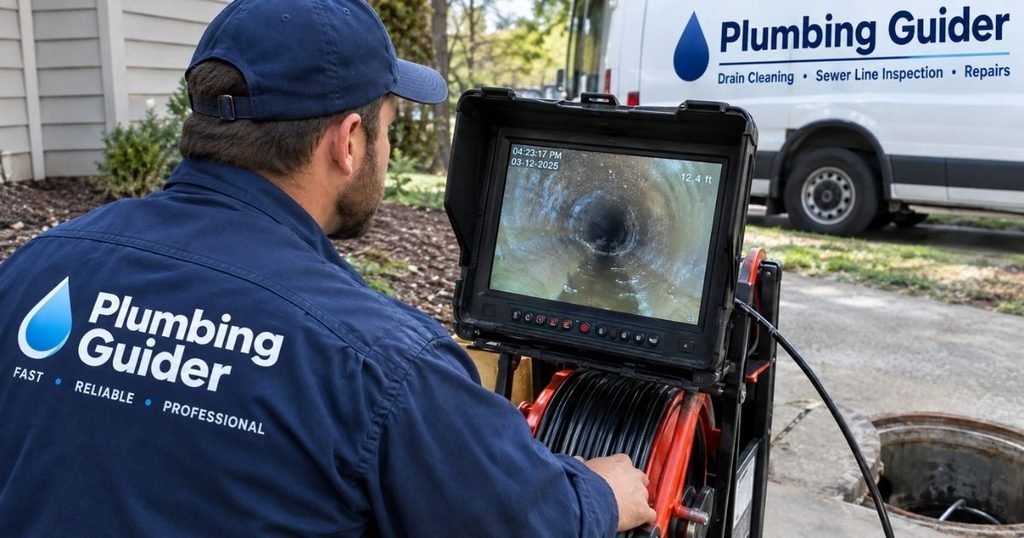
Today, plumbers use high-resolution, waterproof cameras attached to flexible rods to inspect the inside of your sewer lateral without turning your lawn into a construction site.
The primary question for most homeowners is straightforward: what is the sewer line camera inspection cost? Lets deep dive into “Sewer Line Camera Inspection Cost (Cost Guide 2026)”
How Much Does a Sewer Line Camera Inspection Cost?
Plumbing costs vary depending on the scope of work required. A simple inspection with an accessible ground-level cleanout costs significantly less than a complex job requiring toilet removal, specialty equipment, or emergency off-hours service.
To give you an accurate pricing, the table below outlines the typical cost ranges based on industry data from consumer cost aggregators such as HomeAdvisor, Angi, HomeGuide, and Forbes Home.
2026 Sewer Line Camera Inspection Cost Breakdown
| Inspection Type | Typical Cost Range | What Is Usually Included |
| Basic Residential Camera Inspection | $125 – $350 | Live video feed inspection via an accessible cleanout; verbal diagnosis. |
| Inspection with Recorded Video & Report | $250 – $500 | Full video inspection, digital copy (USB/cloud link), and written diagnostic findings. |
| Pre-Purchase Sewer Scope Inspection | $250 – $600 | Detailed video inspection of the entire sewer lateral specifically for home buyers. |
| Difficult-Access Inspection | $350 – $750 | Inspection requiring toilet removal, roof vent access, or navigating damaged lines. |
| Inspection with Above-Ground Locating | $300 – $650 | Camera scope plus depth and location tracking using a transmitter/sonde locator. |
| Emergency / After-Hours Inspection | $450 – $1,200+ | Immediate dispatch outside normal business hours, holidays, or weekends. |
Note: These estimates reflect national averages for diagnostic services only. They do not include the cost of drain cleaning, hydro-jetting, or pipe repairs.
Why do published national estimates show figures up to $1,725? High-end national averages often combine the diagnostic camera inspection with secondary services such as drain snaking, high-pressure hydro-jetting, commercial-grade long-distance scoping, or minor obstacle removal needed just to pass the camera through a blocked pipe.
READ MORE: Sewer Line Replacement Cost: Pricing Guide
What Is a Sewer Line Camera Inspection?
A sewer line camera inspection (also referred to as a sewer scope inspection or video sewer inspection) is a diagnostic procedure where a specialized, waterproof camera is routed through your home’s main sewer lateral.
The main sewer lateral is the underground pipe that carries wastewater from your home’s drains out to the municipal sewer main or a private septic system.
Here is how the equipment functions during a residential camera inspection:
- The Camera Head: A rugged, waterproof camera mounted on a high-grade flexible push-rod. Modern inspection cameras feature high-definition lenses and integrated LED lighting to illuminate the dark interior of underground pipes.
- The Cable & Reel: The camera is attached to a stiff, pushable fiber-optic cable coiled on a portable reel. This allows the plumber to manually push the camera up to 100 to 200 feet through the pipe.
- The Monitor: The cable transmits a live video feed back to a high-contrast display screen operated by the technician.
- Self-Leveling Lenses: Professional-grade sewer cameras utilize self-leveling heads that keep the video right-side up, making it easier to determine whether a pipe defect is located on the top, side, or bottom of the pipe wall.
- Sonde Transmitters: Many modern camera heads contain an embedded radio transmitter (called a sonde). As the camera travels through the pipe, the plumber can use a handheld locator above ground to detect the transmitter signal. This pinpoints the exact physical location and depth of a pipe blockage or break under your lawn, driveway, or basement slab.
It is vital to remember that a camera inspection is strictly a diagnostic service, not a repair. The camera allows you and your plumber to see what is happening inside the pipe without digging up your property, but it does not clear blockages or fix structural damage on its own.
What Does a Sewer Camera Inspection Find?
A sewer camera can uncover structural defects, blockages, and age-related wear inside underground lines. By identifying the exact nature of the problem, you can avoid paying for exploratory digging or unnecessary whole-line replacements.
- Tree Root Intrusion: Tree roots naturally seek water and nutrients. They enter sewer pipes through tiny joint cracks or loose connections. Once inside, roots catch debris, expand, and can eventually shatter the pipe.
- Offset or Separated Joints: Ground shifting, soil erosion, or poor initial installation can cause individual pipe sections to slip out of alignment. An offset joint creates a lip where waste catches, causing recurring clogs.
- Pipe Bellies (Sagging Lines): A “belly” occurs when a section of sewer line sags due to soil settling. Water and solids pool in this low spot, leading to frequent backups even if the pipe itself isn’t broken.
- Cracks, Fractures, and Collapses: Older pipes especially clay or cast iron can crack under ground pressure or severe root growth. In extreme cases, sections can completely collapse, blocking all flow.
- Grease and Scale Buildup: Over years of use, fats, oils, grease (FOG), and hard water minerals adhere to the inner walls of the pipe, gradually narrowing the opening.
- Foreign Objects: Camera inspections frequently uncover non-flushable wipes, feminine hygiene products, small toys, or shop towels stuck deep inside the drain line.
- Deterioration of Legacy Pipe Materials: In homes built before the 1980s, sewer lines were often constructed from cast iron, clay, or Orangeburg (bituminized fiber pipe). A camera reveals whether cast iron is severely corroded/flaking or if Orangeburg pipe has ovalized and crushed under load.
READ MORE: Tree roots in sewer line — removal & repair cost
Sewer Line Camera Inspection Cost Factors
Because no two plumbing systems are identical, several variables influence the final price on an invoice.
1. Sewer Line Length
Standard residential camera inspections cover distances between 50 and 100 feet—the distance from the cleanout to the street main or septic tank. If your home sits far back from the street or requires scoping secondary branch lines, the technician will spend more time on site, which can increase labor charges.
2. Sewer Cleanout Accessibility
A sewer cleanout is a capped pipe stub located outside the house or in a basement/crawlspace that provides direct access to the main drain.
- Easy Access: An accessible ground-level cleanout allows the plumber to insert the camera immediately, keeping labor costs low ($125–$300).
- Difficult Access: If the cleanout is buried under dirt, hidden behind drywall, or located in an extremely tight crawl space, extra labor is required to access the pipe.
3. Removing a Toilet for Access
If your home lacks an accessible sewer cleanout, the plumber must pull a toilet to route the camera down the drain branch. Removing, resetting, and resealing a toilet with a new wax ring adds $100 to $250 in labor to the total bill.
4. Pipe Material and Interior Condition
If a pipe is heavily coated in grease, filled with standing sewage, or completely packed with tree roots, the camera lens may become obscured. In these situations, the technician may need to perform a basic drain clearing or hydro-jetting service before they can perform a clear video inspection.
5. Camera Technology Features
Basic black-and-white or non-leveling push cameras are cheaper to operate but provide less detail. Plumbers using self-leveling HD cameras, line-locating sondes, or robotic pan-and-tilt crawlers may charge higher service rates, but these advanced tools deliver clearer documentation and precise depth measurements.
6. Geographic Location and Local Market Rates
Plumbing service rates reflect the local cost of living and business expenses. Homeowners in metropolitan areas like New York, San Francisco, or Chicago will naturally pay higher hourly rates than those in rural communities or smaller Midwestern towns.
7. Emergency or After-Hours Service
Calling a plumbing company for a sewer scope at 10:00 PM on a Sunday during an active sewage backup will incur emergency service fees. Emergency dispatches often charge a premium of 1.5 to 2 times standard daytime rates.
8. Video Recording and Formal Reports
Always confirm whether a copy of the video file and a written inspection report are included in your quote. Some low-cost advertised specials ($99 basic scope) only include a live look at the monitor screen, charging extra if you want a downloadable video link or written report for real estate negotiations.
READ MORE: Emergency Sewer Backup: Immediate Steps, Real Costs, and Pro Solutions
Sewer Camera Inspection Cost by Situation
The context of your inspection influences both the overall service required and the expected pricing structure.
1. Routine Maintenance for Older Homes
Homes built before 1980 often feature clay, cast iron, or Orangeburg pipes. Scheduling a preventive sewer scope every few years helps monitor tree root growth and corrosion before a catastrophic backup occurs. Expect standard rates between $200 and $350.
2. Repeated Sewer Backups or Slow Drains
If your main drain backs up shortly after being snaked, a camera inspection can show why the drain line keeps failing. A basic diagnostic scope in this scenario runs $200 to $450.
3. Pre-Purchase Home Inspections
When purchasing a home, standard general home inspections do not include evaluating buried sewer lines. Ordering an independent sewer scope during your inspection contingency window costs $250 to $600. It is one of the most cost-effective investments a homebuyer can make.
4. Pre-Sewer Repair or Trenchless Rehabilitation
Before approving a major sewer line repair such as pipe bursting or epoxy pipe lining a camera inspection is required to verify that the pipe structure can support trenchless restoration. Many plumbing contractors will waive or credit the camera fee if you hire them to complete the repair work.
Sewer Camera Inspection Cost Before Buying a House
A pre-purchase sewer scope inspection is a targeted service every homebuyer should consider—especially when purchasing a property older than 20 years.
Why Standard Home Inspections Aren’t Enough
A general home inspector flushes toilets and runs faucets to confirm water drains from visible fixtures. They cannot inspect the underground sewer lateral buried 4 to 8 feet below the lawn. If the pipe has a major fracture or heavy root intrusion, it can take weeks of daily use before a full backup occurs—long after closing.
What Buyers Should Ask For
When hiring a scope technician prior to closing on a home, request the following deliverables:
- Uncut Raw Footage: A complete digital video recording of the camera journey from cleanout to city main.
- Written Condition Report: Clear documentation detailing pipe material, estimated age, overall condition, and observed defects.
- Exact Defect Locations: If defects are found, require the technician to mark the exact location and depth on the lawn or pavement using line-locating equipment.
Financial Protection for Buyers
Replacing a collapsed sewer lateral can cost $3,000 to $15,000+. Spending $250 to $500 on a sewer scope before closing allows you to:
- Request that the seller repair or replace the pipe before closing.
- Negotiate a closing cost credit or price reduction to handle repairs yourself.
- Walk away from a purchase if underground structural damage is cost-prohibitive.
READ MORE: What is Sewer Gas in Kitchen Plumbing?
What Happens During a Sewer Camera Inspection?
Knowing what happens during a sewer camera inspection helps you evaluate whether a contractor is performing a thorough evaluation.
1.Location and Site Preparation:Time required: 10 – 15 minutes.
The plumbing technician locates the main sewer cleanout (often an outdoor ground pipe or basement access point). If no cleanout exists, they prepare to remove a toilet or access a roof vent stack.
2.Inserting the Scope and Calibration:Time required: 5 minutes.
The technician powers up the monitor, zeroes out the distance counter on the reel, and inserts the waterproof camera head into the cleanout opening.
3.Pushing through the Main Lateral:Time required: 15 – 30 minutes.
The plumber slowly feeds the cable through the line, carefully monitoring the live feed. They pay close attention to pipe joints, turns, and low points where water or debris settles.
4.Locating and Marking Defect Points:Time required: 10 – 20 minutes (if needed).
If a major crack, collapse, or root blockage is identified, the technician activates the built-in sonde transmitter and uses an above-ground locator to pinpoint the exact location and depth in your yard.
5.Video Retrieval and Client Consultation:Time required: 10 – 15 minutes.
The technician pulls the cable back, cleans the equipment, and reviews the recorded footage with you, explaining any observed issues and answering your questions.
A standard inspection typically takes 45 to 90 minutes from start to finish.
Does a Sewer Camera Inspection Include Sewer Cleaning?
A common misconception among homeowners is that a camera inspection includes drain cleaning. It does not.
A camera inspection is strictly a diagnostic tool designed to view internal pipe conditions. Clearing a blockage requires mechanical cutting tools or high-pressure water streams.
- Drain Snaking (Auger): Uses a rotating steel cable to punch a hole through simple clogs or small root masses to restore flow.
- Hydro-Jetting: Uses high-pressure water streams (3,000–4,000 PSI) to scour grease, scale, and heavy root growth off internal pipe walls.
- Sewer Repair/Replacement: Structural fixes performed when the pipe is broken, ovalized, or structurally compromised.
If a plumber encounters a completely blocked pipe where standing water hides the view, they must clear the line before completing the video scope.
READ MORE: Cost to Replace Toilet Wax Ring
Additional Costs to Consider
Depending on the condition of your plumbing system, secondary services may be recommended or required.
| Additional Service | Typical Cost Range | Why It May Be Needed |
| Drain Snaking / Root Clearing | $150 – $350 | Clears simple blockages so the camera can navigate the line. |
| Hydro-Jetting Line Scouring | $350 – $1,000 | Scours grease, heavy scale, or severe roots off pipe walls. |
| Sonde Pipe Locating & Marking | $100 – $250 | Pinpoints exact depth and location of underground pipe defects. |
| Toilet Removal and Reset | $100 – $250 | Provides camera access when no ground cleanout is present. |
| Cleanout Installation | $500 – $2,000 | Adds an exterior access port for future maintenance and scoping. |
DIY Sewer Camera Inspection vs. Hiring a Professional
With consumer rental yards and online retailers stocking inspection equipment, some homeowners consider tackling sewer scoping as a DIY project.
| Option | Estimated Cost | Pros | Cons & Limitations |
| Tool Rental (24-Hour) | $100 – $200 | Cheaper upfront cost for simple checks. | Rental units often have short cables, lower resolution, and lack line locators. |
| Buying Budget Scopes | $200 – $500 | Tool remains yours for future use. | Lower build quality; easily gets stuck in grease or bends; non-leveling lenses. |
| Professional Service | $250 – $500 | Experienced operator, high-end HD gear, location tracking, and formal report. | Higher single-use service cost. |
Safety and Equipment Warnings
- Getting Equipment Stuck: Pushing a low-cost or flimsy camera past a broken pipe section or root mass can cause the camera head to wedge tightly underground. Retrieving a stuck rental camera requires excavating your lawn, turning a cheap DIY attempt into an expensive repair.
- Misinterpreting Footage: What looks like a major pipe collapse on camera might simply be settled toilet paper or grease. Conversely, a subtle crack or offset joint easily overlooked by an amateur can lead to severe structural failures later.
READ MORE: Toilet Replacement Cost in USA: Prices, Labor & More
How to Save Money on a Sewer Camera Inspection
You can manage inspection costs and get maximum value from your service by keeping a few practical tips in mind:
- Get a Clear, Flat-Rate Quote upfront: Ask whether the quoted price covers the entire main line regardless of time spent, or if the rate is hourly.
- Verify Video and Report Deliverables: Confirm that a downloadable video link or USB copy, along with a written summary, is included without extra add-on fees.
- Ask About Repair Credits: If you need a sewer repair or drain cleaning, ask if the company credits the cost of the initial camera inspection toward the final repair bill.
- Provide Easy Cleanout Access: Locate your outdoor cleanout before the technician arrives. Clear away mulch, soil, or overgrown bushes so the plumber can start immediately.
- Schedule During Normal Business Hours: Avoid emergency weekend or evening dispatches unless sewage is actively backing up into your living spaces.
- Get Multiple Quotes for Repairs: If an inspection reveals major structural damage requiring thousands of dollars in repairs, always get a second opinion and a second camera review from an independent plumbing contractor before signing a contract.
Questions to Ask a Sewer Camera Inspection Company
Before hiring a contractor or home inspector to scope your sewer lateral, ask these questions to protect your budget:
- Is your quoted price a flat rate or an hourly estimate?
- Does the inspection price include a digital copy of the recorded video footage?
- Do you use line-locating equipment (sondes) to mark defect depths and locations on the surface?
- Does your scope cover the full distance to the municipal sewer main or septic tank?
- What happens if your camera gets stuck or blocked by standing water/debris?
- Are you a licensed, insured, and bonded plumbing professional in this jurisdiction?
- Will you provide a written diagnostic report outlining pipe materials and observed issues?
How Often Should You Have Your Sewer Line Inspected?
There is no need to schedule an annual sewer scope if your plumbing functions properly. Consider the following recommended timelines:
- Older Homes (Built before 1980): Scope every 3 to 5 years to monitor cast iron corrosion, clay joint offsets, or tree root encroachment.
- Homes with Mature Trees Near the Sewer Line: Scope every 2 to 3 years if you have a history of minor root entry that requires routine maintenance.
- Newer Construction (PVC Pipes): Inspect only when purchasing the property or if unusual drainage symptoms develop.
Signs You May Need a Sewer Camera Inspection
Keep an eye out for these early warnings indicating a problem inside your main sewer lateral:
- Multiple Slow Drains: Toilets, showers, and sinks across different bathrooms all drain slowly at the same time.
- Gurgling Fixtures: Flushing a toilet causes air bubbles to gurgle up through the bathtub or shower drain.
- Sewer Odors: Smelling sewer gas near drain fixtures, in the basement, or out in the yard.
- Unusually Lush Green Lawn Patches: A leaking sewer pipe under your lawn acts as fertilizer, creating a distinctly bright green, fast-growing strip of grass.
- Soggy Spots or Sinkholes: Persistent wet patches or small ground depressions along the path of your underground pipe.
- Recurring Drain Backups: The main house drain backs up repeatedly shortly after being cleared with a drain snake.
Frequently Asked Questions
How much does a sewer line camera inspection cost?
A standard residential sewer camera inspection costs between $125 and $500, with most homeowners paying an average of $250 to $350. Prices vary based on geographic location, line accessibility, pipe length, and whether specialized line-locating or toilet removal services are required.
Is a sewer camera inspection worth the money?
Yes. Spending $250 to $350 on a camera inspection provides a clear visual diagnosis of your underground main line. It prevents guesswork, confirms whether a pipe can be cleared versus repaired, and can save home buyers thousands of dollars by identifying hidden pipe damage prior to closing.
How long does a sewer camera inspection take?
A typical residential sewer camera inspection takes between 45 and 90 minutes. If access is difficult, the cleanout is buried, or the technician needs to perform above-ground line locator tracking to mark defects, the process may take up to two hours.
Does a sewer camera inspection find tree roots?
Yes. Tree root intrusion is one of the most common issues identified during a camera inspection. The camera clearly reveals where roots enter through joints or cracks, as well as the size and severity of the root mass inside the line.
Should I get a sewer camera inspection before buying a house?
Yes. Standard general home inspections do not evaluate the underground sewer lateral. Ordering an independent pre-purchase sewer scope during your inspection period ensures you won’t inherit an unexpected $3,000 to $15,000 sewer repair shortly after moving in.
Final Takeaway
A sewer line camera inspection is one of the most effective diagnostic investments a homeowner can make when dealing with recurring drain problems or evaluating a prospective property purchase.
While national cost estimates range widely from $271 to $1,725, a straightforward residential scope using an accessible cleanout typically costs $250 to $350 in 2026. Higher price points generally reflect complex job conditions, emergency dispatches, difficult access setups, or bundled drain cleaning services.
Before hiring a company, confirm that their quote covers the entire sewer lateral, includes a digital video recording with a written report, and utilizes line-locating equipment if repairs are needed. By securing clear video proof before approving major repairs, you can ensure your home’s main drain system is diagnosed accurately and cost-effectively.