Winter weather in many parts of the United States can turn severe without warning. When blizzards strike, ice storms knock down power lines, or heating bills spike during peak winter months, American homeowners often look for reliable, independent supplemental heating solutions. A kerosene heater has long served as a dependable, highly portable option for warming up specific spaces, workshops, or serving as a crucial lifeline during extended power outages.
Unlike central heating systems tied directly to your home’s electrical grid or natural gas lines, a portable kerosene heater operates independently, generating substantial warmth using liquid fuel. However, because these units burn fuel indoors, understanding their operation, efficiency, and safety requirements is essential. This comprehensive guide explores everything American homeowners need to know about kerosene heaters from how they work and what they cost to critical safety rules and maintenance practices. Lets deep dive into “Kerosene Heater: Review, Types, Costs & Safety Guide”
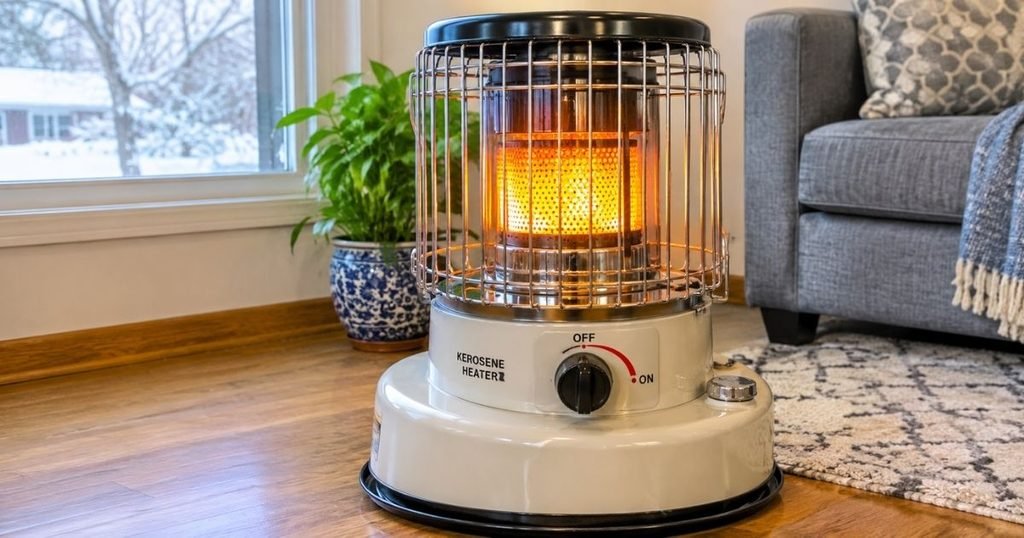
What Is a Kerosene Heater and How Does It Work?
A kerosene heater is a self-contained, portable heating device that burns refined kerosene fuel to produce heat. Unlike electric space heaters that draw power from wall outlets, unvented portable kerosene heaters rely on liquid fuel combustion, making them entirely independent of electricity once ignited (though some advanced electronic ignition models require batteries or AC power just for the initial startup igniter).
The Combustion Process
The core of a traditional portable kerosene heater consists of a fuel tank, a fiberglass or cotton wick, a combustion chamber, and a manual or battery-powered ignition system. When you turn the control knob, the wick absorbs kerosene from the tank via capillary action. Lighting the wick initiates a clean, controlled flame inside the combustion chamber.
As the fuel burns, it produces thermal energy distributed through two primary mechanisms:
- Radiant Heating: Radiant models feature a reflective metal shield behind the burner that directs infrared heat outward in a specific direction, warming people and objects directly in its path rather than just the surrounding air.
- Convection Heating: Convection models radiate heat 360 degrees in all directions, warming the air around the unit, which then rises and circulates throughout the room.
Vented vs. Unvented Models
It is vital for homeowners to distinguish between unvented and vented kerosene heaters:
- Unvented (Portable) Heaters: These are the most common portable units. They release combustion gases directly into the room where they operate, requiring proper indoor ventilation and strict adherence to safety guidelines.
- Vented Heaters: These units are permanently installed against an exterior wall or chimney. They feature an exhaust flue that vents combustion byproducts (such as water vapor, carbon dioxide, and trace gases) directly outside the home, similar to a gas furnace.
READ MORE: Dyna-Glo Heater Review: Best Models for Homes, Garages & Cabins
Types of Kerosene Heaters
Understanding the different categories of kerosene heating equipment helps ensure you select the right tool for your specific application.
1. Convection Kerosene Heater
Convection models are designed to sit in the center of an open living space, garage, or workshop. They distribute heat in a full 360-degree circle. Because of their high BTU output (often ranging from 10,000 to over 20,000 BTUs), they excel at heating large open areas quickly.
2. Radiant Kerosene Heater
Radiant heaters direct heat forward using a curved reflector dish. They work exceptionally well when placed against a wall, directing warmth toward seating areas, workbenches, or specific zones in a room. They generally have smaller footprints than convection units.
3. Forced-Air Kerosene Heater
Often called “torpedo heaters,” forced-air kerosene heaters utilize an electric motor and fan to blast massive volumes of heated air. Important note for homeowners: These powerful units are designed primarily for commercial construction sites, uninsulated garages, or outdoor workshops. They are far too loud, powerful, and unsuited for standard residential living spaces.
4. Vented Kerosene Heater
Vented models operate as permanent or semi-permanent room heaters. Because their exhaust is vented outside, they offer cleaner indoor air quality compared to unvented portable models, though they require professional installation and cannot be easily moved from room to room.
| Heater Type | Heating Method | Typical Applications | Important Considerations |
| Convection | 360-degree radial air circulation | Open basements, large rooms, cabins | High BTU output; requires central room placement and careful clearance. |
| Radiant | Directional infrared warmth | Workshops, garages, specific room zones | Focuses heat forward; excellent for targeted personal warmth. |
| Forced-Air | Fan-forced combustion blast | Construction sites, open outdoor/semi-open spaces | Extremely loud; requires electricity for the fan; not meant for bedrooms or living rooms. |
| Vented | Enclosed combustion with outdoor flue | Cabins, supplemental home heating rooms | Requires professional wall installation and exhaust venting; stationary. |
Benefits of Using a Kerosene Heater
Why do millions of homeowners rely on kerosene heaters? Several distinct advantages make them enduringly popular across North America:
- Grid Independence: Traditional portable kerosene heaters require zero electricity to operate once lit. During winter ice storms or extended power outages, they keep your living space warm without needing a noisy generator.
- High Heat Output: Kerosene burns very hot, allowing portable units to heat large spaces much faster than standard 1500-watt electric space heaters.
- Exceptional Portability: Most portable units feature lightweight tanks and carrying handles, allowing you to move them easily where supplemental heat is needed most.
- Cost-Effective Supplemental Heat: Depending on local fuel prices, burning kerosene can sometimes be more economical than running heavy electric resistance heating, especially in drafty or hard-to-heat zones.
- Reliability: With fewer mechanical parts than complex HVAC systems, manual kerosene heaters offer robust, long-lasting backup reliability when properly maintained.
READ MORE: Best Salamander Heaters: Top Picks, Reviews & Comparison
Disadvantages of Kerosene Heaters
While beneficial, kerosene heaters come with notable drawbacks and risks that every homeowner must weigh:
- Carbon Monoxide and Combustion Pollutants: Burning any fossil fuel indoors produces carbon monoxide (CO), nitrogen dioxide, and sulfur dioxide. Inadequate ventilation can lead to dangerous indoor air quality.
- Fire and Burn Hazards: Exposed hot surfaces, open flame chambers, and flammable liquid fuel create inherent fire risks if units are knocked over or placed too close to furniture, curtains, or bedding.
- Kerosene Odor: Kerosene has a distinct, pungent petroleum smell, particularly noticeable during startup, shutdown, or when burning low-quality fuel.
- Fuel Storage and Handling: Homeowners must safely store flammable fuel in approved containers outside the main living area, away from children and ignition sources.
- Regular Maintenance Required: Wicks must be cleaned, trimmed, or replaced periodically, and tanks must be drained of old fuel to prevent gumming and misfires.
- Legal and Code Restrictions: Certain municipalities, rental agreements, and local fire codes strictly prohibit unvented kerosene heaters indoors. Always check local regulations before purchasing.
Are Kerosene Heaters Safe for Indoor Use?
Safety is the single most important factor when evaluating an indoor kerosene heater. The short answer is: Yes, certain models are designed and certified for indoor use, but only when operated strictly according to manufacturer instructions and local fire codes.
To ensure safe indoor operation, keep the following non-negotiable principles in mind:
- Ventilation is Mandatory: Unvented heaters consume oxygen and release combustion gases. You must crack a window or ensure adequate fresh-air exchange in the room to prevent oxygen depletion and pollutant buildup.
- Never Rely Solely on Alarms: While working smoke detectors and UL-listed carbon monoxide (CO) alarms on every level of your home are absolute necessities, a working CO alarm does not make an unsafe heater safe.
- Never Sleep While It Operates: Never leave an unvented kerosene heater running while occupants are sleeping. Unforeseen draft changes, fuel impurities, or wick malfunctions can lead to dangerous carbon monoxide accumulation overnight.
- Strict Placement Rules: Keep heaters at least 3 to 4 feet away from all combustible materials, including sofas, drapes, papers, and bedding. Place the unit on a stable, level, non-flammable floor surface.
- Protect Children and Pets: The protective wire cage on a kerosene heater becomes extremely hot during operation. Supervise children and pets closely at all times.
What Type of Kerosene Should You Use?
Fuel quality is critical for the safe, clean operation of any portable kerosene heater.
- Use Only 1-K Kerosene (K-1): Manufacturers universally specify K-1 kerosene for residential heaters. K-1 is a clear, water-white, low-sulfur distillate fuel specially refined to minimize soot, odor, and harmful emissions.
- Avoid Dyed or High-Sulfur Kerosene: Never use 2-K kerosene or dyed red kerosene (which is often taxed differently or intended for off-road diesel equipment) in indoor residential heaters. High sulfur content creates heavy black soot, noxious odors, and clogs wicks rapidly.
- Proper Fuel Storage: Store K-1 kerosene in clean, approved blue plastic or metal containers clearly marked “Kerosene.” Store fuel containers outdoors or in a well-ventilated shed away from living quarters and direct sunlight.
- The Absolute Rule Against Substitutions: Never burn gasoline, diesel fuel, camp fuel, paint thinner, or any fuel mixture in a kerosene heater. Mixing gasoline into kerosene lowers the flash point drastically, creating an immediate, catastrophic explosion and fire hazard.
READ MORE: Vevor Diesel Heater Buying Guide: Best Models, Comparison & Cost
How Much Does a Kerosene Heater Cost?
When budgeting for a backup heating system, purchase prices vary depending on heater size, brand reputation, and design features.
| Heater Type | Typical Purchase Price Range | Intended Application | Important Buying Considerations |
| Radiant Portable | $130 – $220 | Targeted room zones, small workshops | Directional heat; ideal for placement against walls. |
| Convection Portable | $160 – $320 | Open living areas, basements, cabins | High capacity; provides 360-degree warmth. |
| Vented Wall Unit | $600 – $1,500+ | Permanent supplemental room heating | Requires professional installation and exterior flue. |
(Note: Market prices fluctuate based on seasonal demand, supply chain factors, and retail vendor pricing.)
How Much Does It Cost to Run a Kerosene Heater?
Calculating the kerosene heater operating cost helps homeowners understand daily and monthly energy expenditures during peak winter months.
Operating Cost Breakdown
Most portable residential convection and radiant heaters consume between 0.06 and 0.13 gallons of kerosene per hour on a standard burning setting, with fuel tank capacities typically ranging from 1.2 to 1.9 gallons.
Practical Cost Calculation Example
Let us calculate the hourly and daily cost using realistic assumptions:
- Assumed K-1 Kerosene Price: $5.00 per gallon (regional prices vary across the U.S.).
- Average Consumption Rate: 0.10 gallons per hour.
Hourly fuel cost=0.10 gallons/hour×$5.00/gallon=$0.50 per hour\text{Hourly fuel cost} = 0.10 \text{ gallons/hour} \times \$5.00/\text{gallon} = \$0.50 \text{ per hour}Hourly fuel cost=0.10 gallons/hour×$5.00/gallon=$0.50 per hour
If you run the heater for 6 hours a day:
- Daily Cost: 0.50×6=$3.00 per day0.50 \times 6 = \$3.00 \text{ per day}0.50×6=$3.00 per day
- Monthly Cost (30 days of intermittent use): $3.00×30=$90.00 per month\$3.00 \times 30 = \$90.00 \text{ per month}$3.00×30=$90.00 per month
Actual consumption depends heavily on your heater’s BTU rating, thermostat settings, weather severity, and fluctuating local fuel prices.
How to Choose the Right Kerosene Heater for Your Home
Selecting the best kerosene heater for home use requires careful evaluation of your living space and heating goals:
- Calculate BTU Requirements: Match the heater’s BTU output to your room size. A general rule of thumb is roughly 20 to 30 BTUs per square foot, but avoid buying an oversized unit for a small room, as excessive heat output can cause incomplete combustion and poor indoor air quality.
- Design Choice (Radiant vs. Convection): Choose a radiant model if you sit in one spot or need to heat a specific area. Choose convection if you want to warm an open-concept living space evenly.
- Essential Safety Features: Insist on built-in automatic tip-over shutoff switches and manual emergency shutoff mechanisms.
- Fuel Gauge & Capacity: Look for clear, easy-to-read fuel gauges so you never overfill the tank. A larger tank capacity (around 1.5 to 1.9 gallons) yields longer runtime between refuelings (often 12 to 15 hours).
- Certifications: Ensure the product carries listings from recognized safety organizations such as UL (Underwriters Laboratories) or CSA.
READ MORE: Best Envi Wall Heater: Review, Cost & Comparison
Kerosene Heater vs. Propane Heater vs. Electric Heater
Homeowners comparing portable options often weigh kerosene against propane and electric alternatives.
| Feature / Factor | Kerosene Heater | Propane Heater (Portable) | Electric Space Heater |
| Heating Performance | High BTU; warms large spaces quickly. | High BTU; rapid, powerful warmth. | Moderate BTU; best for small to medium rooms. |
| Fuel / Energy Cost | Moderate to high depending on K-1 prices. | Moderate depending on cylinder refills. | High per BTU; depends on local electricity rates. |
| Portability | High (self-contained liquid fuel). | High (requires propane cylinders/tanks). | High (requires wall outlet). |
| Electricity Required? | No (manual models); battery for igniter. | No (radiant top models) or fan models need power. | Yes (100% electric draw). |
| Indoor Air Quality | Releases combustion byproducts; needs ventilation. | Releases moisture and combustion gases; needs ventilation. | Zero emissions; cleanest indoor air quality. |
| Ventilation Required | Yes (fresh air supply needed for unvented). | Yes (fresh air supply needed). | None. |
| Maintenance | Wick cleaning/replacement, fuel filtering. | Valve and hose checks for leaks. | Minimal (dust cleanup). |
| Backup Heating (Outages) | Excellent. | Excellent. | None (unless paired with a generator). |
| Safety Considerations | Fire, burn, and CO risks; manual refueling. | High-pressure gas tank handling and fire risks. | Cord overload, outlet heat, and tip-over risks. |
How to Use a Kerosene Heater Safely
Follow this step-by-step homeowner safety protocol whenever operating a portable kerosene heater:
- Read the Manual: Always thoroughly review the manufacturer’s operating instructions and warnings before initial use.
- Pre-Use Inspection: Inspect the heater for fuel leaks, cracked parts, or damaged guards.
- Use Approved Fuel Only: Fill the tank exclusively with fresh, clean K-1 kerosene.
- Refuel Outdoors: Turn off the heater, allow it to cool completely, and take the removable fuel tank outdoors to refuel. Never refuel inside the house or while the unit is hot.
- Never Overfill: Watch the built-in fuel gauge carefully to prevent overfilling and subsequent fuel spills. Wipe up any accidental drips immediately.
- Maintain Clearances: Keep the heater at least 3 to 4 feet away from furniture, walls, curtains, papers, and clothing.
- Ensure Fresh Air: Crack a window slightly or ensure adequate ventilation in the room to maintain healthy oxygen levels.
- Supervise Vulnerable Household Members: Keep children and pets away from the hot outer cage at all times.
- Never Leave Unattended: Turn off the heater whenever you leave the room or step out of the house.
- Never Sleep with It On: Turn off the unit entirely before going to sleep.
- Maintain Working Alarms: Test your home’s smoke alarms and carbon monoxide detectors monthly.
- Know When to Shut Down: If you notice unusual smoke, strange chemical odors, erratic flame heights, or soot buildup, shut off the heater immediately and inspect according to the manual.
READ MORE: Best DREO Smart Wall Heater: Review, Cost & Comparison
Kerosene Heater Maintenance and Troubleshooting
Routine maintenance ensures your heater runs efficiently and safely winter after winter.
- Wick Maintenance: Clean and carbon-free wicks ensure clean combustion. If your wick becomes stiff or crusty with tar, follow the manufacturer’s “dry burn” procedure or replace the wick entirely before winter storage.
- Tank Inspection: At the end of the heating season, siphon or drain all leftover kerosene from the tank. Stale fuel degrades, absorbs moisture, and leaves gum deposits that ruin wicks.
- Burner and Ignition Checks: Keep the combustion chamber free of dust and test the battery ignition system regularly.
Common Troubleshooting Guide
| Problem | Possible Cause | Recommended Action |
| Heater won’t start | Ignition failure or old fuel in wick | Check battery igniter, replace batteries, or ensure fresh K-1 fuel has soaked into the wick. |
| Strong kerosene smell | Poor combustion, dirty wick, or improper shutdown | Stop use, inspect wick height, clean carbon buildup, or check for unapproved fuel. |
| Excessive smoke | Wick set too high or contaminated fuel | Turn off immediately, let cool, lower wick adjustment, and drain unapproved fuel. |
| Uneven heating | Uneven wick wear or dirty burner assembly | Clean the burner cage and level or replace the worn wick. |
| Heater shuts off unexpectedly | Automatic safety tip-over switch activated | Check floor stability; investigate underlying cause before attempting restart. |
When encountering complex mechanical failures, persistent fuel leaks, or electrical ignition malfunctions, stop troubleshooting immediately and contact the manufacturer or a certified heating technician.
Is A Kerosene Heater Worth Buying?
For many American homeowners, investing in a kerosene heater remains a practical, highly strategic decision. They are particularly valuable for:
- Residents in Severe Winter Climates: Homeowners living in regions prone to heavy winter storms and grid failures.
- Rural Properties and Cabins: Homes lacking natural gas lines or seeking off-grid supplemental heating options.
- Uninsulated Workshops and Garages: Spaces where central HVAC does not reach.
- High Electric Heating Costs: Homeowners looking to offset expensive electric bills during peak cold snaps.
However, if your home features small children, pets, respiratory sensitivities, or strict rental/HOA rules against liquid-fuel appliances, modern electric infrared heaters, heat pumps, or properly vented gas solutions may serve you better.
Frequently Asked Questions
Can you use a kerosene heater indoors?
Yes, but only if you use an unvented portable heater specifically certified for indoor residential use, follow manufacturer ventilation requirements strictly, and never operate it in bedrooms while sleeping.
How long does a kerosene heater run on one gallon of fuel?
On average, a standard portable kerosene heater consumes about 0.08 to 0.12 gallons per hour. A typical 1.5-gallon tank provides roughly 12 to 15 hours of continuous runtime depending on the heat output setting.
Are kerosene heaters cheaper to run than electric heaters?
It depends on local utility rates and fuel prices. Kerosene often delivers higher heat output per dollar than standard 1500-watt electric resistance space heaters, making it cost-effective for larger spaces.
Can you leave a kerosene heater running overnight?
No. Never leave an unvented kerosene heater running while sleeping. Unforeseen fuel impurities, oxygen depletion, or draft changes can cause dangerous carbon monoxide buildup overnight.
What is the best type of kerosene for a home heater?
Always use water-white 1-K (K-1) kerosene. It is specially refined to reduce sulfur, foul odors, and soot, protecting your heater’s wick and your indoor air quality.
Final Verdict:
A portable kerosene heater is a powerful, reliable supplemental heating tool and emergency backup system for American homeowners. By offering independence from the electrical grid and high heat output, it provides invaluable peace of mind during severe winter weather. However, safe operation requires diligence, proper ventilation, strict adherence to K-1 fuel specifications, and absolute respect for fire and carbon monoxide safety protocols.
Before purchasing, compare heating specifications, check local municipal or fire codes, and review manufacturer safety guidelines to ensure a kerosene heater matches your home environment and heating needs.