When your house is quiet and every single faucet is completely shut off, the interior of your walls should be silent too. Hearing the unmistakable sound of moving water when no one is brushing their teeth, washing hands, or running a load of laundry is one of those classic “uh-oh” moments of homeownership.
If this sounds familiar, you are not alone. Hearing water running in walls when no faucets are on is one of the more common and confusing problems homeowners face. Sometimes the cause is simple and harmless. Other times, it points to a hidden plumbing leak that can cause serious and expensive damage if left alone.
This guide walks you through the most likely reasons this happens, how to tell if it is serious, what you can safely check on your own, and when it is time to pick up the phone and call a plumber. Lets deep dive into “Hearing Water Running in Walls When No Faucets Are On? Causes, Fix & Warning Signs”

READ MORE: Top Leak Detectors for House: Best Water Leak Detectors

Why You Might Hear Water Running in Walls
Before you panic, it helps to understand that your home’s plumbing system is a lot more active than most people realize. Water moves through pipes constantly not just when you turn on a faucet. Toilets refill quietly. Appliances drain. Pressure shifts. Hot water expands. All of these can create sounds that travel through walls, ceilings, and floors.
That said, some sounds are worth investigating right away.
Here are the most common reasons you might hear water running inside your walls when nothing obvious is turned on:
- A hidden plumbing leak somewhere in the supply lines
- A toilet that is running silently without you realizing it
- Residual water movement after recent use
- Pressure changes or water hammer in the pipes
- HVAC condensate drainage
- Appliance drainage from a dishwasher or washing machine
- Condensation dripping inside walls in humid weather
Each of these has a different feel to the sound, a different level of urgency, and a different fix. Let’s look at them one by one.

Common Causes of Hearing Water Running in Walls When No Faucets Are On
1. A Hidden Plumbing Leak
This is the one homeowners worry about most and rightfully so.
What it is: A supply line inside your wall has developed a crack, pinhole, or loose connection, and water is actively escaping.
What the sound is like: A steady trickling or dripping sound, often faint but consistent. It may get louder when you press your ear against the wall near a pipe run.
Other signs to watch for: Water stains on walls or ceilings, bubbling or peeling paint, soft drywall, musty odors, or unexplained spikes in your water bill.
Is it urgent? Yes. Hidden leaks don’t fix themselves. Over time, they cause structural damage, rot, and mold growth. This is not a wait-and-see situation.
READ MORE: Best ecobee Smart Thermostat Review: Essential vs Enhanced vs Premium

2. A Toilet That Is Quietly Running
A faulty flapper or fill valve inside a toilet tank can cause water to run continuously from the tank into the bowl. The water then drains quietly, and the fill valve kicks back on to refill over and over, all day and night.
What the sound is like: A soft hissing or trickling sound that seems to come from near the bathroom, even when no one is using it. You may also hear periodic “refill” sounds every few minutes.
Other signs to watch for: A higher water bill with no clear reason. You can also test by adding a few drops of food coloring to the tank if color appears in the bowl without flushing, the flapper is leaking.
Is it urgent? Not a structural emergency, but it wastes enormous amounts of water and money. A running toilet can waste hundreds of gallons per day.
3. Residual Water Movement After Recent Use
Pipes don’t stop moving water the instant you turn off a faucet. Water continues to flow briefly through the system, especially in larger homes with long pipe runs.
What the sound is like: A brief flowing or gurgling sound that fades within a minute or two after using a sink, shower, or flushing a toilet.
Is it urgent? No. This is completely normal.
4. Water Hammer and Pipe Vibration
When water flowing through pipes is suddenly stopped — say, when a washing machine valve closes quickly — the momentum of the water has to go somewhere. The result is a loud bang or thudding sound, sometimes followed by a vibration noise. This is called water hammer.
What the sound is like: A sudden banging or knocking sound inside the wall, often right after an appliance shuts off or a faucet is closed quickly.
Other signs to watch for: Loose pipes that visibly shake, or recurring bangs every time certain appliances cycle.
Is it urgent? Mild water hammer is a nuisance. Severe or repeated water hammer can damage pipe joints over time.
READ MORE: How to Find a Hidden Water Leak in Your Wall: Step by Step DIY Guide

5. HVAC Condensate Drainage
Air conditioning systems produce condensation as they cool the air. That water collects in a drip pan and drains through a condensate line, which often runs through walls.
What the sound is like: A soft trickle or dripping sound that occurs when the AC is running, especially during humid summer months.
Is it urgent? Usually not, unless the condensate line is clogged — in which case water can back up and overflow, causing water damage around your air handler.
6. Appliance Drainage
Dishwashers, washing machines, and refrigerators with ice makers all drain or circulate water periodically sometimes when you are not actively using them.
What the sound is like: A brief gurgling or rushing sound, often connected to a washing machine or dishwasher cycle completing.
Is it urgent? Generally no, as long as the sounds are brief and match an appliance cycle.
7. Condensation Dripping Inside Walls
In humid climates or during summer months, cold water pipes can sweat. The condensation drips off the pipes and makes a tapping or dripping sound inside the wall cavity.
What the sound is like: Intermittent dripping or tapping, often worse during hot and humid weather.
Is it urgent? Not usually, but persistent condensation can eventually lead to mold if there is no proper insulation on the pipes.
Signs of a Hidden Water Leak
Not every wall sound is an emergency, but some situations call for immediate attention. Here is a checklist of warning signs that suggest you may have an active hidden leak:
- Higher-than-normal water bill — If your usage habits haven’t changed but your bill has jumped, water is going somewhere.
- Damp or soft drywall — Press gently on walls near plumbing runs. Soft, spongy, or warm drywall is a serious red flag.
- Water stains on ceilings or walls — Yellow or brown rings and staining usually mean water has been sitting somewhere it should not be.
- Bubbling, peeling, or warping paint — Moisture trapped behind paint causes it to lift and bubble.
- Musty or mildew odor — A damp, earthy smell in a room that should be dry is often a sign of hidden moisture and early mold growth.
- Mold or mildew spots — Visible mold on walls, baseboards, or ceilings near plumbing is a serious sign of ongoing moisture.
- Low water pressure — A sudden unexplained drop in pressure at your faucets can signal water escaping somewhere in the line.
- Sound getting louder at night — Background noise drops at night, which makes plumbing sounds more noticeable. If the sound seems louder or more persistent after midnight, it may be a steady leak rather than normal pipe noise.
- Wet spots near baseboards or floors — Water follows gravity. A leak inside a wall often eventually shows up at floor level as damp carpet, swollen baseboards, or wet spots on hardwood.
If you notice two or more of these warning signs alongside the sound, treat it as a likely leak and act quickly.
READ MORE: Why is my water bill so high but no visible leaks (Cause, Fix & Costs)
How to Check for the Problem Safely
Before calling a plumber, there are several things you can check yourself. None of these require special tools or plumbing knowledge.
Step 1: Turn off everything and listen
Turn off every fixture, appliance, and water-using device in the house. Stand quietly near the wall where you hear the sound. If you still hear running water, something is running that should not be.
Step 2: Check every toilet
Flush each toilet and watch the tank. The fill valve should stop running within about 30–60 seconds. If you can hear a toilet hissing or trickling after that point, the flapper or fill valve is the likely culprit. Use the food coloring test mentioned earlier to confirm.
Step 3: Read your water meter
Go to your water meter (usually near the street or outside the home). Write down the number. Do not use any water for 30 minutes. Come back and check the meter again. If the numbers have moved, water is being used somewhere and since everything is off, that means you likely have a leak.
Step 4: Inspect under sinks and around appliances
Open the cabinet under every sink and look for moisture, drips, or water stains. Pull the refrigerator and dishwasher out slightly if you can and look at the connections behind them.
Step 5: Check walls, ceilings, and floors for moisture
Run your hand along the walls in areas near plumbing, especially in bathrooms, kitchens, and laundry rooms. Look for soft spots, discoloration, or any sign of water.
Step 6: Listen near main plumbing areas
Stand near where your main water line enters the house, near your water heater, and near any exposed pipes in a basement or crawl space. Put your ear close and listen for dripping or running sounds.
When the Sound Is Not an Emergency
Not every water sound in your walls is cause for alarm. Here are situations where the noise is likely harmless:
- You hear a brief trickle for a minute or two after using a sink, shower, or toilet — that’s just residual water moving through the drain lines.
- You hear a loud bang or knock when your washing machine or dishwasher shuts off — that’s water hammer and usually harmless unless it’s severe.
- You hear soft dripping during a hot and humid day in a home with uninsulated cold water pipes condensation.
- You hear a faint running sound only when the AC is on that’s normal condensate drainage.
- A toilet refills briefly after a flush and then goes quiet completely normal.
In these cases, keep an ear on things but don’t lose sleep over it.
READ MORE: How does a plumber find a water leak Underground – 14 Ways
When to Call a Plumber Right Away
Some situations should not wait. Call a plumber as soon as possible if you notice any of the following:
- Visible water damage — Stains, wet walls, or wet ceilings that are new or growing.
- Active dripping or running you can’t identify — If you can hear it clearly and can’t find the source, that’s a problem.
- A sudden, unexplained drop in water pressure — This can indicate a pipe has burst somewhere.
- Mold growing on walls or around baseboards — Mold spreads fast and becomes a health hazard quickly.
- Warped or buckling floors — Water has been pooling under the floor, which points to a serious leak.
- Sagging or stained ceilings — Water is collecting above you. This can lead to ceiling collapse if the source is not addressed.
- A strong, persistent mildew smell — By the time you smell mold strongly, it has already had time to grow.
- Your water meter shows usage when nothing is on — This is essentially confirmation of a hidden leak.
When in doubt, it’s always better to call and have a professional take a look. A small plumbing inspection costs far less than repairing water-damaged walls, floors, and ceilings.
What a Plumber May Do
When you call in a professional for running water sounds in walls, here is what a typical inspection might involve:
Visual inspection: The plumber will look at all accessible plumbing — under sinks, behind appliances, around the water heater, and in any crawl space or basement — for signs of moisture, staining, or obvious damage.
Water meter check: They will read the meter with all fixtures off to confirm whether water is actively moving through the system.
Pressure testing: A plumber may test the pressure in your water lines. A drop in pressure can indicate where in the system water is escaping.
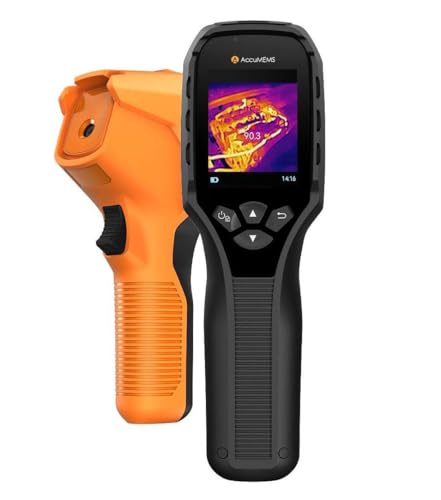
Leak detection tools: Many plumbers use electronic listening devices or thermal imaging cameras that can detect moisture or water flow behind walls without opening them up. This makes it possible to pinpoint a leak before any drywall comes down.
Pipe inspection: In some cases, a camera may be run through drain lines to check for cracks, clogs, or collapse.
Repair: Once the leak is located, the plumber will repair or replace the damaged pipe, fitting, valve, or connection. Depending on where the leak is, this may or may not require cutting into the drywall.
READ MORE: How Much Does Main Water Line Leak Repair Cost
How to Prevent Future Plumbing Problems
A few good habits go a long way toward keeping your plumbing quiet and your walls dry.
- Fix small leaks quickly. A slow drip under a sink that you ignore today is a mold problem six months from now. Fix minor issues before they become major ones.
- Watch your water bill. A sudden unexplained increase is often the first sign of a hidden leak. Track your monthly usage so you notice changes early.
- Schedule a plumbing inspection every few years. A licensed plumber can spot aging pipes, deteriorating fittings, and early signs of trouble before they become emergencies.
- Insulate exposed pipes in cold areas. Pipes in unheated basements, garages, and crawl spaces are vulnerable to freezing in winter. Frozen pipes burst. Foam pipe insulation is inexpensive and easy to install.
- Replace aging fixtures when needed. Toilets, faucets, and supply lines don’t last forever. If your fixtures are more than 20 years old, it may be worth having a plumber assess their condition.
- Pay attention to unusual sounds early. The wall sound you hear today might be minor. If you check it promptly and it turns out to be nothing, great. If you ignore it for three months and it turns out to be a slow leak, you’re looking at a much bigger repair.
Homeowner Quick-Reference Checklist
Use this checklist whenever you hear unexplained water sounds in your walls:
Basic checks (do these first):
- Turn off all water-using appliances and fixtures
- Listen carefully — is the sound still present?
- Check every toilet for silent running (hissing, constant refilling)
- Check the water meter before and after a 30-minute no-use period
- Inspect under all sinks for drips or moisture
- Feel along walls near plumbing for soft spots or dampness
Warning sign check:
- Water bill higher than normal?
- Any damp drywall, stains, or bubbling paint?
- Any musty or mildew smell in the home?
- Any visible mold near walls or baseboards?
- Any low water pressure at faucets?
- Any wet spots near floors or baseboards?
If any warning signs are present: Call a licensed plumber.
READ MORE: How to Indicate and Fix Water Pipe Leaking Outside House
How to Tell If the Sound Is Plumbing or HVAC
It can be tricky to know whether you are hearing a plumbing issue or something related to your HVAC system. Here’s how to tell them apart:
Signs it’s plumbing:
- The sound is present whether the AC/furnace is running or not
- It sounds like trickling, dripping, or running water
- The sound is near bathrooms, kitchens, or laundry areas
- The water meter shows movement when everything is off
Signs it’s HVAC:
- The sound only happens when the AC or furnace is running
- It is a soft trickle that tracks with cooling cycles
- The sound comes from near the air handler, vents, or ductwork
- The sound stops when you turn the HVAC system off
If shutting off the HVAC makes the sound go away, you’re dealing with condensate drainage, not a plumbing leak. If the sound continues regardless of whether the AC is running, the plumbing is the more likely culprit.
Conclusion
Hearing water running in walls when no faucets are on is not something to shrug off and hope disappears on its own. While some causes are completely harmless like residual drain noise or condensate from your AC others, like hidden supply line leaks, can cause thousands of dollars in damage if they go undetected.
The good news is that a few simple checks can help you figure out whether you’re dealing with a minor issue or something that needs a professional right away. Check your toilets, read your water meter, feel your walls for moisture, and look for the warning signs outlined in this guide.
Frequently Asked Questions
Why do I hear water running in my walls when no water is being used?
If all fixtures are turned off, this sound usually indicates either a hidden pressurized plumbing leak within your wall cavity, a toilet that is continuously running due to a faulty flapper valve, or your central air conditioner draining condensate water out of the house.
Is hearing water running in the wall a sign of a leak?
Yes, it can be a primary warning sign of a hidden leak. However, it can also be caused by completely normal processes, such as wastewater flowing down your home’s drain pipes after a shower, or the harmless ticking sound of hot copper pipes expanding against wooden wall studs.
Can a toilet cause the sound of running water in walls?
Absolutely. When a toilet’s internal valves fail, water continuously flows down the drain. Because the toilet’s water lines are securely anchored inside your walls, the sound of this constant water flow vibrates through your home’s framing, making it sound like a leak is hidden directly behind the drywall.
How do I find a water leak inside a wall?
You can look for visual indicators like dark water stains, bubbling paint, soft spots on the drywall, or a musty smell. To confirm the location non-invasively, look at your main water meter to see if it is spinning while all water is shut off, or hire a professional plumber who uses specialized thermal imaging and acoustic listening tools.
When should I call a plumber for water noise in walls?
You should call a plumber immediately if the running water noise is completely continuous, your water meter is spinning despite turning off all visible faucets, or if you spot physical signs of structural water damage like sagging drywall, peeling paint, or mold growth along your walls.

