If you’re dealing with a tankless water heater not working, you’re definitely not alone. These systems are incredibly efficient and long-lasting, but like any appliance, they can run into problems. The good news? Many of the most common issues are surprisingly easy to fix once you know what you’re looking at.
This guide walks you through the most likely causes of a tankless water heater failure, how to troubleshoot the problem step by step, what you can safely fix yourself, and when it’s time to call a licensed plumber. Whether you have a gas or electric unit, this article has you covered. Lets deep dive into ‘Tankless Water Heater Not Working? Causes, Fixes & Troubleshooting”
READ MORE: Best Tankless Water Heater — Top Picks, Costs & Buyer’s Guide
What It Means When a Tankless Water Heater Stops Working
Before jumping into fixes, it helps to recognize the warning signs. A tankless water heater that isn’t working properly won’t always just shut off completely. Sometimes it’s more subtle than that.
Here are the most common signs that something is wrong:
- No hot water at all — The most obvious sign. You turn on the tap and the water never warms up.
- Water gets warm but not hot enough — The unit is running, but not heating water to the temperature you need.
- Hot water runs out faster than it should — Your unit may be undersized, or there’s a flow issue.
- The unit won’t power on — No lights, no display, no sound.
- An error code is showing on the display — Flashing numbers or letter codes indicate a specific system fault.
- Water temperature is unstable — It flips between hot and cold without warning, sometimes called the “cold water sandwich” effect.
- Low water pressure from hot taps — The unit may be struggling to activate or there’s a filter blockage.
Recognizing these symptoms early makes it much easier to pinpoint the problem and find the right fix.
Common Reasons a Tankless Water Heater Is Not Working
There are quite a few things that can cause a tankless water heater to stop working, and they’re not always what you’d expect. Here are the most common culprits:
- Power issue or tripped breaker — Electric units especially will shut down completely if the circuit breaker has tripped or the unit lost power.
- Gas supply problem — If you have a gas tankless water heater not working, the gas valve may be off, the supply may be interrupted, or there’s a problem with the gas line itself.
- Clogged inlet filter — Sediment and debris from your water supply can block the filter screen and reduce water flow enough to prevent the unit from activating.
- Mineral buildup or scale — Hard water deposits on the heat exchanger reduce heating efficiency and can eventually cause the unit to fail.
- Incorrect water flow rate — Tankless heaters require a minimum flow rate (usually around 0.5 to 0.75 gallons per minute) to activate. If the flow is too low, the unit won’t turn on.
- Venting problems — Gas units need proper venting to exhaust combustion gases. A blocked or improperly installed vent can trigger a safety shutoff.
- Faulty ignition — If the gas burner won’t ignite, you’ll get no hot water even though everything else seems fine.
- Sensor failure — Temperature sensors, flow sensors, and flame sensors can all malfunction and cause the unit to shut down or behave erratically.
- Frozen pipes in cold weather — In colder climates, pipes leading to or from the unit can freeze, cutting off water supply entirely.
- Error code lockout — Many units will lock out and refuse to operate after repeated fault conditions as a safety measure.
- Maintenance overdue — Units that haven’t been flushed or serviced in years tend to develop multiple small issues that add up to a bigger failure.
READ MORE: AO Smith vs. Rheem Water Heaters: Comparison & Expert Reviews

Tankless Water Heater Not Working: Step-by-Step Troubleshooting Guide
Before you call anyone, work through this checklist. You might be surprised how often the fix is something simple.
Step 1: Check the Power Supply
For electric units, head to your breaker panel and see if the breaker for the water heater has tripped. If it has, reset it and see if that solves the problem. For gas units, confirm the unit has power to the display panel and that the pilot light (if applicable) is lit.
Step 2: Reset the Unit
Most tankless water heaters have a reset button, or you can reset them by turning the unit off and unplugging it (or shutting off the breaker) for 30 seconds, then restoring power. This clears minor glitches and often resolves random error codes.
Step 3: Look for Error Codes
Check the display panel. If there’s a code showing, write it down. Your user manual will have a list of what each code means. Don’t ignore flashing lights they’re the unit trying to tell you exactly what’s wrong.
Step 4: Confirm Gas or Electric Supply
For gas units, make sure the gas shutoff valve near the heater is in the open (parallel to the pipe) position. Also check that other gas appliances in the house are working. If your stove isn’t lighting either, you may have a supply issue to the whole home.
For electric units, double-check that the outlet or hardwired connection is functioning and that the voltage matches the unit’s requirements.
Step 5: Check Water Pressure and Flow Rate
Run a hot water tap and see if the pressure feels normal. Low pressure can prevent the unit from reaching its minimum activation flow. If you notice reduced pressure throughout the house, the problem may be upstream of the heater.
Step 6: Clean the Inlet Filter
Locate the cold water inlet on the unit and remove the filter screen. Rinse it under running water and use a soft brush to remove any sediment or debris. This is one of the most overlooked maintenance tasks and one of the most common causes of a tankless water heater with no hot water.
Step 7: Make Sure the Vent Is Not Blocked
For gas units, go outside and check the exhaust vent termination. Birds sometimes nest in them. Leaves, ice, or other debris can clog the vent and trigger a shutoff. Never attempt to run a gas unit with a blocked vent.
Step 8: Inspect for Visible Leaks
Look around the unit for any signs of water leakage. Even a small internal leak can cause pressure issues or trigger fault codes. If you see water, don’t just dry it up find the source.
Step 9: Test Another Hot Water Faucet
Sometimes what seems like a water heater problem is actually a faucet aerator clogged with sediment. Try a different hot tap to see if the issue is isolated to one fixture or happening throughout the whole house.
Step 10: Check the User Manual for Model-Specific Issues
This sounds basic, but it’s genuinely helpful. Your specific model may have known quirks or a specific reset procedure that isn’t obvious. Manufacturer websites also post FAQ documents and troubleshooting guides for common problems.

READ MORE: Gas Water Heater Replacement Cost— What Homeowners Pay & Why
Tankless Water Heater Error Codes
One of the most useful features on a modern tankless water heater is the error code display. When something goes wrong, the unit shows a code on the screen so you (or a technician) can quickly identify the problem.
The important thing to understand is that different brands use different codes. A Rinnai unit’s error code 11 means something different from an error code 11 on a Navien or Rheem. Always refer to your specific model’s manual or the manufacturer’s website.
That said, here are some common categories of errors you’ll see across most brands:
| Common Code Concept | What It Stands For | What Is Happening Inside |
| Ignition Failure (e.g., Code 11 or 12) | The system cannot light the gas or keep the flame burning. | The gas valve might be closed, propane may be empty, or the ignition spark rod is dirty. |
| Venting / Airflow Issues (e.g., Code 10 or 99) | The pressure sensor detects abnormal exhaust backup. | The outdoor vent pipes are blocked by debris, or the internal fan blower motor is failing. |
| Overheating Protection (e.g., Code 14 or 15) | The internal temperature has spiked dangerously high. | Mineral scale buildup has choked the heat exchanger, or a water temperature sensor has failed. |
| Low Water Flow / Sensor Fault (e.g., Code 79) | The computer cannot verify that water is safely moving. | The inlet filter is completely plugged, or the internal flow sensor wheel is stuck. |
If you see a flashing code, don’t just reset the unit and keep going. Repeated error codes almost always mean an underlying problem that won’t fix itself.

Electric vs. Gas Tankless Water Heater Problems
Troubleshooting changes quite a bit depending on whether your home uses electricity or gas to heat the water. Each fuel source relies on entirely different physical mechanisms to get the job done. Understanding these differences will help you zero in on the true culprit quickly.
Gas Tankless Systems
Gas units are mechanical powerhouses. They use a complex array of gas valves, burners, fan blowers, and venting tubes. Because they burn fuel, they require regular cleanings to remove combustion soot and need open airways to function safely.
Electric Tankless Systems
Electric models are simpler mechanically but demand massive amounts of electrical current. They do not have vents, fans, or gas lines. Instead, they use heavy-duty copper heating elements submerged directly in the water stream.
The table below highlights how common failures divide across both types of systems:
| Problem Component | Gas Tankless Units | Electric Tankless Units |
| Primary Failure Point | Blocked exhaust vents or dirty flame rods. | Burned-out heating elements or cracked relays. |
| Electrical Demand | Requires a standard 120V outlet for the computer. | Demands multiple 40-amp to 60-amp heavy breakers. |
| Water Quality Impact | Scale builds up heavily on the heat exchanger wall. | Scale coats the heating elements, burning them out. |
| Symptom of Scale | System shuts down completely due to overheating. | Water stays lukewarm because elements lose efficiency. |
If your electric tankless water heater is not working, your first step should almost always focus on your home’s breaker panel. Electric units draw so much power that minor grid fluctuations can trip their breakers without warning.
READ MORE: Gas Water Heater Not Working: Causes, Fixes & When to Call a Pro
When the Problem Is Easy to Fix
Not every tankless water heater problem requires a service call. Here are issues most homeowners can handle safely on their own:
- Resetting the system — A simple restart clears minor glitches and often gets the unit running again.
- Cleaning the inlet filter — Takes about 10 minutes and requires no special tools.
- Restoring power — Resetting a tripped breaker or replacing a blown fuse is a basic task.
- Checking the gas valve position — If the valve is closed, opening it takes seconds and costs nothing.
- Removing debris near the vent — If leaves or a bird’s nest is blocking your exhaust vent, clearing it out is a simple outdoor task.
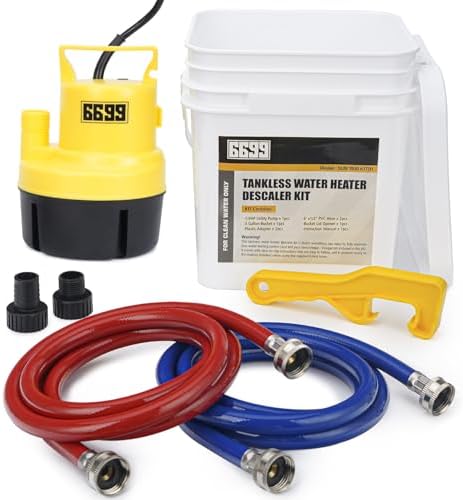
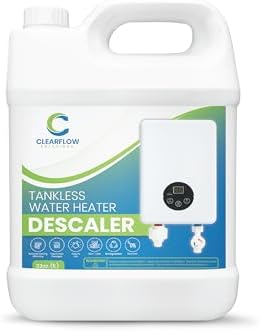
- Flushing minor buildup — If your manufacturer’s instructions allow it, a basic descaling flush using white vinegar can be done with a cheap pump kit and some patience. This is especially useful in hard water areas.
If you’ve gone through the basics and nothing works, it’s time to dig deeper or call for backup.
When to Call a Professional
Some tankless water heater problems are genuinely not DIY territory. Call a licensed plumber or certified technician when you’re dealing with:
- A gas smell — This is always an emergency. Leave the house, don’t flip any switches, and call your gas company and emergency services immediately.
- Repeated error codes that keep coming back — If the same code appears even after resetting, there’s an underlying fault that needs diagnosis.
- Electrical failure — Internal wiring problems, element failure, or panel issues should only be handled by a licensed electrician or qualified technician.
- Internal part failure — Things like a failed heat exchanger, gas valve, or control board need professional replacement.
- Persistent no-hot-water problems — If you’ve done everything on the troubleshooting list and still have no hot water, it’s time for a professional eye.
- Water leaks from the unit — Internal leaks can point to cracked heat exchangers or corroded fittings, which need professional repair.
- Venting issues — Improper venting on a gas unit is a carbon monoxide risk. Don’t guess with this one.
- Damaged heat exchanger — This is essentially the heart of the unit. Replacement is expensive and definitely a job for a pro.
There’s no shame in calling for help. A qualified technician can diagnose in minutes what might take a homeowner hours of guesswork.
READ MORE: Best Tankless Electric Water Heaters: Top 5 Models for U.S. Homes
How to Prevent Tankless Water Heater Problems
The best way to handle a tankless water heater not working is to stop the problem before it starts. A little routine maintenance goes a long way.
1. Flush the system regularly.
Most manufacturers recommend descaling the unit once a year, or more often if you have hard water. This removes mineral buildup that reduces efficiency and causes premature wear.
2. Clean the filters.
The inlet filter should be checked every few months, especially in areas with older pipes or heavy sediment.
3. Check your water quality.
If you have very hard water, consider installing a water softener or using a prefilter to reduce mineral deposits inside the unit.
4. Schedule annual inspections.
Having a plumber or technician look at the unit once a year lets you catch small problems before they turn into expensive repairs.
5. Keep vents clear year-round.
Check the exterior vent termination seasonally, especially before winter. Ice, leaves, and bird activity are common culprits.
6. Follow the manufacturer’s maintenance schedule.
Your owner’s manual has a recommended service schedule built specifically for your model. Following it keeps the warranty valid and the unit running well.
7. Never ignore warning lights.
That little blinking indicator is the unit asking for attention. Responding to it early almost always prevents a bigger problem down the road.
Final Troubleshooting Checklist
Before you reach for the phone, run through this quick checklist:
- Power supply confirmed (breaker checked, unit powered on)
- Unit reset completed
- Error code noted and looked up in the manual
- Gas valve confirmed open (gas units)
- Water pressure and flow tested at multiple taps
- Inlet filter removed, rinsed, and reinstalled
- Exterior exhaust vent visually checked and clear
- No visible leaks found around the unit
- Other hot water fixtures tested for comparison
- Manufacturer troubleshooting guide reviewed
If you’ve checked everything on this list and the problem persists, it’s time to call a professional.
READ MORE: How to Reset Rheem Tankless Water Heater Error Codes
Common Mistakes Homeowners Make
While you’re troubleshooting, avoid these frequent missteps:
- Ignoring error codes and just resetting — The code is diagnostic. Resetting without addressing the cause just delays the problem.
- Skipping filter maintenance — It’s easy to forget, but a clogged filter is one of the most common causes of reduced hot water.
- Running the unit with a blocked vent — Dangerous for gas units. Never operate with a known venting problem.
- Using the wrong descaling solution — Always use a food-grade white vinegar or manufacturer-approved descaler. Harsh chemicals can damage internal components.
- Ignoring the minimum flow rate — Running just one very low-flow fixture might not activate the unit. Try opening the faucet wider or checking if a flow restrictor is installed.
Frequently Asked Questions
Why is my tankless water heater not working all of a sudden?
Sudden failures are often caused by a tripped breaker, a triggered safety lockout from an error code, a closed gas valve, or a clogged filter. Start by checking power, looking for error codes, and inspecting the inlet filter. If those all look fine, the unit may have reached a maintenance threshold.
How do I reset my tankless water heater?
Most units can be reset by pressing and holding the reset button on the unit (check your manual for its location), or by shutting off power at the breaker for 30 seconds and then restoring it. After resetting, let the unit sit for a minute before trying to run hot water.
Why does my tankless water heater have no hot water?
No hot water is usually caused by a power or gas supply problem, a clogged filter, a flow rate too low to activate the unit, or an error code lockout. Work through the step-by-step troubleshooting guide above to narrow down the cause.
What does an error code mean on a tankless water heater?
Error codes are the unit’s way of telling you what’s wrong. Common error categories include ignition failure, overheating, low flow, venting problems, and gas pressure issues. Each brand uses its own numbering system, so always check your specific model’s manual for the exact meaning of the code you’re seeing.
Should I repair or replace a tankless water heater that keeps failing?
If your unit is less than 10 years old and the repair cost is under half the price of a new unit, repair is usually the smarter choice. If it’s older, has a damaged heat exchanger, or has had multiple repairs in a short time, replacement may be more cost-effective in the long run.
Conclusion
A tankless water heater not working is genuinely frustrating especially when hot water feels like a necessity, not a luxury. But in a lot of cases, the fix is simpler than you’d think. A reset, a cleaned filter, or a reopened gas valve is all it takes to get things running again.
The key is to stay calm, work through the problem systematically, and know your limits. Some repairs are absolutely in your wheelhouse as a homeowner. Others genuinely need a trained eye and the right tools.
If you take away one thing from this guide, let it be this: don’t ignore the warning signs. A minor error code today, if left unaddressed, can turn into a full system failure next month. A little attention now saves a lot of hassle later.
If your tankless water heater is still not working after basic troubleshooting, contact a licensed plumber to inspect the system and restore hot water safely.