For hundreds of thousands of American homeowners, a 3.5 ton AC unit represents the perfect cooling sweet spot. It sits right in the middle of residential equipment sizes, offering enough cooling power for medium-to-large households without the massive footprint or extreme power draw of full commercial-scale hardware.
However, buying a new 3.5 ton air conditioner is not as simple as picking a brand and calling an installer. With the recent rollout of strict SEER2 energy efficiency standards across the United States and the continuous rise of electricity costs in 2026, making an uninformed choice can cost you thousands of dollars in high utility bills and premature equipment failure.
This guide is designed to cut through the confusing industry jargon. We will explain exactly what this equipment capacity means, look at who needs an AC unit for 1800 to 2200 sq ft home layouts, break down the actual 3.5 ton AC unit cost, and provide honest, human-quality reviews of the five best systems available on the market this year. Lets deep dive into “Best 3.5 Ton AC Unit Available in 2026: Reviews, Comparison & Buying Guide”

READ MORE: Ultra Quietest Heat Pump for Your Home: Review, Comparison & Cost
What Is a 3.5 Ton AC Unit?
To understand the math behind a 3.5 ton central air unit, it helps to look at BTUs, or British Thermal Units. A single BTU is roughly equal to the heat produced by lighting a single paper match.
- Tonnage = cooling capacity, not weight.
- The Tonnage Formula: In the HVAC industry, 1 ton of cooling capacity equals 12,000 BTUs of heat removal per hour.
- The 3.5 Ton Math: When you multiply 12,000 BTUs by 3.5, you get 42,000 BTUs of total hourly cooling capacity.
While it is tempting to assume that a 3.5 ton system will perfectly fit any home within a certain square footage range, climate plays a massive role. A house in a mild northern climate like Michigan requires far less cooling capacity than an identically sized home in the scorching humidity of Florida or the dry heat of Arizona.
Critical Homeowner Rule: Never buy an air conditioner based solely on a generalized sizing chart or a neighbor’s recommendation. A licensed professional must perform an official Manual J Load Calculation. This calculation analyzes your home’s local climate, roof material, window placement, wall insulation quality, and floor plan layout to prove exactly how many BTUs your specific structure requires.

- CENTRAL AC EFFICIENCY: Transform your existing central air conditioning system into a highly efficient mini-split setup …
- POWERFUL CENTRAL AIR CONDITIONING: Experience superior cooling with our 36,000 BTU unit designed to quickly and efficien…
- UNBEATABLE CENTRAL AIR HEATING: Don’t let extreme cold compromise your comfort. Our Inverter Heat Pump technology delive…
Who Needs a 3.5 Ton AC Unit?
An air conditioner works best when it matches the unique thermal demands of your living space. If a system is too small, it will run constantly without ever reaching your thermostat setting, wearing out its components and spiking your power bills. If it is too large, it will blast your home with cold air, shut off rapidly, and leave your rooms feeling damp and clammy because it did not run long enough to remove the airborne humidity.
A 3.5 ton system is typically the ideal fit for several specific home scenarios:
- Medium-to-Large Floor Plans: It is widely considered the standard AC unit for 1800 to 2200 sq ft home sizes across moderate and warm climate regions.
- Multi-Story Houses: Two-story or tri-level homes between 1,600 and 2,000 square feet often need the extra push of a 3.5 ton system to handle the rising heat that accumulates on the upper floors.
- Open-Concept Layouts: Modern homes with high ceilings, large great rooms, and connected kitchen spaces have a massive volume of air to cool, which frequently requires 42,000 BTUs of power.
- Homes with Average or Poor Insulation: If you live in an older home with original windows, older siding, or thin attic insulation, a 3.5 ton unit provides the necessary leverage to overcome the heat leaking into your home.
- The Deep South and Desert Southwest: In states like Texas, Arizona, Georgia, and Florida, a 3.5 ton unit might be deployed in smaller homes (around 1,500 square feet) to successfully combat extreme, sustained outdoor temperatures over 100°F.
READ MORE: Best MRCOOL Mini Split Air Conditioners and Heat Pumps: Review & Comparison
Best 3.5 Ton AC Units in 2026
The American residential cooling market features dozens of brands, but five distinct models stand out in 2026 for their balance of build quality, regional performance, and value. Let’s look closely at how they compare.
1. Carrier Infinity Series 3.5 Ton AC
Carrier is one of the most respected names in home comfort, and their Infinity Series represents the absolute pinnacle of luxury engineering. Built with a heavy-duty galvanized steel cabinet and protected by their proprietary WeatherArmor Ultra system, this premium line is famous for its advanced inverter technology and flawless variable-speed operation.
Key Features
- Up to 21 SEER2
- Variable-speed compressor
- As low as 55 dB
- Humidity-friendly, quiet operation
- Works with Carrier’s premium comfort ecosystem
Warranty
When registered online within 60 days of installation, Carrier provides a 10-year limited warranty on parts and a 10-year limited warranty on the compressor.
Pros
- Unmatched temperature consistency within 0.5 degrees of your thermostat setting.
- Incredible energy bill reductions when replacing an older, standard system.
- Superior humidity removal in muggy, coastal climates.
Cons
- Requires a significant upfront investment.
- Must be paired with the proprietary Carrier Infinity System Control thermostat to unlock its full feature set.
Best For
Homeowners looking for top-tier comfort, near-silent operation, and maximum energy savings, who do not mind paying a premium price for the best technology available.
READ MORE: Best Portable AC Unit Review: Comparison, Top Picks & Buying Guide
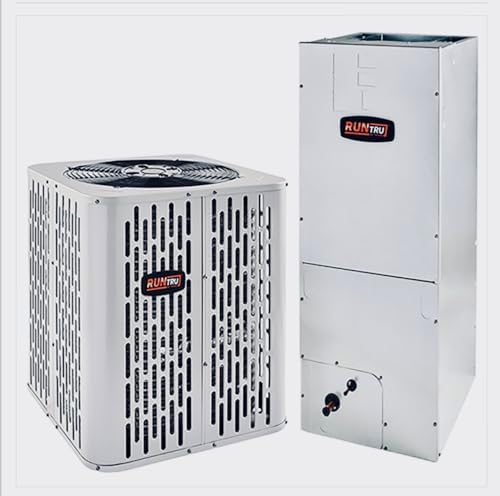
2. Trane XR16 3.5 Ton Air Conditioner
Trane’s XR16 line is a strong middle-to-upper option for homeowners who want dependable comfort without moving all the way to the highest-end price tier. Trane says its air conditioners range from 13.4 SEER2 up to 23.6 SEER2, and its XR16 page highlights a sound insulator on the compressor on select models plus a tough cabinet design. Trane also lists 3.5 ton capacity as one of the sizes available in its air conditioner lineup.
Key Features
- Available in 3.5 ton sizing through the Trane lineup
- Efficient mid-to-premium option
- Sound insulator on compressor on select models
- Durable cabinet and coil protection
- Strong fit for replacement projects
Noise Level
Moderate to quiet. The XR16 typically operates between 72 and 74 dBA.
Warranty
Offers a 10-year limited warranty on functional parts and a 12-year limited warranty on the compressor upon timely online registration.
Pros
- Exceptionally durable build that survives harsh winter climates and coastal salt air.
- Two-stage compressor prevents the harsh on-off cycling of basic budget models.
- Highly reliable compressor design with an industry-leading 12-year protection window.
Cons
- The physical footprint of the outdoor cabinet is quite large and heavy.
- Does not feature true variable-speed modulation.
Best For
Homeowners seeking an ultra-reliable, long-lasting middle-ground system that lowers energy costs without the complex computerization of high-end variable-speed units.
READ MORE: 8 Best DREO Smart Tower Fans 2026: Review & Comparison
3. Goodman GSXN4 3.5 Ton AC Unit
Goodman is often the go-to brand for budget-conscious homeowners, and the GSXN4 is a straightforward value choice. Goodman lists the GSXN4 at up to 14.3 SEER2, and its catalog shows 3.5-ton support across several product families. Goodman also emphasizes features like a single-speed PSC fan motor and a factory-installed filter drier. This is not the fanciest system on the list, but it can be attractive when the goal is lower upfront cost.
Key Features
- Up to 14.3 SEER2
- 3.5-ton capacity supported in the Goodman product catalog
- Single-speed PSC condenser fan motor
- Factory-installed filter drier
- Budget-friendly positioning
Noise Level
Standard residential sound. Because it uses a single-stage system that runs at 100% speed whenever it turns on, the sound level sits steadily around 74 to 76 dBA.
Warranty
Goodman excels at warranty protection, providing a robust 10-year parts limited warranty if registered within 60 days of installation.
Pros
- One of the most affordable and accessible 3.5 ton central air systems on the market.
- Simple mechanical design makes replacement parts cheap and universally available.
- Great option for rental properties, flips, or tight renovation budgets.
Cons
- Single-stage function means it shuts off and turns on frequently, creating minor temperature swings.
- Less efficient in handling high-humidity climates compared to multi-stage models.
Best For
Budget-conscious buyers, landlords, or homeowners living in milder northern states who only run their air conditioning for a few months out of the year.
Short Final Verdict
The Goodman GSXN4 proves that staying cool does not have to break your bank account. It is a straightforward, highly affordable option that reliably delivers cold air where you need it.

- R-410a liquid refrigerant
- Copper tube / aluminum fin condenser coil
- Totally enclosed, permanently lubricated condenser fan motor
READ MORE: 5 Ton AC Unit Buying Guide: Costs, Sizing & Best Options
4. Lennox Elite EL18XCV 3.5 Ton AC
Lennox’s EL18XCV is one of the best picks for homeowners who care about energy efficiency and advanced comfort control. Lennox lists the EL18XCV at up to 18.8 SEER2 with a sound rating of 72, and its Elite model warranty includes 10 years on compressors and 5 years on covered components, with an extended warranty available through registration. Lennox also markets the Elite line as digitally enabled and tied to smart thermostat-style control.
Key Features
- Up to 18.8 SEER2
- Variable-capacity comfort
- Digitally enabled and smart-control friendly
- Strong efficiency for the class
- Excellent premium brand reputation
Noise Level
Impressively quiet. The advanced cabinet design and precision direct-drive fan keep normal operational volume right at 70 dBA, dropping even lower when the inverter runs at partial speeds.
Warranty
Backed by a 5-year limited warranty on parts and a 10-year limited warranty on the compressor, which upgrades to a full 10-year parts warranty upon successful online registration.
Pros
- Delivers premium, smooth variable-speed comfort at a more approachable price.
- Exceptional digital integration with modern smart home ecosystems.
- Quantum Coil design holds up incredibly well against chemical and salt air wear.
Cons
- Requires professional installation by an authorized Lennox dealer for optimal configuration.
- Replacement parts can sometimes carry higher price tags and longer shipping times.
Best For
Tech-minded homeowners who want an energy efficient air conditioner with variable-speed capabilities, smart home features, and advanced humidity control.
READ MORE: Best 3-Ton Heat Pumps of 2026: Reviews, Prices & Comparison
5. American Standard Silver 16 3.5 Ton AC
American Standard is a strong brand for homeowners who want dependable comfort with a good mix of value and efficiency. Its current air-conditioner lineup includes 3.5 ton AC units, and the brand says its central AC systems range from 13.4 SEER2 up to 23.6 SEER2. The Silver 16 family is described as quiet and energy efficient, and the brand highlights compressor sound enclosure technology on its variable-speed models.
Key Features
- 3.5-ton capacity available
- Strong efficiency range across the brand
- Quiet-operation focus
- Smart thermostat compatibility
- Good comfort and humidity-control reputation
Noise Level
Quiet for a single-stage system. It holds a nominal sound profile between 70 and 72 dBA, making it noticeably quieter than many competing value-tier options.
Warranty
Comes with a reliable 10-year limited warranty on internal functional parts and a 10-year limited warranty on the compressor when registered online within 60 days.
Pros
- Consistently ranks at the top of national consumer satisfaction surveys for fewer mechanical breakdowns.
- Heavy-duty, industrial-grade construction that easily handles extreme summer heat storms.
- Highly competitive pricing for a premium heritage brand.
Cons
- Lacks the advanced humidity removal benefits found in multi-stage or variable-speed systems.
- The cabinet design is quite bulky, requiring an open installation area.
Best For
Homeowners looking for a highly dependable, durable system from an elite manufacturer without paying extra for complex variable electronics.
READ MORE: Best Energy Star Smart Thermostats: Reviews, Comparison, and Buying Guide
Comparison Table of the Best 3.5 Ton AC Units
To help you visualize how these different systems look side-by-side, check out the direct breakdown of their specifications, operational performance, and ideal use cases below:
| Model | SEER2 Rating | Noise Level | Warranty | Best Feature | Best For |
| Carrier Infinity Series | Up to 24.0 SEER2 | 51 dBA (Ultra-Quiet) | 10-Yr Parts / 10-Yr Compressor | Inverter Greenspeed Tech | Premium luxury & maximum bill savings |
| Trane XR16 | Up to 16.2 SEER2 | 72–74 dBA | 10-Yr Parts / 12-Yr Compressor Climatuff | Spine Fin & 12-Yr Comp Warranty | Ultimate mechanical reliability |
| Goodman GSXN4 | Up to 14.3 SEER2 | 74–76 dBA | 10-Yr Parts | Affordable, reliable single-stage design | Budget-focused buyers & rental properties |
| Lennox Elite EL18XCV | Up to 18.8 SEER2 | 70 dBA | 10-Yr Parts / 10-Yr Compressor | Quantum Coil / Smart Ecosystem | Modern tech integration & efficiency |
| American Standard Silver 16 | Up to 16.0 SEER2 | 70–72 dBA | 10-Yr Parts / 10-Yr Compressor | Duration Scroll Compressor | Fewer repairs & long-term peace of mind |
How Much Does a 3.5 Ton AC Unit Cost in 2026?
Replacing a central air conditioning system is a major home investment. In 2026, the average 3.5 ton AC unit cost across the United States ranges between $4,800 and $11,500 for a fully installed system.
The wide range in pricing comes down to a few major variables. Let’s look at how the costs break down between the equipment itself and the labor required to safely set it up.
Budget Tier 3.5 ton AC Cost
- Equipment Only: $1,800 – $2,800
- Fully Installed Total Cost: $4,800 – $6,500
Mid-Range Tier 3.5 ton AC Cost
- Equipment Only: $2,900 – $4,200
- Fully Installed Total Cost: $6,600 – $8,800
Premium Tier 3.5 ton AC Cost
- Equipment Only: $4,300 – $6,500
- Fully Installed Total Cost: $8,900 – $11,500+
3.5 ton AC Cost: Breaking Down the Costs
- Equipment-Only Cost: The wholesale price of the outdoor condenser, matching indoor evaporator coil, and basic line sets generally runs from $1,800 to $6,500. A simple single-stage unit sits at the bottom of this scale, while a highly advanced variable-speed inverter system sits at the top.
- Labor and Installation Charges: Professional HVAC labor accounts for roughly 50% to 60% of your total invoice. Installing a central air unit requires EPA-certified handling of refrigerants, precision electrical wiring, and sheet metal calibration. This crucial service usually costs between $2,500 and $5,000.
- Ductwork Modifications: If your existing air ducts are leaking, uninsulated, or too small to handle the airflow of a 42,000 BTU system, you may need to spend an additional $1,500 to $4,000 to repair, seal, or replace sections of your duct infrastructure.
- Regional Pricing Differences: Labor rates fluctuate heavily depending on where your home is located. Homeowners living in major metropolitan areas with high costs of living or in deep Southern states with extreme seasonal demands will face higher installation estimates than those living in rural areas or northern states.
READ MORE: Central Heat Pump Installation Cost: 2026 Homeowner Price Guide
Important Features to Look for in a 3.5 Ton AC Unit
When browsing through brochures or evaluating quotes from local HVAC contractors, focus on these essential performance features to get the most value for your money:
- SEER2 Ratings: Seasonal Energy Efficiency Ratio 2 is the updated national testing standard used to measure an air conditioner’s overall efficiency. Higher SEER2 numbers mean less power is wasted. Look for a system with a rating of at least 15 to 16 SEER2 to balance initial equipment costs with meaningful monthly electric savings.
- Compressor Types:
- Single-Stage: Operates like a light switch (either 100% on or completely off). Affordable, but less efficient.
- Two-Stage: Runs at roughly 70% capacity on mild days and shifts to 100% capacity during extreme heatwaves. Saves electricity and stabilizes indoor temperatures.
- Variable-Speed: Constantly micro-adjusts its output in real-time. Provides the absolute highest comfort and efficiency levels.
- Smart Thermostat Compatibility: Ensure your new system can communicate with smart platforms like Nest, ecobee, or proprietary brand controllers. These devices optimize cooling schedules based on your daily routine to eliminate unnecessary energy waste.
- Advanced Humidity Control: If you live in a sticky, humid climate, prioritize units featuring enhanced moisture removal technology. Removing humidity makes rooms feel much cooler, allowing you to set your thermostat a few degrees higher without sacrificing personal comfort.
- Sound Dampening Technology: Look for systems engineered with heavy-duty acoustic compressor blankets, composite base pans, and variable-speed fans if the unit will be installed near a bedroom window, patio, or backyard deck.
- ENERGY STAR Certification: Equipment bearing the ENERGY STAR logo meets strict energy efficiency guidelines set by the U.S. Environmental Protection Agency, often unlocking significant local utility rebates.
Energy Efficiency & Electricity Savings
With energy prices climbing across the country, upgrading to a high efficiency 3.5 ton AC is one of the most effective ways to lower your household’s monthly operating expenses.
If you are replacing an old system built 12 to 15 years ago, it likely operates at an efficiency level of around 10 to 12 SEER under the old rating system. Upgrading to a modern 16 to 18 SEER2 rated unit can instantly slash your summer cooling bills by 30% to 50%.
[ Old 10 SEER System ] —> Uses Max Electricity / High Bills
│
▼ (Upgrade to Modern System)
│
[ New 16+ SEER2 Unit ] —> Saves 30% to 50% on Summer Utility Costs
Over the typical 15-year lifespan of a well-maintained central air conditioner, those monthly bill reductions can stack up to thousands of dollars in direct household savings, completely offsetting the initial installation cost.
Financial Incentives to Utilize
To help lower your upfront purchase costs, take full advantage of these available savings programs:
- Federal Tax Credits (Energy Efficient Home Improvement Credit): Under current federal guidelines, installing an qualifying highly efficient central air conditioning system allows you to claim a direct federal tax credit of up to $600 on your annual tax returns.
- Local Utility Rebates: Many local electric and gas companies offer cash-back incentives ranging from $200 to $1,000 when you buy and install an certified high-efficiency system. Always check with your utility provider before signing an installation contract.
READ MORE: Best ecobee Smart Thermostat Review: Essential vs Enhanced vs Premium
Common Mistakes to Avoid When Buying a 3.5 Ton AC Unit
- Buying a bigger system just because it sounds better
- Ignoring insulation and duct issues
- Choosing the cheapest installer instead of the best one
- Skipping warranty registration
- Forgetting to match the indoor coil or air handler correctly
- Picking a unit without checking noise level or humidity control
Maintenance Tips to Make Your AC Last Longer
A high-quality central air system should reliably cool your home for 15 to 20 years. However, achieving that kind of longevity requires regular care. Use this practical maintenance routine to keep your investment running smoothly:
- Swap Your Air Filters Constantly: A dirty, dust-clogged air filter restricts system airflow, forcing the indoor blower motor to work twice as hard. Check your filter monthly and replace it every 30 to 90 days depending on whether you have pets or allergy sufferers in your household.
- Keep the Outdoor Condenser Clear: Your outdoor unit needs breathing room to dump heat into the outside air. Clear away any overgrown weeds, vines, bushes, or stacked firewood within a 2-foot radius of the cabinet.
- Clean the Outdoor Coils Annually: Cottonwood seeds, grass clippings, and dirt accumulate on the outdoor coil over time, insulating the system and trapping heat. Gently rinse the metal fins with a garden hose each spring using low water pressure. Never use a pressure washer, as it will instantly bend the delicate aluminum fins.
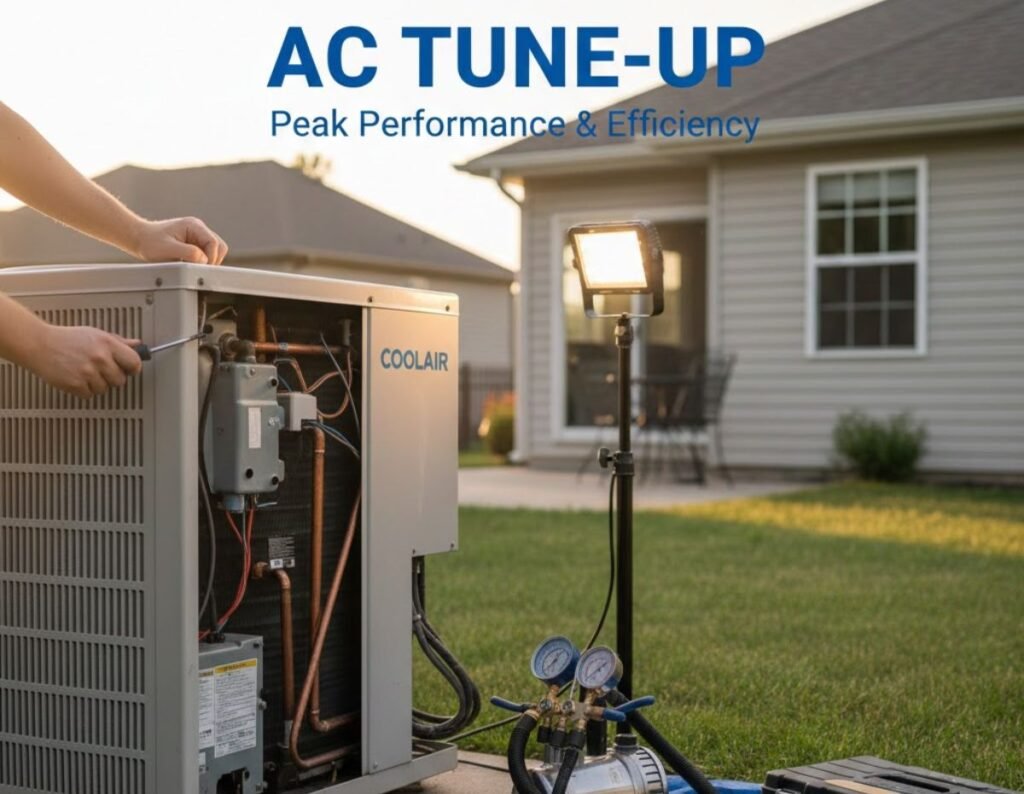
- Schedule Professional Air Conditioner Tune-Ups: Have a licensed technician inspect your system once a year before the summer heat hits. They will check refrigerant pressures, tighten electrical connections, clean the condensate drain line to prevent indoor water leaks, and verify that all safety systems function perfectly.
Frequently Asked Questions
Is a 3.5 ton AC unit enough for a 2,000 sq ft house?
In many homes, yes. A 3.5 ton AC unit can be a good fit for a 2,000 sq ft house, especially if the home is in a warm climate, has average insulation, or includes an open layout.
How much does a 3.5 ton AC unit cost installed?
Installed cost depends on the brand, efficiency, labor, and whether the indoor coil or ductwork must also be replaced. In 2026, many homeowners can expect a standard installed range of roughly $6,500 to $12,500, with premium systems and more complex jobs costing more.
What SEER2 rating should I choose?
A good target depends on budget and how long you plan to stay in the home. For most buyers, 16 SEER2 or higher is a solid starting point, while 18 SEER2 and up is better for homeowners who want stronger energy savings and quieter operation.
Which brand is most reliable for a 3.5 Ton AC Unit?
There is no single winner for every house. Carrier and Trane are often viewed as premium, long-established brands. Lennox is a strong choice for efficiency and advanced control. American Standard offers similar strengths with a comfort-first approach. Goodman is often favored for value and simpler pricing.
How long does a 3.5 ton AC last?
With good installation and regular maintenance, many central AC systems last about 12 to 20 years, though exact life depends on usage, climate, and service history.
Final Verdict — Which 3.5 Ton AC Unit Is Best?
For most homeowners, the best overall 3.5 ton AC unit is the Carrier Infinity Series. If you want a strong all-around system without paying ultra-premium prices, Trane XR16 is an excellent reliability-first choice. If quiet comfort and advanced control matter most, Lennox EL18XCV is a smart premium pick.
For budget buyers, Goodman GSXN4 is the best value option. For homeowners who want a quiet, balanced system with a long-standing reputation, American Standard Silver 16 is a very good middle ground.
Pingback: Best Outdoor Air Conditioner Unit: Top 5 Picks for USA Homeowners in 2026 - Plumbing Guider