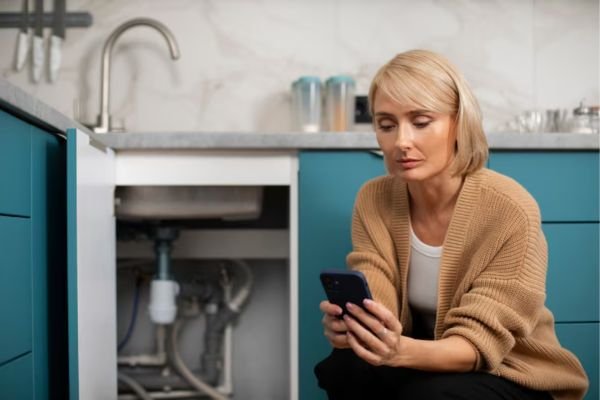
If you find your electric water heater not working, your first instinct might be to panic and immediately call an emergency plumber. While that is sometimes necessary, you can take comfort in knowing that many common water heater issues stem from simple, easily fixable causes. In fact, a good portion of these problems can be diagnosed with just a little bit of patience and systematic checking.
This guide will walk you through the most common reasons an electric water heater stops working, a practical troubleshooting checklist you can use right now, and clear guidance on when a DIY approach is fine versus when it is safest to pick up the phone and call a professional. Lets deep dive into “Electric Water Heater Not Working? Causes, Fixes & Troubleshooting Tips”
READ MORE: AO Smith vs. Rheem Water Heaters: Comparison & Expert Reviews
Restore Your Hot Water – Shop the Chromex Flush Kit:

What It Means When an Electric Water Heater Is Not Working
“Not working” can mean a few different things, and identifying exactly what you are experiencing will help narrow down the cause a lot faster.
Here are the most common ways this problem shows up in a home:
- No hot water at all — You turn on the tap and only cold water comes out, no matter how long you wait.
- Lukewarm water — The water gets slightly warm but never reaches a comfortable temperature.
- Hot water runs out too quickly — You get a few minutes of hot water and then it turns cold.
- Water heater won’t turn on — The unit appears completely dead with no signs of activity.
- Breaker keeps tripping — Every time you reset the circuit breaker, it trips again shortly after.
- Strange noises — You hear popping, rumbling, or hissing sounds coming from the tank.
- Water leaking — There is moisture or pooling water around the base of the unit.
Each of these symptoms points toward a different root cause, which we will cover below.
READ MORE: How to Fix a Leaking Electric Water Heater Pressure Relief Valve?
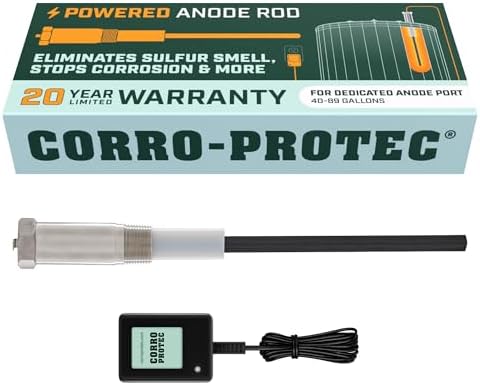
Protect Your Tank Forever – Get a Powered Anode Rod Here:
Common Reasons an Electric Water Heater Stops Working
Understanding the most likely causes of a broken water heater helps you troubleshoot more efficiently. Here are the most frequent culprits.
1. Tripped Circuit Breaker
Electric water heaters draw a significant amount of power. If the circuit breaker trips, the heater loses all power and stops producing hot water entirely. This is often the simplest fix but if the breaker keeps tripping, there is a deeper electrical issue at play.
2. Failed Heating Element
Most electric water heaters have two heating elements: an upper one and a lower one. When either element burns out, your hot water production drops noticeably. If the upper element fails, you may get very little hot water at all. If the lower element fails, you will run out of hot water faster than usual.
3. Faulty Thermostat
The thermostat controls what temperature the water is heated to. Water heater thermostat problems can cause the water to be too hot, too cold, or inconsistent. There is typically one thermostat for each heating element.
4. Tripped Reset Button
Electric water heaters have a high-limit safety switch often called the reset button that shuts the heater off if the water gets too hot. If it has tripped, the unit will not heat water until it is manually reset.
5. Loose Wiring or Electrical Issue
Loose connections inside the water heater panel can interrupt power flow, cause heating failures, or create a safety hazard. This kind of issue requires a licensed electrician.
6. Sediment Buildup
Over time, minerals naturally present in tap water especially calcium and magnesium settle at the bottom of the tank. A thick layer of sediment makes the heater work harder, reduces efficiency, causes rumbling sounds, and can shorten the life of the unit significantly.
7. Broken Dip Tube
The dip tube carries cold water down to the bottom of the tank so it gets heated from below. When it breaks, cold water mixes with the hot water near the top, and you end up with lukewarm water at the tap even though the unit is running.
8. Water Leak or Tank Damage
A leaking water heater can lose pressure, reduce hot water output, or fail to heat efficiently. Cracks in the tank itself are serious and typically cannot be repaired; replacement is usually the only option.
9. Old Unit Reaching End of Life
Most electric water heaters last between 10 and 15 years. As they age, components wear out more frequently and the unit becomes less efficient overall. If yours is over a decade old and giving you repeated problems, age may be the root cause.
READ MORE: Best Tankless Electric Water Heaters: Top 5 Models for U.S. Homes
Grab the Complete Tune-Up Kit + Tools Here:

Step-by-Step Electric Water Heater Troubleshooting Guide
Before calling anyone, work through this checklist. Many hot water heater problems are not turning on issues that have a simple solution.
Step 1: Check the Power Supply
Make sure the water heater is plugged in (if applicable) and that the power switch near the unit is in the “on” position. It sounds basic, but it is worth checking first.
Step 2: Inspect the Breaker Panel
Go to your home’s electrical panel and look for the breaker labeled for the water heater. If it has tripped, it will be in the middle or “off” position. Flip it fully to “off” and then back to “on.” If it trips again immediately or within a short time, do not keep resetting it — that is a sign of an electrical fault that needs professional attention.
Step 3: Press the Reset Button
Locate the reset button on your water heater. It is usually a red button on the upper thermostat, behind the access panel on the front of the unit. Press it firmly until you hear a click. Replace the panel and give the heater 30 to 60 minutes to reheat the water.
Safety Reminder: Before opening any access panel on your water heater, turn off the power to the unit at the breaker. Water and electricity are a dangerous combination. If you are not comfortable working near electrical components, skip this step and call a licensed electrician.
Step 4: Check the Temperature Settings
The thermostat setting may have accidentally been turned down. The recommended and safe setting for most homes is 120°F. Remove the access panel(s), locate the thermostat dial, and make sure it is set correctly.
Step 5: Look for Leaks Around the Tank
Walk around the base of the water heater and check for pooling water, rust stains, or moisture on the floor. Also inspect the inlet and outlet pipes and the pressure relief valve for drips. Even a slow leak can indicate a larger problem.
Step 6: Listen for Unusual Sounds
Turn the heater back on and listen. A popping or rumbling sound usually points to sediment buildup. A hissing sound could indicate a leak or a struggling heating element. Buzzing or crackling sounds near electrical components are a red flag turn off the power and call a professional.
Step 7: Consider Whether One or Both Heating Elements May Have Failed
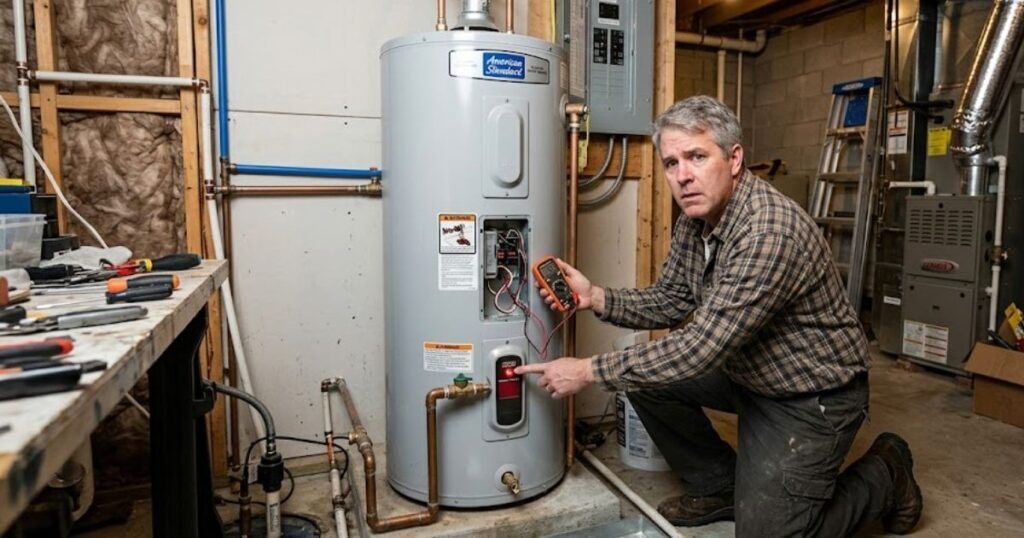
If you are getting some hot water but not enough, or if it runs out quickly, a single heating element has likely failed. If you are getting no hot water at all despite the breaker being on and the reset button working, both elements or a major electrical issue could be the cause. Heating element testing requires a multimeter and some comfort around electrical components, so this step is best handled by a professional unless you have experience.
Step 8: Rule Out a Plumbing Issue
Sometimes what looks like a water heater problem is actually a plumbing issue: a closed shutoff valve, a stuck mixing valve, or a problem at a specific fixture. Test hot water at multiple locations in the house. If it is only cold water at one faucet, the problem is likely with that fixture, not the heater.
READ MORE: Best Electric Heat Pump Water Heater: Reviews, Comparison, and Buying Guide
Make Tankless Flushing Easy – Shop Service Valves Here:

How to Tell the Problem by the Symptoms
This quick reference will help you connect what you are seeing to the most likely cause.
| Symptom | Most Likely Cause |
| No hot water at all | Tripped breaker, failed reset button, both elements failed |
| Some hot water, then cold | Lower heating element failed or thermostat issue |
| Water is too hot | Thermostat set too high or faulty thermostat |
| Breaker trips repeatedly | Electrical fault, short circuit, or failing element |
| Rusty or discolored water | Tank corrosion or heavy sediment buildup |
| Popping or rumbling sounds | Sediment buildup at the bottom of the tank |
| Water leaking from tank | Tank corrosion, crack, or valve failure |
| Lukewarm water only | Broken dip tube or thermostat problem |
What Homeowners Can Safely Fix
There are some no hot water from electric water heater situations where a careful homeowner can take action without professional help. Here is what is generally safe to try on your own:
- Resetting the circuit breaker — A one-time trip is common and safe to reset yourself.
- Pressing the reset button — This is designed for homeowner use and is safe as long as the power is off before you open the panel.
- Adjusting the thermostat setting — Easy to do with power off and a screwdriver.
- Confirming the heater has power — Checking switches and the breaker panel requires no electrical skill.
- Checking for visible leaks — A visual inspection around the unit is always safe.
- Flushing light sediment buildup — If you are comfortable with the process and have done it before, flushing the tank annually can help prevent buildup. If you have never done it, it is worth learning from a reliable guide or having a plumber show you once.
READ MORE: Cheapest 50-Gallon Electric Water Heater — Quick Buyer’s Guide
Safely Test Water Heater Elements – Shop AstroAI Here:

When to Call a Professional
There are clear situations where electric water heater repair should be left to a licensed plumber or electrician. Do not keep troubleshooting if you notice any of the following:
- The breaker trips more than once after being reset
- You smell something burning or hear buzzing near electrical components
- There is visible damage to wiring, connections, or the electrical panel
- Water is actively leaking from the tank itself (not just from a valve)
- You need to test or replace a heating element or thermostat — these tasks involve live electrical components
- The unit is old and has had repeated problems in a short period
- You have completed all basic checks and still have no hot water
There is no shame in calling a pro. Water heater issues that involve electricity or active leaks can become safety hazards quickly, and a licensed technician will get it diagnosed and fixed correctly the first time.
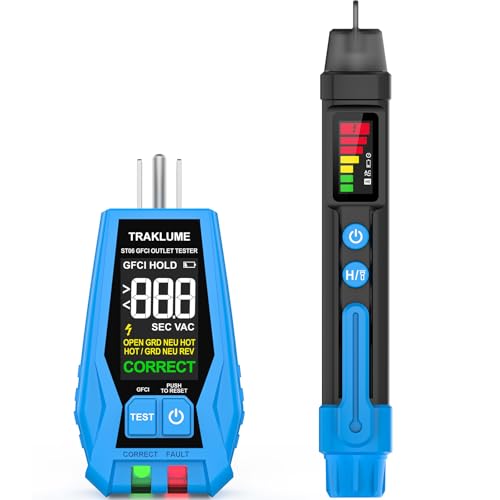
Verify Power is OFF – Shop the Electrical Safety Kit:
Repair or Replace? How to Make the Right Call
When your electric water heater is not heating, one of the biggest decisions you face is whether to pay for a repair or invest in a new unit. Here is how to think through it.
Consider repairing if:
- The heater is under 8 years old
- The repair needed is minor — such as a single heating element replacement or thermostat swap
- The tank itself is not leaking and shows no signs of corrosion
- The repair cost is less than half the price of a new unit
Consider replacing if:
- The unit is 10 years old or older
- The tank is leaking or visibly corroded
- You have needed multiple repairs in the past year or two
- A professional estimates the repair will cost more than 50% of the replacement cost
- You want to upgrade to a more energy-efficient model
A newer electric heat pump water heater, for example, can use up to 70% less energy than a standard electric model so replacement sometimes pays off in long-term savings even when a repair is technically possible.
Prevention Tips to Avoid Future Problems
A little maintenance goes a long way when it comes to keeping your electric water heater running reliably for years.
- Flush the tank once a year. Draining a few gallons from the bottom of the tank each year helps remove sediment before it builds up into a thick layer.
- Check the anode rod every 2–3 years. The anode rod is a sacrificial metal rod that prevents tank corrosion. When it wears out, the tank itself starts to corrode. Replacing it on schedule is one of the best investments you can make.
- Test the pressure relief valve annually. Lift the small lever on the valve briefly to make sure it releases water and snaps back. A stuck or failing valve is a safety risk.
- Keep the thermostat set to 120°F. This reduces mineral buildup, lowers energy costs, and prevents scalding.
- Schedule a professional inspection every few years. A plumber can catch early warning signs before they become expensive repairs.
- Watch for the early signs. Rust-colored water, unusual sounds, or fluctuating water temperatures are all signals that something is developing. Catching issues early almost always means a smaller repair bill.
READ MORE: Best 80-Gallon Electric Water Heaters | Reviews & Deals
Conclusion
An electric water heater not working is almost always caused by one of a handful of common problems a tripped breaker, a failed heating element, a thermostat issue, or sediment buildup. Many of these issues have simple fixes that a homeowner can handle safely with a little guidance.
At the same time, it is important to know your limits. Electrical problems, active leaks, and failed internal components are best handled by a licensed professional. Getting the diagnosis right the first time saves money, prevents further damage, and keeps your home safe.
Frequently Asked Questions
Why is my electric water heater not working but the breaker is not tripped?
The most likely causes are a tripped reset button, one or both failed heating elements, or a faulty thermostat. Start by pressing the reset button on the upper thermostat (with power off first). If that does not help after an hour, the problem is most likely a failed heating element or thermostat.
How do I reset my electric water heater?
Turn off the power to the water heater at the circuit breaker. Remove the upper access panel on the front of the unit (usually held by two screws). You will see a red button labeled “Reset” or “High Limit.” Press it firmly until you hear or feel it click. Replace the access panel, restore power at the breaker, and wait 30 to 60 minutes for the water to reheat.
What causes an electric water heater to stop heating water?
The most common causes include a tripped circuit breaker, a tripped reset button, one or both burned-out heating elements, a failed thermostat, or heavy sediment buildup insulating the heating elements from the water.
Should I repair or replace an electric water heater that is not working?
The age of the unit and the cost of the needed repair are the two most important factors. If the heater is under 8 years old and needs a single part like a heating element repair is almost always the better choice. If it is 10 or more years old, has a leaking tank, or has had multiple failures recently, replacement usually makes more financial sense.
How long should an electric water heater last in a USA home?
A standard electric storage water heater typically lasts between 10 and 15 years with proper maintenance. Units that are flushed annually, have their anode rod replaced on schedule, and are kept at a reasonable temperature setting tend to last toward the longer end of that range.