If your toilet bowl is filling rapidly and heading straight for the rim, your immediate reaction dictates whether you face a quick two-minute fix or an expensive floor restoration. The single most important rule when a toilet overflows is simple: do not flush it again.
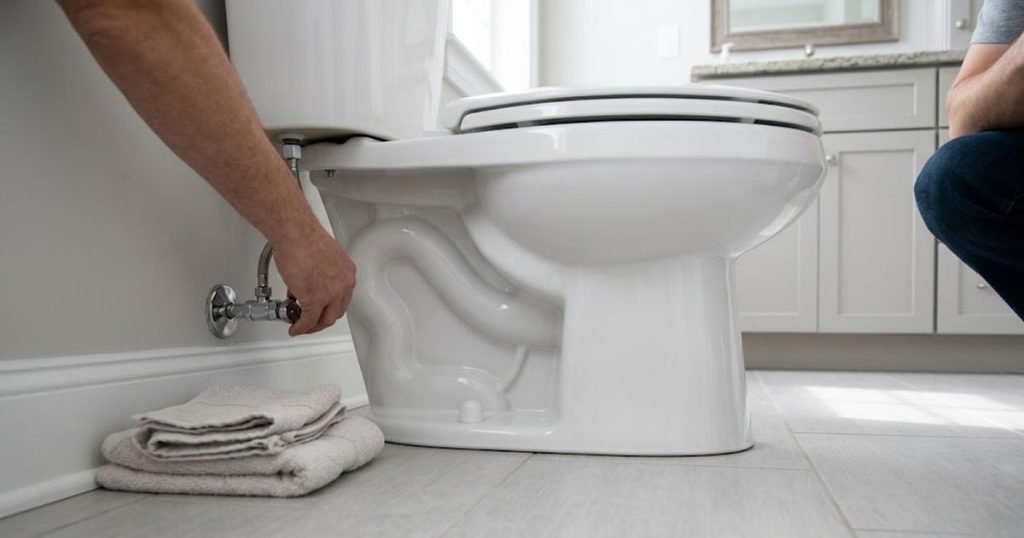
If you are dealing with an active toilet emergency right now, stop flushing immediately and turn off the toilet’s water supply valve located on the wall behind the toilet by turning it clockwise. If water is still rising, lift the tank lid and press the rubber flapper down over the opening at the bottom to stop the flow. Contain the water on the floor using old towels, then use a flange plunger to clear the obstruction.
If multiple fixtures in your home are backing up or if wastewater is coming out of your shower drains, stop using all water and call a licensed plumber immediately, as this indicates a main sewer line blockage. Lets dep dive into “What to Do When a Toilet Overflows: Step-by-Step Fixes”
READ MORE: Toilet Replacement Cost in USA: Prices, Labor & More
What to Do When a Toilet Overflows
When water begins rising uncontrollably in the bowl, panic is your worst enemy. Following a systematic procedure prevents minor clogs from turning into major structural water damage.
- Stop Flushing Immediately
Homeowners often instinctively press the flush handle a second time hoping the added water pressure will force the obstruction through. In reality, a standard toilet tank holds roughly 1.6 to 3.5 gallons of water, while the bowl is designed to hold much less. Flushing a blocked toilet a second time virtually guarantees that gallons of dirty water will dump onto your bathroom floor. - Turn Off the Toilet’s Water Supply
Reach behind the toilet near the floor to find the shutoff valve (often called a stop valve). Turn the oval handle clockwise until it stops tight. This cuts off the fresh water supply entering the toilet tank and prevents additional water from feeding into the overflowing bowl. If the valve is rusted, frozen, or spinning without resistance, locate your home’s main water shutoff valve usually found in the basement, crawlspace, garage, or near the water meter and turn off the main supply. - Secure the Inside of the Tank
If the shutoff valve under the toilet is stuck and you cannot quickly reach the home’s main valve, carefully remove the ceramic tank lid and place it flat on a towel. Reach into the tank (this water is clean, treated tap water) and locate the flexible rubber flapper sitting over the center drain hole. Push it down firmly with your hand to seal the opening and stop water from entering the bowl. Simultaneously, lift up on the float arm or float cup to signal to the fill valve that the tank is full, stopping the incoming water stream. - Protect the Surrounding Floor
Water can quickly seep into subfloors, ruin baseboards, and leak into rooms on lower floors. Surround the base of the toilet with old bath towels, rags, or absorbent pads to contain standing water. If you have a wet/dry vacuum equipped with a washable filter, vacuum up excess water on the tile or vinyl immediately before it works its way under the flooring transitions or trim. - Wait for the Water Level to Drop
Before attempting to plunge, give the standing water in the bowl ten to fifteen minutes to settle. Most toilet clogs are not 100% airtight; slow seepage will often allow the bowl level to fall gradually. Plunging a toilet filled to the absolute brim will cause contaminated water to splash outside the bowl onto your clothes and walls. - Prepare to Clear the Obstruction
Once the water level drops to a manageable height about half-full you can safely introduce tools like a toilet flange plunger or a closet auger to clear the trap.
Why Is My Toilet Overflowing?
To prevent future overflows, it helps to understand what causes the blockage in the first place. Toilet systems rely on a combination of gravity, siphonic action, and open drainage pipes. Interrupting any part of this system causes water to back up.
- Toilet Drain Clog: The standard toilet trapway (the S-bend visible from the side of the ceramic bowl) is typically only two to two-and-a-half inches in diameter. Heavy concentrations of toilet paper, heavy paper products, or waste can easily jam inside this narrow passage.
- Flushing Non-Flushable Items: Products marketed as “flushable wipes” do not break down in water the way standard toilet paper does. Over time, flushable wipes, paper towels, facial tissues, feminine hygiene products, cotton swabs, and dental floss bind together inside the pipes, building a solid barrier.
- Foreign Objects: In family households, foreign objects like small plastic toys, toothbrush caps, or hairbrushes frequently fall into the bowl unnoticed and get wedged inside the trapway.
- Low-Flow Toilet Limitations: Older generations of low-flow toilets (particularly early models manufactured in the 1990s) often lack the siphonic force required to push waste through long horizontal drain lines, leading to frequent partial obstructions.
- Mineral and Hard Water Buildup: In regions with hard water, calcium and magnesium deposits accumulate along the inside of the toilet trapway and jet holes. This roughens the internal surfaces, catching paper fibers and gradually narrowing the pathway.
- Sewer Line or Septic Tank Blockages: When the main line connecting your home to the municipal sewer or private septic tank becomes blocked by tree roots, collapsed piping, or a full septic tank, wastewater has nowhere to go and will force its way out of the lowest drain fixtures in the house starting with the ground-floor toilets.
- Malfunctioning Tank Hardware: If a toilet fill valve fails to shut off, or if the float height is improperly adjusted, water continuously flows into the overflow tube inside the tank. While designed to handle excess water, a partial blockage down in the bowl combined with a stuck fill valve will cause a continuous overflow.
READ MORE: How to Fix Loud Banging in Pipes After Flushing Toilet?
How to Tell If It Is a Toilet Clog or Sewer Backup
Distinguishing between a localized toilet clog and a main drain or sewer line backup is critical. Treating a main sewer backup like a simple toilet clog wastes time and increases the risk of severe property contamination.
| Indicator | Likely Localized Toilet Clog | Possible Sewer or Main Drain Backup |
| Affected Fixtures | Only one toilet in the house overflows or drains slowly. | Multiple toilets, sinks, or showers back up at the same time. |
| Behavior of Nearby Drains | Tub and sink drains run normally without bubbling or backing up. | Wastewater rises into the bathtub or shower drain when the toilet is flushed. |
| Drain Sounds | Normal quiet operation in other fixtures throughout the house. | Distinct gurgling or bubbling sounds coming from sinks, tubs, or nearby toilets. |
| Odor Presence | Standard unpleasant bowl odors confined to the immediate toilet area. | Persistent, heavy sewer gas smells rising from floor drains and multiple fixtures. |
| Reaction to Appliances | Running the washing machine or dishwasher has no effect on the toilet. | Using the washing machine or running the sink causes water to back up into the toilet bowl. |
If your symptoms match the “Sewer or Main Drain Backup” column, stop all water usage immediately. Turn off the main water supply and call a professional licensed plumber to inspect your main drain line with a sewer camera.
How to Unclog an Overflowing Toilet
When tackling an overflowing toilet, using the right tools and correct techniques prevents damage to the porcelain and ensures the blockage is cleared completely.
1. Use a Toilet Flange Plunger
Not all plungers are built alike. A standard flat cup plunger is designed for flat sink surfaces and will not create a tight seal inside the contoured curve of a toilet bowl. You need a toilet flange plunger (or accordion plunger), which features a fold-out rubber flap extending from the main cup.
- Verify Water Level: Ensure the bowl is roughly half-full. If it is dry, add a few cups of warm water. If it is full to the rim, bail out excess water into a bucket using a small disposable cup.
- Form the Seal: Extend the inner rubber flange from the plunger cup. Lower the plunger into the bowl at an angle so the cup fills with water rather than trapped air. Center the flange over the drain opening at the bottom of the bowl to create a firm, airtight seal.
- Execute Controlled Motions: Push down gently on the first stroke to push trapped air out without splashing. Then, plunge up and down forcefully while maintaining the seal. The push-and-pull movement forces water back and forth through the trap, breaking up the obstruction.
- Break the Seal: After 15 to 20 firm strokes, pull the plunger back abruptly to break the suction.
- Observe the Drain Action: If the water rushes down the drain naturally, the clog has cleared. Test your work by lifting the tank lid and pouring a small bucket of tap water into the bowl before attempting a handle flush.
2. Use a Toilet Auger
If a plunger fails to clear the blockage after two or three attempts, the obstruction may be lodged deeper in the porcelain trapway. A toilet auger (also known as a closet auger) is designed specifically for this issue. Unlike standard plumbing snakes, a toilet auger features a protective rubber boot or plastic sleeve that prevents the rotating steel cable from scratching the visible porcelain bowl.
- Prepare the Cable: Pull the auger handle all the way up so the flexible spring cable retracts inside the protective tube, leaving only the rounded bulb tip extending from the end.
- Position the Guard: Place the curved rubber boot at the bottom of the toilet bowl, pointing up into the drain opening. Hold the metal housing firmly with one hand to keep the protective sleeve stationary against the porcelain.
- Feed and Rotate: Crank the top handle clockwise using moderate, steady pressure while slowly pushing the rod downward. As the spring cable feeds through the S-bend, you will feel resistance when it meets the blockage.
- Break or Retrieve the Clog: Continue rotating the crank in a single direction to screw the corkscrew tip into soft material (like paper) or push through solid obstructions. If you suspect an object like a toy is trapped, maintain clockwise rotation while pulling the cable backward to hook and extract the item.
- Flush and Clean: Retract the cable entirely before removing the tool from the bowl. Rinse the auger tip with disinfectant, and test the drain with a bucket of water.
What If You Don me Not Have a Plunger?
If you are stuck without specialized plumbing tools, you can attempt to clear light grease or organic toilet paper clogs using household items.
- Hot Water and Dish Soap Method: Squirt roughly half a cup of liquid dish soap into the toilet bowl. Soap acts as a lubricant and helps break down organic fats. Allow it to settle to the bottom for 5 minutes. Next, pour a gallon of hot tap water into the bowl from waist height to add gentle head pressure.
- Crucial Safety Warning: Never pour boiling water into a porcelain toilet. Severe thermal shock will crack the ceramic bowl or destroy the wax ring seal beneath the toilet base, causing hidden leaks into your floor structure.
READ MORE: How to Repair a Toilet that Keeps Running: Step by Step
Should You Use Chemical Drain Cleaner?
No, you should never pour caustic chemical drain cleaners into an overflowing or completely clogged toilet. While chemical drain openers are commonly sold for sink and tub maintenance, using them in a toilet creates severe safety and structural hazards.
- Severe Splash Hazards: When a toilet is fully clogged, chemical drain cleaners sit stagnant in the bowl water. If you subsequently attempt to plunge or auger the toilet, the plunging action will splash highly corrosive chemicals onto your skin, face, and eyes.
- Damage to Internal Components: Heavy chemical compounds generate high heat through exothermal reactions. This localized heat can warp internal plastic flush valves, crack porcelain bowls, and erode the flexible wax ring sealing the toilet to the floor flange.
- Hazard to Plumbers: If chemical treatments fail and you are forced to call a professional, the standing toxic solution poses a direct chemical burn hazard to the technician working on the fixture.
Instead of chemicals, always stick strictly to mechanical clearing methods like plungers, augers, or hydro-jetting performed by professionals.
What to Do If Toilet Water Spills Onto the Floor
Water overflowing from a toilet bowl requires careful cleanup to protect both your health and your home’s structural integrity. Plumbing environments distinguish between Category 1 Water (clean supply water from a burst pipe or tank) and Category 3 Water (blackwater containing human waste, pathogens, and bacteria).
Decontamination Steps
- Gear Up: Put on heavy rubber gloves, protective eyewear, and waterproof rubber boots. According to guidance from the Centers for Disease Control and Prevention (CDC) for handling household sewage backup, wearing proper personal protective equipment (PPE) is essential to prevent skin contact and accidental ingestion of bacteria.
- Isolate the Zone: Keep children and household pets completely away from the affected area until cleanup and disinfection are complete.
- Extract Standing Water: Absorb standing liquid using old towels, disposable shop rags, or a wet/dry vacuum. If using a vacuum, ensure the unit is cleaned and sanitized thoroughly outdoors afterward.
- Sanitize Surfaces: Scrub non-porous surfaces (like ceramic tile, vinyl, or sealed grout) using a disinfectant cleaner or a freshly mixed solution of 1/2 cup liquid household bleach per gallon of cool water. Allow the solution to remain in contact with the surface for at least 10 minutes before wiping dry.
- Check Hidden Moisture: Check baseboards, vanity bases, and floor transitions adjacent to the toilet. Water can easily run under baseboards and soak into drywall or subflooring. Position electric drying fans and a dehumidifier in the room for 24 to 48 hours to prevent mold growth.
- Launder or Discard: Wash contaminated towels separately in hot water with laundry disinfectant or bleach. Items heavily saturated with solid blackwater waste should be sealed in plastic trash bags and discarded safely.
When Is an Overflowing Toilet a Plumbing Emergency?
Not every toilet problem can or should be solved with DIY methods. Recognizing when a situation exceeds basic maintenance saves you money on major structural repairs down the road.
Call a licensed professional plumber immediately under the following circumstances:
- Pervasive Wastewater Backups: Water is surfacing in bathtubs, showers, or floor drains whenever a toilet is flushed or an appliance runs.
- Continuous Overflow at the Base: Water is leaking out from beneath the bottom edge of the toilet base, indicating a broken wax ring seal or a compromised floor flange.
- Unresponsive Shutoff Valves: The local toilet shutoff valve is frozen, broken, or leaking, and you are unable to locate or operate the main house valve.
- Water Reaching Ceiling Space: Water from a second-story toilet overflow has seeped through the floorboards and is visible on or dripping through the ceiling below.
- Visible Porcelain Damage: The ceramic toilet bowl or tank shows visible cracks, structural fractures, or active exterior water weeping.
- Persistent Mechanical Clogs: Mechanical plunging and augering yield no progress after 15 minutes of proper effort, suggesting a deeper mainline obstruction or root intrusion.
READ MORE: Emergency Toilet Repair Near Me
How Much Does It Cost to Fix an Overflowing Toilet?
Fixing an overflowing toilet ranges from a quick $10 DIY effort to a broader plumbing service call depending on the root cause and the complexity of the obstruction. Below are realistic, average cost ranges based on nationwide professional plumbing service rates across the United States.
| Service Description | Estimated Cost Range (USD) | Primary Cost Factors |
| DIY Tool Purchase (Flange Plunger / Closet Auger) | $15 – $50 | Quality of tool, cable length, brand |
| Standard Professional Unclogging | $150 – $300 | Service call fee, localized blockage depth |
| Toilet Component Repair / Valve Replacement | $125 – $250 | Replacing worn fill valves, flappers, or stop valves |
| Toilet Removal & Wax Ring Replacement | $200 – $400 | Labor time, pull and reset fee, flange condition |
| Main Drain / Sewer Augering | $250 – $500 | Cleanout accessibility, length of run |
| Sewer Camera Inspection | $250 – $600 | Pipe length, video recording equipment |
| Hydro-Jetting Main Sewer Line | $450 – $1,000 | Line diameter, heavy root or grease buildup |
Note: Actual costs vary based on geographical region, local labor rates, ease of access, and whether service is rendered during standard business hours or as an after-hours emergency call.
How to Prevent Future Toilet Overflows
Preventive habits eliminate nearly all localized toilet clogs and significantly reduce the strain on your home’s drain pipes.
- Follow the “Three Ps” Rule: The only three items that should ever be flushed down a toilet are human waste (pee, poop) and toilet paper.
- Ditch “Flushable” Wipes: Despite marketing claims on packaging, wipes do not disintegrate rapidly in home plumbing branches or municipal sewer processing plants. Dispose of personal wipes, baby wipes, and makeup remover pads in a covered waste basket.
- Trash Heavy Fiber Items: Keep paper towels, facial tissues, cotton balls, cotton swabs, feminine hygiene products, dental floss, and bandages far away from the toilet bowl.
- Control Toilet Paper Consumption: Teach children to use moderate amounts of toilet paper. If necessary, flush twice during heavy use—once midway through and once when finished.
- Install a Toilet Lock for Toddlers: If you have young children in the home, install an inexpensive child safety lock on the toilet lid to stop small toys, bath sponges, and household objects from being dropped in.
- Upgrade Inefficient Fixtures: If you have an outdated, early-generation low-flow toilet that constantly stalls, consider upgrading to a modern high-efficiency fixture. Look for fixtures carrying the EPA WaterSense label. EPA WaterSense-labeled toilets undergo rigorous independent testing to guarantee high-performance flushing power while using at least 20% less water than standard national efficiency baselines.
- Replace Deteriorated Tank Parts: Inspect internal tank mechanisms annually. The U.S. Environmental Protection Agency (EPA) notes that worn toilet flappers are one of the most common causes of hidden toilet leaks and continuous running water. Replacing a brittle flapper every 3 to 5 years maintains proper flush pressure and prevents unexpected tank leaks.
READ MORE: Emergency Sewer Backup: Immediate Steps, Real Costs, and Pro Solutions
How to Prevent Water Damage From a Toilet Overflow
When water escapes a toilet bowl, seconds matter. Preparing your home beforehand limits property loss and structural damage.
- Locate Your Shutoff Valves Today: Every household member should know the location of both the localized toilet shutoff valve and the home’s main water supply valve. Test shutoff handles periodically to ensure they turn smoothly without binding.
- Keep Dedicated Tools Accessible: Store a quality toilet flange plunger and a pair of heavy rubber cleaning gloves in every bathroom or nearby utility closet. Having tools on hand eliminates the frantic search while water is actively rising.
- Install Smart Water Leak Sensors: Place low-cost electronic water leak detectors on the floor directly behind toilets. These battery-operated sensors emit an audible alarm—and can send smartphone alerts—the moment liquid contacts the floor, letting you stop leaks while they are small.
- Protect Nearby Subfloors: Ensure the silicone caulk seal along the front and sides of your toilet base is intact. While the back of the base should remain slightly uncaulked to expose internal wax ring leaks, a clean caulk perimeter prevents surface overflow water from instantly running underneath the fixture.
What Not to Do When a Toilet Overflows
Avoid these common mistakes when managing an overflowing toilet:
- Don’t hit the flush handle a second time hoping the water will clear itself down the line.
- Don’t ignore a rising water level while assuming the float valve will shut itself off automatically.
- Don’t use a flat cup sink plunger on a toilet drain; it will not form the necessary seal.
- Don’t use excessive, violent force with a plunger that causes dirty water to splash all over the room.
- Don’t run a standard, bare metal drain snake inside a toilet without porcelain protection, as it will scratch the ceramic glaze.
- Don’t pour boiling water into the bowl, which can thermal-shock and crack the ceramic toilet body or damage the underlying wax ring seal.
- Don’t pour chemical drain openers into standing water inside a blocked toilet bowl.
- Don’t use other water fixtures (like showers, sinks, or washing machines) if you suspect a main sewer line blockage.
- Don’t walk through contaminated wastewater barefoot or without proper personal protective equipment.
- Don’t delay drying out surrounding floor structures, which leads to warped subfloors and structural mold growth.
Frequently Asked Questions
What should I do immediately when my toilet overflows?
Stop flushing right away. Reach behind the base of the toilet and turn the oval water shutoff valve clockwise until it stops tight to cut off incoming water. If the valve is stuck, carefully lift the ceramic lid off the back of the tank and push the rubber flapper down over the hole at the bottom. Once water stops flowing into the bowl, lay down old towels around the base of the toilet to protect your floor.
How do you stop an overflowing toilet from filling up?
To stop an overflowing toilet from filling, you must cut off the water flowing into the bowl. Shutting off the supply valve behind the toilet stops incoming water immediately. If that valve is inaccessible, open the toilet tank lid, lift up on the float arm to stop the fill valve, and press the rubber flapper down over the flush drain hole to hold the clean water inside the tank.
Why does my toilet keep overflowing when I flush?
A toilet overflows repeatedly because water cannot clear the pathway through the trapway, branch drain line, or main sewer line. Common causes include dense toilet paper buildup, flushed wipes, paper towels, foreign objects wedged in the ceramic bend, or tree root intrusion blocking the main underground sewer pipe outside the home.
How do you unclog a toilet that is about to overflow?
When a toilet is about to overflow, do not attempt to flush it. Wait 10 to 15 minutes for the water level in the bowl to slowly sink. Once the water level drops to about half-full, insert a toilet flange plunger (a plunger with an extended inner rubber sleeve) into the drain opening, create a tight seal, and perform 15 to 20 gentle push-and-pull strokes to break up the blockage.
When should I call a plumber for an overflowing toilet?
Call a professional licensed plumber if plunging and augering fail to clear the blockage, if water surfaces in your bathtub or shower when you flush, if multiple drains throughout the house are backing up simultaneously, if water leaks from beneath the base of the toilet onto the floor, or if you suspect a underground sewer line failure.
An overflowing toilet is stressful, but acting quickly keeps a minor clog from turning into an expensive home repair. By shutting off the water source immediately, keeping the right tools nearby, and knowing when to hand the job over to a licensed professional, you can protect your home, keep your family safe, and handle plumbing emergencies with confidence.

